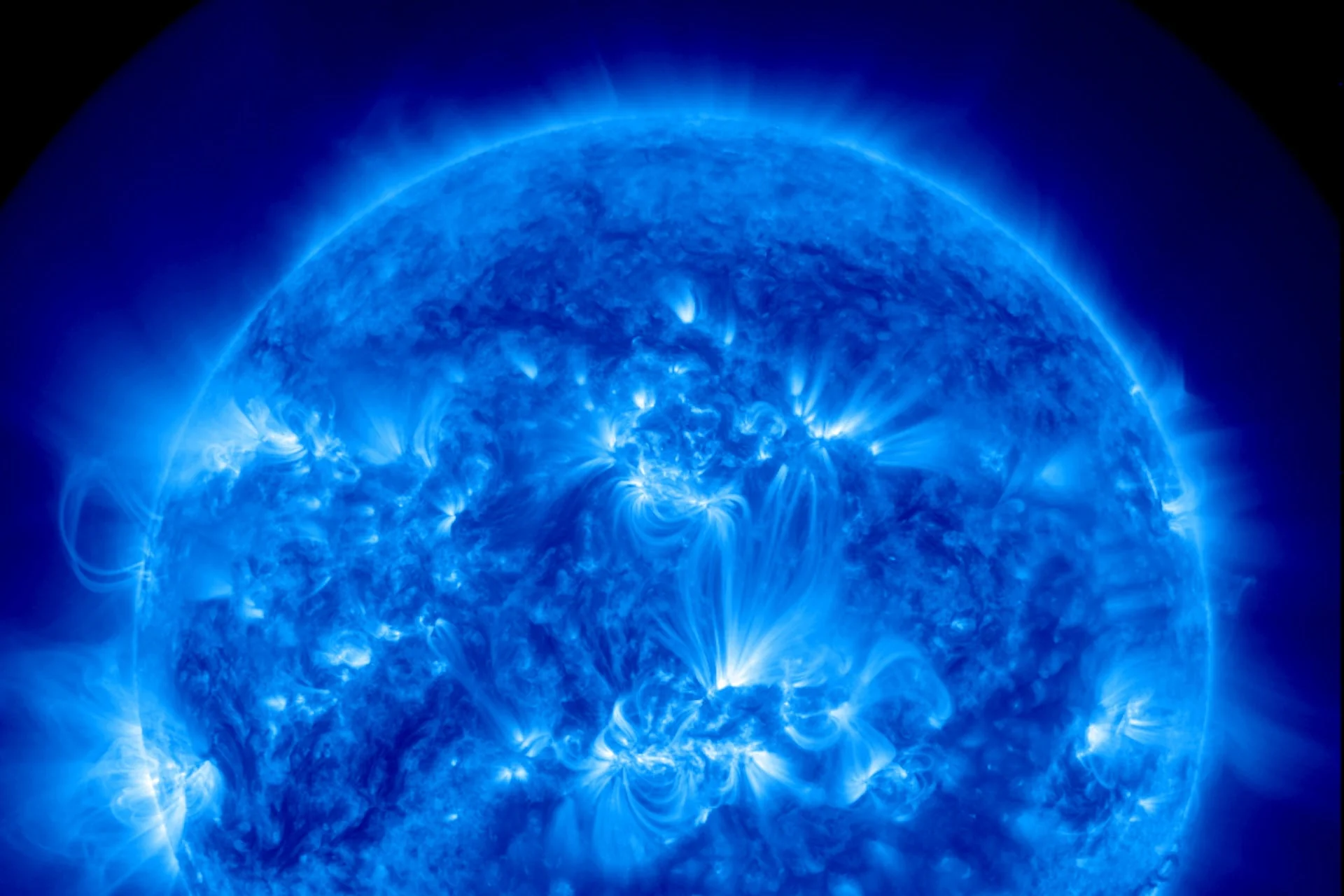
Sun Unleashes Largest Solar Radiation Storm in Over 20 Years
The sun has erupted with the largest solar radiation storm in over two decades, impacting Earth's atmosphere, technology, and auroral displays.

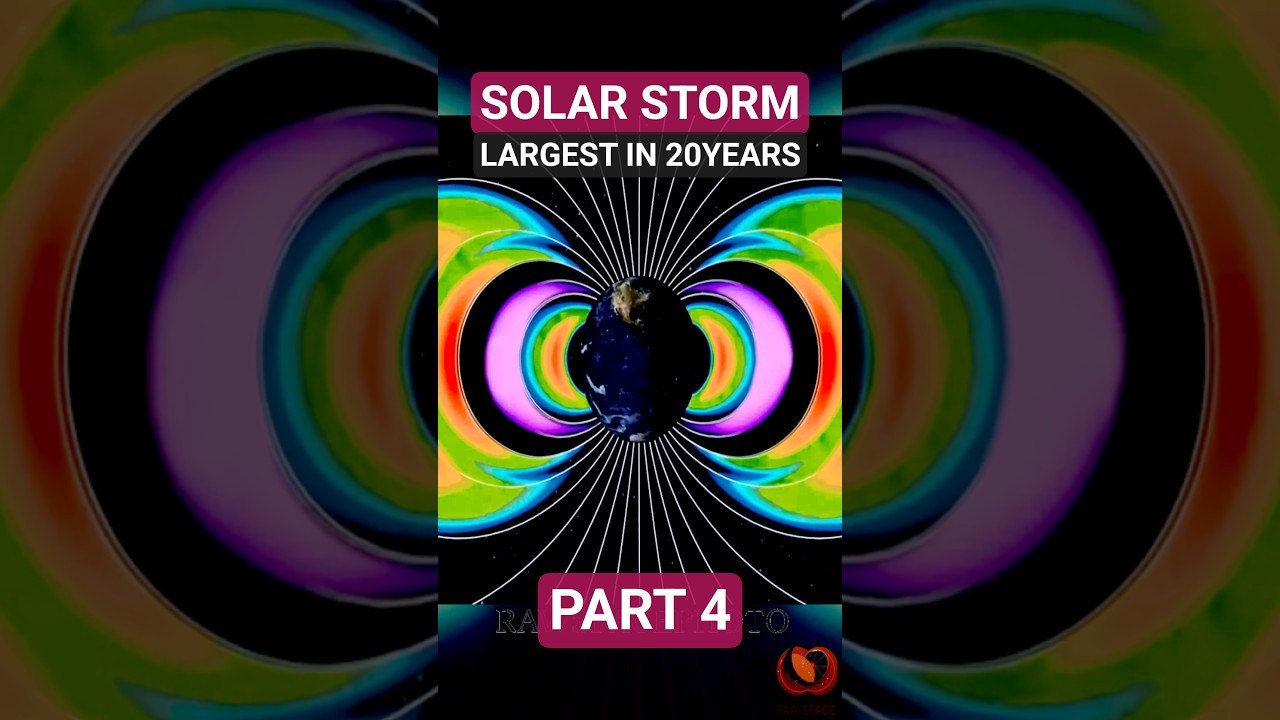
LARGEST SOLAR STORM IN 20YEARS HIT - PART 4/5 ☀️☀️☀️☀️
LARGEST SOLAR STORM IN 20YEARS HIT - PART 5/5 ☀️☀️☀️☀️☀️
LARGEST SOLAR STORM IN 20YEARS HIT - PART 3/5 ☀️☀️☀️
The sun recently unleashed a powerful solar radiation storm, the most intense of its kind in over two decades, according to forecasters. This significant event brought spectacular auroral displays to various parts of the globe and raised concerns about potential impacts on technology and space operations.
Historic Solar Event Rocks Earth
On January 19, 2026, Earth experienced the effects of a severe solar radiation storm, classified as a level four out of five on the severity scale by the National Weather Service’s Space Weather Prediction Center (SWPC). This event has been designated "the largest solar radiation storm in over 20 years," marking a significant milestone in recent solar activity. The last time such severe levels were observed was during the "Halloween space weather storms" of October 2003, which led to power outages in Sweden and transformer damage in South Africa. cnn.com
Impacts on Earth and Space
Solar radiation storms involve the release of intense, rapidly moving charged particles towards Earth. These particles can have a range of effects, from breathtaking aurora borealis and australis displays to more disruptive consequences for technology. Reports from January 19 indicated colorful auroral displays that were visible further south than usual, delighting skywatchers. However, the storm also caused GPS issues for aircraft, highlighting the practical implications of such events. cnn.com
Beyond Earth's atmosphere, the storm poses increased radiation exposure risks for astronauts, particularly those in low-Earth orbit, such as aboard the International Space Station. Passengers on polar flight routes also face elevated radiation levels during these events. The release of proton streams, traveling at nearly the speed of light, arrive at Earth within minutes of a solar flare, distinguishing them from coronal mass ejections (CMEs) which take days to reach our planet. space.com
Radiation Spikes and Aviation Concerns
A precursor to this major event occurred in November 2025, when a rare solar super-flare, classified as an X5.1, caused radiation levels in Earth's atmosphere to spike to a near two-decade high. This flare, originating from the AR4274 sunspot, unleashed a stream of high-speed protons. Researchers deployed stratospheric balloons equipped with sensors to measure the evolving radiation levels. At altitudes frequented by commercial aircraft, around 40,000 feet (12 kilometers), radiation briefly increased tenfold above normal background levels. While the peak of this specific event lasted only about two hours, such surges could pose risks for vulnerable populations, like pregnant women, if exposed for extended periods. space.com
The UK space weather probe, developed by Surrey Space Center, captured the "biggest solar radiation spike in almost 20 years" during this November 2025 event. Their data confirmed a rare "Ground Level Enhancement" (GLE), where solar energetic particles penetrated deep into Earth's atmosphere, with radiation detectable even at ground level. Experts noted that while this event didn't constitute an immediate health concern, larger storms could disrupt aircraft electronic systems. Estimates indicated upwards of 60 "single-event upsets" – bit-flips in computer memory – per hour per gigabyte at the storm's peak. phys.org
The Sun's Active Cycle Continues
This recent surge in solar activity, including the most recent radiation storm and the earlier X5.1 flare, signals an increasingly active period for the sun. The X5.1 flare in November was deemed the most intense solar flare of 2025 at that time, and significantly, it was one of the few X-flares that year to be accompanied by a high-speed proton stream. Another powerful X1.9 flare occurred on November 30, 2025, which briefly impacted radio communications in Australia and parts of Southeast Asia. While the coronal mass ejection associated with this later flare was not expected to directly hit Earth, it prompted a geomagnetic storm watch, with potential minor impacts on technological infrastructure. cbsnews.com
Scientists anticipate more space weather activity as sunspot regions rotate to face Earth. These events are a natural part of the sun's solar cycle, and while events like this usually occur two to three times per cycle, the current heightened activity underscores the importance of continued monitoring and understanding of space weather phenomena.
Looking Ahead: Preparedness is Key
The recent historic solar radiation storm serves as a crucial reminder of the sun's dynamic nature and its potential influence on our planet and technological infrastructure. As the sun continues its active phase, ongoing research and advanced monitoring systems are vital for predicting and mitigating the potential impacts of future space weather events. Preparedness in areas such as aviation, satellite operations, and power grids remains paramount to safeguard against both immediate disruptions and long-term consequences.
Related Articles

Hundreds Honor Alex Pretti in Minneapolis, Fueling National Debate on Federal Force
Hundreds gathered in Minneapolis to honor Alex Pretti, an intensive care nurse shot by federal agents, sparking widespread protests and debate on immigration enforcement practices across the U.S.