Syria Government Declares Ceasefire with Kurdish-Led Syrian Democratic Forces
Syria's government announces comprehensive ceasefire and integration agreement with the SDF, ending two weeks of conflict in northeast Syria.

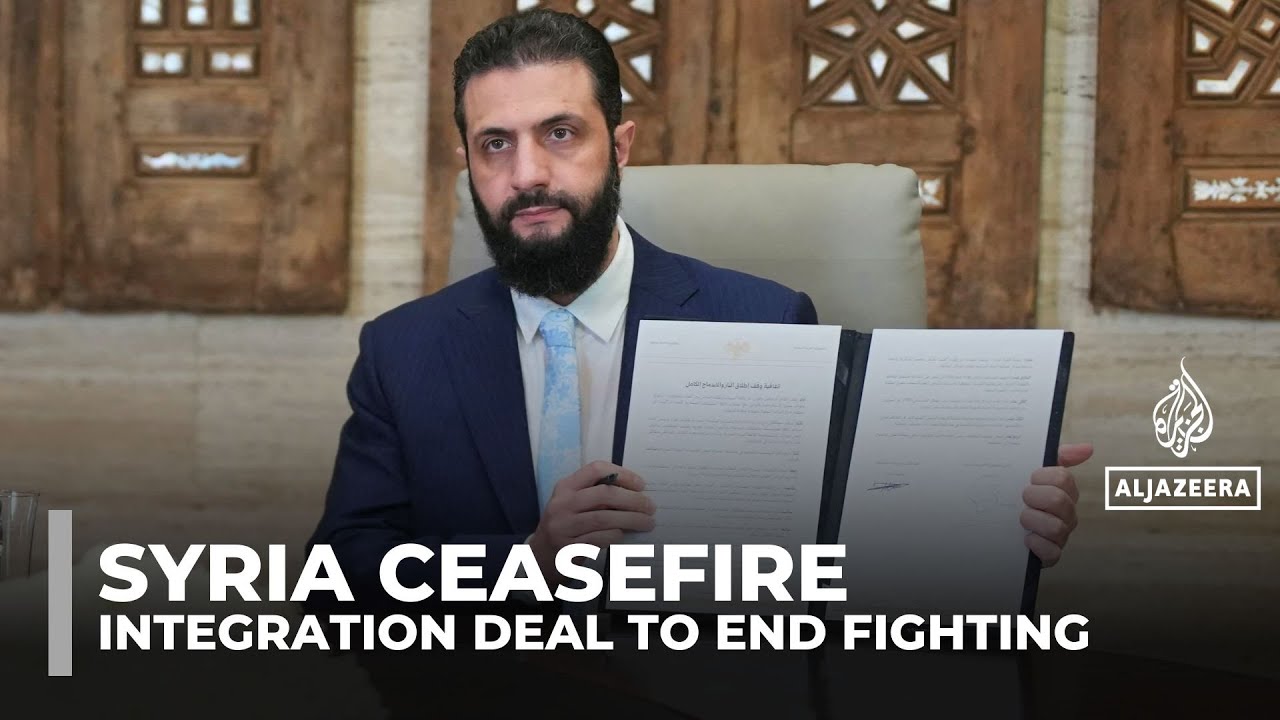
Syria announces ceasefire agreement with Kurd-led SDF after heavy fighting
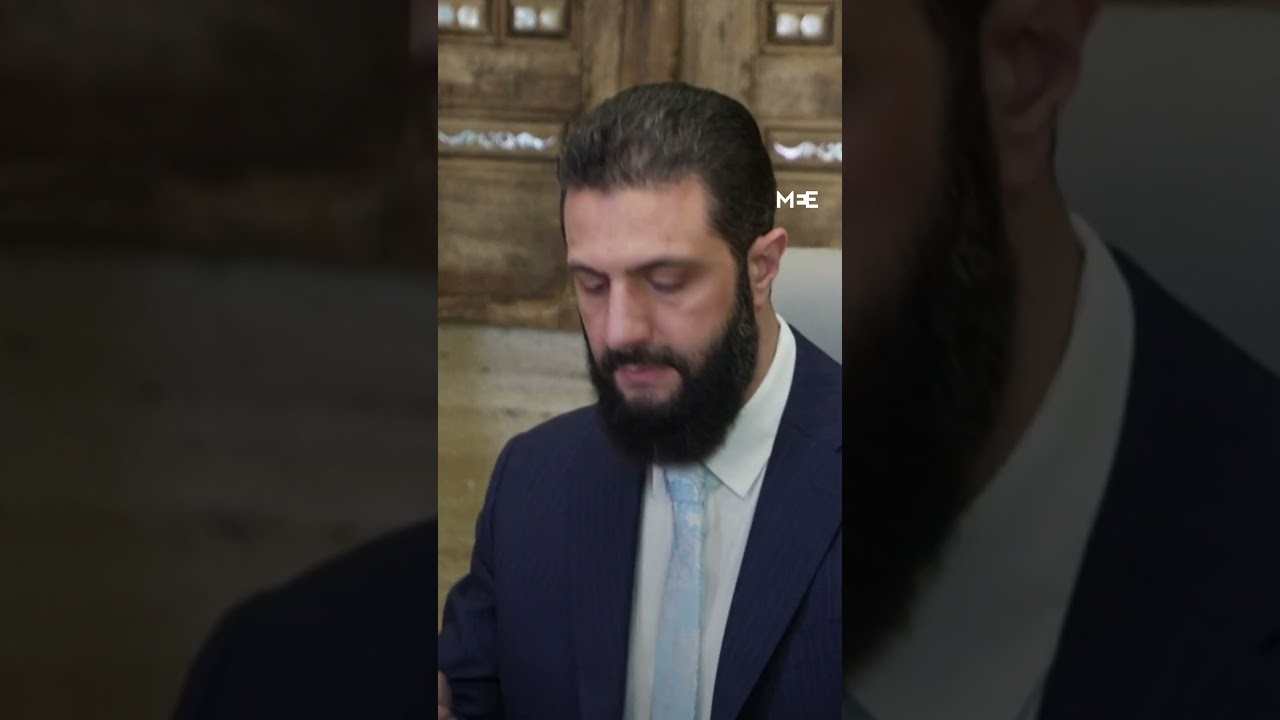
Syria’s president announces ceasefire deal with Kurdish-led forces
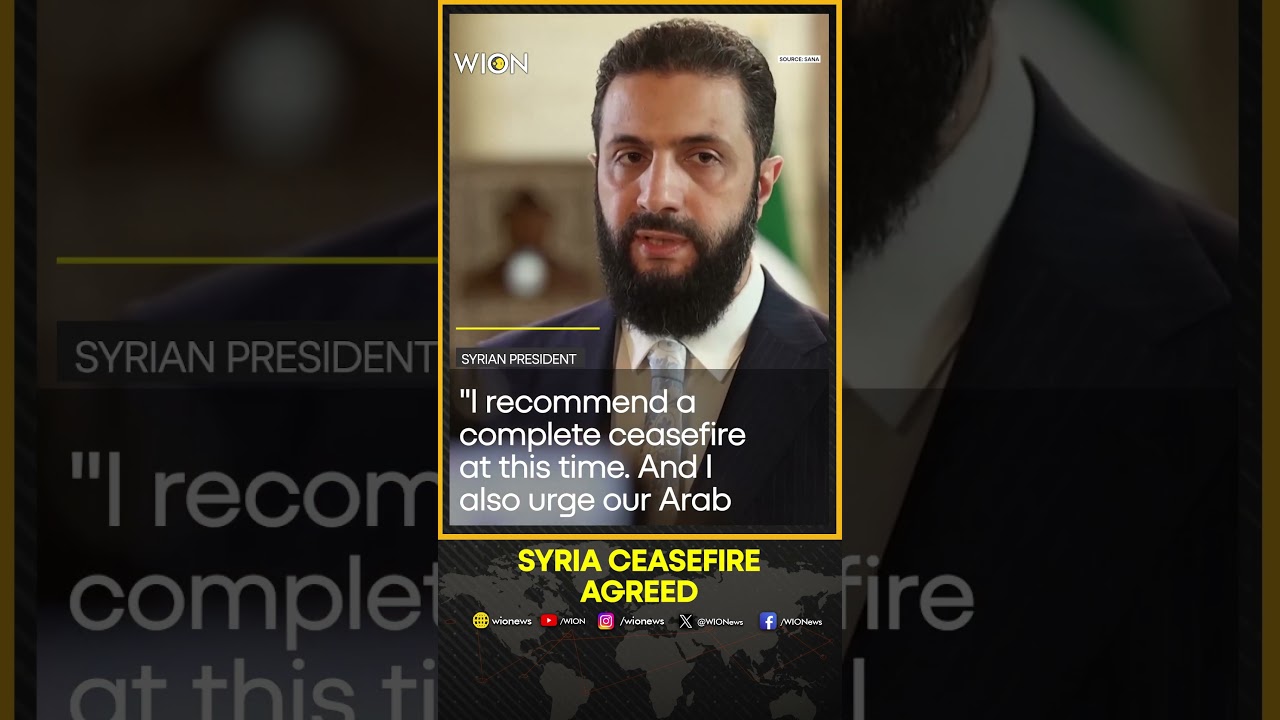
Syria Ceasefire: Syrian Government, US-Backed Kurdish Forces Agree on Immediate Ceasefire
DAMASCUS — The Syrian government has announced an immediate ceasefire with the Kurdish-led Syrian Democratic Forces (SDF) on all fronts after nearly two weeks of deadly fighting. Syrian President Ahmad al-Sharaa announced on Sunday a comprehensive ceasefire and full integration agreement between the Syrian government and the Syrian Democratic Forces, marking a major step toward restoring state authority in the country's northeast.
The landmark deal represents a pivotal moment for Syria's post-Assad reconstruction, uniting two critical U.S.-backed forces under a single command structure. The announcement comes as tensions between government forces and the SDF boiled over earlier this month, eventually resulting in a major push by government forces toward the east.
## A Comprehensive 14-Point Agreement
The SDF will be integrated into Syria's defence and interior ministries as part of a broader 14-point agreement. The deal addresses one of the central challenges facing Syria's transitional government since the December 2024 fall of former President Bashar Assad.
President Ahmed al-Sharaa said on Sunday that the Syrian Army will take control of three eastern and northeastern provinces – Raqqa, Deir Az Zor and Hasakah – from the SDF as part of the deal. The SDF would have to give up the Raqqa and Deir el-Zour provinces — both Arab-majority areas — to the Syrian military and government, as well as its border crossings and oil and gas fields. Hassakah Province, the heartland of the Kurdish population, is only expected to give its civilian administration back to Damascus, while the Kurdish-led agencies that handled prisons and sprawling camps with thousands of detained Islamic State group fighters and families would be handed over to Damascus.
## Rapid Military Advances Precede Agreement
The ceasefire came only after Syrian government forces launched a dramatic military offensive that dramatically shifted the balance of power in northeastern Syria. New clashes broke out and the Syrian military seized Tabqa, continuing into Raqqa province. A senior Syrian government official who spoke on condition of anonymity because he was not authorized to speak publicly said government forces pushed eastward because the SDF despite saying they will withdraw east of the Euphrates by 7 a.m. did not do so.
By Sunday evening, the SDF lost control of large swaths of its territory and infrastructure, including dams and oil and gas fields. Raqqa, an Arab majority city, erupted in celebrations as the news came of its control going into the hands of government forces.
## International Mediation and U.S. Support
The United States played a crucial role in facilitating the agreement. Al-Sharaa's announcement followed a meeting with the United States special envoy to Syria, Tom Barrack, in Damascus. U.S. Special Envoy for Syria and Ambassador to Türkiye Tom Barrack described the agreement as a "pivotal inflection point" and pledged Washington's firm support for its implementation.
Saudi Arabia also thanked the US for the agreement. Washington is believed to have supported brokering the ceasefire between allies SDF and the Syrian government, who they have also backed diplomatically since the fall of long-time dictator Bashar Assad.
## Kurdish Rights and Regional Concerns
Before announcing the ceasefire, the Syrian government made significant concessions to address Kurdish concerns. Al-Sharaa issued a decree making Kurdish an official language in the country, along with Arabic, and adopting the Kurdish new year as a national holiday, a step viewed as an attempt to appease the Kurdish minority.
The agreement also included an affirmation that the Kurdish people are integral to Syria and have a right to citizenship, as well as guaranteed constitutional rights. However, the ceasefire agreement also outlined that the SDF had committed to the removal of all non-Syrian Kurdistan Workers' Party (PKK) leaders and members from the territory to ensure sovereignty and regional stability.
## Implementation Challenges Ahead
Despite the agreement's announcement, implementation remains uncertain. There is no clear timeline on when and how the different elements of the agreement will go into effect. The Syrian military announced Tuesday evening a new four-day ceasefire with Kurdish-led forces after a previous agreement fell through.
A previous agreement in March that included the integration of SDF forces into the Syrian military was not implemented, and fighting has periodically broken out between the two sides in recent months, increasing in ferocity this month. The latest tensions underscore the fragility of the ceasefire and the complexity of fully integrating the two forces.
## Path Toward Syrian Reunification
"It's a victory for all Syrians of all backgrounds," al-Sharaa told journalists in Damascus after signing the agreement. "Hopefully Syria will end its state of division and moves to a state of unity and progress." The ceasefire represents a critical step toward Syria's post-war reconstruction, though significant challenges remain in fully implementing the agreement and maintaining stability across the newly unified territory.
Related Articles
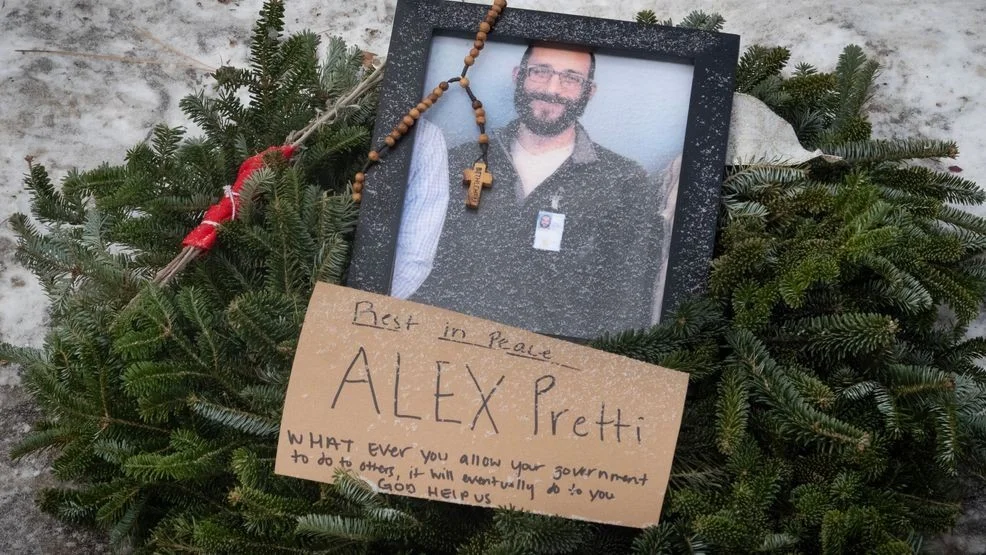
Hundreds Honor Alex Pretti in Minneapolis, Fueling National Debate on Federal Force
Hundreds gathered in Minneapolis to honor Alex Pretti, an intensive care nurse shot by federal agents, sparking widespread protests and debate on immigration enforcement practices across the U.S.