Trump Expresses Optimism as Ukraine-Russia Peace Talks Gear Up in Abu Dhabi
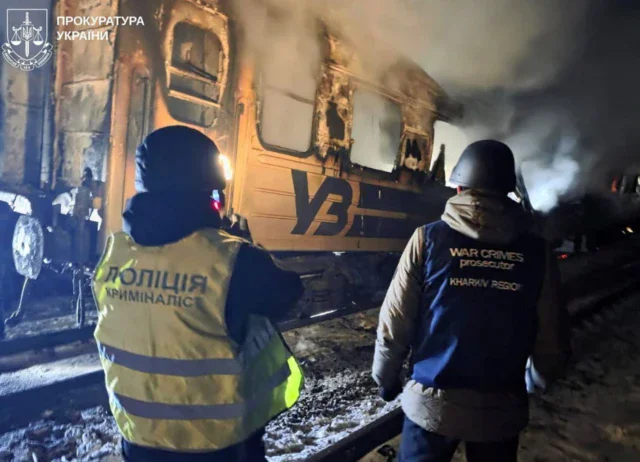
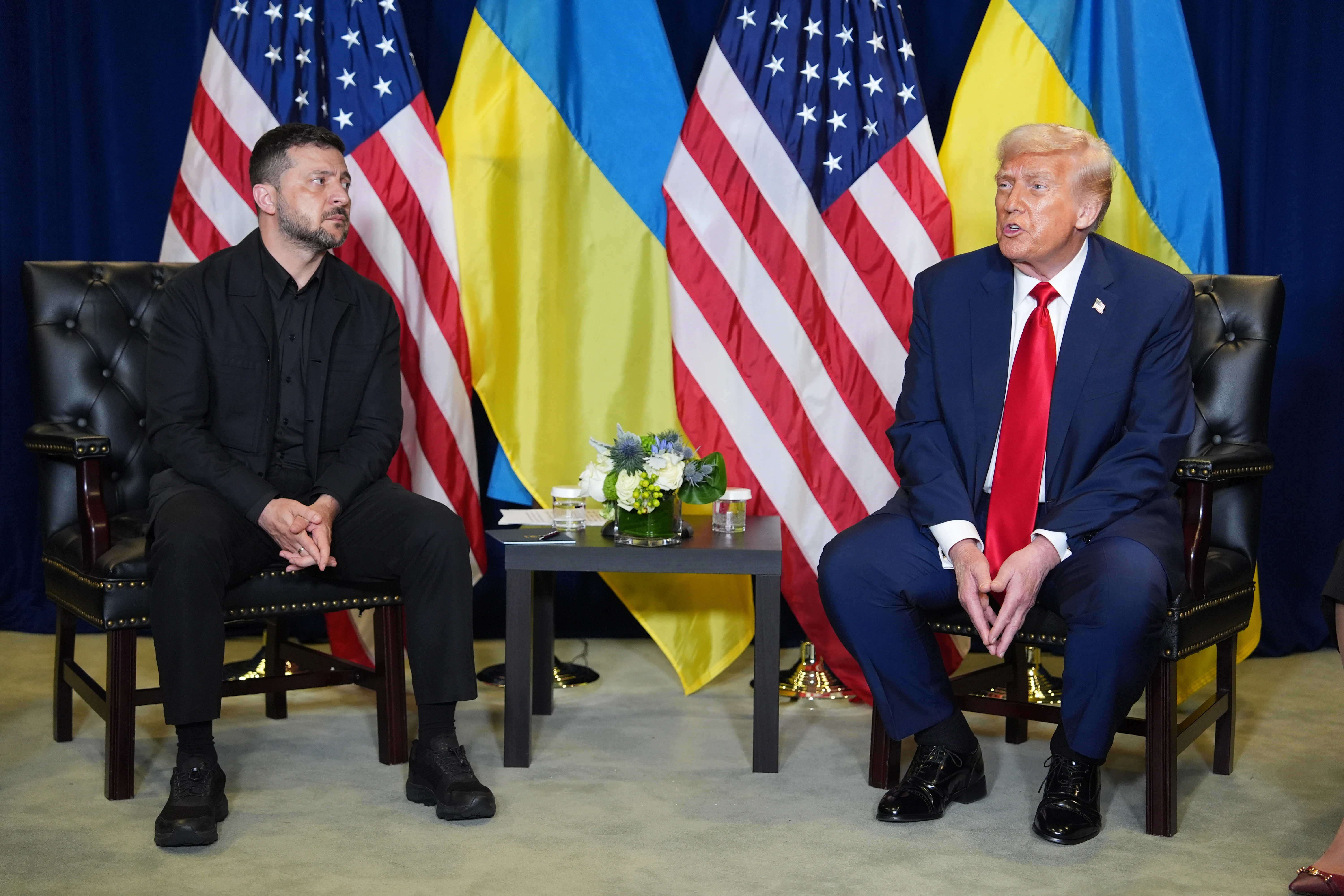
US President Donald Trump states "very good things happening" as US-brokered peace talks between Ukraine and Russia are set to continue, while Russia intensifies its recruitment efforts.

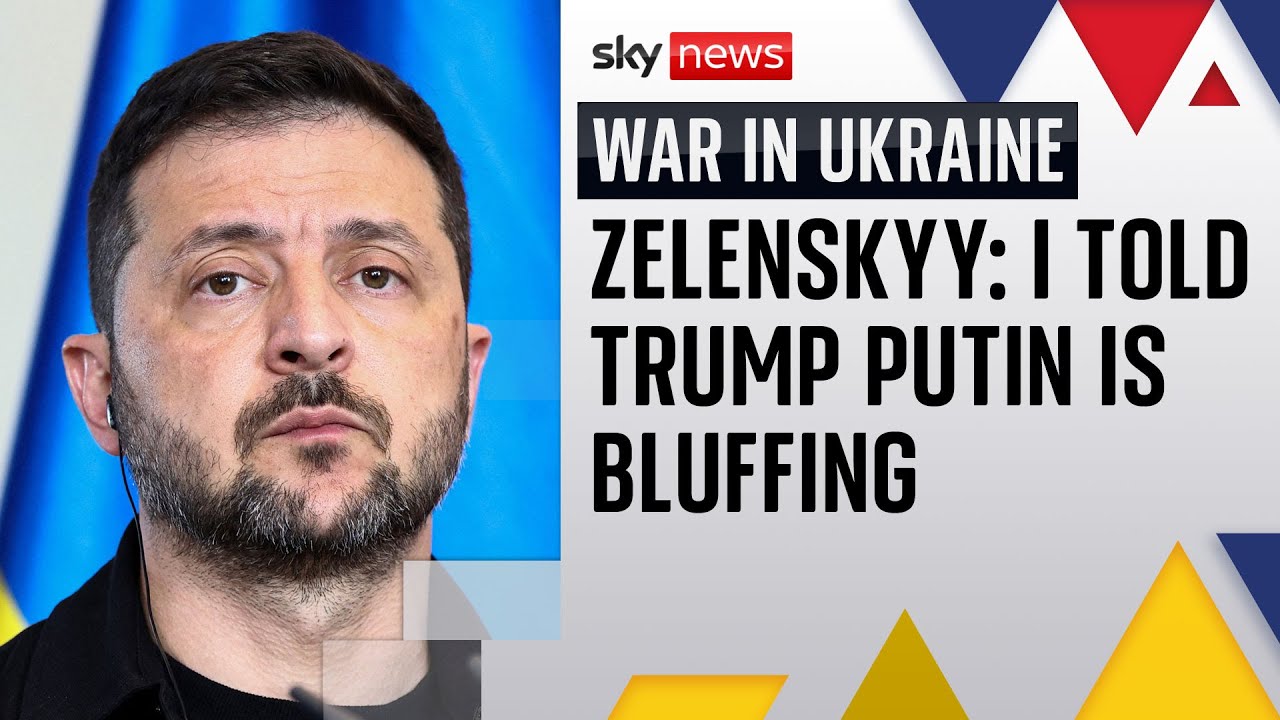
Zelenskyy tells Trump that Putin's 'bluffing' ahead of peace talks | War in Ukraine
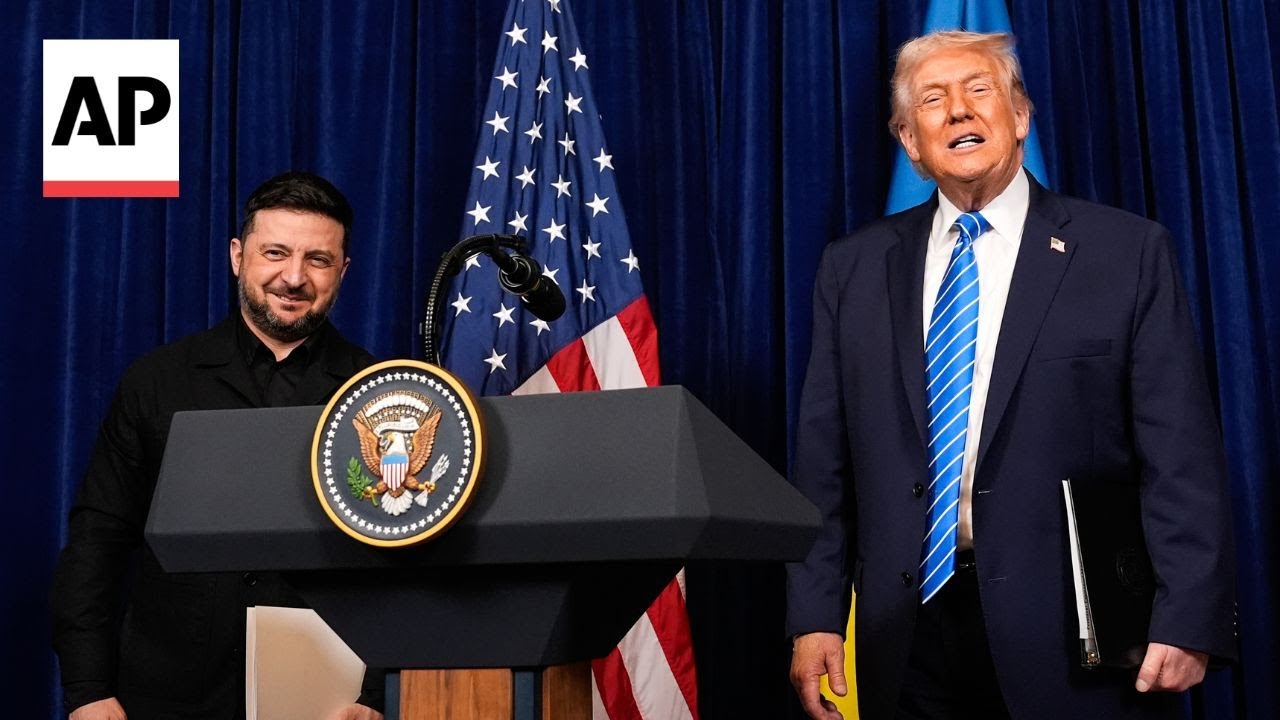
Trump says Ukraine and Russia 'closer than ever' to peace after talks with Zelenskyy
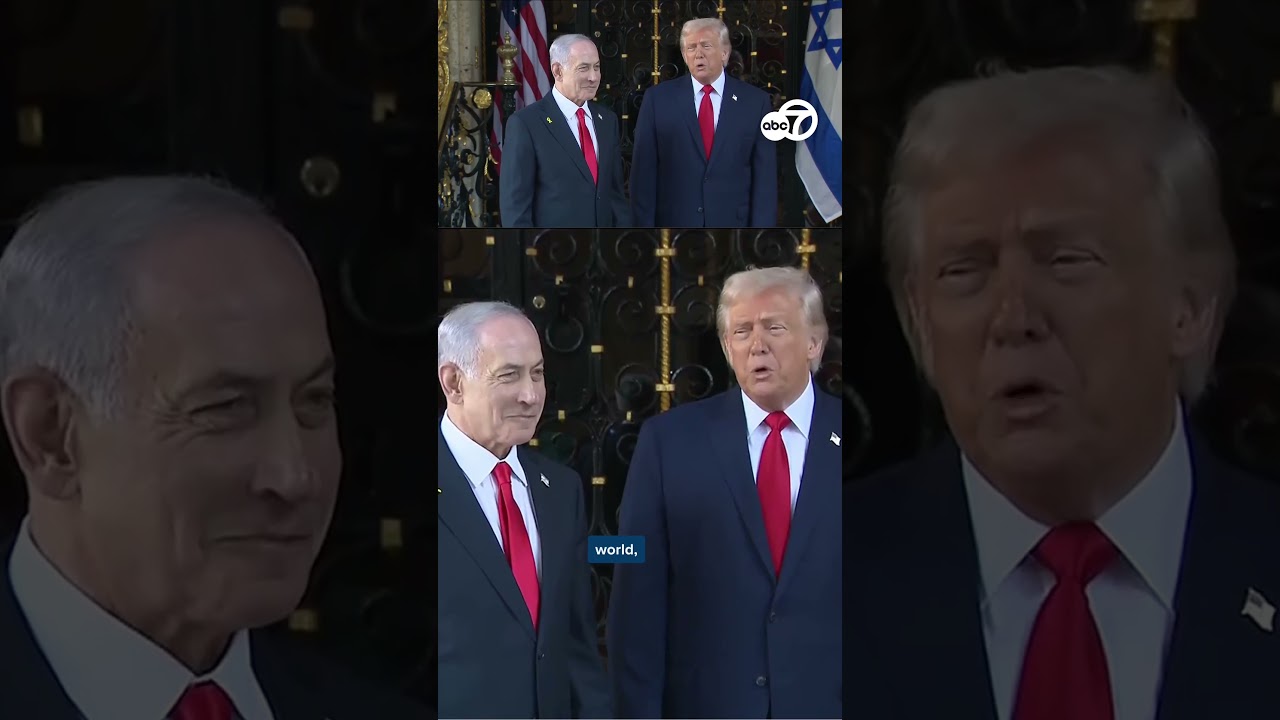
President Donald Trump answers questions about peace talks between Ukraine, Russia
Amidst ongoing conflict and shifting geopolitical landscapes, US President Donald Trump has expressed optimism regarding efforts to resolve the protracted war between Ukraine and Russia. His comments come ahead of crucial US-brokered peace talks scheduled to resume this Sunday in Abu Dhabi, a development that follows what Ukrainian President Volodymyr Zelensky described as "constructive" trilateral discussions held over the weekend.
"Very Good Things Happening" Foreshadow Peace Talks
On Tuesday, President Trump informed reporters that he saw "very good things" unfolding concerning Ukraine and Russia. This statement injects a renewed sense of anticipation into the upcoming dialogues. These talks, involving Ukrainian and Russian negotiators, with potential participation from US officials, represent a significant diplomatic push to de-escalate the nearly four-year conflict. US officials, including envoys Steve Witkoff and Jared Kushner, reportedly emerged from earlier discussions feeling optimistic about the prospect of an agreement in the near future The Independent.
The urgency of these negotiations is underscored by reports indicating that the US has informed Ukraine of a prerequisite for receiving American security guarantees: signing a peace deal with Russia. This aligns with President Zelensky's earlier assertion that a US document on security guarantees was "100% ready," with Kyiv awaiting the appropriate time and place for its signing. NATO Secretary General Mark Rutte has also affirmed the ongoing nature of these US-led talks, stressing that the ultimate goal remains a peace deal or a long-lasting ceasefire.
Russia's Desperate Recruitment Drive Amidst Attrition
While diplomatic channels are explored, Russia continues its intensive efforts to bolster its military ranks, resorting to what has been described as a "desperate recruitment drive." This strategy aims to replenish forces without the politically unpopular measure of a nationwide mobilization. The incentives are varied: substantial remuneration for average Russian wage earners, the promise of freedom for prisoners escaping harsh conditions, and a simplified path to citizenship for immigrants seeking a better life. All these hinge on individuals signing a contract to fight in Ukraine.
The conflict has also drawn foreign combatants. Reports suggest that following a mutual defense treaty in 2024, North Korea allegedly deployed thousands of soldiers to aid Russia in defending its Kursk region against Ukrainian incursions The Independent. Separately, authorities in the Philippines are investigating claims that one of their nationals died fighting for Russia on the front lines in the Donetsk region, highlighting the global implications of this ongoing conflict.
The Donbas Dilemma: Path to Peace or Strong-Arm Tactic?
A key point of contention in any potential peace agreement revolves around the Donbas region. President Vladimir Putin's special envoy, Kirill Dmitriev, explicitly stated on X/Twitter that "Donbas withdrawal is the path to peace for Ukraine." Russia currently controls 90 percent of the region, and Putin has maintained that Ukraine must surrender the remaining territory or face its seizure by force.
Reports from the Financial Times suggest that US officials are more inclined to support Kyiv if the Donbas region is ceded to Russia. This move, which some Ukrainian and European officials view as an attempt to strong-arm Ukraine into relinquishing the territory, has been accompanied by offers of increased weapons for Ukraine in peacetime if such an agreement were reached. This complex dynamic underscores the difficult choices facing Ukrainian leadership as peace negotiations progress.
Slovakia Challenges EU Ban on Russian Gas
Further complicating the geopolitical landscape is Slovakia's decision to file a lawsuit against the European Union's recently approved ban on Russian gas imports. The EU’s policy, which aims for a complete ban by late 2027, met with opposition from both Slovakia and Hungary, with Russian gas constituting 90 percent of Hungary’s imports in the sector. Slovakian Prime Minister Robert Fico reportedly confirmed the news of the lawsuit, as detailed by news website Dennik N.
This challenge highlights internal divisions within the EU regarding energy policy and sanctions against Russia, even as the bloc seeks to present a united front in its response to the conflict in Ukraine.
Hungary Accuses Ukraine of Election Meddling
Adding another layer of political tension, Hungarian Prime Minister Viktor Orban has accused Ukraine of attempting to interfere in a Hungarian parliamentary election scheduled for April 12. Orban asserted that he would summon Ukraine's ambassador over these claims, intensifying his anti-Ukraine rhetoric in the lead-up to the vote. He has sought to link Hungarian opposition leader Peter Magyar with Kyiv and the EU executive in Brussels, framing the upcoming election as a choice between "war and peace" for rural voters.
Orban, known for his close ties with Moscow, has consistently refused to support EU aid for Ukraine and has launched a "national petition" to garner public support against funding the war. He cited "grossly insulting and threatening statements against Hungary" from Ukrainian leaders and even their president as evidence of a "coordinated attempt to interfere in Hungarian elections," according to national security services.
Related Articles
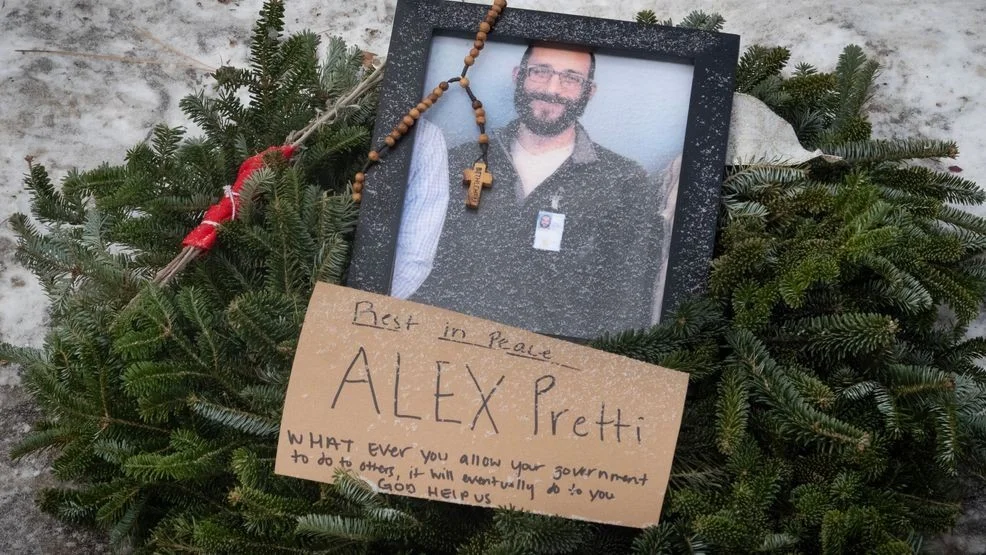
Hundreds Honor Alex Pretti in Minneapolis, Fueling National Debate on Federal Force
Hundreds gathered in Minneapolis to honor Alex Pretti, an intensive care nurse shot by federal agents, sparking widespread protests and debate on immigration enforcement practices across the U.S.