United States Finalizes WHO Withdrawal, Sparking Global Health Alarm
The U.S. has completed its official withdrawal from the World Health Organization, raising concerns about future pandemic responses and international collaboration.

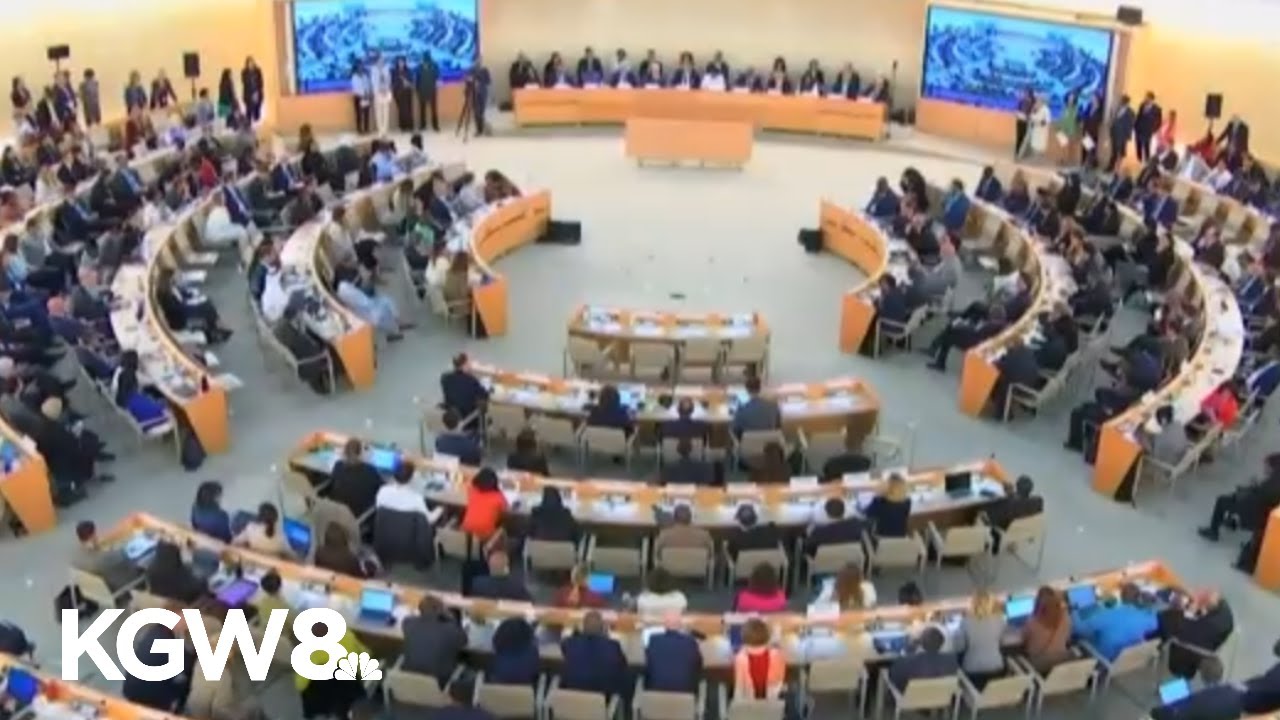
US withdraws from World Health Organization

Simone Biles Withdrawal Puts Athletes’ Mental Health in Spotlight
Trump begins troop withdrawal from Syria
New York, NY – The United States has officially completed its withdrawal from the World Health Organization (WHO), a move finalized one year after President Donald Trump initially announced America's departure from the 78-year-old global health body. Federal officials confirmed Thursday that the severance of ties, initiated by the Trump administration, is now complete, though the implications for global health and U.S. interests are far from resolved, according to multiple experts and unresolved financial obligations.
"Ruinous Decision" and Unresolved Issues
The U.S. withdrawal has been met with strong criticism from public health experts. Lawrence Gostin, a public health law expert at Georgetown University, described the decision as "the most ruinous presidential decision in my lifetime," emphasizing the potential damage to global health responses. The move is particularly complex, as the U.S. still owes more than $130 million to the WHO, an amount encompassing unpaid dues for 2024 and 2025. Trump administration officials acknowledged that several issues remain unaddressed, notably the loss of access to critical data from other countries that could provide early warnings of new pandemics. This raises significant questions about how the U.S. will acquire vital disease intelligence moving forward, given its past reliance on WHO-facilitated data sharing Lock Haven Express.
Impact on Global Health Initiatives and U.S. Preparedness
The WHO, established as the United Nations’ specialized health agency, is tasked with coordinating responses to global health threats, distributing essential medical supplies, and setting guidelines for a vast array of health conditions. With nearly every nation as a member, its role is pivotal. Experts contend that the U.S. exit will severely hobble global health initiatives, including efforts to eradicate polio, maternal and child health programs, and vital research into emerging viral threats. Dr. Ronald Nahass, president of the Infectious Diseases Society of America, characterized the withdrawal as "shortsighted and misguided" and "scientifically reckless." The official ceasing of U.S. participation in WHO committees, leadership bodies, and technical working groups means the nation will no longer contribute to crucial decisions, such as those related to updating flu shots based on circulating strains. This departure from global flu information-sharing could leave Americans at a disadvantage, potentially slowing access to new vaccines and medicines needed during outbreaks, Gostin notes in the source content.
Trump Administration's Rationale and Criticisms of WHO
President Trump cited the WHO's handling of the COVID-19 pandemic and other global health crises as the primary reason for the withdrawal in an executive order issued upon taking office. He also highlighted the agency's "failure to adopt urgently needed reforms" and its "inability to demonstrate independence from the inappropriate political influence of WHO member states." The administration pointed to specific errors made by the WHO during the pandemic, including early advice against mask-wearing and a delayed reversal on its stance regarding airborne transmission of COVID-19, which officially changed in 2024. Another point of contention for the Trump administration was the fact that none of the nine WHO chief executives since its 1948 inception have been American, despite the significant financial contributions and personnel provided by the U.S. Lock Haven Express.
Challenges to Independent Information Sharing
While U.S. officials maintain they possess established public health relationships with many countries and plan to pursue direct information sharing outside of the WHO, specifics about the extent of these arrangements were not provided. Gostin, an expert in international public health treaties, expressed skepticism about the feasibility of such a unilateral approach. He suggested that securing agreements with more than a couple dozen countries would be difficult, particularly with nations like China, where many viruses are first identified. "Is China going to sign a contract with the United States?" Gostin questioned, also raising doubts about cooperation from African nations or countries impacted by U.S. tariffs. Such claims, he posited, were "almost laughable."
Financial Obligations and Legal Contentions
The financial implications of the withdrawal remain contentious. The U.S. is legally required to provide one year's advance notice of withdrawal, which it did, but also to settle any outstanding financial obligations. According to the WHO, the U.S. has not paid its dues for 2024 and 2025, resulting in a balance of over $133 million. However, an administration official on Thursday denied this requirement, asserting that the U.S. had no obligation to pay prior to its withdrawal as a member. Beyond the financial disputes, Gostin also raised legal questions regarding the authority of the President to unilaterally withdraw the U.S. from the WHO, arguing that since the U.S. joined through an act of Congress, a corresponding act of Congress should be required for its departure Lock Haven Express.
Related Articles
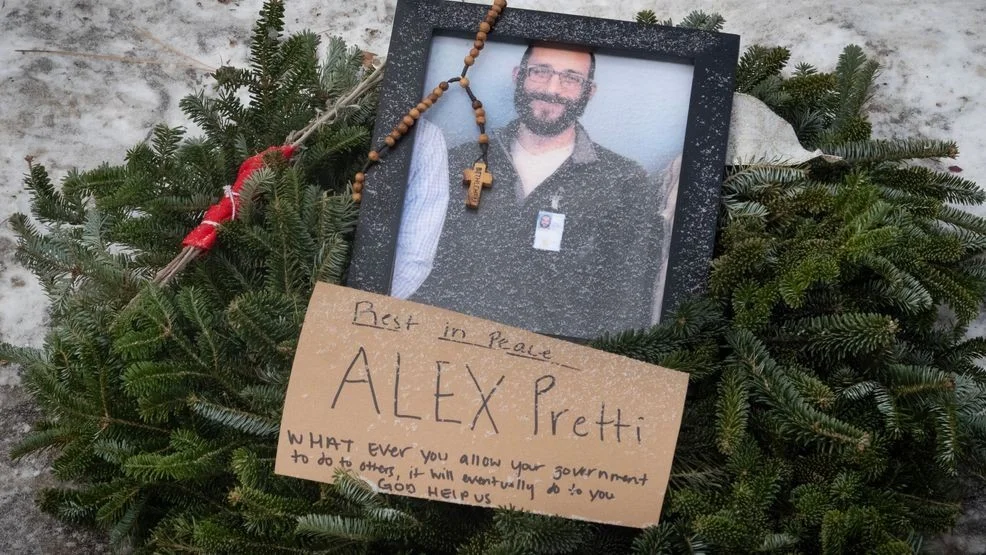
Hundreds Honor Alex Pretti in Minneapolis, Fueling National Debate on Federal Force
Hundreds gathered in Minneapolis to honor Alex Pretti, an intensive care nurse shot by federal agents, sparking widespread protests and debate on immigration enforcement practices across the U.S.