World Cup 2026: Controversies, Economics, and Record Ticket Demand Drive Pre-Tournament Buzz
As the 2026 World Cup approaches, FIFA faces scrutiny over ticket pricing and AFCON disputes, while anticipating significant economic impact.

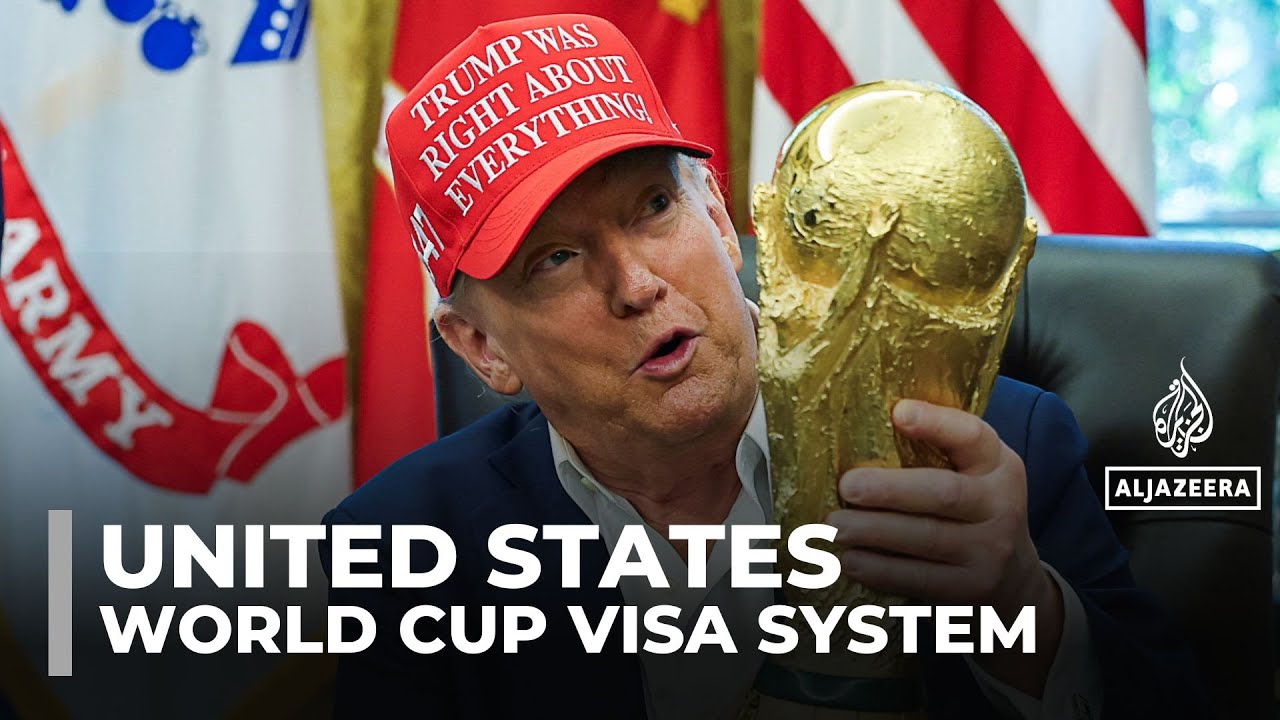
Trump unveils ‘FIFA Pass’ for priority visas to 2026 World Cup ticket holders
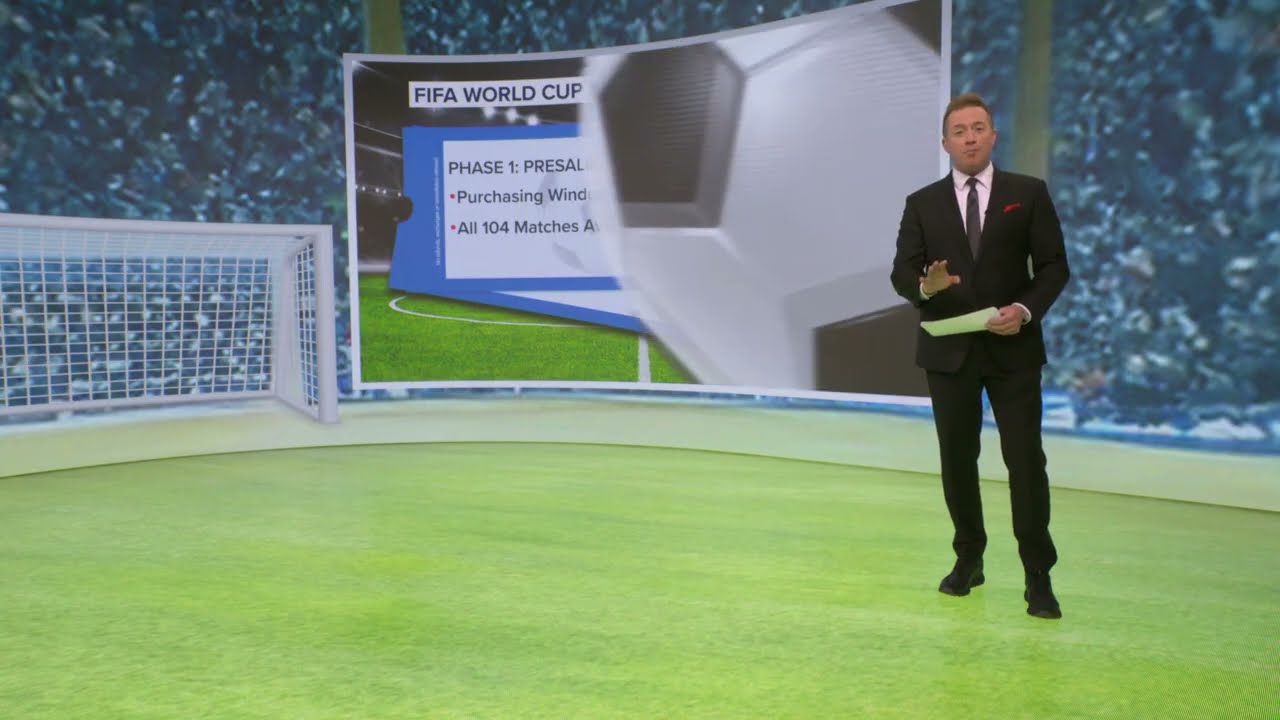
What to know about buying 2026 FIFA World Cup tickets
How to buy tickets for 2026 World Cup! | FIFA releases U.S. ticket prices & schedule | Scoreline
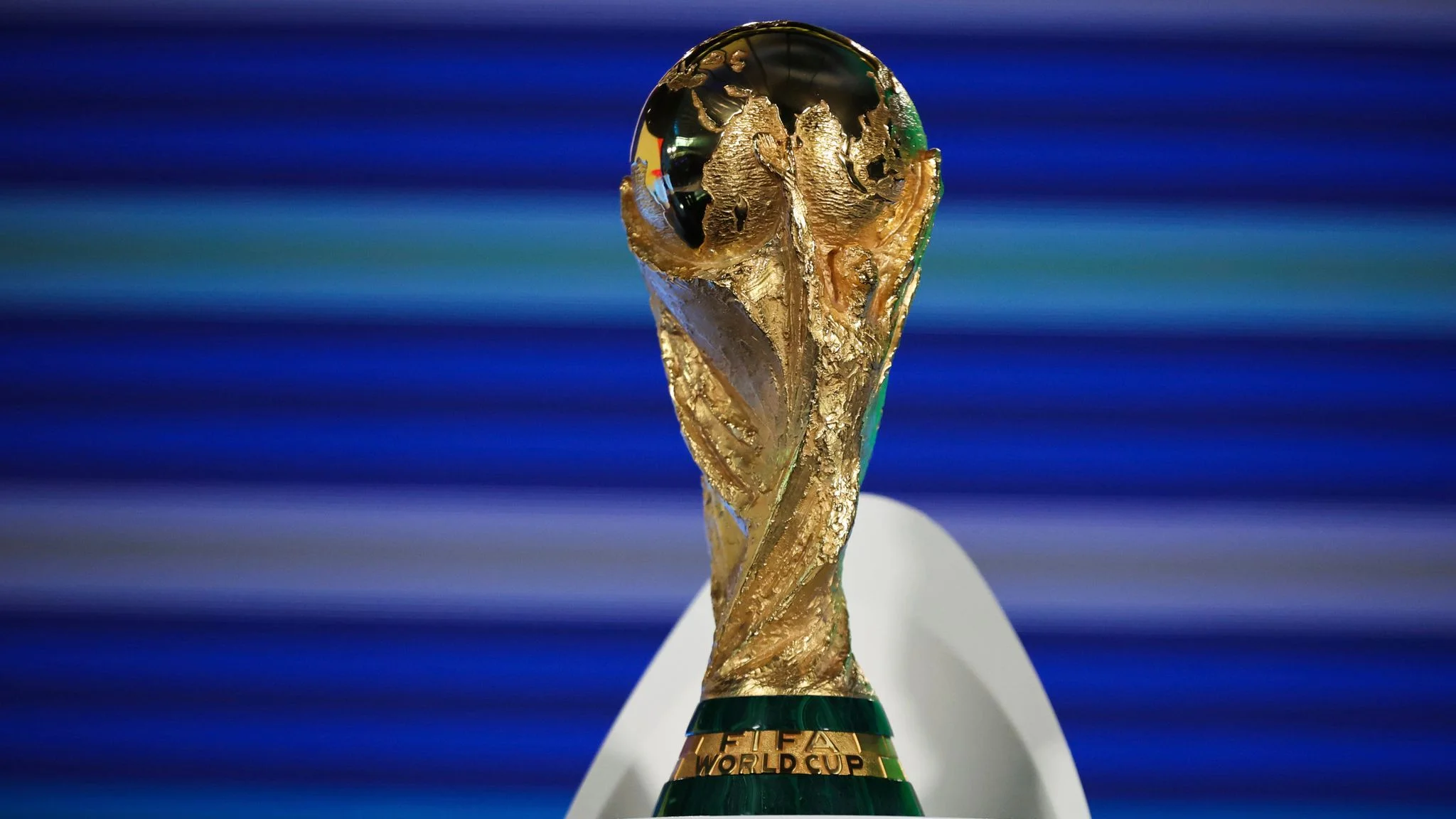
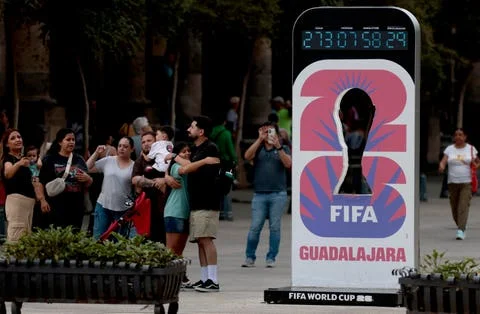
Preparations for the 2026 FIFA World Cup, jointly hosted by Mexico, Canada, and the United States, are already generating significant discussion, from contentious claims about hosting rights to the economics of ticket sales. With the tournament still some months away, the football world is buzzing with updates on upcoming qualifiers, venue debates, and the ever-present scrutiny of FIFA's operational decisions.
AFCON Aftermath and 2030 World Cup Hosting Debate
Amidst the build-up to 2026, an unexpected issue has arisen concerning the recent 2025 Africa Cup of Nations (AFCON) final. The Spanish Football Federation (RFEF) president, Rafael Louzan, has openly criticized scenes from the AFCON final, labeling them as having "damaged world football." This statement comes shortly after an incident where Senegal's players temporarily walked off the pitch following a disputed penalty awarded to Morocco, leading to further disruption with fighting in the stands. FIFA President Gianni Infantino also echoed concerns, calling for action after the "ugly scenes" witnessed in Rabat, Morocco. Interestingly, Morocco is a co-host with Spain (and Portugal) for the 2030 World Cup.
Drawing on this perception of organizational shortcomings, Louzan has asserted Spain's suitability to host the 2030 World Cup final, claiming the nation has "proven its organisational capacity" and that the final "will be held here," despite FIFA not yet officially announcing a venue. This indicates an early and potentially intense competition among co-hosts for the prestigious final match.
FIFA's Ticket Pricing Under Fire
A major point of contention surrounding the 2026 World Cup has been FIFA's ticketing strategy, particularly its "dynamic" pricing system. This system, which adjusts prices based on demand, has ignited debate among fans and critics alike, with some questioning if it amounts to a "cash grab" due to the potential for highly sought-after matches to cost thousands of dollars. The New York Times highlights that FIFA and President Gianni Infantino have faced considerable "hammering" for these elevated prices.
However, Infantino has used the unprecedented demand for tickets as a justification for the pricing model. He announced that FIFA received over 500 million ticket requests—an application for one to four seats per request—during the single-month sales window. Speaking at the World Economic Forum in Davos, Infantino stated, "We were hammered — I was hammered, I should say — because of the ticket prices, because they are so expensive." He further noted that despite the criticism, "number one in ticket requests is U.S., number two Germany and number three England. Because everyone wants to come and to participate." Some critics, however, argue that this overwhelming demand reflects the competition's prestige rather than an endorsement of FIFA's pricing or Infantino's policies.
Infantino Champions World Cup's Economic Impact
Beyond the immediate controversies, FIFA President Gianni Infantino has consistently emphasized the significant economic benefits projected for the host nations of the 2026 World Cup. During his appearance at the World Economic Forum in Davos, Infantino outlined ambitious economic forecasts. He claimed that the tournament could inject an estimated $80.1 billion globally across the U.S., Canada, and Mexico. Furthermore, he suggested it could contribute up to $40.9 billion to the Gross Domestic Product (GDP) of these nations and create as many as 824,000 jobs. These figures underscore FIFA's narrative that the World Cup is not just a sporting spectacle but a powerful engine for economic growth.
A Busy Schedule for FIFA's President
Gianni Infantino's active role extends beyond economic forums and defending ticket policies. His presence is a constant fixture at major football events globally. The New York Times reported on his recent trip to Brazil, where he participated in the official launch of the country’s branding for the 2027 Women’s World Cup. This marked a significant moment as Brazil is set to become the first South American nation to host the Women’s World Cup. The event also saw the attendance of head coach Carlo Ancelotti, whose national men's team faces pressure to deliver a sixth World Cup title this summer, with group matches against Morocco, Haiti, and Scotland.
As the 2026 World Cup draws closer, the ongoing debates surrounding tournament logistics, financial strategies, and the broader impact of global football continue to demand attention. With March qualifiers approaching, the next few months promise further developments in the lead-up to what is anticipated to be the largest World Cup tournament to date. Football fans and stakeholders alike will be closely watching as FIFA navigates these complex issues.
Related Articles
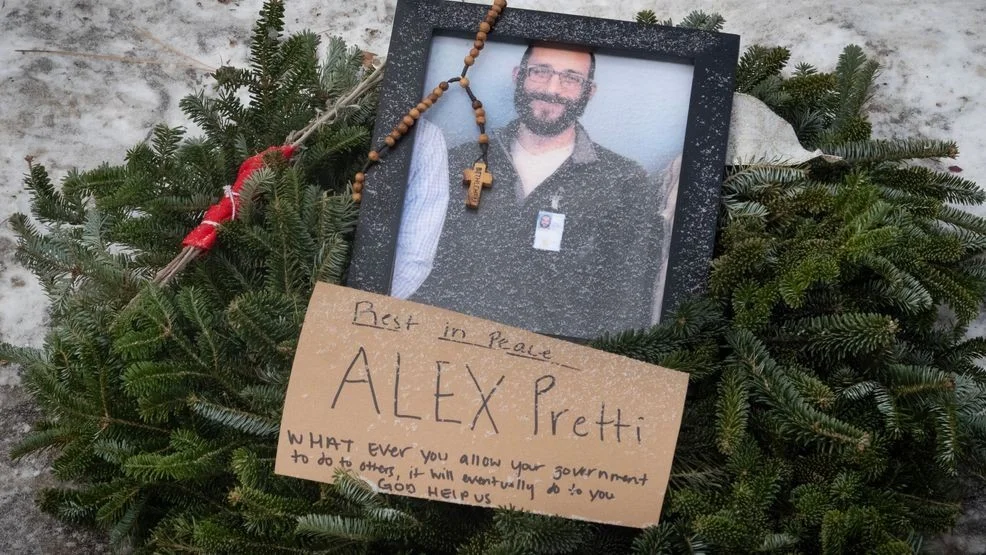
Hundreds Honor Alex Pretti in Minneapolis, Fueling National Debate on Federal Force
Hundreds gathered in Minneapolis to honor Alex Pretti, an intensive care nurse shot by federal agents, sparking widespread protests and debate on immigration enforcement practices across the U.S.