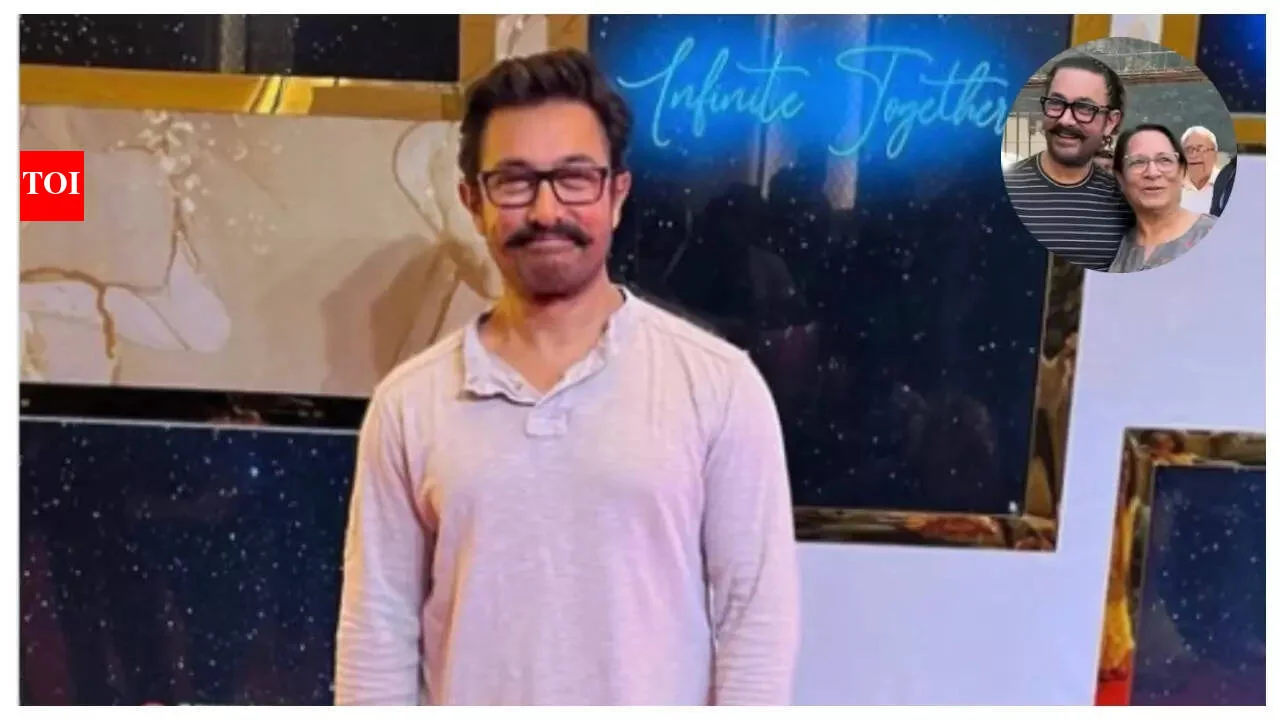
In a moment that quickly captivated social media and garnered widespread admiration, veteran actor Aamir Khan recently demonstrated a profound gesture of humility and respect at the inaugural ceremony of the Red Lorry Film Festival in Mumbai. Invited to participate in the traditional lighting of the ceremonial lamp, a customary ritual marking the commencement of such events, Khan, dressed in a casual aesthetic of a checked shirt, jeans, and boots, paused before stepping forward. The actor deliberately untied and removed his boots, a thoughtful act that resonated deeply with attendees and online viewers alike. This simple yet powerful action underscored his connection to traditional Indian customs, earning him effusive praise and 'heart' emoticons across various digital platforms, solidifying his image as an actor deeply rooted in cultural values and personal humility. The incident has been widely reported, with The Times of India highlighting the immediate and overwhelmingly positive online response to his respectful conduct.
Background and Context of Traditional Observances in Indian Events
The act of lighting a ceremonial lamp, or 'diya', holds significant cultural and spiritual meaning in India, especially at the inauguration of auspicious events, festivals, and gatherings. It symbolizes the triumph of light over darkness, knowledge over ignorance, and the beginning of prosperity. Participants are often encouraged to approach this ritual with reverence, and traditionally, removing one's footwear before entering a sacred space or performing a sacred act is a deeply ingrained custom, signifying respect and purity. This practice is not solely confined to religious ceremonies but extends to cultural events and even homes, where removing shoes is a mark of honor for the space and the activity being undertaken. For a public figure like Aamir Khan, known for his thoughtful performances and often reflective public persona, demonstrating this adherence to tradition publicly reinforces his image as someone attuned to India's cultural ethos. His gesture resonated not just as a polite act, but as an acknowledgment of the sanctity of the ritual itself, connecting him more deeply with an audience that values these ancient customs. This is particularly relevant in the entertainment industry, where such public displays can often set a precedent for respectful conduct in a modern context, bridging the gap between contemporary stardom and timeless traditions.
Key Developments at the Red Lorry Film Festival
The Red Lorry Film Festival event became a talking point not just for the cinematic showcase but also for Aamir Khan's exemplary conduct. The viral clip of him untying his boots before lighting the ceremonial lamp quickly circulated, drawing widespread appreciation. As reported by The Times of India, fans flooded comment sections with 'heart emoticons' and messages praising his humility. This seemingly small act highlighted a deeper connection to tradition, a theme that Aamir Khan himself elaborated on during his address at the festival. He shared a fascinating anecdote from the filming of his iconic movie 'Lagaan', revealing an unconventional but impactful pre-shoot ritual. Khan recounted how, for six months, the cast would begin their day by listening to the Gayatri Mantra while traveling to the shoot location. Despite some cast members preferring English songs, Khan insisted on the traditional chant, believing it fostered a "meditative state of mind." He emphasized the importance of mental preparation before work, especially when traveling in darkness before dawn, underscoring how the mantra contributed to their focus and collective energy. This insight into his approach to filmmaking further illuminated his appreciation for methods that cultivate mental discipline and a harmonious environment, aligning with the respectful demeanor he displayed at the festival's inauguration.
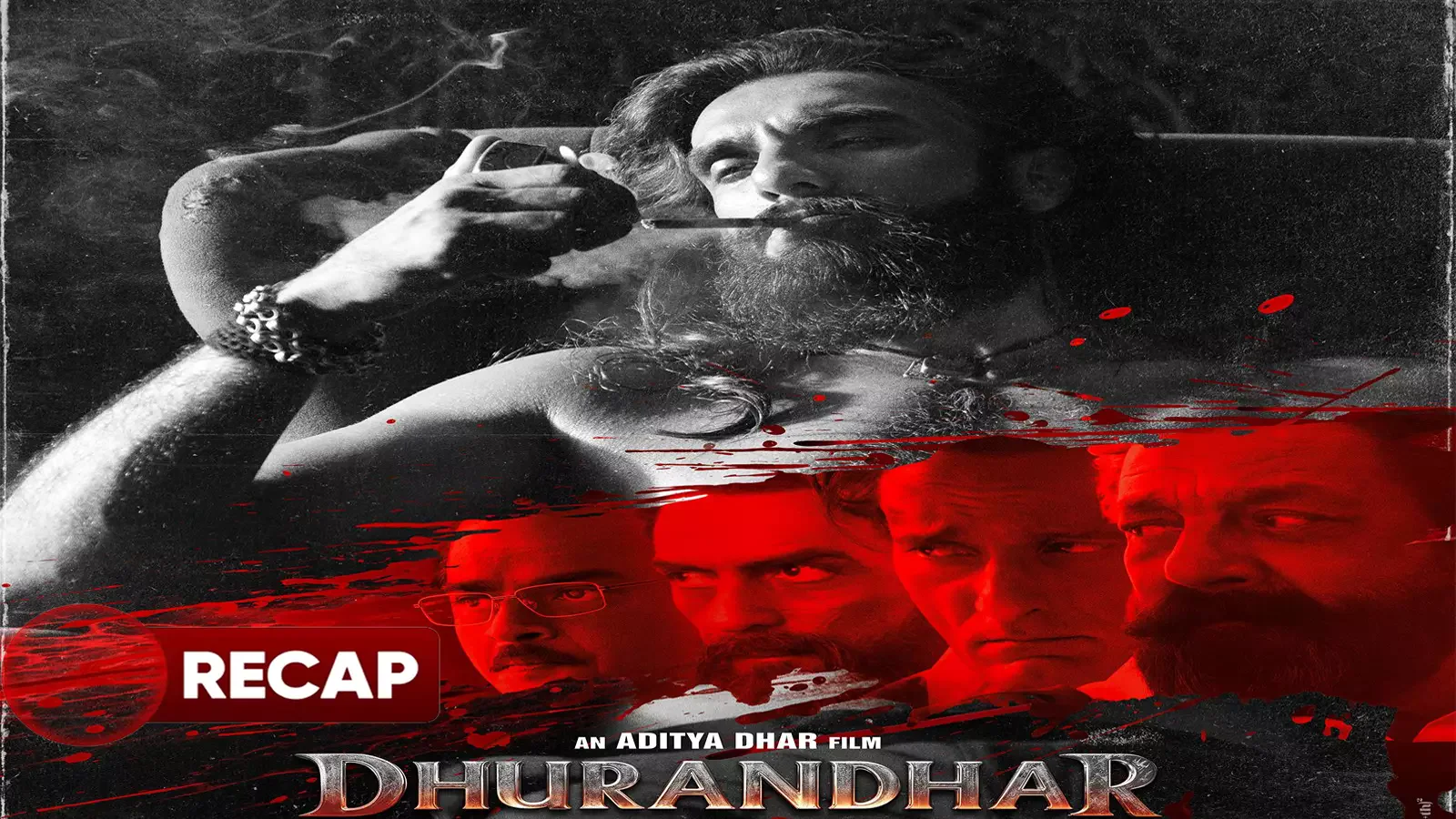
While Aamir Khan was reflecting on his past successes, other significant developments were unfolding in the broader Bollywood landscape. The highly anticipated film 'Dhurandhar: The Revenge' began its advance bookings, generating considerable buzz in the industry. As reported by Bollywood Hungama, the movie is expected to achieve one of the biggest theatrical openings of all time, building on the success of its predecessor. Simultaneously, the first installment of 'Dhurandhar' was re-released in over 1000 screens, amplifying the excitement for the sequel. The film, described as a high-octane spy-action thriller, boasts an ensemble cast including Ranveer Singh, R. Madhavan, Arjun Rampal, and Sanjay Dutt. Interestingly, veteran actor Anil Kapoor revealed that he had to decline a cameo role in 'Dhurandhar: The Revenge' due to prior commitments. Speaking at the India Today Conclave, Kapoor expressed his regret, stating, "It's my loss, but it's okay," emphasizing his professionalism and commitment as the reasons for his decision, as detailed by Bollywood Hungama. These parallel narratives in the industry highlight the diverse range of activities and conversations occupying the Bollywood sphere, from respectful personal gestures to major film releases and casting decisions.
Analysis: What This Means for Bollywood and Public Perception
Aamir Khan's seemingly simple act of removing his shoes before lighting the lamp is more than just a polite gesture; it's a strategic and culturally resonant move that deeply impacts his public perception and sets a precedent within the often-glamorous world of Bollywood. In an era where celebrities are under constant scrutiny, such displays of humility and adherence to tradition can significantly enhance an artist's connect with the masses. It positions Khan not merely as a superstar, but as a "common man" who respects his roots and cultural heritage, a narrative that resonates strongly with the Indian populace. This authenticity can prove invaluable, especially in an industry frequently criticized for being disconnected from ordinary life. Moreover, it subtly reinforces traditional values in a contemporary setting, potentially influencing younger generations to appreciate and maintain such customs. For Bollywood itself, such actions by a prominent figure like Khan can serve as a positive example, encouraging other celebrities to engage with cultural nuances, thereby enriching the industry's image beyond just entertainment and towards being a custodian of cultural identity. In an increasingly polarized social landscape, these gestures of unity and respect can contribute to a more harmonious public discourse around cultural practices.
Furthermore, Khan's revelation about the Gayatri Mantra on the sets of 'Lagaan' offers a compelling insight into the mindset of one of India's most successful filmmakers. His insistence on a meditative practice over popular music speaks volumes about his approach to creativity and collective effort. It suggests that for Khan, filmmaking is not merely about technical execution but also about cultivating a specific mental and spiritual environment for the cast and crew. This holistic approach likely contributed to the critically acclaimed and highly successful outcome of 'Lagaan'. In a high-pressure industry, such practices can foster a sense of calm, focus, and camaraderie, ultimately enhancing professional output. This anecdote, coupled with his respectful conduct at the festival, paints a picture of a celebrity who values discipline, tradition, and a conscious approach to his craft and public life. It underscores a philosophy where personal ethics and professional excellence are deeply intertwined, a model that could inspire not only aspiring actors and filmmakers but also professionals across various industries to incorporate mindful practices into their work routines.
Additional Details on 'Dhurandhar: The Revenge' and Oscar Hustle
Beyond the cultural appreciation for Aamir Khan, the Red Lorry Film Festival also served as a platform for deeper insights into his cinematic journey, particularly concerning 'Lagaan'. Khan reminisced about the rigorous "hustle" involved in the film's Oscar campaign, a stark contrast to the modern, professionally managed awards circuits. He candidly shared the challenges of securing screenings for the Academy members and others, highlighting their grassroots approach. "Our hustle was, we felt, whether people will turn up or not," he recounted, as per The Times of India. Their strategy involved personally inviting anyone they could find – from parking staff to passersby – to attend the screenings, driven by the belief that "whoever will watch the film, they will like it." This anecdote provides a valuable glimpse into the sheer determination and unconventional methods employed for independent film promotions on an international stage, long before sophisticated digital campaigns became the norm.
Meanwhile, the Bollywood industry is abuzz with the impending release of 'Dhurandhar: The Revenge'. The film, a sequel to the highly successful 'Dhurandhar', is gaining monumental traction, with advance bookings opening to what trade analysts predict will be one of the largest theatrical openings ever. Bollywood Hungama reports that the movie is designed as a "high-octane theatrical experience, blending slick action, gripping drama and espionage in never-seen-before style." The cast features an impressive lineup including Ranveer Singh leading the charge, R. Madhavan as the strategic Ajay Sanyal, Arjun Rampal as the menacing ISI Major Iqbal, and Sanjay Dutt as SP Chaudhary Aslam. The film is set to be released in five languages – Hindi, Tamil, Telugu, Malayalam, and Kannada – reflecting its pan-India appeal and ambitious scale. Directed and produced by Aditya Dhar, 'Dhurandhar: The Revenge' is scheduled for a worldwide release on March 19, 2026, strategically coinciding with Gudi Padwa, Ugadi, and preceding Eid, aiming to capitalize on festive audiences. The anticipation surrounding the film is further fueled by the re-release of its first part across more than 1000 screens, giving audiences a chance to refresh their memory or experience the original for the first time.
Adding another layer to the 'Dhurandhar' narrative, veteran actor Anil Kapoor recently disclosed his inability to accept a cameo role in the sequel. As detailed by Bollywood Hungama, Kapoor, speaking at the India Today Conclave, explained that prior commitments prevented him from partaking in the project. "At that time, I had already committed those dates to another filmmaker," he stated, emphasizing that his "professionalism and commitment" were paramount. Kapoor expressed regret, calling it "my loss," acknowledging the film's potential and expressing hope for future collaborations with director Aditya Dhar. This revelation sparked speculation among fans, with many suggesting Kapoor was approached for the mysterious character 'Bade Sahab', whose identity is a key awaited reveal in the sequel. While rumors also link Emraan Hashmi to the role, the filmmakers have maintained secrecy, further building intrigue around the highly anticipated movie.
Looking Ahead: The Enduring Impact of Thoughtful Actions and Cinematic Ambition
Aamir Khan's simple yet profound gesture at the Red Lorry Film Festival is likely to resonate far beyond the event's immediate aftermath. It reinforces his image as a thoughtful and culturally aware public figure, potentially setting a benchmark for respectful conduct within the celebrity sphere. As discussions around the importance of cultural preservation and authentic representation grow, such actions by influential personalities like Khan can play a crucial role in shaping public perception and encouraging a deeper appreciation for traditional values. This moment, coupled with his revelations about the meditative practices during 'Lagaan', paints a picture of an artist whose success is deeply rooted in both professional dedication and personal ethos. Observers will be keen to see if this trend of meaningful public engagement and cultural sensitivity gains wider traction among Bollywood's elite.
Concurrently, the upcoming release of 'Dhurandhar: The Revenge' marks a significant moment for the Indian film industry, showcasing its ambition to deliver large-scale, multi-lingual action thrillers with expansive star casts. Its strategic release around multiple festive holidays and the re-release of its predecessor indicate a meticulous planning aimed at maximizing box office success. The public's speculation over Anil Kapoor's potential cameo and the identity of 'Bade Sahab' highlights the powerful role of mystery and fan engagement in pre-release campaigns. The film's performance will be a key indicator of audience appetite for high-octane espionage narratives and the effectiveness of multi-platform promotional strategies. The industry will be closely watching whether 'Dhurandhar: The Revenge' lives up to its immense hype and sets new benchmarks for future Bollywood productions in terms of scale, storytelling, and audience reception in a globally competitive cinematic landscape.