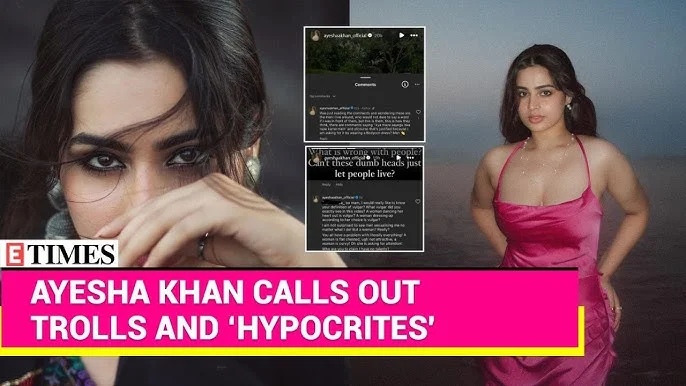
Bigg Boss 17 fame Ayesha Khan has bravely disclosed an attempted rape and daily sexualization, sparking crucial discourse on harassment and safety within the entertainment industry and online.
Bollywood actress Ayesha Khan, who gained significant traction following her appearance in the viral 'Shararat' track from the blockbuster 'Dhurandhar', has come forward with a deeply disturbing account of her experiences, shedding light on the pervasive issues of sexualization and harassment within and outside the entertainment industry. In a candid and emotionally charged discussion at a recent Mojo Story event, Khan revealed the harrowing reality of living under constant public scrutiny, which includes not only relentless online trolling but also a shocking confession of an attempted rape in her past. This revelation has sent ripples through the industry, prompting renewed conversations about the safety and well-being of women, particularly those in the public eye, and the systemic challenges they face daily.
Ayesha Khan’s testimony paints a stark picture of the relentless sexualization that women in the entertainment industry—and indeed, many women globally—endure. “I am almost everyday sexualized for my body on Instagram,” she stated, highlighting how even the simple act of choosing an outfit becomes a fraught decision. She recounted how wearing a "normal top" or a skirt can instantly trigger a torrent of inappropriate and objectifying comments online. This constant scrutiny forces her, and countless others, into a defensive posture, questioning every public appearance and personal choice. Khan articulated the profound emotional toll this takes, lamenting, “If I have to think before wearing something, it’s a really sad space to be in.” This sentiment resonates deeply with many public figures who report a similar erosion of personal freedom and spontaneity under the weight of an ever-watchful, often critical, and frequently inappropriate audience. The digital age, while offering platforms for connection and expression, also magnifies the reach and intensity of such negative interactions, making escape almost impossible, as detailed by Bollywood Hungama.
The most shocking and heartbreaking aspect of Ayesha Khan's disclosure was her admission of having faced an attempted rape. Speaking with visible emotion, she stated, “I’ve been attempted to rape in my life and there are days, there are times when it just triggers you.” This deeply personal and disturbing experience, while occurring in the past, continues to haunt her, manifesting as triggers brought on by current events, including threatening messages. Her willingness to share such a traumatic event underscores the immense courage required to speak out against sexual violence, especially for public figures who often face skepticism and victim-blaming. The persistent psychological impact described by Khan highlights that the trauma of such incidents extends far beyond the physical act, enduring as a lived reality that can be re-ignited by subsequent forms of harassment or perceived threats. This brave confession elevates the discourse beyond just online sexualization to the terrifying spectrum of physical and psychological threats women endure, serving as a powerful reminder of the deep scars left by such violence.
Khan's account further exposed vulnerabilities within professional settings, offering a chilling example of how proximity can breed harassment. She recounted an incident on a film set where she discovered disturbing voice notes on her Instagram from someone she later identified as a spot boy from the very production she was working on. “I realised it was one of the spot boys,” she revealed, detailing how this unsettling discovery necessitated her father’s intervention and subsequent action from the production team. This incident is particularly alarming as it highlights the potential for harassment to emanate from within one's professional environment, a place where individuals should ideally feel safe and respected. Such experiences raise critical questions about the vetting processes for crew members, the effectiveness of internal reporting mechanisms, and the overall culture of safety and accountability on film sets. While mechanisms exist to address such issues, Khan's story suggests that gaps persist, allowing individuals to exploit their positions and access, placing others at risk. This specific example adds to the ongoing dialogue about creating truly safe workplaces in an industry often romanticized but also known for its power imbalances and vulnerabilities.
Ayesha Khan’s powerful testimony is more than just a personal revelation; it is a critical mirror held up to the entertainment industry and society at large. Her narrative, particularly the attempted rape and the daily sexualization, amplifies the urgent need for a more robust and responsive framework for safety and accountability. This is not an isolated incident but rather a stark illustration of a pervasive culture where women, especially those in the public eye, are constantly subjected to objectification and threats. The "Me Too" movement in India, which gained significant momentum a few years ago, exposed deep-seated issues of sexual harassment and assault across various sectors, including Bollywood. Khan's story serves as a painful reminder that despite increased awareness, the systemic problems persist, indicating that surface-level changes are insufficient. It underscores the psychological burden placed on individuals who not only have to navigate professional pressures but also contend with a continuous barrage of gender-based violence and harassment, both online and in physical spaces. The sheer audacity of a spot boy to send voice notes, relying perhaps on the power hierarchy or perceived impunity, further demonstrates that without strict enforcement and cultural shifts, guidelines remain merely theoretical. This situation calls for a dual approach: stricter legislative and corporate policies for workplace safety, coupled with massive public awareness campaigns to shift societal attitudes towards women, consent, and online conduct. The courage displayed by Khan should ideally translate into tangible, protective actions for others navigating similar, hostile environments.
While Ayesha Khan's personal struggles form the core of her recent statements, the wider context of celebrity life in Bollywood often includes varied experiences, some celebratory and others challenging, underscoring the multifaceted nature of public existence. For instance, less than an hour before Khan's story broke, Bollywood Hungama also detailed the deeply personal insights shared by global star Priyanka Chopra regarding her Roka ceremony with Nick Jonas. Chopra's reflections on their spiritual connection and Jonas's emotional remark, "I feel like we are on our third or fourth lifetime," highlight the intimate and profound moments that also shape the lives of public figures, showcasing a different dimension of their experiences, as published by Bollywood Hungama. These contrasting narratives emphasize the complex reality of life in the public eye, where moments of profound joy and personal connection can coexist with harrowing experiences of vulnerability and threat. Separately, the celebration of vibrant cultural events like Holi, as detailed by News18, often features Bollywood stars engaging in festive, public displays, which, while seemingly innocuous, can sometimes blur the lines between public celebration and personal space, potentially creating environments where boundaries are tested. The industry, therefore, presents a paradoxical environment where personal lives are intensely scrutinized, successes are grandly celebrated, and vulnerabilities are often starkly exposed. Khan's experience forces a harsh re-evaluation of how these public and private spheres intersect, and how the industry collectively protects its artists from the darker aspects of this exposure, ensuring that their celebrations are truly joyful and their workspaces genuinely safe.
Ayesha Khan's brave disclosure undoubtedly reignites crucial discussions around safety, consent, and accountability within the Indian entertainment industry and beyond. Her story serves as a potent reminder that the fight against sexual harassment and assault is far from over. Moving forward, the focus must shift from reactive responses to proactive measures, including strengthening anti-harassment policies, implementing mandatory training programs for all cast and crew members, establishing anonymous reporting channels, and ensuring swift and transparent investigation of all complaints. Beyond policy, a significant cultural shift is needed – one that challenges patriarchal norms, educates on consent, and reframes public discourse to support victims rather than blame them. The industry has a moral imperative to ensure that emerging talents like Khan are protected, and that their pursuit of artistic expression does not come at the cost of their personal safety and dignity. This pivotal moment could, and should, prompt a collective effort to cultivate an environment where every individual, regardless of their public profile, feels secure and respected, free from the shadow of sexualization and violence.
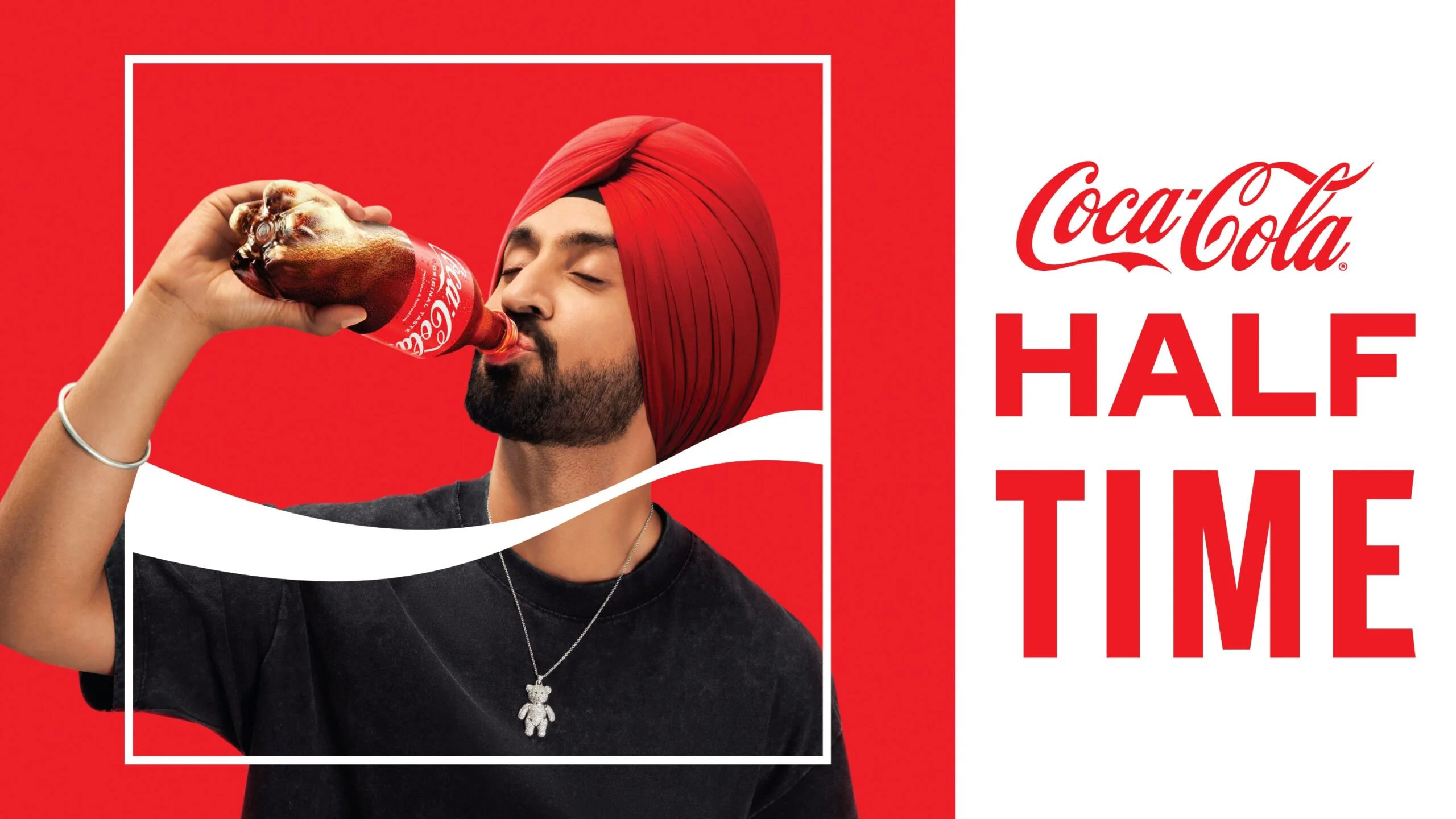
Bollywood stars Diljit Dosanjh and Janhvi Kapoor headline Coca-Cola India's latest campaign, each in separate films championing refreshing "Halftime" breaks, showcasing unique personalities and strategic market outreach.
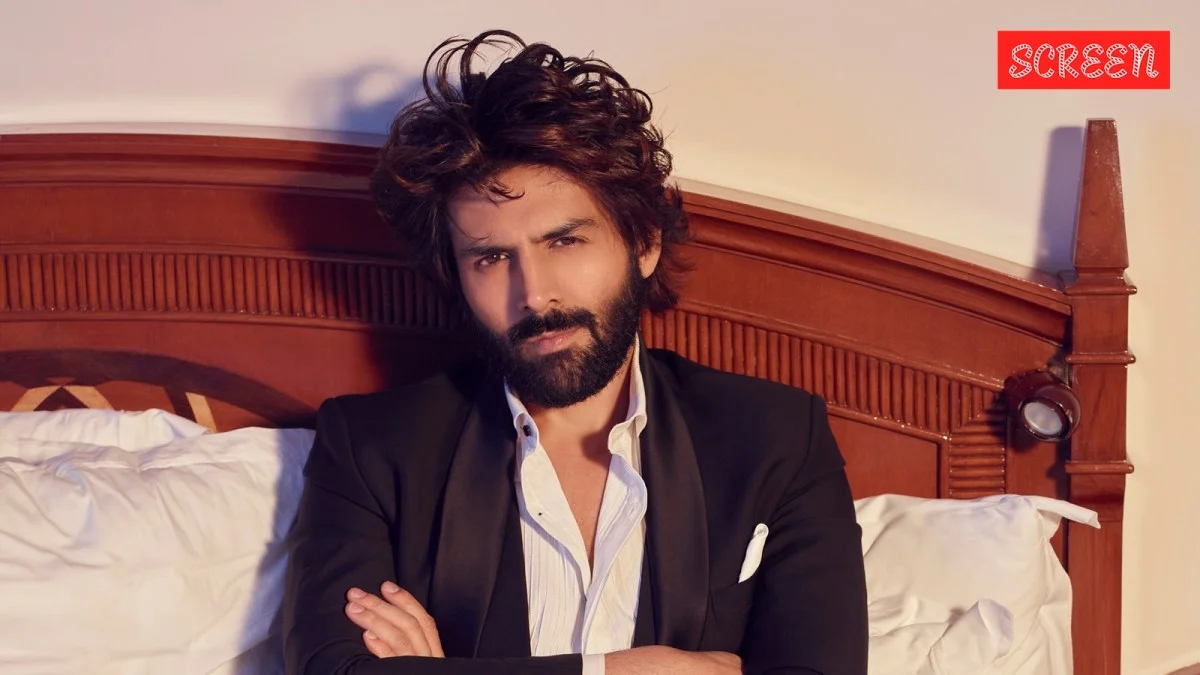
Explore Kartik Aaryan's incredible journey from an industry outsider to one of Bollywood's most bankable stars, detailing his estimated net worth in 2026 and the luxury lifestyle he now commands, as reported by IMDb and other entertainment outlets.
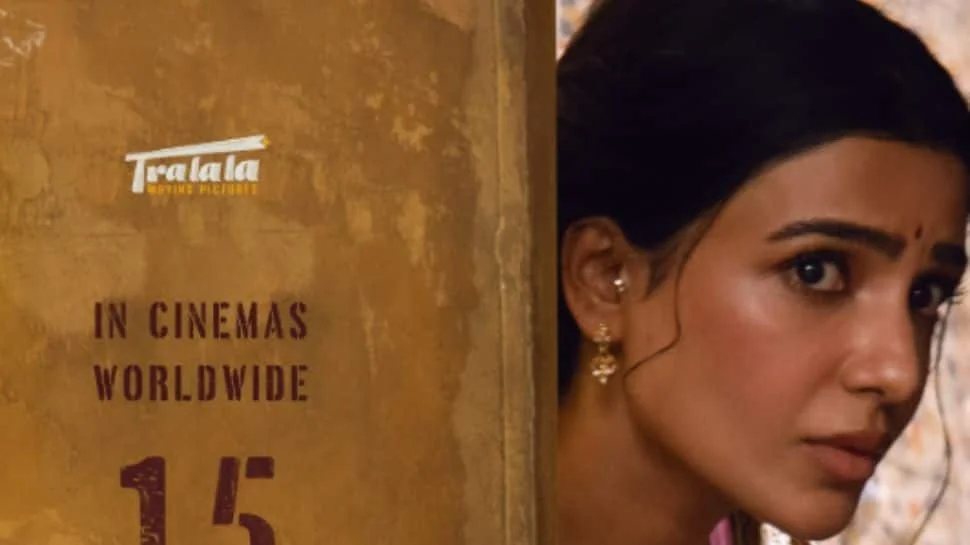
Samantha Ruth Prabhu's upcoming action-comedy 'Maa Inti Bangaaram' creates buzz with the release of its vibrant wedding track 'Thassadiya,' setting high expectations for its May 15th global premiere.