Neetu Kapoor Dismisses Claims of Kapoor Family Copyrighting Rishi Kapoor's Name
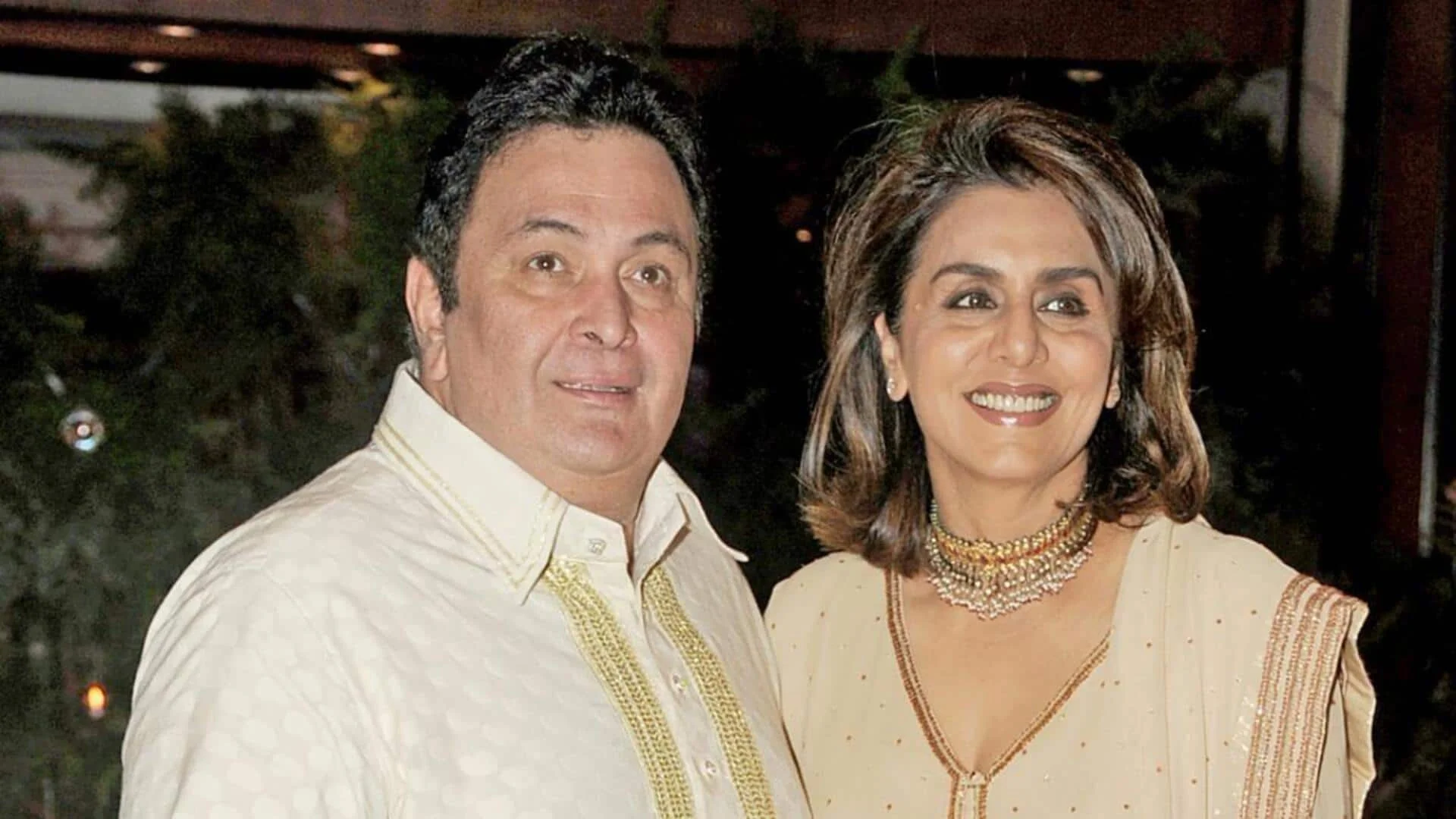
Neetu Kapoor has denied recent reports suggesting the Kapoor family is copyrighting late actor Rishi Kapoor's name, expressing unfamiliarity and doubt regarding the claims.

In a surprising turn of events that has captured the attention of the Bollywood industry and fans alike, veteran actress Neetu Kapoor has emphatically denied recent reports claiming that the Kapoor family has moved to copyright the name of the legendary late actor, Rishi Kapoor. The initial reports, published by various outlets, suggested that the family had secured the necessary legal permissions to ensure exclusive control over Rishi Kapoor's name for all commercial, professional, and public uses, requiring prior approval from the family for any such endeavor. However, when directly approached, Neetu Kapoor, Rishi Kapoor’s wife, expressed complete ignorance of any such initiative, casting significant doubt on the veracity of these widely circulated claims and prompting a reevaluation of the narrative. This denial introduces a layer of uncertainty into a discussion that touches upon legacy, proprietary rights, and the handling of a celebrated public figure's identity posthumously, a topic gaining increasing relevance in the Indian entertainment landscape.
Background and Current Trends in Celebrity Intellectual Property
The concept of celebrities copyrighting or trademarking their names, likeness, and even signature styles is not entirely new in the global entertainment industry, but it has seen a notable surge in recent years within Bollywood. This trend is largely driven by a desire to protect one's personal brand from unauthorized commercial exploitation and to maintain control over their public image. Historically, this wasn't a common practice, with iconic figures often having their images reproduced without stringent legal oversight. However, with the advent of digital media, social media, and a more sophisticated merchandising market, the need for celebrities to safeguard their intellectual property has become paramount. According to Bollywood Hungama, recent precedents include actors like Anil Kapoor, Jackie Shroff, and Shatrughan Sinha, who have reportedly pursued legal avenues to copyright their distinct acting styles and personality traits. This growing trend underscores a shift in how celebrities and their families perceive and manage their intangible assets, moving towards a more structured and legally protected approach. The motivation behind such moves is often multifaceted, encompassing financial protection, brand management, and the preservation of a carefully cultivated public persona. However, applying this posthumously to a figure as universally beloved as Rishi Kapoor introduces unique considerations regarding public sentiment and familial intentions, further complicating the issue.
Key Developments and Neetu Kapoor's Response
The core of this intriguing development lies in the contrasting reports and the direct denial from Neetu Kapoor herself. Initial reports circulated widely, proclaiming that the Kapoor family had successfully obtained copyright for Rishi Kapoor's name. These reports detailed that such a measure would legally mandate any individual or organization seeking to use his name in commercial or public contexts to first secure permission from the esteemed Kapoor family. This would essentially grant them a proprietary hold over how Rishi Kapoor's name could be leveraged, extending his legacy into a controlled intellectual property. However, when veteran journalist Subhash K. Jha reached out to Neetu Kapoor for confirmation, her response was notably unequivocal. According to Bollywood Hungama, Mrs. Kapoor stated, "Hi Subhash, I am not aware of this." When pressed further on whether this was a false report, she replied, "I think so. I am not sure." This hesitant yet firm denial from such a central figure immediately threw the initial claims into question. Her statement suggests a lack of knowledge or involvement in any such family decision, which is highly unusual given the significant implications of copyrighting a prominent family member's name. Furthermore, close family friend and singer Nitin Mukesh also expressed skepticism. "I don’t think this can be true," he remarked, emphasizing Rishi Kapoor’s inimitable, rather than meticulously stylized, personality, drawing a distinction from figures like Raj Kapoor whose mannerisms were widely mimicked.
The juxtaposition of the initial report and Neetu Kapoor's response creates a compelling narrative about the dissemination of information within the entertainment industry. It highlights how quickly news can spread and solidify, even without concrete foundational facts, and the critical role of authoritative sources in verifying such claims. The implications of her denial are significant; it not only discredits the specific report but also raises questions about the motivations behind the original claim and the potential for misinformation to circulate regarding high-profile families and their internal decisions. This incident serves as a noteworthy example of the challenges in managing public perception and information flow, especially concerning the estates of beloved public figures. While the original report did not cite specific sources within the family, Neetu Kapoor’s direct refutation carries substantial weight, signaling that such a pivotal decision has likely not been made, or at least not with the full knowledge of all key family members.
Analysis: The Nuances of Posthumous Brand Protection
Neetu Kapoor's denial introduces a crucial layer of complexity to the discussion surrounding posthumous intellectual property rights in Bollywood. While the trend of living celebrities securing their distinct styles or names is understandable for future commercial ventures, copyrighting a deceased icon's name carries different connotations and implications. It touches upon the preservation of legacy, public memory, and potential commercial exploitation. The initial report suggested a move towards strict control, possibly envisioning future merchandising, biopics, or brand endorsements under Rishi Kapoor's name. Such a step, if true, would have positioned the Kapoor family at the forefront of a growing movement to manage the estates of legendary figures in a more structured manner, akin to practices seen in Hollywood for icons like Marilyn Monroe or Elvis Presley.
However, Neetu Kapoor's lack of awareness, coupled with Nitin Mukesh's observation about Rishi Kapoor's unique, unstylized persona, implies that such a legal move might not align with the family's immediate priorities or Rishi Kapoor's own public image. Rishi Kapoor, as Nitin Mukesh pointed out, was renowned for being "inimitable" rather than having a "stylized personality" that could be easily patented or commodified in the same vein as Raj Kapoor's distinctive mannerisms. This distinction is critical because intellectual property protections often derive from distinct, replicable, and commercially viable attributes. While a name holds recognition, the specific value proposition for copyrighting a name lies often in its association with distinct brandable features. The current situation suggests that while the industry is indeed moving towards greater intellectual property protection, the application of these principles, especially post-mortem, is still evolving and depends heavily on the specific context of the personality and the family's intentions. It also underscores the importance of clear communication within families regarding such significant legal undertakings and the potential for misinterpretation or premature reporting in the media.
Additional Context from Bollywood Hungama and Beyond
While the primary focus remains on Neetu Kapoor's denial, the Bollywood Hungama report also briefly touches upon other unrelated but concurrent developments within Bollywood, highlighting the dynamic nature of news cycles in the industry. For instance, the article indirectly notes other happenings like Farah Khan recalling an underworld threat during the premiere of Kuch Kuch Hota Hai, a story that underlines the historical challenges and dramatic behind-the-scenes narratives prevalent in Bollywood. While these snippets are not directly related to the Rishi Kapoor copyright claim, they serve as a reminder of the constant flow of diverse news from the entertainment sector. Other recent reports from Bollywood Hungama include the Andhra Pradesh Chief Minister Chandrababu Naidu meeting newlyweds Allu Sirish and Nayanika Reddy, extending his blessings. This news piece showcases the intertwining of politics and celebrity in India, where prominent personalities often share close ties or are seen interacting publicly with political figures. Additionally, the buzz around the teaser launch of Imtiaz Ali's directorial Main Vaapas Aaunga, featuring reactions from celebrities like Ayushmann Khurrana and Dia Mirza, as also reported by Bollywood Hungama, signifies the ever-present excitement surrounding new film projects. These concurrent stories, though distinct, underscore the vibrant and multifaceted ecosystem of the Indian film industry, where developments range from personal milestones and political encounters to significant legal matters and cinematic milestones, all unfolding simultaneously.
Looking Ahead: The Evolving Landscape of Celebrity Legacies
The incident surrounding Rishi Kapoor's name and Neetu Kapoor's subsequent denial serves as a critical case study in the evolving landscape of celebrity legacy management in India. As more actors and their families become aware of intellectual property rights, we can expect increased discussions and actions regarding protecting personal brands, even posthumously. This event highlights the need for precise communication and verification, especially when dealing with the estates of revered public figures whose names hold immense public and sentimental value. Moving forward, the industry might see clearer guidelines or precedents being set regarding how celebrities' names, likenesses, and unique attributes can be legally protected and managed after their passing. While the Kapoor family may not have pursued copyright for Rishi Kapoor's name at this juncture, the very discussion generated by the inaccurate report signals a growing awareness and potential future trend. It prompts an important conversation about balancing public veneration with the proprietary rights of a family and the potential commercial avenues that might open up, all while respecting the memory and image of the departed icon. This will undoubtedly remain a dynamic and crucial aspect of entertainment law and celebrity culture.
Related Articles
Aamir Khan's Humble Gesture at Film Festival Ignites Online Admiration
Aamir Khan’s respectful act of removing his shoes before lighting a ceremonial lamp at the Red Lorry Film Festival in Mumbai has earned him widespread praise online for his humility and connection to tradition, amidst fresh revelations about his prior film sets.