
Actress Regina Cassandra speaks out about derogatory treatment and linguistic bias faced in early Bollywood experiences, contributing to wider industry conversations on representation and workplace culture.
Actress Regina Cassandra has shed light on unsettling early experiences within Hindi cinema, revealing that she encountered behaviour that made her feel "put down" and treated in a "derogatory manner" due to her identity as a South Indian performer. Her candid remarks, made in a recent Hindustan Times interview reported by Bollywood Hungama, underscore persistent issues of representation, linguistic bias, and workplace culture that continue to surface across India’s vibrant and diverse film industries. Cassandra, who boasts an extensive filmography in Tamil and Telugu cinema and is now associated with projects like 'Jaat' and 'Kesari Chapter 2', indicated that these early interactions contributed to her initial hesitation in pursuing more opportunities in the Northern film landscape, highlighting a subtle yet impactful form of discrimination that often goes unaddressed.
The challenges faced by Regina Cassandra are not isolated incidents but rather resonate with broader systemic issues within the Indian entertainment industry. Bollywood, as the Hindi film industry is popularly known, has historically been perceived as the dominant force, often leading to a hierarchical perception where regional cinemas, despite their massive reach and cultural significance, are sometimes viewed through a specific lens. This can lead to actors transitioning from one industry to another encountering preconceived notions or even subtle forms of bias. For South Indian actors, this often manifests as being typecast or, as Cassandra described, facing a "derogatory outlook." While the industry prides itself on its diversity, the lived experiences of many, particularly those from regional backgrounds, suggest that achieving true professional parity and equitable treatment remains an ongoing struggle. Cassandra's comments, though not providing specific instances, paint a picture of an environment where actions and unspoken biases conveyed a clear message of devaluation, influencing her career trajectory and choices. As noted by Bollywood Hungama, her experiences contribute to a larger discourse about inclusion which has gained significant traction in recent years.
Regina Cassandra’s recent statement directly addresses the uncomfortable reality of perceived prejudice, stating, “A lot of people treated me in a derogatory manner, not just with words, but with actions. It’s sort of a derogatory outlook towards me. And, I mean, anyone would be able to tell that I was being put down in a certain way." This poignant admission, chronicled by Bollywood Hungama, highlights that such experiences were not merely verbal but also manifested through non-verbal cues and systemic attitudes. She bravely articulated her feelings of inhibition within the North Indian film circuit, acknowledging that while not every experience was negative, these early encounters played a significant role in shaping her choices. Her narrative extends beyond just linguistic bias, touching upon how regional identity and gender can dictate how actors are cast and, crucially, how they are treated on set and behind the scenes. This echoes sentiments expressed by other seasoned industry figures who have also navigated the tumultuous waters of Bollywood. For instance, veteran actor Anil Kapoor recently reflected on his own career, celebrating three years of 'The Night Manager'. In an emotional social media post highlighted by Bollywood Hungama, Kapoor spoke about moments when he felt "misunderstood or judged" early in his career, stating, "People sometimes think they can step on your toes, without realizing what it has taken to get where you are." While different in context, both Cassandra's and Kapoor's accounts underscore a common thread of navigating complex power dynamics and subjective judgments within the industry, often requiring immense resilience. Similarly, Richa Chadha, a prominent figure known for her outspoken nature, recently shared her own experience of early career "betrayal" by someone she trusted. As reported by Bollywood Hungama, Chadha revealed, "Early in my career, I realised that not everyone rooting for you is actually on your side and many are threatened and do not want you to outshine them in any way." This constellation of personal narratives, from subtle put-downs to outright betrayal, paints a vivid picture of the personal and professional hurdles many artists encounter while striving to establish themselves in the competitive Indian film landscape.
Regina Cassandra’s forthright revelations serve as a critical amplifier in the ongoing, often complex, discourse surrounding inclusivity and fair treatment within India's film industry. Her experience, rooted in navigating the perceived hierarchy between regional and mainstream Hindi cinema, shines a light on systemic biases that can subtly, yet profoundly, impede an artist's trajectory and confidence. This isn't merely about direct verbal assaults; Cassandra's emphasis on "actions" and a "derogatory outlook" points to a pervasive culture where microaggressions and implicit biases create an unwelcoming environment. This subtle form of discrimination can be more insidious than overt prejudice, as it often goes unacknowledged or is dismissed, leaving the individual feeling isolated and devalued. The phenomenon isn't unique to the entertainment sector; studies across various industries consistently show that such a climate can lead to reduced opportunities, self-censorship, and hesitancy to pursue new avenues, precisely what Cassandra described regarding her Bollywood foray. Her remarks necessitate a closer examination of not just casting practices, but also the broader professional conduct and respect afforded to artists from diverse linguistic and regional backgrounds. The industry, in its pursuit of pan-Indian appeal, must move beyond superficial inclusiveness to cultivate an environment where talent is recognized and nurtured irrespective of its origin, and where perceived regional or linguistic differences do not become a basis for devaluing an artist's contribution or potential. This requires a systemic shift, moving from merely celebrating diversity in rhetoric to actively dismantling structures that perpetuate disparity in practice.
The threads of experience shared by Regina Cassandra intertwine with broader narratives of struggle and resilience within the entertainment world. Her comments about being "put down in a certain way" when she was trying to establish herself in Hindi cinema highlight the vulnerability actors often face, particularly in the early stages of their careers or when transitioning between different film industries. This vulnerability is not new; veterans like Anil Kapoor have also spoken about navigating periods of being "misunderstood or judged," a sentiment he powerfully expressed when reflecting on a deeply personal scene from 'The Night Manager', as cited by Bollywood Hungama. Kapoor's ability to connect his character's internal truth to his own journey offers a testament to the emotional toll and profound personal growth that can arise from such experiences. Similarly, Richa Chadha’s account of early career betrayal, detailed by Bollywood Hungama, further solidifies the notion that industry success often comes with navigating complex interpersonal dynamics, where trust can be elusive and self-preservation paramount. These shared experiences, despite their unique contexts, collectively underscore an environment where artists must constantly protect their voice and choices. Cassandra's call for performers to consciously avoid being confined to stereotypes resonates deeply, pointing to the ongoing battle against typecasting and the need for a more expansive and nuanced appreciation of talent, regardless of regional background or initial industry perceptions. Her journey, now spanning two decades in cinema, as highlighted by Bollywood Hungama, showcases a career defined by range and reinvention, demonstrating that resilience and a commitment to one's craft can ultimately transcend early career hurdles and prejudiced outlooks.
Regina Cassandra’s brave sharing of her early Bollywood experiences serves as a crucial catalyst for fostering a more equitable and respectful film industry across India. As more actors seamlessly bridge the gap between regional and Hindi cinema, these discussions around inclusion, linguistic bias, and professional parity will only intensify. The onus is now on industry leaders, filmmakers, and the broader community to actively listen, reflect, and implement changes that move beyond tokenism. This includes conscious efforts in casting, ensuring diverse perspectives in writing and direction, and establishing clearer codes of conduct to address derogatory behaviour, whether subtle or overt. By openly discussing these challenges, Cassandra and others are paving the way for a generation of artists who can pursue their craft without the burden of prejudice, ultimately enriching the tapestry of Indian cinema with a wider range of stories and talents.
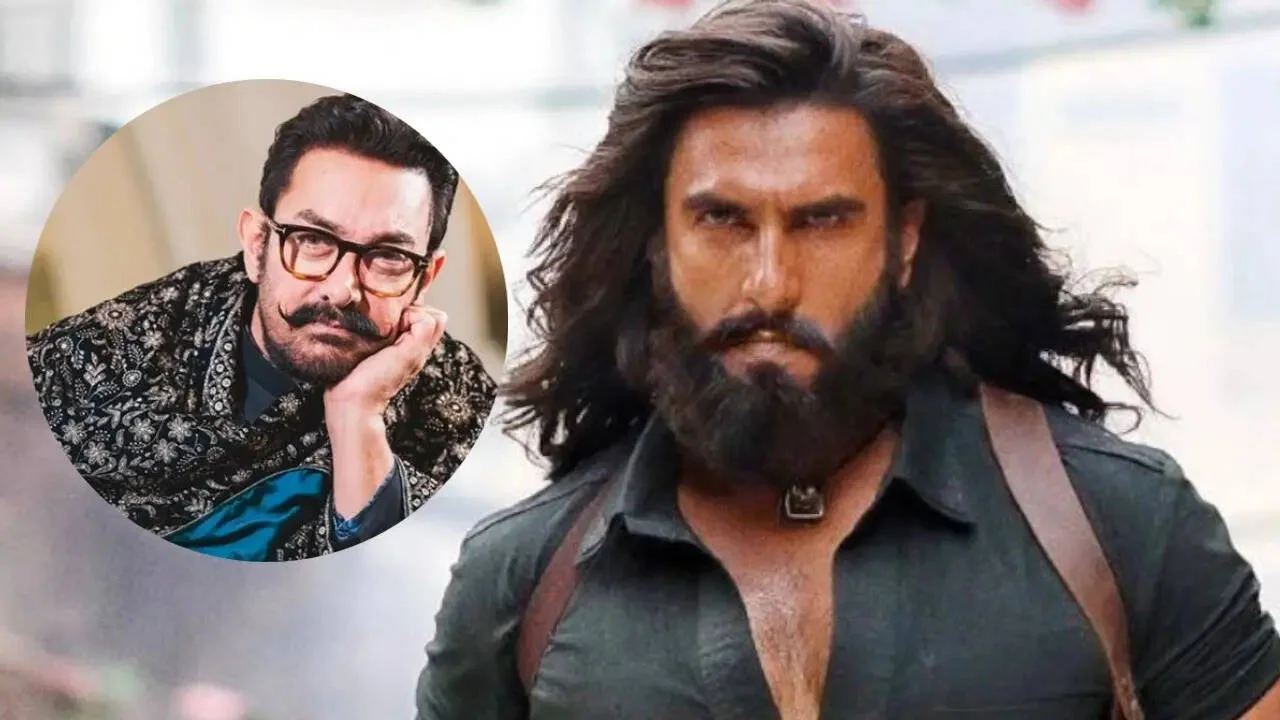
Aamir Khan, through his production house, has showered praise on Ranveer Singh's Dhurandhar 2, acknowledging its phenomenal box office success and audience resonance, as the film eyes a record-breaking run.
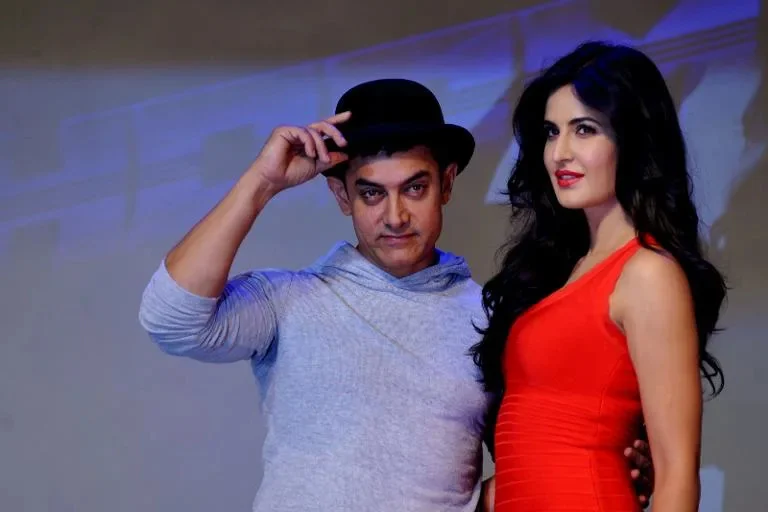
A-list celebrities from film and television, both Hollywood and Bollywood, are gracing the Broadway stage this season, drawing new audiences and revitalizing classic and contemporary works.

Actor-filmmaker Saurabh Shukla challenges the notion of vanishing children's films in Bollywood, arguing that societal and digital changes have merely redefined "innocence," while a blockbuster like 'Dhurandhar' highlights shifting industry dynamics.