In a bold move that is poised to ignite a critical reassessment of storytelling in Indian cinema, acclaimed actor Vijay Sethupathi is championing the power of silence over excessive dialogue. His latest venture, "Gandhi Talks," a silent film, is not merely an artistic experiment but a deliberate statement against what Sethupathi perceives as an over-reliance on spoken words across various Indian language films. This foray into a dialogue-free narrative challenges conventional wisdom and proposes that a deeper emotional resonance can be achieved when silence is allowed to speak volumes, a perspective that could significantly influence future filmmaking trends in the industry.
The Genesis of a Silent Revolution
Vijay Sethupathi, recognized universally as one of contemporary Indian cinema's most versatile talents, has deliberately steered his career towards roles that push boundaries. His decision to star in "Gandhi Talks" is a natural progression of this artistic ethos, yet it carries a particularly potent message for the industry. As reported by Bollywood Hungama, the actor candidly states, "Sir, we speak too much in our cinema. I am not talking about any one language. Cinema in every Indian language depends excessively on dialogue. We tend to over-explain everything. Whether this comes from insecurity about losing the audience’s attention or something else, I don’t know.” This sentiment echoes a simmering frustration among some filmmakers and connoisseurs who feel that the incessant chatter in films often dilutes nuance and artistic expression, leading to a less impactful cinematic experience. Sethupathi's challenge is not just to filmmakers but also to an audience largely "addicted to dialogue-baazi," as he puts it, suggesting that evolving cinematic language requires a shift in both creation and consumption.
Challenging the Status Quo: A Deeper Look at "Gandhi Talks"
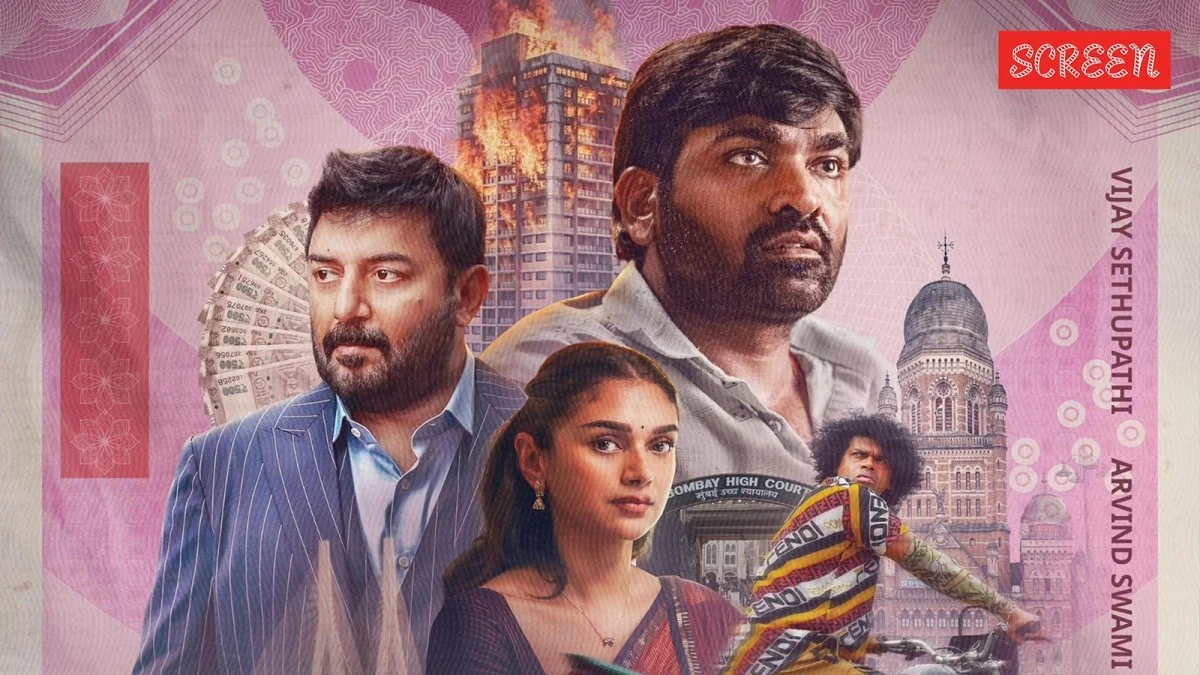
"Gandhi Talks" stands as a direct response to Sethupathi's conviction that silence can be more profoundly expressive than a torrent of words. The film, which also features Aditi Rao Hydari, Arvind Swamy, and Siddharth Jadhav, relies on visual storytelling and emotional depth to communicate its narrative. According to News18, the movie is described as a black comedy that delves into the stark contrast between the symbolic presence of Gandhi on currency notes and his enduring ideals. The plot reportedly centers on a young man's quest for money, inevitably leading him to cross paths with a thief, with the entire story unfolding without spoken dialogue. This approach forces a focus on non-verbal communication, body language, facial expressions, and cinematic techniques to convey the characters' inner lives and the story's progression. Sethupathi himself profoundly states, “I am at my most expressive when I am not speaking,” a testament to his belief in the power of silent acting. This artistic choice signifies a potential paradigm shift, urging filmmakers to trust their visuals and actors to convey emotion without the crutch of constant exposition, potentially introducing a refreshing era of visual storytelling in an industry often dominated by dialogue-driven narratives.
Analysis: The Evolving Language of Indian Cinema
Vijay Sethupathi's critique of dialogue-heavy films and his exploration of silent cinema through "Gandhi Talks" is not an isolated incident but rather a significant marker in the ongoing evolution of Indian filmmaking. While Indian cinema has a rich history of dramatic monologues and impactful dialogues that have become iconic, there’s also a growing recognition that this emphasis can sometimes work against the visual medium. In an industry that produces thousands of films annually across multiple languages, there's a natural tendency towards formulaic approaches to ensure broad appeal. Dialogue, often used for immediate exposition and easy emotional cues, can inadvertently stifle the subtlety and ambiguity that often define great art. Sethupathi's stance, supported by his acclaimed performance in "Gandhi Talks" as highlighted by Bollywood Hungama, suggests a mature understanding of global cinematic trends where visual storytelling and subtext are highly valued. This experiment could encourage a new generation of Indian filmmakers to trust their audiences more, allowing them to interpret and engage with narratives on a deeper, more personal level, moving beyond the spoon-feeding of information through incessant chatter. It's a call to elevate the craft of filmmaking itself, prioritizing the visual artistry over mere verbal communication.
Additional Insights into the 'Silent' Movement
The concept of silent cinema, while a relic of early film history globally, is a particularly poignant choice for modern Indian cinema, given its vibrant and often boisterous nature. "Gandhi Talks" isn't just about the absence of speech; it's about the deliberate cultivation of a richer, more nuanced form of communication. As noted by News18, Aditi Rao Hydari, another prominent cast member, also highlighted the film's reliance on "restraint, emotion, and stillness to communicate its message." This collaborative understanding among a stellar cast underscores the film's artistic integrity and collective commitment to this challenging format. The film's unique premise – using the figure of Gandhi and currency notes to explore societal issues – also speaks to the potential for silent narratives to tackle complex themes with allegory and visual metaphor rather than direct verbal explanation. In an age of diminishing attention spans, a silent film that captivates through pure performance and visual storytelling could paradoxically offer a more immersive and memorable experience, pushing viewers to engage more actively with the narrative. This artistic daring also suggests a growing confidence within the Indian film industry to experiment with diverse forms, moving beyond commercial constraints and embracing more art-house sensibilities, while still aiming for wider appeal.
Looking Ahead: The Ripple Effect of "Gandhi Talks"
The reception of "Gandhi Talks" will be a crucial barometer for the future direction of emotional and non-verbal storytelling in Indian cinema. If the film resonates with audiences and critics, it could embolden more filmmakers to venture into less dialogue-driven narratives. This might lead to a greater emphasis on screenplay writing that prioritizes visual sequences over verbose exchanges, and a renewed appreciation for actors who can convey complex emotions without uttering a single word. Furthermore, it could inspire a new wave of storytelling that finds universal appeal by transcending linguistic barriers more effectively. While "dialogue-baazi" will undoubtedly continue to be a beloved element for many, Sethupathi's bold experiment with "Gandhi Talks" has undeniably opened a fascinating and important conversation about how Indian cinema communicates emotion, asking whether, at times, less truly can be more. It promises to be a watershed moment for cinematic experimentation and profound storytelling in the years to come.

Editorial Team
The Vyraa Newsroom is the staff byline of Vyraa, an independent local news outlet covering Bremerton, Kitsap County, and Washington State, published by Nyza Creations LLC. Stories under this byline are researched and written by the Vyraa editorial team from local and regional out…