Why it matters
The case highlights how common symptoms like acid reflux can mask aggressive, terminal illnesses. Misdiagnosis or delayed screening significantly reduces survival rates for rare cancers like linitis plastica.
The big picture
Stomach cancer remains difficult to detect early because it often presents as routine gastrointestinal distress. Linitis plastica is particularly lethal because it spreads through the stomach lining rather than forming visible tumors.
By the numbers
James Bainbridge is 35 years old and was diagnosed at stage 4, two months after his initial symptoms appeared in February.
Bottom line
A father's terminal diagnosis underscores the danger of dismissing persistent digestive issues as minor ailments.
Go deeper
Read our health coverage for more on early cancer detection and gastrointestinal health.
James Bainbridge, a 35-year-old forklift driver from Middlesbrough, North Yorkshire, is facing a terminal diagnosis after symptoms he dismissed as routine acid reflux were revealed to be stage 4 stomach cancer. The father of one began experiencing persistent digestive discomfort and unexplained weight loss in February 2026. After several medical consultations and initial suspicions of a minor hernia, diagnostic testing in April confirmed the presence of linitis plastica. This rare and aggressive malignancy had already metastasized to other regions of his body by the time of discovery. According to a report by People.com, the illness is now classified as incurable, leaving the North Yorkshire family to focus on palliative care and life-extending treatments. Bainbridge is currently undergoing a rigorous regimen of chemotherapy combined with immunotherapy to manage the progression of the disease. Because the cancer has compromised his digestive tract, he remains dependent on a feeding tube for nutrition while medical teams monitor his response to the aggressive therapy. His family has turned to public fundraising to bridge the gap in their financial security, as the 35-year-old’s insurance did not include critical illness coverage during his employment.
Diagnostic Progression From Routine Heartburn to Linitis Plastica
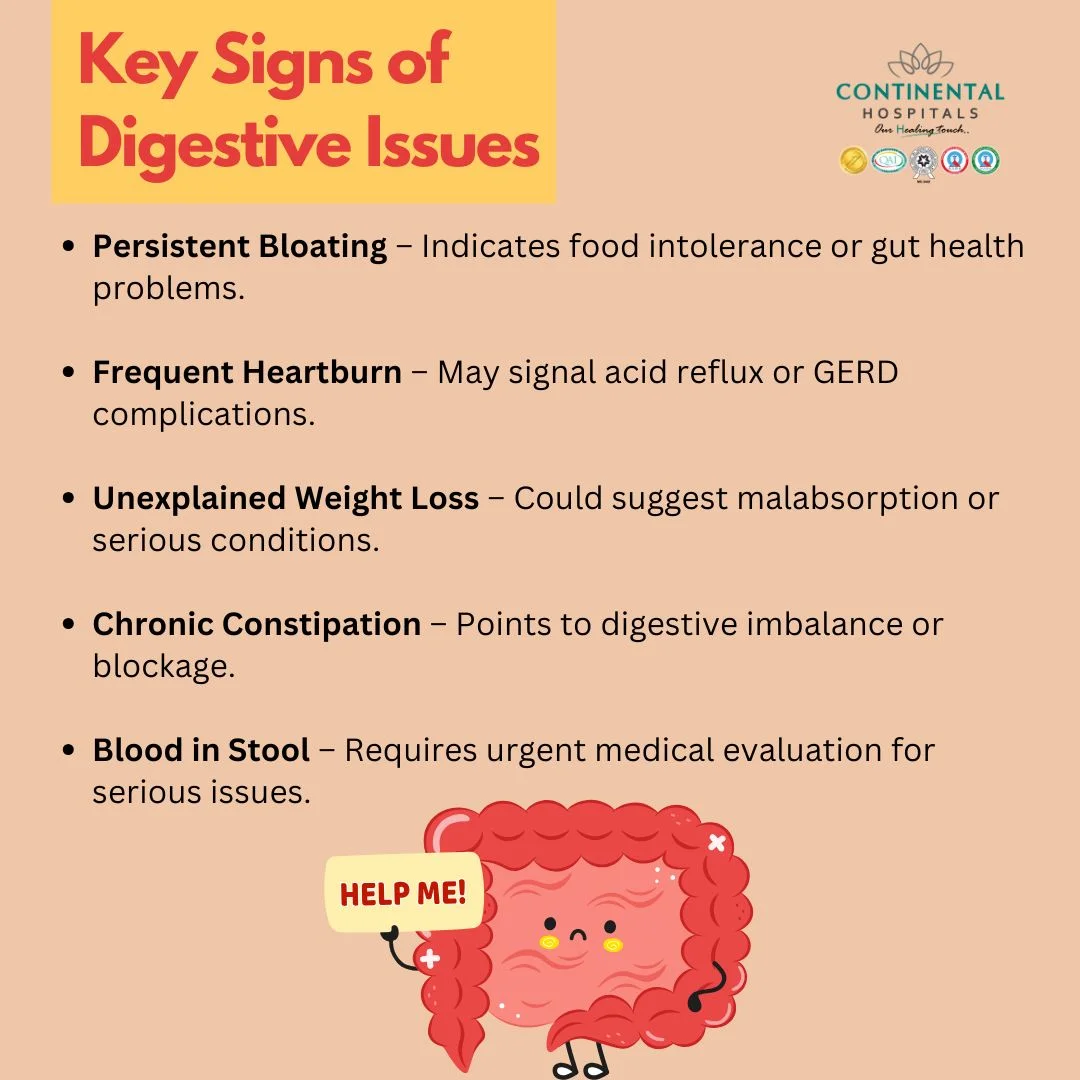
The medical journey for James Bainbridge began with symptoms that many adults experience daily: persistent acid reflux. In February, he noted a sharp increase in heartburn alongside a noticeable drop in body weight. For many patients, these signs are frequently attributed to diet, stress, or minor gastrointestinal issues. However, when the symptoms persisted despite standard interventions, he pursued further investigation through his General Practitioner. Initial medical theories suggested a hiatal hernia, a common condition where the stomach pushes through the diaphragm. It was only after more invasive testing and imaging in April that the true nature of his condition was identified as linitis plastica. This specific variant of gastric cancer is notoriously difficult to detect in its early stages because it spreads through the lining of the stomach wall rather than forming a distinct, easily identifiable tumor. According to People.com, the disease caused his stomach wall to become thick and rigid, a phenomenon often described by medical professionals as "leather bottle stomach." This rigidity prevents the organ from expanding and contracting normally, making it nearly impossible for the patient to process solid food. By the time Bainbridge received his formal diagnosis, the cancer had reached stage 4, indicating that malignant cells had migrated beyond the primary site to other organs, rendering surgical removal an unviable option for a cure.
The Physiological Impact of Leather Bottle Stomach
Linitis plastica represents a unique challenge within oncology due to its diffuse infiltration of the gastric wall. Unlike more common intestinal-type gastric cancers that grow as discrete masses, linitis plastica infiltrates the submucosa, leading to a loss of elasticity in the digestive tract. This explains why Bainbridge requires a feeding tube; his stomach can no longer accommodate the volume of food necessary for survival. His twin brother, Tom Bainbridge, provided a stark description of the physical transformation, comparing James’s current appearance to historical images of soldiers from world wars. This rapid physical decline is a hallmark of advanced gastric malignancies, where the metabolic demands of the cancer combined with the inability to ingest nutrients lead to severe cachexia, or muscle wasting. The use of chemotherapy and immunotherapy in this context aims to shrink the diffuse cancerous cells to alleviate some of the rigidity, though the primary goal remains life extension rather than total eradication. The family is currently observing how James responds to these interventions, which are being administered in Middlesbrough. The aggressive nature of the treatment adds further strain to a body already weakened by months of undiagnosed illness. Medical guidance from Cancer Research UK indicates that because the stomach wall becomes so rigid, symptoms often do not become severe enough to trigger an investigation until the cancer is quite advanced, which contributed to the three-month delay between his initial symptoms in February and the definitive diagnosis in April.
Financial Hardship Following Lack of Critical Illness Coverage
The diagnosis has triggered a secondary crisis for the Bainbridge family: a complete loss of household income. As a forklift driver, James’s role was physically demanding and became impossible to maintain as the cancer progressed. A significant factor in the family's current distress is the revelation that his existing insurance policy did not include critical illness coverage. This type of insurance typically provides a lump-sum payment upon the diagnosis of specific life-threatening conditions, which can be used to pay off mortgages or replace lost wages. Without this safety net, the 35-year-old and his fiancée, Jessica Hill, became vulnerable to the immediate costs of daily living while also facing travel expenses for hospital visits. To combat this, Tom Bainbridge initiated a GoFundMe campaign with the goal of ensuring the family does not have to choose between basic necessities and quality time together. The funds are also being earmarked for potential specialized treatments abroad should a clinical trial or alternative therapy become available that is not offered through their current health provider. As reported by People.com, the community response has been significant, with both friends and strangers contributing to the fund. The financial strain of terminal illness is a common burden for young families who often have not yet established the comprehensive insurance portfolios that older individuals might possess, making the crowdfunding effort a vital lifeline for their seven-year-old son’s future stability.
Bainbridge Family Response and Advocacy for Patient Self-Discovery
The emotional toll of the diagnosis was first articulated by Tom Bainbridge, who recalled the haunting moment his twin brother called to share the news. The brothers share a close bond, and Tom has taken on the role of family spokesperson and lead fundraiser. Jessica Hill, James’s fiancée, has also been vocal on social media, expressing the family’s gratitude for the outpouring of support they have received. In her public statements, Hill has transitioned from discussing their personal grief to advocating for broader health awareness. She has urged the public to "listen to your body" and remain persistent when dealing with medical professionals. This call to action emphasizes the importance of patient advocacy, particularly when symptoms like acid reflux are common and easily dismissed by both patients and general practitioners. Hill’s message serves as a warning that if a condition does not improve with standard treatment, patients must continue to push for more diagnostic clarity. The Bainbridge family’s experience highlights a frequent issue in modern healthcare where the high volume of routine complaints can sometimes lead to the oversight of rare, aggressive conditions. By sharing their story, they hope to encourage others to investigate persistent changes in their health more aggressively. For James, the focus remains on maximizing the "quality time" he has left with his young son, a sentiment echoed in the fundraising materials which stress the value of creating memories over chasing a medical miracle that may not be available.
Clinical Analysis of Gastric Cancer Detection Rates in Young Adults
The case of James Bainbridge reflects a concerning trend in oncology: the rising incidence of certain cancers in populations historically considered low-risk. While stomach cancer is largely associated with older demographics, the aggressive linitis plastica variant can appear in younger patients and often carries a worse prognosis due to late-stage discovery. A cross-source comparison of medical data suggests that because 35-year-old men are generally considered healthy, screening for gastric malignancies is rarely the first step when they present with heartburn. In this instance, the three-month interval between the onset of symptoms and the diagnosis of stage 4 cancer illustrates the speed at which this specific malignancy moves. The difficulty in diagnosing linitis plastica lies in its "diffuse" growth pattern; it does not always create the lumps that show up clearly on basic ultrasounds. Instead, it requires endoscopy and biopsies of the stomach lining. For patients like Bainbridge, the diagnostic window is incredibly narrow. The shift from a suspected hernia to terminal cancer in just eight weeks underscores the clinical volatility of linitis plastica. This case demonstrates that the medical community may need to lower the threshold for invasive diagnostic testing in younger patients who present with "alarm symptoms" such as significant unexplained weight loss, even if common conditions like acid reflux are present. The delay in diagnosis is not just a personal tragedy but a clinical indicator of how easily rare cancers can mimic benign digestive ailments, leading to a catastrophic loss of time for intervention.
Future Treatment Outlook and the Role of Immunotherapy
As James Bainbridge continues his treatment, the medical focus has shifted to the efficacy of combining traditional chemotherapy with modern immunotherapy. This dual-track approach is becoming the standard for advanced gastric cancers that are not candidates for surgery. Immunotherapy works by helping the patient's immune system recognize and attack cancer cells, which can be particularly useful in cases where the cancer is widespread. However, the success of these treatments is highly individual. The medical team in Middlesbrough will be looking for signs of "response," such as a reduction in the thickness of the stomach wall or a decrease in the size of metastatic lesions. Even in the absence of a cure, a positive response could grant Bainbridge more time and potentially allow for the removal of the feeding tube if the stomach regains some level of function. The upcoming months are critical, as they will determine the palliative trajectory of his care. The family’s GoFundMe remains active not just for immediate bills, but to provide a "war chest" for any emerging treatments that might offer a marginal gain in life expectancy. This forward-looking strategy is often the only hope for patients with stage 4 diagnoses, where "success" is measured in months of life rather than years of remission. For the Bainbridge family, the calendar is now marked by treatment cycles and the hope that his body remains strong enough to endure the toxicity of the drugs designed to keep him alive.

Editorial Team
The Vyraa Newsroom is the staff byline of Vyraa, an independent local news outlet covering Bremerton, Kitsap County, and Washington State, published by Nyza Creations LLC. Stories under this byline are researched and written by the Vyraa editorial team from local and regional out…