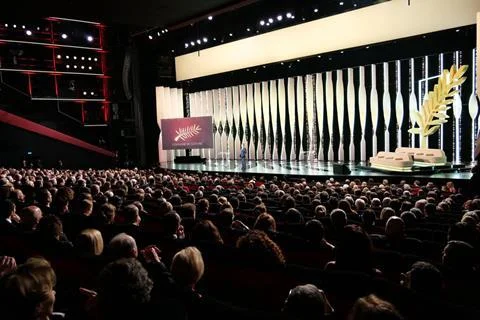
The 2026 Cannes Film Festival lineup reveals a significant lack of major Hollywood studio presence, sparking debate about declining studio interest and the future role of prestigious film festivals in an evolving industry landscape.
The unveiling of the 2026 Cannes Film Festival lineup on Thursday has ignited a crucial conversation within the global film industry: Is Hollywood deliberately distancing itself from prestigious film festivals? While the Croisette will undoubtedly host revered international auteurs like Pedro Almodóvar, Hirokazu Kore-eda, and Asghar Farhadi, and feature prominent talent like Sebastian Stan and Gillian Anderson attached to indie productions, the glaring absence of major Hollywood studio tentpoles has become the festival’s most striking narrative. This noticeable shift, acknowledged even by Cannes artistic director Thierry Fremaux, points to a potential sea change in how studios perceive and utilize these celebrated showcases, raising questions about marketing strategies, critical reception, and the evolving economics of film distribution.
Historically, film festivals like Cannes, Venice, Toronto, and Berlin have served as critical launchpads for both independent gems and major studio releases. The allure of a Cannes premiere, with its unparalleled red carpet glamour and global media attention, was once a coveted marketing asset. Studios would leverage the festival circuit to build buzz, secure distribution deals, and position their films for awards season. Remember the spectacle of Top Gun: Maverick's jet flypast in 2022 or Mission: Impossible - The Final Reckoning? These events were carefully orchestrated, high-stakes gambits designed to generate maximum impact. However, the relationship has always been a "mixed bag," as Yahoo reports, primarily due to the notoriously fickle nature of festival critics, whose harsh assessments can sometimes "trash" a film and declare it "dead on arrival," as seen with Joker: Folie à Deux at Venice.
This critical risk, coupled with the extended lead time between a festival premiere and general release, can make studios hesitant. In an age of immediate gratification and aggressive social media campaigns, the traditional festival model might be seen as less efficient or even counterproductive for blockbuster-level films that need to hit global audiences simultaneously. The pressure to generate instant positive buzz, rather than risk damaging reviews months before a film hits theaters, could be influencing strategic decisions regarding festival participation. The increasing financial stakes of major studio productions further amplify this caution.
The definitive indicator of this trend emerged with Cannes’ 2026 lineup announcement. Despite the presence of celebrated international talents and rising independent stars, the list was conspicuously devoid of films backed by Hollywood’s major players. Projects like Steven Spielberg’s Disclosure Day (Universal), Tom Cruise’s Digger (Warner Bros.), Christopher Nolan’s The Odyssey (Universal), and Disney’s highly anticipated Toy Story 5 were all conspicuously absent from the initial announcement, despite previously being considered potential contenders. The Hollywood Reporter had already expressed skepticism about some of these titles appearing.
Cannes artistic director Thierry Fremaux himself addressed the elephant in the room. "The United States will be present [at this year’s festival]," he stated, "Studios less [so]. When the studios are less present in Cannes, they are less present full stop." He emphasized that "cinema does exist" beyond Hollywood and that "the art of cinema will be present this year on the Croisette," signaling a defiant embrace of global and independent filmmaking. This direct acknowledgment from the festival's head underscores the severity of the studio no-show, moving it beyond mere speculation to an undeniable industry pattern. While Fremaux hinted at potential later additions, the historical precedent for major tentpoles being announced well in advance of the main press conference makes these eleventh-hour inclusions less likely for the biggest Hollywood titles, according to Yahoo.
Adding to the nuanced picture of Hollywood's current state, news from Syracuse.com reveals a buzz around casting for The Devil Wears Prada 2, featuring Jenna Bush Hager. Also, in a separate development, Entertainment Weekly reported on several celebrity deaths in 2026, including Catherine O'Hara, James Van Der Beek, and Eric Dane. While not directly related to Cannes, these pieces illustrate the ongoing flow of news and public interest that Hollywood studios contend with daily, both positive and negative, regardless of festival participation.
The diminishing presence of Hollywood studios at Cannes isn't merely an absence of red carpet glitz; it signals a fundamental reassessment of marketing and distribution strategies in a rapidly evolving media landscape. For studios, the calculus has become increasingly complex. The financial risk associated with a high-budget film receiving a potentially negative reception from influential festival critics can be enormous, impacting its global box office potential. In an era dominated by first-weekend grosses and direct-to-streaming options, studios may prioritize controlled release strategies, global marketing blitzes timed closer to release, and avoiding early critical scrutiny that could sour public perception. Why risk a Golden Lion for a few million dollars when a direct marketing campaign could yield hundreds of millions?
Furthermore, the rise of streaming platforms has provided alternative avenues for showcasing prestige films and reaching audiences without the traditional festival circuit. A film like Joker: Folie à Deux, which managed a respectable $200 million worldwide despite a poor festival reception, highlights that a powerful brand, established fan base, and a robust marketing machine might sometimes outweigh the critical accolades traditionally gained from a festival launch. This doesn't mean festivals are irrelevant; rather, their role is shifting. They may increasingly become exclusive platforms for independent cinema, art-house productions, and international co-productions, cementing their status as cultural showcases rather than primary commercial launchpads for Hollywood blockbusters. The question for festivals now is how to adapt and ensure their continued relevance in a world where direct-to-consumer relationships are becoming paramount for studios.
While Hollywood's absence creates a void, Cannes’ 2026 lineup, as described by Yahoo, still promises a rich tapestry of cinematic artistry. The festival welcomes acclaimed works such as Ira Sachs’ musical fantasy The Man I Love starring Rami Malek, John Travolta’s directorial debut Propeller One-Way Night Coach, Kiyoshi Kurosawa’s Kokurojo: The Samurai and the Prisoner, and Hirokazu Kore-eda’s Sheep in the Box. Documentaries from renowned filmmakers Ron Howard and Steven Soderbergh further underscore the festival’s commitment to diverse storytelling and established talent, albeit not from the conventional studio system. This robust selection demonstrates that Cannes itself is far from struggling for content; rather, it is thriving with a different kind of cinema.
The implication is that while Hollywood may be increasingly selective about its festival appearances, the global film industry continues to produce compelling and critically important work that finds a natural home on the Croisette. The focus shifts from commercial juggernauts to artistic merit and cultural significance, reinforcing Cannes’ historic identity as a champion of world cinema. This evolution could lead to an even more curated and distinctive festival experience, one that prioritizes discovery and artistic dialogue over blockbuster marketing. The challenge for Fremaux and his team will be to maintain the festival's global prestige and media visibility without relying on the traditional, but now diminishing, Hollywood spectacle. The festival's ability to attract diverse, high-quality, non-studio content suggests it is already well on its way to adapting to this new landscape.
The 2026 Cannes Film Festival will undoubtedly be a pivotal moment for understanding the evolving relationship between Hollywood and the global festival circuit. All eyes will be on whether artistic director Thierry Fremaux delivers on his promise of later additions, particularly any surprise studio entries, which Yahoo suggests are unlikely for major tentpoles. Beyond the official lineup, the discourse surrounding the festival—from critical reception of the indie slate to attendance figures and media coverage—will offer valuable insights into the future trajectory of these esteemed events. It remains to be seen if other major festivals like Venice and Toronto will experience similar studio reticence in the coming years, or if Cannes is an outlier. Ultimately, the industry watches to see if this trend marks a temporary shift or a permanent redefinition of how films are introduced to the world.
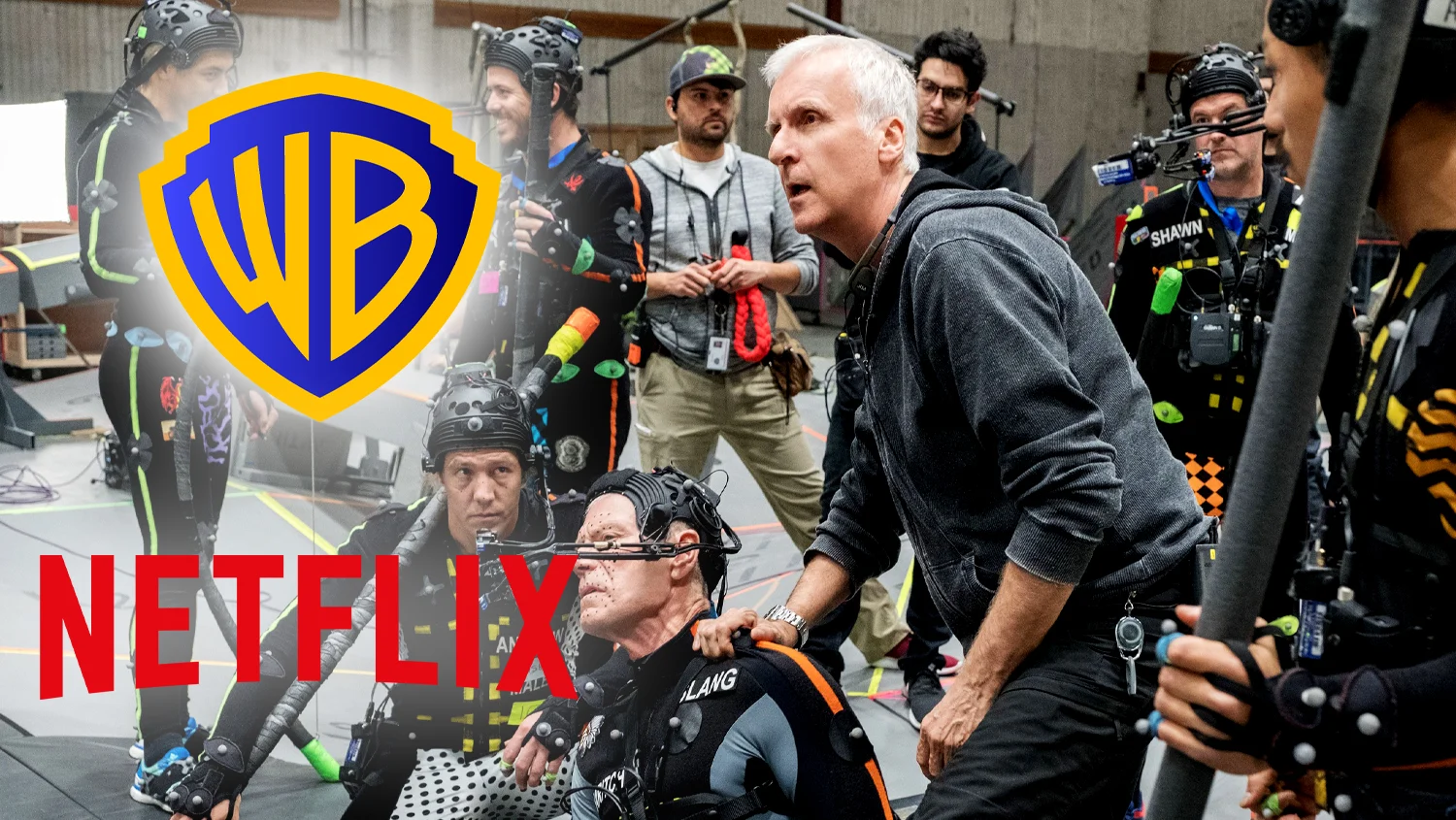
Famed director James Cameron warns a Netflix acquisition of Warner Bros. would be "disastrous" for cinema, throwing his support behind Paramount in the high-stakes industry battle.

Actress Regina Cassandra speaks out about derogatory treatment and linguistic bias faced in early Bollywood experiences, contributing to wider industry conversations on representation and workplace culture.

A deep dive into the careers of 2000s Bollywood actors like Shiney Ahuja and Rimi Sen, exploring why many faded from the big screen and their current ventures.