AI Liza Minnelli Sings on 'Eleven Album' Amidst Growing Music Industry AI Debates
ElevenLabs launches "Eleven Album" featuring an AI-generated Liza Minnelli, sparking debate on AI's role in music, artist compensation, and creative authenticity.

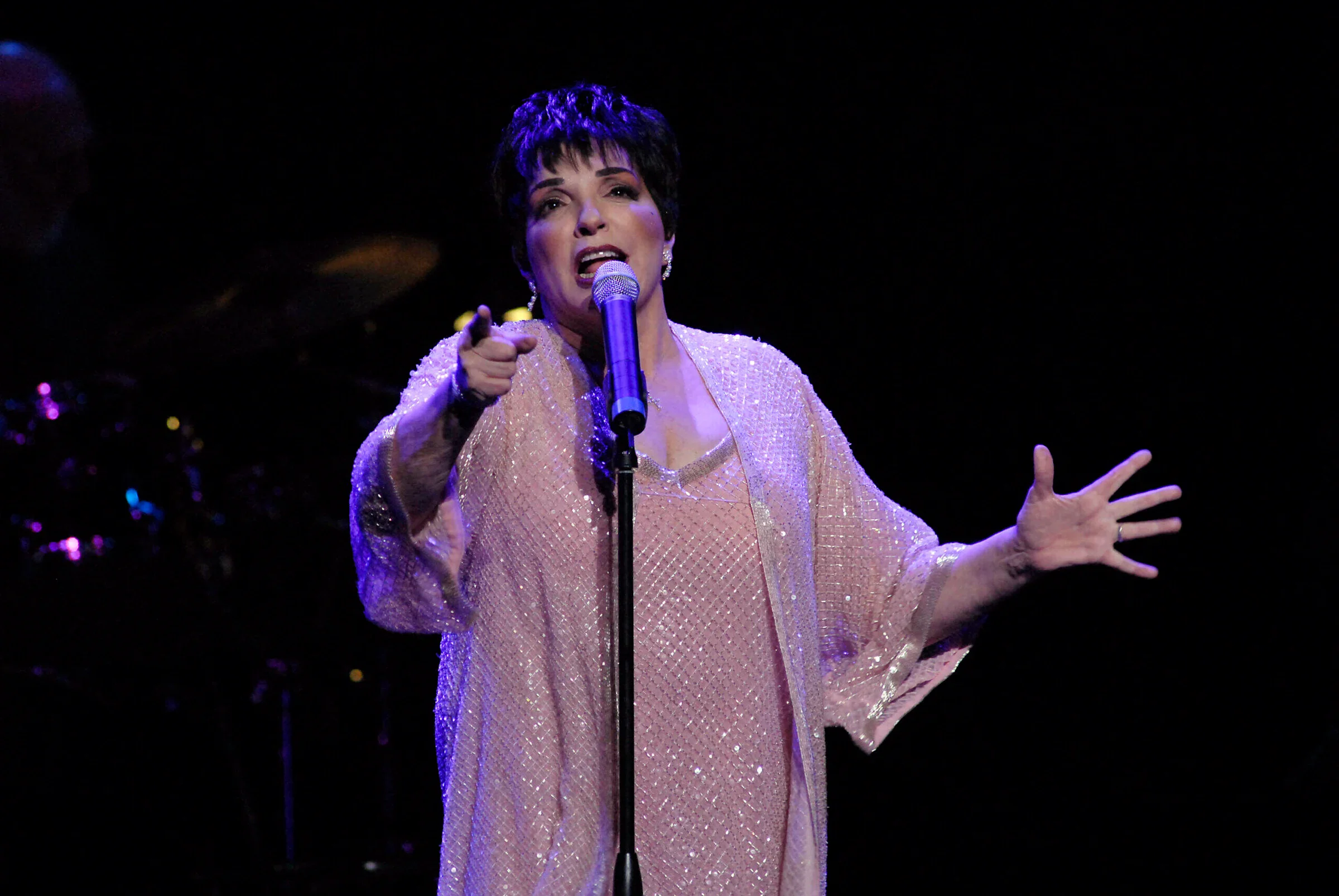
In a move that has sent ripples through the music industry and ignited passionate debates about artistic integrity and the future of creation, AI audio company ElevenLabs has unveiled the 'Eleven Album'. This collection of songs, designed to showcase the capabilities of their new AI music generator, Eleven Music, features an array of artists, most notably an AI-generated voice of iconic EGOT winner, Liza Minnelli. While ElevenLabs positions the album as a "landmark musical release" and a testament to creative collaboration between humans and artificial intelligence, critics are quick to label it as a marketing ploy, raising uncomfortable questions about artist involvement, authenticity, and the ethical implications of AI in the arts. The album’s release, covered extensively by Mashable, thrusts the controversial topic of AI-generated music back into the spotlight at a time when the broader entertainment world grapples with shifting landscape of creative production and compensation.
Background and Context: The Rise of AI in Creative Fields
The journey to the 'Eleven Album' is paved with rapid advancements in artificial intelligence and a growing tension between technological innovation and traditional artistic practices. Over the past few years, generative AI has moved from niche research labs to mainstream applications, capable of producing text, images, and increasingly, audio that can mimic human creations. Companies like ElevenLabs, initially known for their voice cloning technology, have expanded into music generation, offering tools that promise to "showcase new creative possibilities without compromising human artistry." This acceleration has not been without significant pushback. As noted by Mashable, the use of generative AI in music, film, and other creative industries consistently faces "fierce backlash from AI critics." Artists express concerns ranging from the ethical implications of training AI models on copyrighted works without permission or payment, to the environmental impact of these resource-intensive technologies, and the very real fear that AI will displace human talent in creative roles. The debate extends to the philosophical question of whether AI-generated art can possess a "soul" or genuine artistic value, a sentiment echoed by many in the creative community who find AI music "soulless."
Key Developments: The 'Eleven Album' Sparks Controversy
ElevenLabs' launch of the 'Eleven Album' is a significant, albeit controversial, step in their marketing strategy for Eleven Music, their new AI music generator. The album features a mix of artists, with the most prominent names being Liza Minnelli and Art Garfunkel. According to a Mashable report, many tracks from the album are already streaming on Spotify, with the highly anticipated Liza Minnelli song, "Kids Wait Til You Hear This," available on the ElevenLabs website, and slated for Spotify release soon. ElevenLabs claims the project involves genuine collaboration, stating that "Each contributor produced a fully original track that blends their signature sound with the capabilities of Eleven Music, showcasing new creative possibilities without compromising human artistry." They also emphasize that artists retain "full authorship and commercial rights."
However, the execution, particularly regarding Minnelli’s track, has drawn criticism. Despite Minnelli being a beloved, EGOT-winning icon, questions are being raised about the extent of her actual involvement. The 79-year-old artist has largely withdrawn from public life due to health issues, leading some to wonder about the nature of her "collaboration." Mashable’s review of "Kids Wait Til You Hear This" describes it as an "obnoxiously generic EDM song" that bears no resemblance to Minnelli’s signature Broadway style, speculating that the producers might have attempted to emulate Duck Sauce's "Barbra Streisand" but missed the mark entirely. Filmmaker and outspoken AI critic Justine Bateman weighed in on the broader issue, stating, "Nobody is making partnerships with these tech companies — nobody legitimate in the business — is making any sort of partnerships with these tech companies for free. So they pay these people a lot of money... as marketing, to try and legalize themselves to their target audience." This view suggests that celebrity involvement may be more about legitimizing the technology than fostering genuine artistic expression, a point further underscored by the generic nature of many other AI-generated tracks on the album.
The album’s release comes at a time when the music world is already navigating significant shifts in creative practices and consumption. While some artists might find new avenues for expression or production support, as J. Cole recently expressed his growing interest in behind-the-scenes production for other artists, a pivot from his own solo career, as reported by Hot 97, the ethical questions surrounding AI remain paramount for many. Cole's focus on "shaping someone else’s vision" though, emphasizes human collaboration and interpretation, a stark contrast to the AI-driven approach of ElevenLabs. While the intention for Eleven Music might be to assist creators, the current output, particularly with a revered artist like Minnelli, appears to fall short of showcasing artistic innovation, instead highlighting the ongoing tension between technological novelty and authentic musical artistry.
Analysis: The Shifting Sands of Authenticity and Authorship
The 'Eleven Album' and the discourse surrounding it underscore a fundamental tension brewing within the arts: the definition of authenticity and authorship in an age of increasingly sophisticated generative AI. When a track is attributed to Liza Minnelli, but sounds "absolutely nothing like Minnelli's body of work" and is described as "obnoxiously generic," the claim of "her signature sound" being blended with AI capabilities becomes tenuous, as Mashable points out. This raises critical questions about what constitutes an artist's involvement when their voice is cloned and placed onto a track that deviates wildly from their established style. Is a quote in a press release, however eloquent, sufficient to establish artistic ownership, especially for an artist who has largely retired from public life due to health concerns? This incident highlights the need for far greater transparency and clear frameworks for attribution and compensation when AI is used—especially if it's meant to be a tool for collaboration rather than a replacement.
Moreover, the album serves as a glaring example of AI's current limitations in capturing the nuances of human artistry and emotional depth. While technology can mimic sounds and patterns, the "soulless" quality mentioned by the Mashable reviewer reflects a broader concern that AI may struggle to replicate the lived experiences, passion, and unique interpretive choices that define truly impactful art. This struggle is particularly evident when comparing the longevity and emotional resonance of human-created music, as discussed in the context of the Grammys. As Hope College's analysis of the Grammys suggests, timeless music often emerges from an "intentional and intimate" songwriting process, with a limited number of writers contributing to a unique sound. While the number of writers on a track has increased over the decades, the core idea of originality and distinct artistic voice remains crucial for lasting impact. The 'Eleven Album's derivative nature, according to the criticisms, indicates that while AI can generate, it often struggles to innovate in a way that resonates profoundly and avoids sounding like an imitation. The pushback against AI in the arts is not merely Luddism; it’s a defense of the human element that has historically been inseparable from what we define as art.
Additional Details: Industry Trends and Artists' Responses
The 'Eleven Album' enters a dynamic global music landscape where artists, labels, and tech companies are all vying for relevance and new forms of engagement. On one hand, we see established artists like J. Cole contemplating a shift in his career trajectory, moving towards production and collaboration rather than solely focusing on his own albums, as detailed by Hot 97. Cole's desire to "make beats and assist in producing for other artists" highlights a human-centric approach to collaboration, where seasoned experience guides new talent. This represents a desire for mentorship and shaping vision, a stark contrast to AI's algorithmic generation.
Simultaneously, the K-pop phenomenon BTS is making a significant statement about cultural identity and global reach with their upcoming album 'Arirang'. As reported by The Korea Times, their choice to name an album after an enduring Korean folk song and host a comeback show at Gwanghwamun Square in Seoul emphasizes "placing Korean heritage at the core of their global identity." This move by BTS, a group with immense global appeal, directly challenges the notion that "global reach does not require erasing cultural specificity." While the music industry often pushes for "culturally neutral" or "international" sounds to broaden appeal, BTS proves that "rootedness and authenticity themselves can become a source of global resonance." This focus on unique cultural identity and authentic narrative stands in stark contrast to the generic, globalized sound often associated with current AI-generated music, as exemplified by the critical reception of the 'Eleven Album' tracks.
Meanwhile, new artists continue to find success through traditional means, with breakout stars like Olivia Dean ascending to the top of charts with powerful, human-crafted music. According to Billboard Canada, Dean's "Man I Need," co-written by Canadian songwriter Tobias Jesso Jr., marks her first No. 1 song, showcasing her "signature warmth and lyrical honesty." Her success, along with Noah Kahan's high-charting single debuting at No. 2, demonstrates that music with genuine emotional connection and human collaborative effort continues to captivate audiences. These developments underscore that while AI technology is advancing, the core appeal of music—authenticity, emotional resonance, and cultural specificity—remains deeply rooted in human experience and creativity, something that the 'Eleven Album' seems to inherently challenge rather than complement.
Looking Ahead: What to Watch For in the AI Music Landscape
The release of the 'Eleven Album' serves as a crucial inflection point, forcing the music industry to confront the evolving role of AI. Moving forward, the conversation will undoubtedly intensify around several key areas. We can expect increased scrutiny on the precise nature of artist involvement in AI projects, particularly for legacy artists. Clearer guidelines regarding consent, compensation, and attribution for voice cloning and AI-assisted compositions will be paramount. Legal battles over copyright infringement, especially concerning AI models trained on existing music, are also likely to escalate. Furthermore, the debate over the "authenticity" of AI-generated music will continue, with audiences and critics alike discerning between genuine artistic expression and technologically produced mimicry. The industry will need to navigate a path that potentially integrates AI as a tool for human creativity, rather than a replacement. The success and longevity of projects like the 'Eleven Album' will be a litmus test for whether listeners embrace AI-driven art or continue to prioritize human-centric creations that resonate with deeper emotional and cultural truths.
Related Articles
Jonathan McReynolds Bridges Gospel and '80s Pop for Intimacy with God in 'Closer'
Grammy-winning gospel artist Jonathan McReynolds releases 'Closer,' an album blending '80s synth-pop with themes of faith and identity, following his recent book on success.