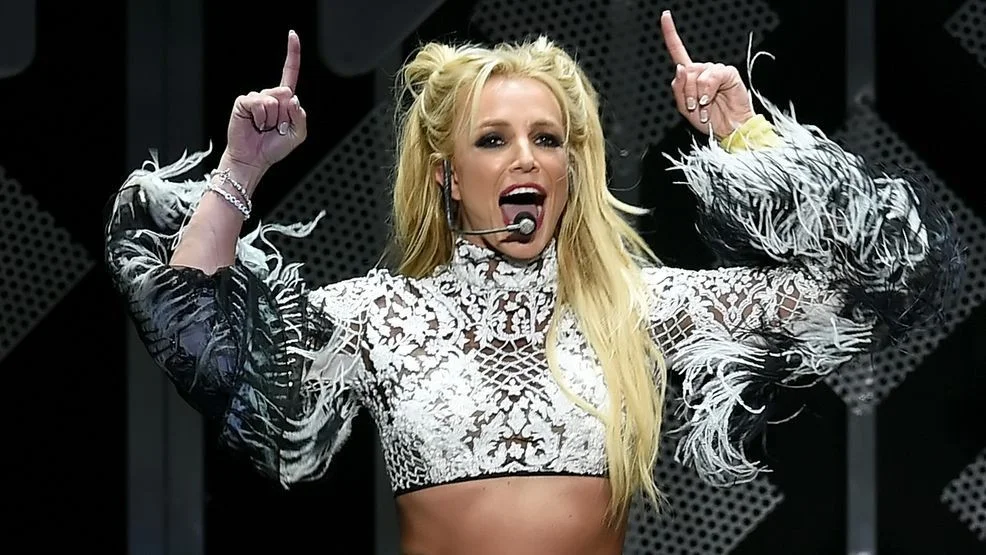
Britney Spears Joins Catalog Sale Trend as Music Industry Navigates AI and Artist Evolution
Britney Spears has sold her music catalog to Primary Wave, marking a significant financial move amid broader shifts in the music industry, including the rise of AI-generated music and evolving artist priorities.

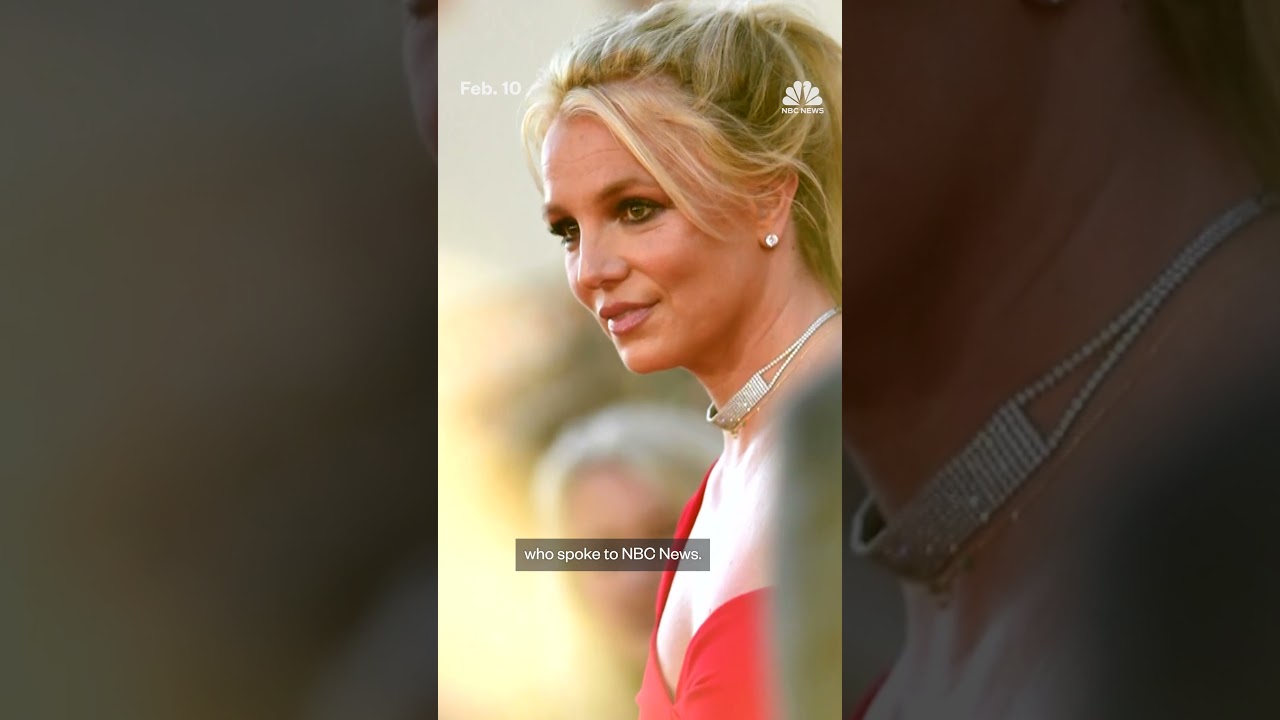
Britney Spears sells the rights to her music catalog
Britney Spears just sold her entire music catalogue, from 'Toxic' to 'Oops!...I Did It Again'
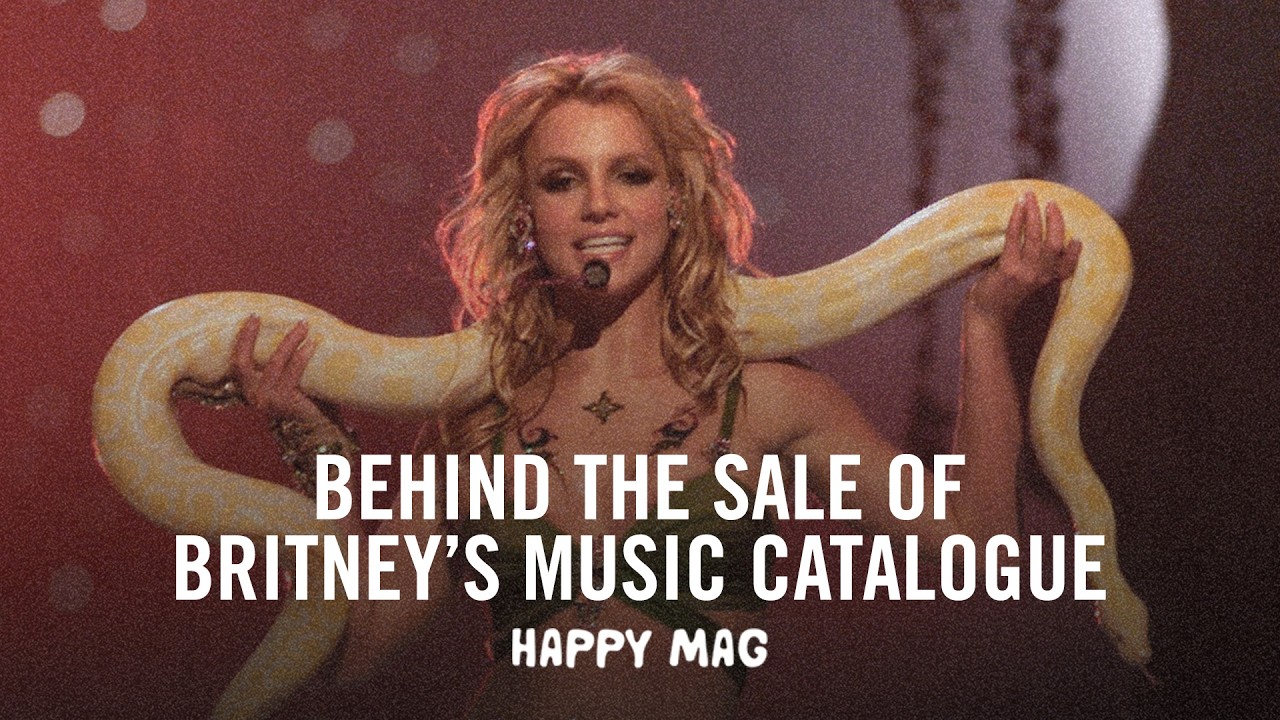
Britney Spears just sold her entire music catalogue, from 'Toxic' to 'Oops!...I Did It Again'
In a move that underscores the continued financial dynamism of legacy music assets, pop superstar Britney Spears has reportedly sold her extensive music catalog. The acquisition, confirmed by a source familiar with the deal to The New York Times, sees New York-based music and marketing company Primary Wave taking ownership of the rights. While specific details regarding the transaction's price and the exact scope of rights—whether including performing artist royalties, songwriting rights, or both—remain undisclosed, this deal places Spears alongside a growing roster of iconic artists who have monetized their musical legacies in recent years. This development arrives amidst a fascinating juncture for the music industry, where catalog sales intersect with the burgeoning impact of artificial intelligence on music creation and distribution, as well as shifting career paradigms for contemporary artists.
The Enduring Value of Musical Legacies
Britney Spears emerged as the undisputed "queen of millennial-era bubble-gum pop," defining an era with her infectious blend of candied electronic pop. Hits like "...Baby One More Time," "Oops!... I Did It Again," and "Toxic" propelled her to global superstardom, resulting in tens of millions of album sales and five No. 1 hits on Billboard's Hot 100 singles chart. Her omnipresence in media, a testament to her celebrity, solidified her status as an icon of the late 1990s and early 2000s. The sale of her catalog, while details are scarce, reflects a broader trend in the music industry where established artists are capitalizing on the sustained value of their work. High-profile figures such as Bruce Springsteen, Sting, and Justin Bieber have previously commanded hundreds of millions of dollars for their catalogs, showcasing the lucrative nature of these assets for investors seeking stable income streams from proven hits. This financial trend highlights the long-term cultural and economic staying power of music created during peak artistic periods, even years or decades after its initial release, attracting companies like Primary Wave who specialize in optimizing and marketing these valuable libraries.
Key Developments in a Shifting Musical Landscape
The news of Britney Spears' catalog sale, first reported by TMZ and later corroborated by The New York Times, is a significant financial event, yet it unfolds against a backdrop of diverse and sometimes contradictory developments across the music industry. While legacy artists like Spears are monetizing their past successes, the industry is also grappling with the rise of artificial intelligence in music creation. Just today, Mashable reported on the launch of the 'Eleven Album' by AI audio company ElevenLabs, featuring an "AI Liza Minnelli." This project, developed to promote Eleven Music, an AI music generator, and the Iconic Voices Marketplace (which allows licensing of celebrity voice clones), showcases the rapid technological advancements that are reshaping how music is made and consumed. Esteemed filmmaker and author Justine Bateman, an outspoken critic of generative AI in the arts, suggests that such high-profile collaborations with celebrities like Minnelli serve primarily as marketing tools, paid for handsomely, to "legalize" the technology to a broader audience. These AI developments present both opportunities and challenges, particularly concerning artist rights and the definition of authentic musical expression, issues that could become increasingly relevant for catalog owners and creators alike. Meanwhile, the music chart landscape continues to evolve, with British singer and songwriter Olivia Dean achieving her first No. 1 on the Billboard Canadian Hot 100 with "Man I Need" after 24 weeks, as detailed by Billboard Canada. This organic rise, coupled with her recent Grammy win for Best New Artist, illustrates that traditional career paths and genuine artistic breakthroughs still command significant attention and success, a stark contrast to the emerging AI-driven narrative.
Analysis: What This Means for Artists and the Industry
Britney Spears' decision to sell her catalog, while financially astute, is symbolic of a larger shift in how artists — particularly those with established, multi-generational appeal — perceive and manage their long-term assets. For Spears, fresh from the termination of her conservatorship, this move represents not just a substantial financial gain, but potentially a simplification of her business affairs and a reclaiming of agency over her output. The timing is crucial; with interest rates still relatively low and a perceived stability in royalty streams from streaming services, investors are eager to acquire proven intellectual property. However, this trend carries implications for artist autonomy and legacy. While a lump sum offers immediate financial security, it also means relinquishing control over future commercial exploitation of one's work. For younger artists, the proliferation of catalog sales might incentivize creating hits that resonate widely to build a valuable asset, rather than focusing solely on niche or experimental sounds. This industry-wide phenomenon is further complicated by the rise of AI in music. As AI tools become more sophisticated, potentially devaluing original compositions or making it easier to mimic existing styles, the intrinsic value of truly unique, human-created catalogs could become even more prized, or conversely, diluted by an influx of AI-generated content. The question then becomes: will future generations of artists have catalogs as valuable to sell, or will the landscape of music ownership and creation be fundamentally altered by these emerging technologies?
Moreover, the motivations behind artists' career trajectories are also in flux. While Spears is cashing in on her past, an artist like J. Cole is reportedly shifting his focus from solo albums to production and collaboration. HOT 97 reported his comments suggesting his forthcoming album, The Fall-Off, might represent a turning point rather than a continuation of his solo career. Cole’s expressed desire to "make beats and assist in producing for other artists" highlights a different form of artistic evolution – one that seeks influence and impact behind the scenes rather than solely in the spotlight. This reorientation speaks to a maturing perspective, where creative fulfillment can extend beyond individual performance and into shaping the sound and careers of others. Such a move diversifies an artist's portfolio, hedging against potential changes in public taste or the grueling demands of constant touring and album cycles. This contrast — Spears monetizing her established brand and Cole pivoting towards a supporting creative role — illustrates the multifaceted and evolving career paths available to successful musicians today, each offering different forms of legacy and financial security.
Additional Context: Chart Success, AI Concerns, and Evolving Artistic Focus
Beyond the high-profile catalog sale, the music world continues to churn with dynamic events. In Canada, Olivia Dean's "Man I Need" has finally clinched the No. 1 spot on the Billboard Canadian Hot 100 after a remarkable 24 weeks on the chart, as reported by Billboard Canada. This achievement, following her recent Grammy win for Best New Artist, marks a significant milestone for the soul-pop singer, whose album, The Art of Living, is also climbing the Canadian Albums chart. Her success is a testament to the power of authentic songwriting and performance, particularly with co-writing contributions from established talents like Tobias Jesso Jr. Concurrently, Noah Kahan is making a strong return to the Canadian Hot 100 with his single "The Great Divide," debuting at No. 2, showcasing the continued vibrancy of new releases and artist-fan connection in the traditional chart system.
However, the conversation about authenticity in music is being increasingly challenged by technological advancements. The 'Eleven Album' from ElevenLabs, featuring an "AI Liza Minnelli," has sparked discussions about the future of music creation. While ElevenLabs touts it as a "landmark musical release" and a "collaboration" with artists like Minnelli and Art Garfunkel, critics like filmmaker Justine Bateman raise pertinent questions about the motivations behind such partnerships. Bateman, quoted in Mashable's article, suggests these are often lucrative marketing strategies by tech companies to "legalize themselves" in the eyes of the public. The quality of the AI-generated music itself also draws scrutiny; the Mashable piece bluntly states that the new Liza Minnelli song is "...not great!" This points to the ongoing tension between technological capability and artistic merit, and the questions surrounding who benefits most from these AI collaborations—artists, tech companies, or consumers.
Further reflecting on the changing nature of music, the timeliness of awards like the Grammys is under review. Hope College's article, "The Grammys: Are The Awards Timeless?", presents a critical look at how the songwriting process has evolved. Drawing on observations from music-related YouTuber Rick Beato, the piece compares the 2026 Grammy nominees for Song of the Year with those from 1959 and 1984. It notes a significant increase in the number of songwriters per track in contemporary music, contrasting with the more "intentional and intimate" process of earlier eras. While acknowledging that more writers don't inherently diminish a song's significance, the article highlights concerns about originality and the increased use of samples in modern tracks. This commentary suggests that while the Grammys continue to celebrate musical achievement, the very nature of what constitutes a "song" and "songwriting" is undergoing a profound transformation, influenced by both collaborative practices and technological capabilities.
Looking Ahead: An Industry in Constant Flux
The sale of Britney Spears' catalog to Primary Wave, while a testament to the enduring financial value of pop stardom, is but one thread in the complex tapestry of the modern music industry. As we look ahead, several key areas will continue to shape its trajectory. The role of AI in music, from creation to voice cloning and distribution, will undoubtedly expand, necessitating ongoing debates about intellectual property, fair compensation, and the definition of artistry. Will future catalog sales include rights for AI-generated interpretations of an artist's persona? Furthermore, the career paths of artists like J. Cole, prioritizing behind-the-scenes production, may become more prevalent, reflecting a desire for sustained creative engagement beyond the traditional album-tour cycle. Finally, the evolving nature of songwriting and the increasing number of contributors per track, as highlighted by discussions around the Grammys, will challenge traditional notions of authorship and influence how musical legacies are valued and preserved. The coming years promise continued innovation, significant financial transactions, and profound philosophical questions about the essence of music itself.
Related Articles
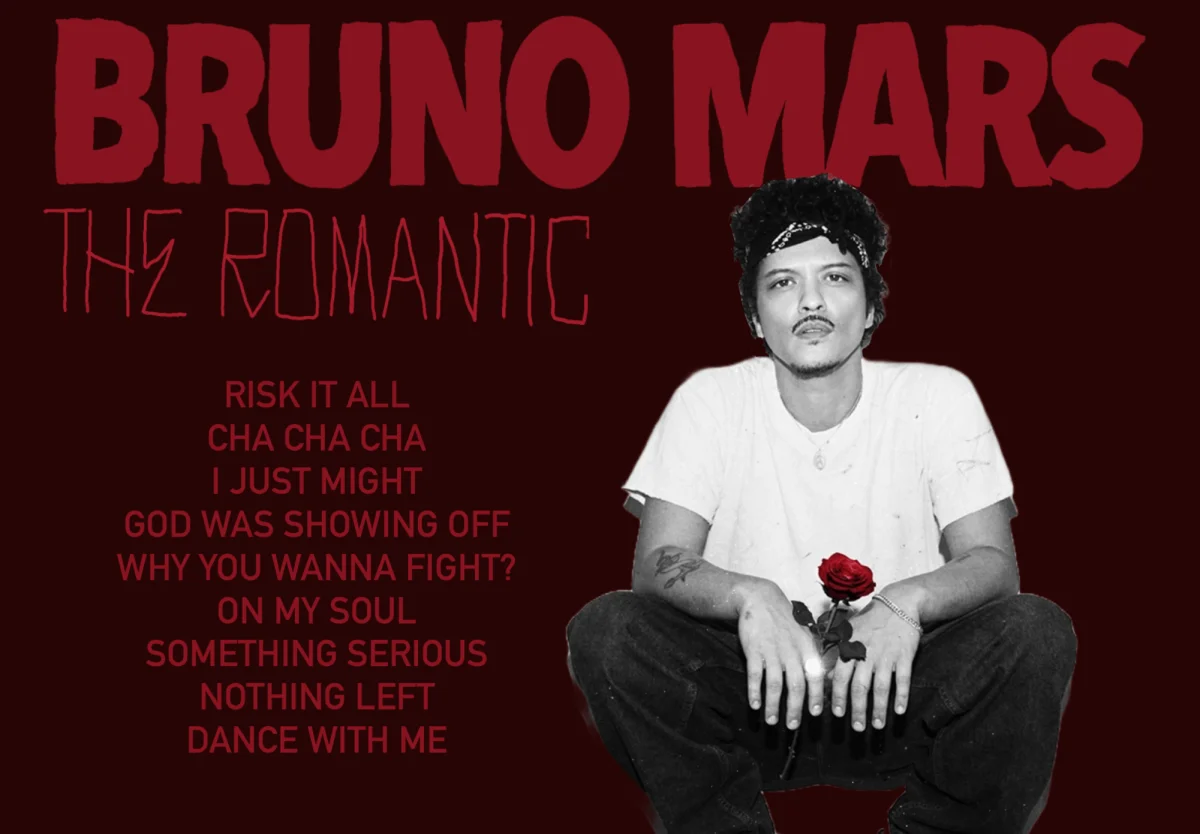
Bruno Mars' 'The Romantic' Soars to No. 1, Signaling a Resurgent Era for the Pop Maestro
Bruno Mars secures his first No. 1 album in over a decade with 'The Romantic,' defying industry shifts and AI concerns, while topping the Billboard 200 with 186,000 units.