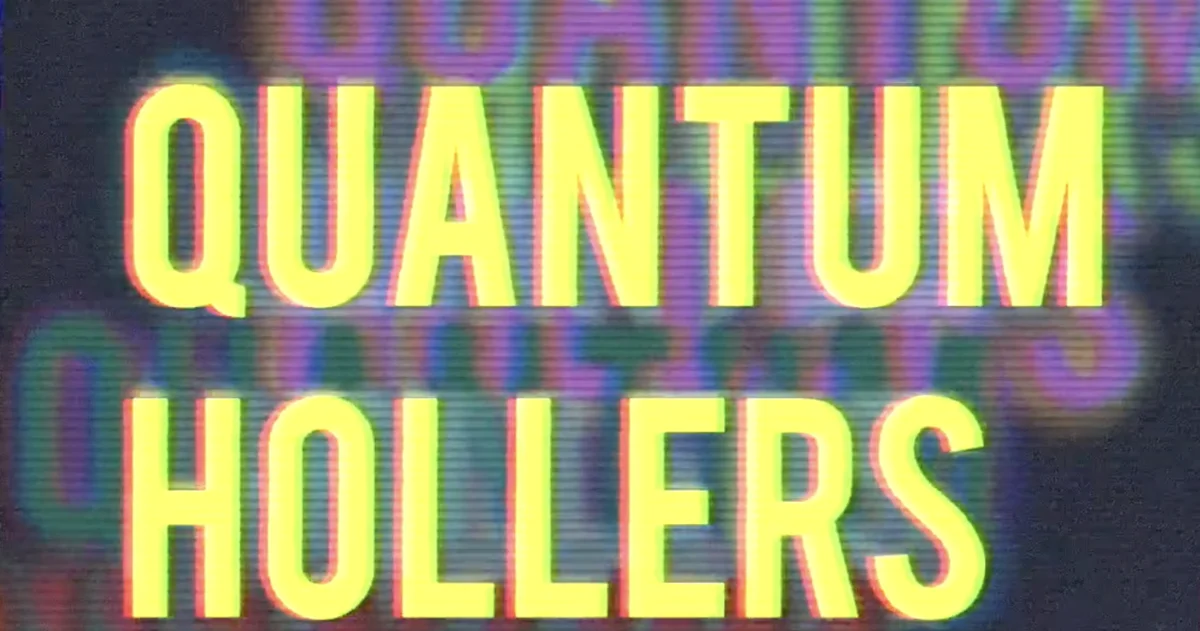
Buckhannon's "Quantum Hollers" Album Spotlights Thriving Local Music Scene
A new compilation album, "Quantum Hollers," from Buckhannon’s Church of Sound Netlabel showcases the city's burgeoning music scene, deeply rooted in the Colonial Arts Center’s vibrant programming.

Buckhannon, West Virginia, a town increasingly recognized for its vibrant arts community, is celebrating a significant milestone with the release of “Quantum Hollers,” a new compilation album that not only showcases local musical talent but also underscores the profound impact of grassroots arts programming. Released on February 11 by The Church of Sound Netlabel, this 17-track album is a testament to the city’s thriving creative spirit, featuring a diverse array of artists with strong ties to the Colonial Arts Center (CAC). More than half of the artists on “Quantum Hollers” are directly connected to the CAC’s initiatives, highlighting the successful cultivation of a supportive ecosystem for budding and established musicians alike in North Central West Virginia. The album's release is a clear indicator that intentional, community-driven arts support can yield tangible and inspiring results, fostering a rich cultural landscape in unexpected places.
Roots of a Resurgent Scene: The Colonial Arts Center's Influence
The burgeoning music scene in Buckhannon is not a spontaneous occurrence but rather the cultivated outcome of dedicated efforts, primarily spearheaded by the Colonial Arts Center (CAC). The CAC has emerged as a central hub for artistic expression, offering programs that provide both performance opportunities and essential skill development for local musicians. As detailed by My Buckhannon, the artists featured on "Quantum Hollers" are deeply integrated into the CAC's framework, either as performers at its popular Local Music Night or as active members of the Buckhannon Songwriters workshop. These programs serve as vital incubators for creativity, offering free, all-ages access to both creators and audiences. The Local Music Night series, for instance, ensures fair pay for original local acts while providing professional performance opportunities, a crucial element for nurturing a sustainable local music economy. Similarly, Buckhannon Songwriters offers a supportive and free monthly workshop for individuals of all ages and experience levels, fostering an environment where original material can be developed, shared, and refined. This strategic approach by the CAC has been instrumental in building the foundation for the kind of diverse and authentic musical expression found on "Quantum Hollers."
"Quantum Hollers" Illuminates Local Talent and Global Reach
"Quantum Hollers" stands as the fourth compilation released by The Church of Sound Netlabel, a not-for-profit digital record label committed to providing free distribution for original artists. This latest offering features 17 tracks that span an eclectic range of genres and styles, showcasing both seasoned performers and emerging voices. While the album includes artists from around the world, its heart firmly beats with the rhythm of North Central West Virginia. Ten of the 17 artists have direct connections to the Colonial Arts Center’s programming, proving the efficacy of local investment in the arts. Notably, the tracklist, from Comma, Splice’s “Tangerine” to the album’s namesake track by somnbody, exemplifies this diversity, featuring artists like Christopher Seymer, Billy_is_so_serious, BJ Hoffman, Pierson Keating, and Acid Mind Drainage, all contributing unique sonic landscapes. Even the newest CAC program, Studio 4, played a significant role, providing recording space and offering training for one artist to mix their own track, thus removing financial and educational barriers to professional music production. Bryce O’Loughlin, the netlabel founder and architect of the CAC’s music programs, emphasized this point, stating, “The release of Quantum Hollers shows how music programming that is specifically geared toward creativity will produce results,” as reported by My Buckhannon. This compilation is not just a collection of songs; it’s a powerful statement about the tangible success of community-driven arts initiatives.
Analysis: The Power of Grassroots Arts Incubation
The success of "Quantum Hollers" and the vibrant local music scene it represents offers a compelling case study in the power of grassroots arts incubation, particularly in small and mid-sized communities. In an era where major label contracts are fewer and far between, and digital distribution often proves overwhelming for independent artists, organizations like The Church of Sound Netlabel and the Colonial Arts Center provide essential infrastructure. This model contrasts sharply with the top-down, commercial-driven music industry often highlighted by mainstream media, such as the career trajectory of an artist like Lucinda Williams, who, despite her storied decades-long career and numerous Grammy nominations, still speaks to the artist's role in conveying the world's realities, as detailed by PBS. While Williams carved her path through a different era of the music industry, the underlying desire for artistic expression and impact remains universal. What Buckhannon demonstrates is a highly localized, community-centric pathway for contemporary artists to find their voice and reach an audience. By deliberately removing barriers to entry—offering free workshops, performance spaces, and even professional production training—the CAC and Church of Sound are democratizing artistic creation and dissemination. This approach not only fosters individual talent but also strengthens the cultural fabric of the entire community, proving that a thriving arts scene can be built from the ground up, with local investment and tireless dedication.
Program-Driven Development and Community Partnerships
The array of programs offered by the Colonial Arts Center directly contributes to the cohesive development of Buckhannon’s music scene. Local Music Night, the free, all-ages concert series, not only provides vital performance spaces but also ensures fair compensation for original acts, fostering a professional environment for musicians. This series has been instrumental in growing the local talent pool, creating a cyclical benefit where more artists are nurtured, leading to more original content for compilations like "Quantum Hollers." The Buckhannon Songwriters workshop, a free monthly initiative, acts as a crucible for new material, offering a safe and supportive space for creative development and peer feedback. This is where many of the album’s tracks likely began their journey, evolving from raw ideas to polished pieces. Furthermore, the introduction of Studio 4, even late in the album’s production cycle, signifies a critical step forward. This program offers free music recording and production skills training, directly addressing one of the most significant hurdles for independent artists: access to professional tools and instruction. As My Buckhannon highlighted, Studio 4 was utilized for portions of recording on "Quantum Hollers" and provided training for one artist to mix their own track, illustrating its immediate impact. These programs, meticulously built and networked by individuals like Bryce O’Loughlin, form a robust infrastructure for artistic growth, proving that strategic, well-supported initiatives can indeed yield impressive creative output.
Looking Ahead: Sustaining the Momentum
The success of "Quantum Hollers" and the ongoing vibrancy of Buckhannon’s music scene hinge on sustained community support and continued innovation. The upcoming Local Music Night on March 14, featuring Acid Mind Drainage, Waking Under Water, and Wish Awake, signals the beginning of the 2026 season and a commitment to ongoing programming. Crucially, the event’s sponsorship by The GreenEggs Foundation, whose mission includes inspiring creativity in school-age children, highlights the importance of intergenerational investment in the arts. However, the Colonial Arts Center's call for additional local business partners to support the 2026 season underscores the perpetual need for funding to maintain and expand these vital programs. Sponsorship directly funds artist pay, production costs, and ensures free community access, all of which are indispensable for cultural sustainability. The ambition to add one or two more shows to this year’s lineup demonstrates a desire for growth, but this expansion will rely heavily on continued community and corporate backing. Buckhannon has set a compelling example of how a town can foster a thriving local music ecosystem, and the next chapter will be defined by its ability to secure the resources necessary to keep the momentum going. Individuals and businesses interested in contributing to this dynamic cultural movement are encouraged to connect with Bryce O’Loughlin directly, ensuring a bright future for Buckhannon’s burgeoning music landscape.