Favourite Girl's Debut Album: A Feminist Rock Reckoning Takes on the Old Boys' Network
Katy Vernon's metamorphosis into Favourite Girl delivers a potent debut album of "Feminist Resistance Rock," challenging industry norms with infectious, expertly crafted songs.

In a bold move that speaks volumes about artistic autonomy and a pointed rejection of traditional industry structures, Katy Vernon has shed her given name to emerge as Favourite Girl, delivering a self-titled debut album that The Big Takeover describes as an act of "backing herself, remembering who she makes music for, and finally realizing that chasing the patriarchal stamp of the music industry is not the way it should be." Released on April 11, 2026, this collection of pop-infused rock anthems, laced with punk sensibilities and undeniable infectiousness, positions Favourite Girl squarely at the forefront of a burgeoning wave of artists prioritizing authentic expression over predefined industry molds. Far from a serious or uptight affair, this record is a vibrant, shouty declaration of independence, celebrating personal insight and rebellious spirit through exquisitely crafted songs.
The Genesis of Favourite Girl: A Deliberate Transformation
The journey from Katy Vernon to Favourite Girl is not merely a rebranding; it's a profound statement of intent. While artists frequently transition from band projects to solo careers under their own names, the inverse – adopting a band moniker for a solo endeavor – is a rare and deliberate act, signaling a significant shift in artistic identity and purpose. The Big Takeover highlights this transition as Vernon's direct challenge to the "Old Boys' Network" prevalent in the music industry. The choice of "Favourite Girl," particularly its inherently gendered nature, serves as a powerful reclamation, subverting expectations and spotlighting the female experience within a rock context. This isn't just about making music; it's about making a point, creating space, and demonstrating that profound messages can be delivered with both passion and playful defiance. The album is a testament to an artist finding her uncompromised voice, untethered from the pressures of external validation.
"Feminist Resistance Rock" and Its Sound
The musical landscape of Favourite Girl's debut is as compelling as its ideological underpinnings. The Big Takeover immediately dubs it "Feminist Resistance Rock," a label that perfectly encapsulates the album's dual nature: intellectually challenging yet sonically exhilarating. Tracks like the opener, "Thank You," explode with "pop-infused rocker, sax-soaked and full-out shouty, stabby gang-vocal interludes," showcasing an immediate command of dynamics and melody. This is followed by "Not Going Back," which employs "crunchy guitars, brilliant dynamic ebbs and flows, and super-smooth vocals" to reinforce the album's energetic core. The influence of early nineties UK "blonde pop" is noted in "Confetti," a track praised for its fusion of "punk drive meets pop finesse," drawing parallels to bands like The Darling Buds. The album culminates with its title track, serving as a lyrical and sonic summarization of the preceding journey. Each song, while contributing to a larger rebellious narrative, stands as a finely crafted piece of music, demonstrating that powerful messages can resonate most effectively when delivered through great, accessible art.
Echoes of Rebellion: A Broader Artistic Context
Favourite Girl's defiant approach to the music industry and its pursuit of authentic expression, regardless of established norms, resonates deeply with historical precedents of artistic independence. One such powerful parallel can be drawn to the genesis of “outlaw country” music. Fifty years ago, a movement emerged in Texas, immortalized by albums like "Wanted!" featuring Waylon Jennings and Willie Nelson, which served as a "musical middle finger to the polished Nashville scene," as documented in the docuseries "They Called Us Outlaws." Texas Standard reports on filmmaker Eric Geadelmann's insights, revealing that while the "outlaw" label was largely a marketing construct, the artists themselves were simply "doing what they did, just following what’s inside themselves regardless." This "regardless" is the crucial link. Like the outlaw country artists rejecting Nashville's corporate grasp, Favourite Girl is consciously stepping outside a patriarchal music industry, defining her own terms. Both movements illustrate a potent resistance to prescriptive industry formulas, prioritizing artistic integrity and community building over commercial mandates. This shared ethos underscores a recurring narrative in music history: true innovation and lasting impact often arise from artists who refuse to play by arbitrary rules, choosing instead to forge their own path based on an intrinsic artistic drive.
Analysis: The Shifting Tides of Music Industry Autonomy
Favourite Girl's debut arrives at a fascinating juncture in the music industry, one where traditional gatekeepers are increasingly challenged by direct-to-fan models and artists are reclaiming control over their narratives. The explicit rejection of the "patriarchal stamp" and the embrace of "Feminist Resistance Rock" by Katy Vernon, as highlighted by The Big Takeover, is more than just a personal artistic statement; it reflects a broader industry trend. In an era where social media and independent distribution platforms empower artists to bypass traditional labels and their often-restrictive contracts, the incentive to conform to "old boys' network" expectations diminishes. This allows for a flourishing of diverse voices and genres, where the emphasis shifts from industry-defined marketability to raw, authentic connection with an audience. Favourite Girl's strategic move to a band name, rather than a solo moniker, further emphasizes a collective spirit, potentially signaling a community-centric approach to her artistry, drawing strength from shared experiences rather than individual celebrity. This album, therefore, isn't just a collection of songs; it’s a blueprint for artistic self-determination in the 21st century, a powerful example of how creative freedom can thrive when artists deliberately opt out of exploitative systems.
Additional Details: The Sound of Self-Realization
The album’s sonic palette is a vibrant tapestry that belies its serious underlying message. The Big Takeover's review paints a picture of an album rich with dynamic contrasts and infectious energy. The "sax-soaked" opener, "Thank You," immediately establishes a lively, celebratory tone, indicating that resistance doesn't equate to solemnity; it can be joyful and expansive. The mention of "gang-vocal interludes" suggests a communal spirit, echoing the idea of collective strength in challenging established norms. The "crunchy guitars" and "brilliant dynamic ebbs and flows" in "Not Going Back" demonstrate a sophisticated understanding of rock songwriting, maintaining listener engagement through varied textures and intensities. Furthermore, the comparison of "Confetti" to the "blonde pop" scene of the early nineties UK, and bands like The Darling Buds, is telling. It grounds Favourite Girl's sound in a lineage of pop-rock that combined catchy melodies with a distinctive edge, suggesting an appeal that is both nostalgic and refreshingly contemporary. This intricate blend of punk drive, pop finesse, and rock energy ensures that while the album carries a potent message, it remains first and foremost a compelling musical experience, designed to captivate and energize its audience through sheer catchiness and expert musicianship.
Looking Ahead: The Future of Independent Voices
Favourite Girl's self-titled debut marks not just a new chapter for Katy Vernon but potentially for a wider movement of artists embracing radical self-ownership. As artists like Favourite Girl consciously step away from traditional industry structures, the landscape of music production and consumption continues to evolve. The success of this album will be a crucial test case for the viability of "Feminist Resistance Rock" as a commercially resonant genre and as a powerful artistic identity. It will be interesting to observe how Favourite Girl's independent path contrasts with the highly commercial, major-label driven tours, like the recently announced "Raymond & Brown" stadium tour featuring Usher and Chris Brown, as reported by Art Threat. While both approaches serve different artistic and commercial ambitions, Favourite Girl's unapologetic stance highlights a growing demand for music that is not only entertaining but also meaningful and authentically produced. The album's impact will likely extend beyond its musical merits, inspiring other artists to critically evaluate and redefine their relationship with the music industry, fostering a more diverse and artist-centric ecosystem.
Related Articles
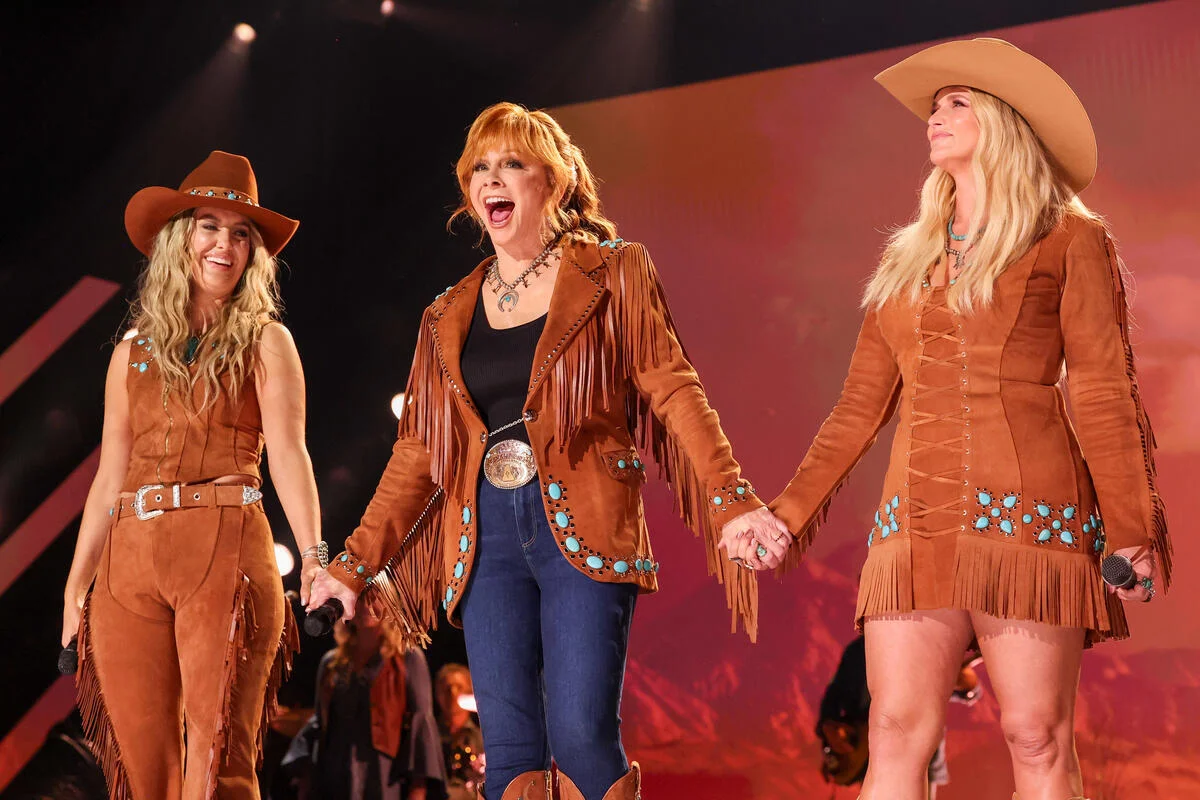
Women Dominate 61st ACM Awards Nominations, Signaling a Shift in Country Music Landscape
Megan Moroney, Miranda Lambert, Ella Langley, and Lainey Wilson lead nominations for the 61st Academy of Country Music Awards, with Moroney scoring nine nods, marking a historic and empowering moment for female artists in country music.