
Dominique Jones, aka DOE, celebrates a Grammy win for 'Heart of a Human' while navigating the complex music industry, highlighting both triumphs and tribulations from independent success to artistic disillusionment.
In a dynamic and often demanding music industry, the story of ascent is frequently accompanied by tales of resilience and creative adaptation. Such is the journey of singer-songwriter Dominique Jones, professionally known as DOE, who recently clinched a Grammy Award for Best Contemporary Christian Album for her work, "Heart of a Human." This triumph, achieved amidst the relatable chaos of new motherhood, underscores a career built on a blend of natural talent, strategic business acumen, and an unwavering artistic vision cultivated through innovative educational pathways. However, DOE's celebrated success also exists within a broader industry landscape that, while rewarding for some, can be a source of profound disillusionment for others, as evidenced by the candid reflections of veteran artists like Ashley Monroe who grapple with the perceived inequities and challenges of Music City.
Dominique Jones's musical roots run deep, nurtured within the vibrant embrace of gospel music from an early age. Growing up as a pastor's daughter, her formative years were spent performing at church, laying the groundwork for a career steeped in faith-based artistry. At just 17, her family band, forever JONES, garnered two Grammy nominations, offering an early glimpse into her significant potential. However, DOE's ambition extended beyond performance; she recognized the critical importance of understanding the intricate machinery of the music business itself. This realization led her to enroll in Full Sail University's Music Business program, a strategic move that provided her with essential tools for independence. As DOE recounts, "When I went independent, I built my own website because Full Sail taught me how to do that." This foundational knowledge of self-sufficiency, encompassing website creation, email management, bookings, and even entertainment law, armed her to navigate the industry's complexities. Her proactive approach to education underscores a growing trend among artists seeking to control their destinies in an evolving musical landscape, blending artistic passion with entrepreneurial drive, as detailed in a recent Full Sail University article.
The 2025 Grammy Awards marked a significant milestone for DOE, with her album "Heart of a Human" earning the accolade for Best Contemporary Christian Album. The moment of recognition, received unexpectedly while navigating an airport with her six-month-old son, highlights the often-unconventional realities of an artist’s life. This recent win adds to an already impressive list of achievements in her career, which includes eight Grammy nominations, two Dove Awards, and multiple Stellar Award nominations. Beyond her individual successes, DOE has continued to evolve artistically, demonstrating a commitment to growth and collaboration. She even returned to Full Sail to pursue a Creative Writing MFA, not for a music concentration, but to hone her storytelling abilities, saying, "My journal is songwriting." This pursuit deepened her descriptive writing skills, which she believes are crucial for crafting compelling narratives in her lyrics and, notably, assisted in a screenplay thesis that enhanced her ability to convey internal character dynamics. This analytical approach to her craft is evident in her extensive discography, featuring over 20 singles, two EPs, and two full-length albums released over the past decade. Her recent collaboration with Oscar and Grammy-winning artist Jon Batiste on the single "Black Boy" further illustrates her openness to diverse artistic partnerships and her continuously expanding creative horizons, as reported by Full Sail University. This wave of success for artists like DOE, particularly within the Christian music genre, mirrors a broader upward trend. Data from Spotify in 2024 revealed a staggering 60% surge in contemporary Christian music listenership over a five-year period alone, indicating a robust and expanding audience for faith-infused artistry, a phenomenon further exemplified by the massive success of artists like Tommee Profitt, who consistently sells out major venues like Nashville's Bridgestone Arena, generating immense fan engagement both locally and nationally, as highlighted in The Tennessean.
Dominique Jones's trajectory offers a compelling case study into the contemporary music industry – a landscape where traditional avenues of success are increasingly supplemented, if not supplanted, by entrepreneurial spirit and sophisticated self-management. Her decision to pursue both a Music Business degree and a Creative Writing MFA highlights a pivotal shift: artists are recognizing the necessity of becoming holistic creatives who are not only masters of their craft but also adept at navigating the complex legal, financial, and promotional aspects of their careers. This dual focus empowers artists to retain greater control over their intellectual property and brand identity, mitigating the vulnerabilities often exploited by industry gatekeepers. In an era where digital platforms democratize distribution but intensify competition, the ability to "build my own website," "manage emails and do bookings," and "understand of contracts" directly translates into sustainable independence and greater financial autonomy, a lesson DOE directly credits to her comprehensive education. Her journey also exemplifies the blending of artistic integrity with strategic market positioning, particularly within the booming Christian contemporary genre.
However, this narrative of empowerment and success, while inspiring, also exists adjacent to a more challenging reality within the music industry. The candid sentiments expressed by Ashley Monroe, a three-time Grammy nominee despite her "disillusionment" with Nashville, provide a striking counterpoint. Monroe's experience of feeling "unseen and undervalued" despite chart-topping collaborations and multiple Grammy nominations, as detailed in Billboard, underscores the enduring subjectivity and sometimes arbitrary nature of industry recognition. Her decision to channel this frustration into her album "Dear Nashville" is a powerful reminder that even artists with significant accolades can struggle with the emotional toll of an industry that doesn't always celebrate talent equitably. The contrast between DOE's educational empowerment and Monroe's feeling of being overlooked highlights a critical tension: while knowledge and business acumen are crucial, the human element of validation and recognition remains a potent, and often elusive, driver for artists.
DOE's artistic collaborations demonstrate a discerning approach to her craft. Her recent work with Jon Batiste on the track "Black Boy" is a significant example, with Batiste contributing piano and co-writing the bridge. This partnership showcases DOE's willingness to engage with diverse musical talents across genres, further enriching her sound and expanding her reach. Her pursuit of a Creative Writing MFA, while seemingly tangential to a music career, proves to be a shrewd investment in her core competency. By focusing on descriptive writing and the art of expressing internal character through a screenplay thesis, she developed a deeper understanding of narrative construction and emotional conveyance, which she explicitly applies to her songwriting, ensuring her lyrics resonate with profound authenticity. This commitment to continuous learning and refinement speaks to a broader trend among successful artists who view their careers as ever-evolving journeys requiring constant skill development.
Looking at the broader Christian music scene, DOE's success aligns with a strong and growing movement. Fellow artist Tommee Profitt, for instance, embodies the genre's surging popularity and creative dynamism. Profitt, known for his cinematic reinterpretations of hymns, has not only garnered over 200 million streams for his album "The Birth of a King" but has also translated this success into massively popular live shows. His ability to sell out venues like Bridgestone Arena for multiple nights, often months in advance, with a substantial portion of ticket sales coming from outside his home state, illustrates the dedicated and expansive fanbase within this niche. Profitt's journey, from unassuming musician to a visionary producer who composes for major platforms like the Olympics, Netflix, and Fortnight, further highlights the genre's increasing crossover appeal and its capacity to sustain artists who innovate and connect deeply with their audience, as vividly described in The Tennessean. This robust ecosystem provides fertile ground for artists like DOE to thrive, offering both a supportive community and a growing market.
As Dominique Jones continues to ride the wave of her Grammy success and the burgeoning popularity of contemporary Christian music, her immediate future looks promising. She is particularly enthusiastic about her forthcoming live worship album, expressing a deep desire for it to connect meaningfully with her audience. This pivot to a live recording underscores her commitment to authentic expression and a direct relationship with her listeners, echoing the immersive experiences crafted by contemporaries like Tommee Profitt. For the broader music industry, DOE's journey, alongside the candid insights from artists like Ashley Monroe, serves as a vital blueprint and a cautionary tale. It emphasizes the increasing need for artists to acquire robust business and communication skills, while simultaneously advocating for greater transparency and equitable recognition within an industry that can be both immensely rewarding and deeply challenging. The continued growth of niche genres like Christian contemporary music suggests a future where diverse artistic voices, empowered by education and independent strategies, can find significant success outside of traditional mainstream avenues, redefining what it means to "make it" in music.

Britney Spears has sold her music catalog to Primary Wave, marking a significant financial move amid broader shifts in the music industry, including the rise of AI-generated music and evolving artist priorities.
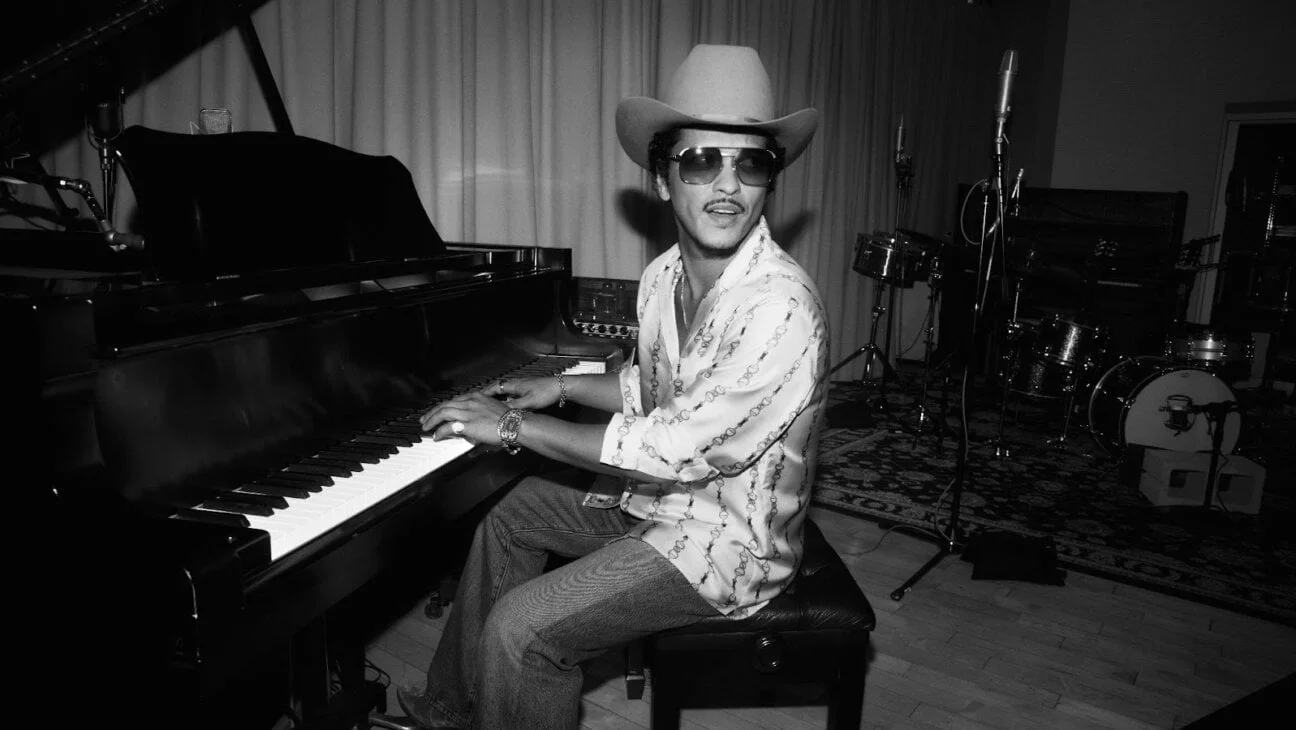
iHeartMedia and TikTok declare a "new blueprint" for artist launches after Bruno Mars' 'The Romantic' debuted at No. 1 following a unique cross-platform broadcast attracting billions of impressions.
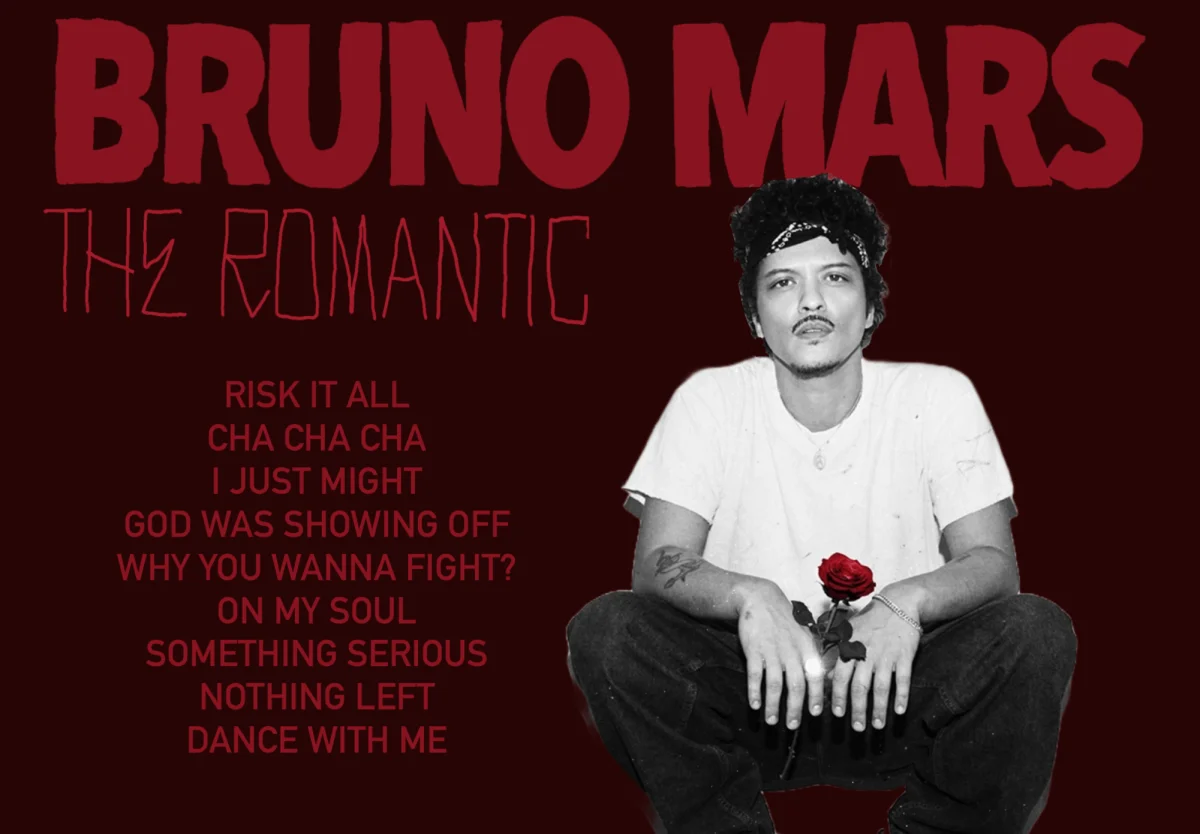
Bruno Mars secures his first No. 1 album in over a decade with 'The Romantic,' defying industry shifts and AI concerns, while topping the Billboard 200 with 186,000 units.