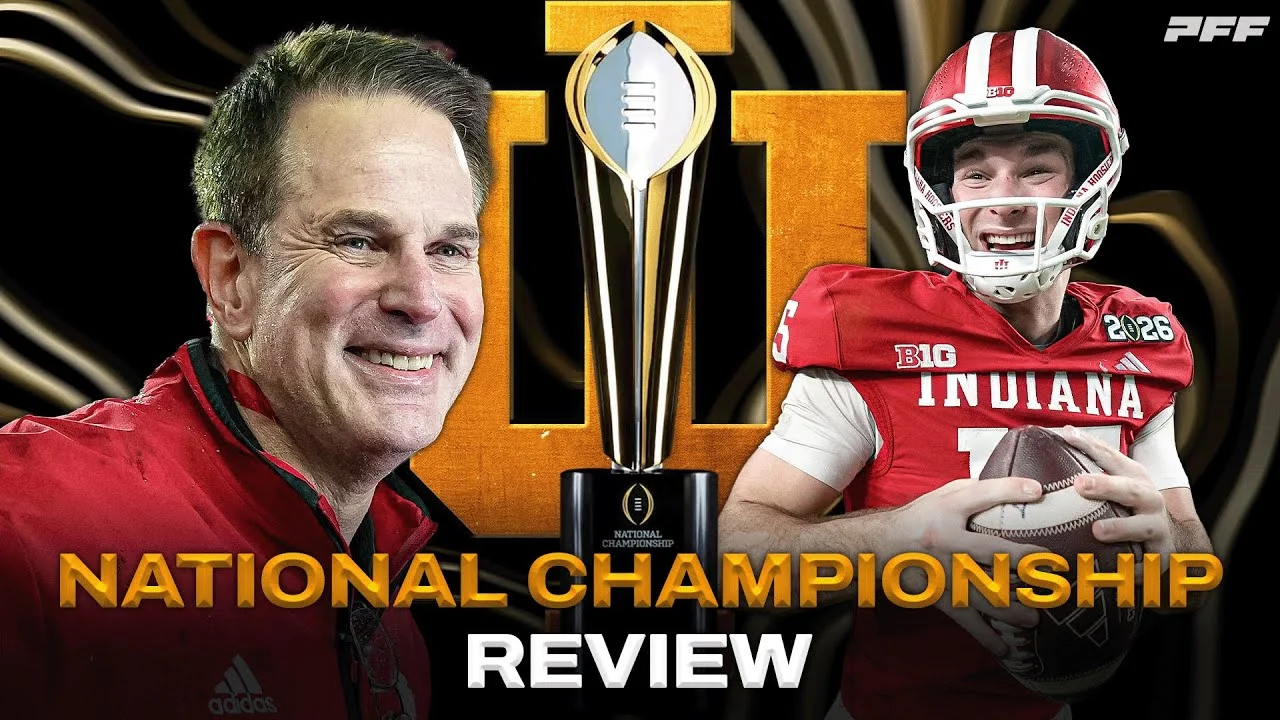
As the 2026 college football season approaches, experts weigh in on the national championship favorites and sleeper teams, highlighting Big Ten dominance and SEC challengers.
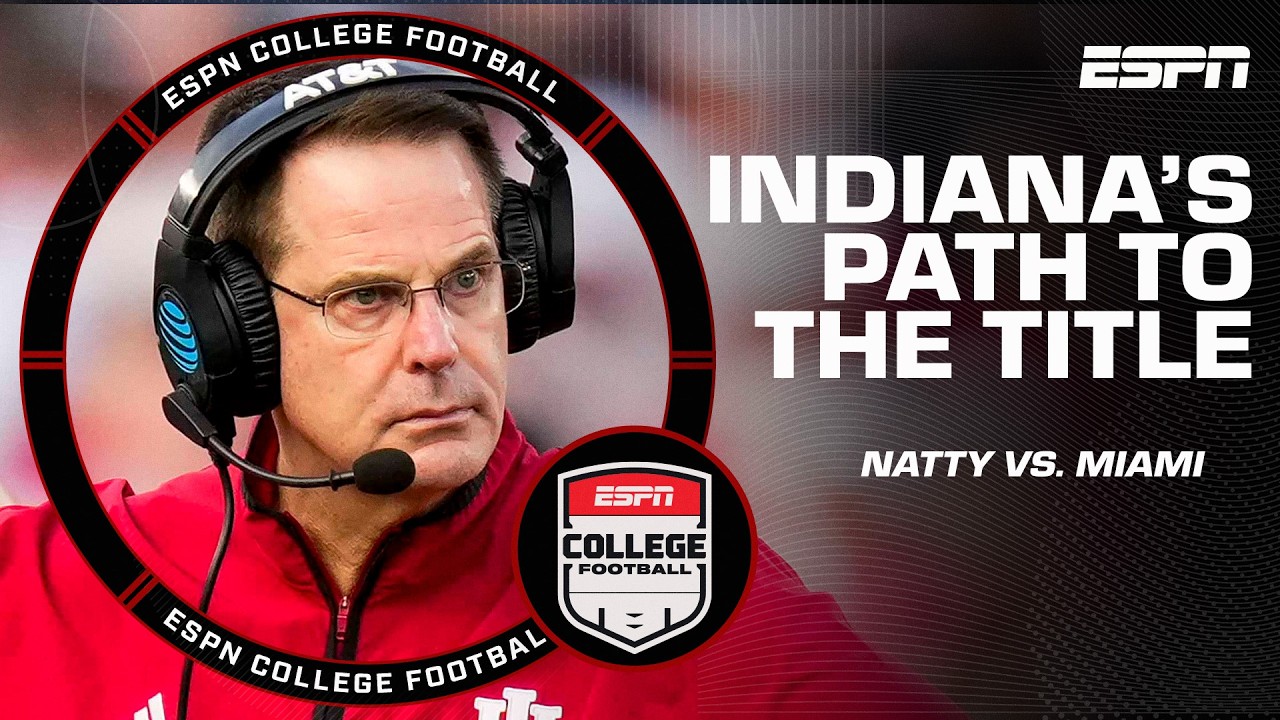
The Indiana Hoosiers' path to the College Football Playoff National Championship 😤
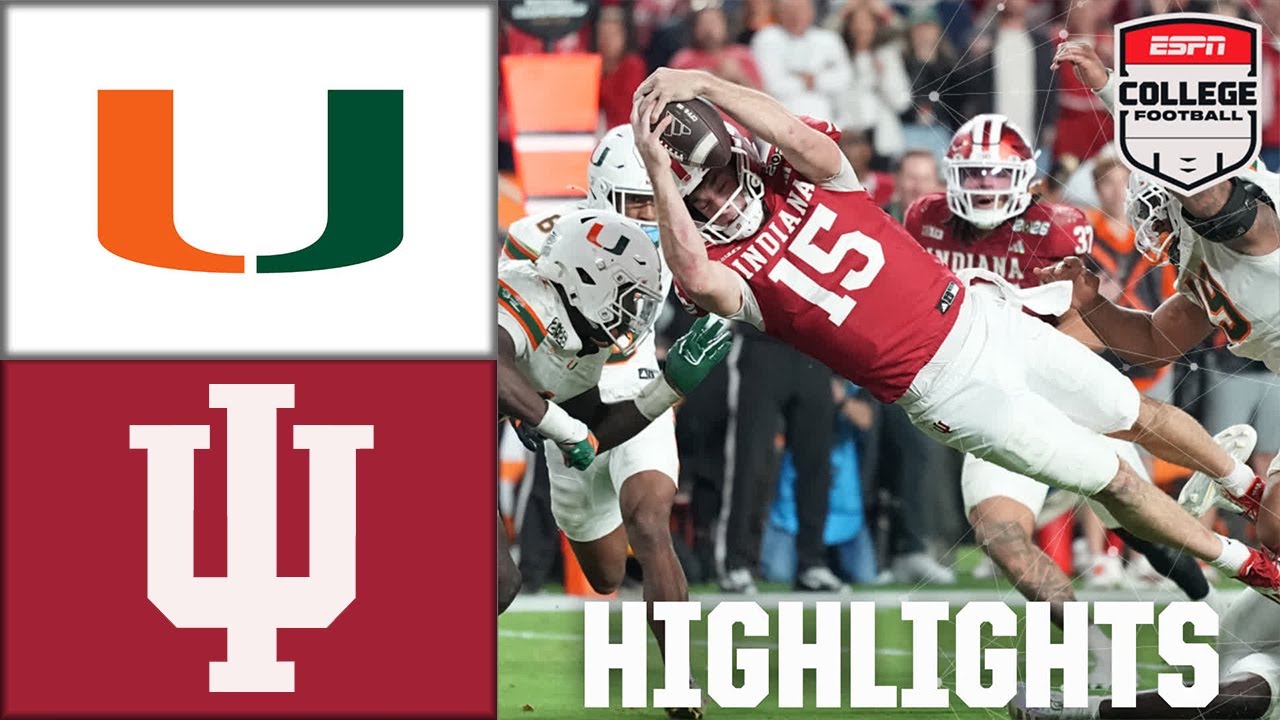
CFP National Championship: Miami Hurricanes vs. Indiana Hoosiers | Full Game Highlights | ESPN CFB
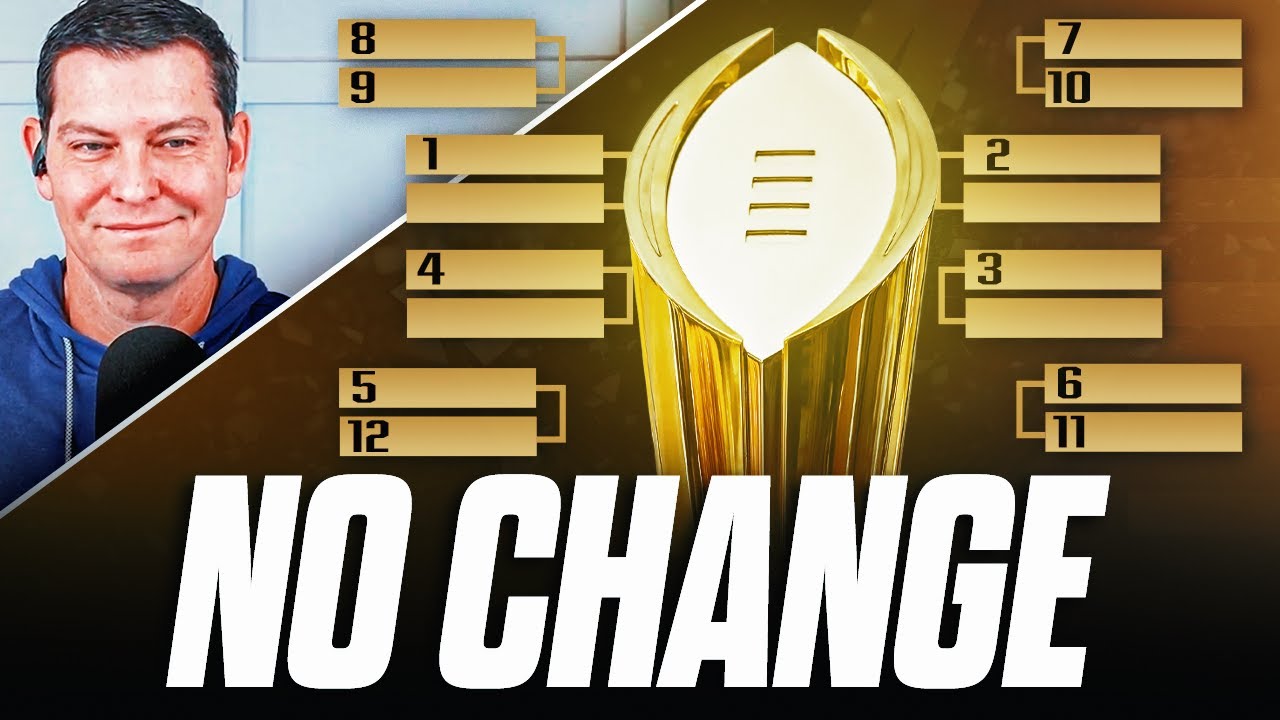
College Football Playoff format to STAY at 12 teams for the 2026 season
The landscape of college football is in constant flux, but the quest for the 2026 national championship is already sparking intense debate among analysts and fans alike. While the Big Ten has established a recent foothold on the sport's pinnacle, the Southeastern Conference (SEC) is mounting a formidable challenge, showcasing its perennial depth and an influx of talent through strategic portal acquisitions. As the next championship cycle looms, a fascinating battle is set to unfold, with established powerhouses like Ohio State and Texas vying for supremacy alongside intriguing dark horses such as Utah and Indiana, according to recent expert projections.
For years, the SEC reigned supreme, consistently boasting multiple national champions and a reputation for unparalleled talent. However, the narrative has undeniably shifted. As Yahoo Sports contributor Blake Toppmeyer starkly puts it, it's now "the Big Ten’s throne." This declaration acknowledges a recent trend where the Big Ten has asserted itself at the highest level of college football. This isn't to say the SEC has fallen by the wayside; indeed, it "runs deeper than either the ACC or the Big 12," making it the most significant impediment to a prolonged Big Ten dynasty. The competition for gridiron glory is intensifying, especially as conferences realign and the transfer portal reshapes rosters with unprecedented speed. The 2026 season promises to be a critical juncture in determining whether the Big Ten can solidify its reign or if the SEC, or perhaps even an ACC dark horse like Miami, can reclaim national prominence.
The USA TODAY Network’s “SEC Football Unfiltered” podcast, featuring hosts Blake Toppmeyer and John Adams, recently offered a compelling sneak peek into the 2026 national title race through a unique snake-draft format. This exercise provided an insightful look at which teams are garnering serious consideration from seasoned analysts. Adams, with the No. 1 pick, boldly selected Texas, citing their success in the transfer portal and Arch Manning's late-season emergence as a top-tier quarterback. Toppmeyer countered with perennial powerhouse Ohio State, emphasizing their consistent influx of talent, including Julian Sayin, Jeremiah Smith, and Bo Jackson, poised for another playoff push. The draft continued with Toppmeyer adding Notre Dame, banking on CJ Carr's leadership and a favorable schedule, while Adams looked to Miami, highlighting offensive stalwarts Mark Fletcher and Malachi Toney, and the potential upgrade Darian Mensah could bring at quarterback. The selections underscored a blend of traditional powerhouses and programs on the rise, all making moves to position themselves for a championship run. The strategic picking saw a balanced representation, with four SEC teams, four Big Ten teams, and contenders from the ACC and Big 12 making the cut, demonstrating the breadth of talent across the major conferences vying for the sport's ultimate prize, as detailed by Yahoo Sports.
The expert draft by Toppmeyer and Adams not only highlights potential contenders but also underscores several critical trends shaping college football. Firstly, the transfer portal's transformative power is undeniable. Teams like Texas, LSU under Lane Kiffin, and even Indiana are leveraging the portal to plug crucial gaps and inject immediate talent, demonstrating that national title aspirations are increasingly tied to portal success. This rapid roster construction often prioritizes immediate impact over long-term development, a significant shift from previous eras. Secondly, quarterback play remains paramount. The mentions of Arch Manning's improvement for Texas, Julian Sayin's potential for Ohio State, CJ Carr for Notre Dame, and Brendan Sorsby for Texas Tech, illustrate that elite quarterbacking is almost a prerequisite for deep playoff runs. Thirdly, the financial backing of programs, as seen with Texas Tech's "mega booster" Cody Campbell "doubling down" after a CFP quarterfinal exit, emphasizes the growing role of financial investment in securing top coaching and playing talent. This raises questions about competitive balance and the increasing stratification of college football. The 2026 season will serve as a crucial barometer for these evolving dynamics, revealing which strategies – be it portal reliance, sustained recruiting, or financial might – prove most effective in capturing the elusive national championship. The regional sports news, while focused on local events, often mirrors these broader collegiate sports trends. For instance, the high school basketball coverage in Observer Today, showcasing senior night emotions and comeback stories, indirectly speaks to the foundational level of talent development that eventually feeds into the collegiate system, where passion and perseverance are cultivated before players reach the demanding elite level.
Delving deeper into the analyst's picks, several teams emerge with clear pathways and intriguing question marks. Toppmeyer's choice of Georgia, despite its perceived inactivity in the portal, speaks to the inherent strength of their program and a favorable schedule. His inclusion of Indiana, propelled by Josh Hoover and Curt Cignetti’s ability to develop transfer quarterbacks, positions them as a compelling sleeper from the Big Ten, despite recent departures. Adams' keen eye for underdog potential is evident in his selections of Texas Tech and Utah. Texas Tech's investment in quarterback Brendan Sorsby and the commitment from its boosters indicate a program ready to ascend, especially after their strong showing in a CFP quarterfinal. Utah, with quarterback Devon Dampier's late-season heroics, represents a bold, but perhaps prescient, dark horse pick. The repeated appearance of various Texas-based teams (Texas, Texas A&M, Texas Tech) also subtly highlights the ongoing impact of the state's talent and financial resources within the college football landscape. The debate over team composition, whether favoring established programs like Georgia or transfer-heavy squads like LSU, will be a central theme of the 2026 season. Even local sports news, such as the daily pitch from The News-Gazette, underscores the broader sporting environment, touching on everything from Illinois baseball to college basketball bracketology, serving as a reminder that the passionate sports culture extends from local events to the highest echelons of professional and collegiate competition.
The "SEC Football Unfiltered" podcast offered a fascinating breakdown of these choices. Toppmeyer's complete roster included Ohio State, Notre Dame, Georgia, Indiana, Texas A&M, and USC. Adams, on the other hand, went with Texas, Miami, LSU, Texas Tech, Oregon, and Utah. The hosts' reactions to each other's picks were telling, with Toppmeyer regretting missing out on Miami and Adams noting Toppmeyer's "heavy on the Big Ten" selections. This reflects the core tension in the current college football playoff debate: will the Big Ten's recent success continue, or will the SEC reassert its historical dominance? The presence of teams like Oregon, consistently strong but often falling short in the playoffs, adds another layer to the discussion, begging the question of whether they can finally break through. The inclusion of teams like USC with Lincoln Riley at the helm, despite defensive concerns, signals a belief in elite offensive firepower to carry a team, especially with a talent like Jayden Maiava at quarterback.
As college football hurtles towards the 2026 season, several key factors will inevitably shape the national championship conversation. The expanded College Football Playoff format will introduce new dynamics, potentially allowing more teams from diverse conferences to contend. The continued evolution of the transfer portal and NIL (Name, Image, and Likeness) deals will undoubtedly influence roster construction and team chemistry, making in-season adjustments and coaching acumen more critical than ever. The pressure on top-tier quarterbacks, many of whom are still relatively young, will be immense. Their development, combined with the strategic prowess of coaches like Lane Kiffin at LSU and Curt Cignetti at Indiana, will define the trajectories of their respective programs. The battle between the Big Ten and the SEC for national supremacy is set to intensify, offering a captivating narrative for years to come. Fans should keep a close eye on early season matchups, significant transfer portal moves in the off-season, and the performance of these projected contenders as the path to the 2026 national title begins to unfold, promising another thrilling chapter in college football history.
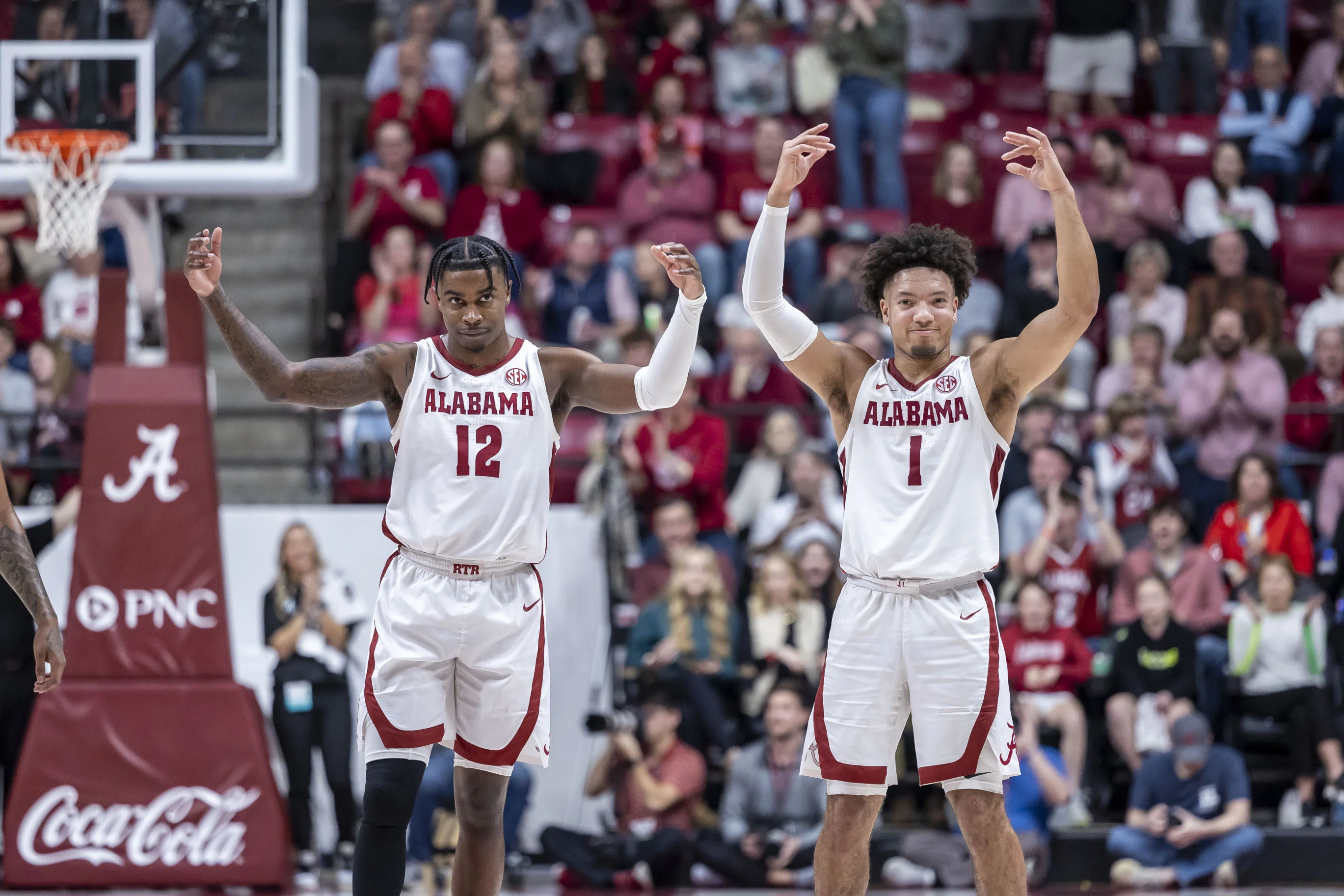
Alabama men's basketball has climbed to a projected No. 3 seed in USA TODAY Sports' latest March Madness bracketology, even before their SEC Tournament debut. The Crimson Tide are poised for a deep NCAA run.
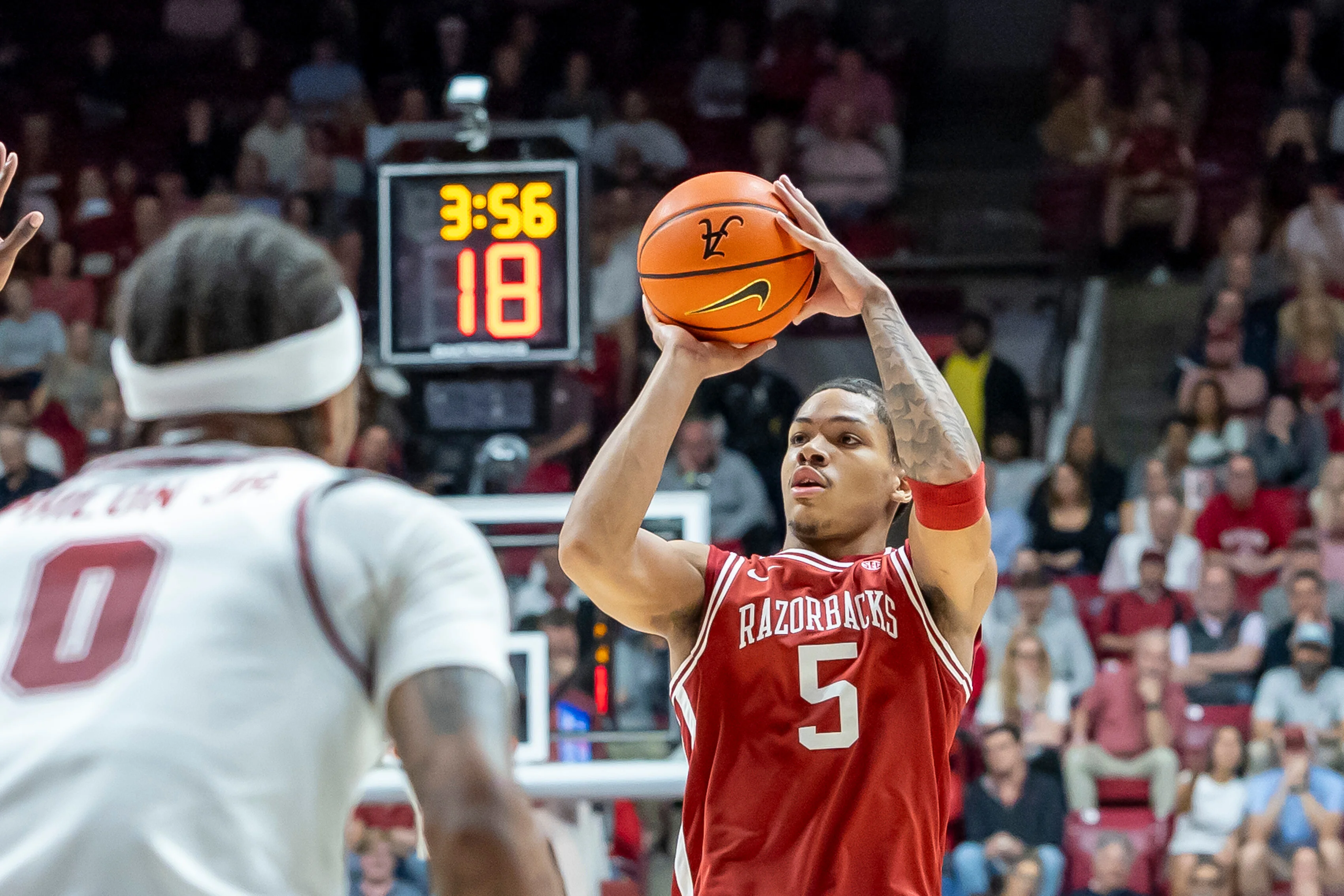
Arkansas freshman Darius Acuff Jr. earns First Team All-America honors from The Sporting News, making history as SEC Player of the Year with elite scoring and assist numbers, drawing comparisons to college basketball legends.
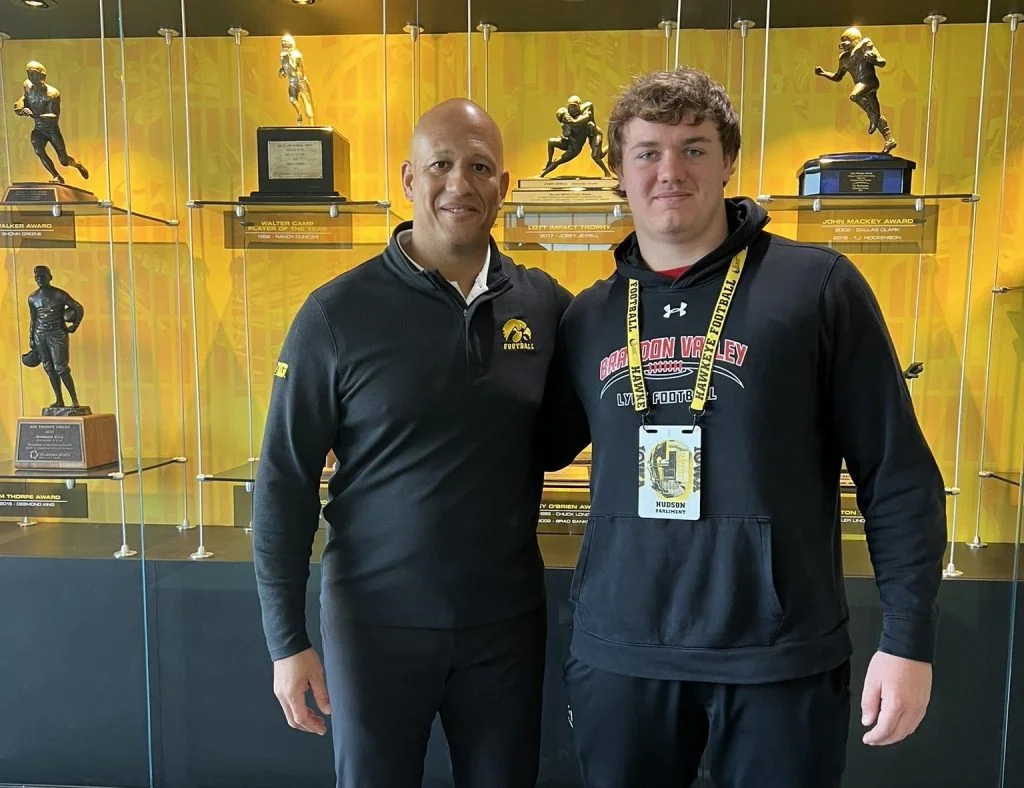
Hudson Parliament, a two-time Gatorade Player of the Year, leveraged Sanford Sports Academy's training to achieve his dream of playing for the Iowa Hawkeyes.