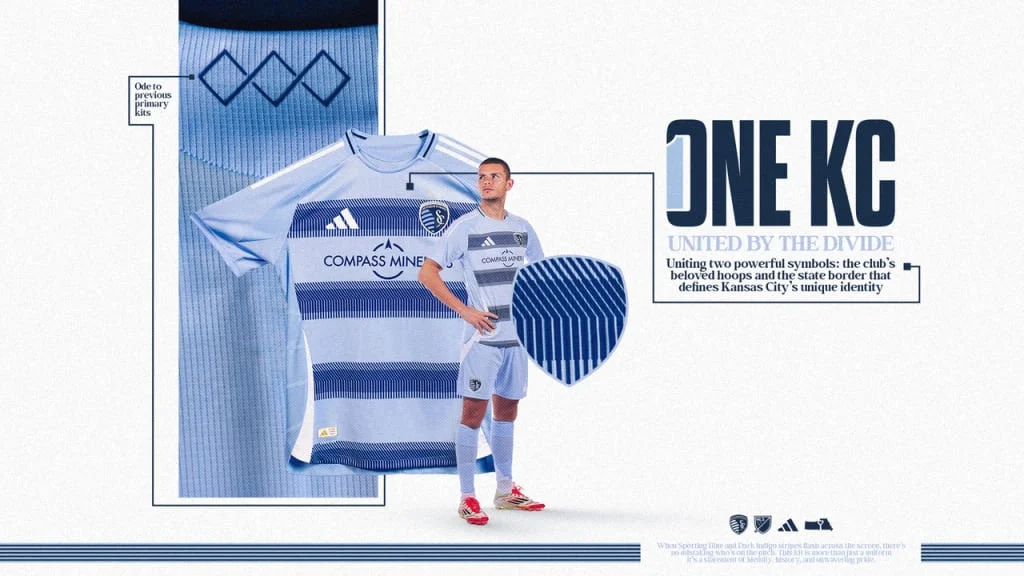
Sporting Kansas City launches a new secondary jersey inspired by the historic 18th & Vine Jazz District, signaling a trend of cultural integration and technological advancement across Kansas City's athletic landscape, as the Big 12 prepares an LED glass court debut.
Kansas City is buzzing with a confluence of sporting innovation and cultural homage, epitomized by Sporting Kansas City’s unveiling of its new secondary jersey. Named the "18th & Vine kit," this design is a vibrant tribute to the city's historic Jazz District, a move that intertwines civic pride with professional athletics. This jersey launch, however, is just one facet of a broader narrative unfolding in Kansas City and the wider sports world, where tradition meets cutting-edge technology and global events capture local attention. From high-tech basketball courts poised to revolutionize collegiate sports to major international competitions, the landscape of competitive performance and fan engagement is undergoing significant transformations, with Kansas City frequently at the epicenter of these developments.
The newly unveiled 18th & Vine kit from Sporting Kansas City is far more than just a uniform; it's a profound statement on the club's commitment to its city's rich cultural tapestry. The jersey meticulously honors the legendary 18th & Vine Jazz District, a cornerstone of Kansas City's identity and home to institutions like the American Jazz Museum. This isn't Sporting KC's first foray into designing kits that reflect local heritage, but this latest iteration sets a new benchmark for how sports franchises can integrate themselves into the cultural fabric of their communities. The design features neon-inspired script, rhythmic patterns, and bright, glowing accents, all deliberately chosen to mimic the vibrant signage that has long illuminated the district's nocturnal life. A particularly poignant detail is the inclusion of sheet music from Wilbert Harrison’s iconic "Kansas City (Here I Come)" within the collar — a timeless anthem that resonates deeply with the city's spirit. Such thoughtful integration of local history and art positions Sporting Kansas City not just as a sports team, but as a cultural ambassador, reinforcing the deep connections between the club and the community it represents, according to Sporting Kansas City.
The launch of the 18th & Vine kit heralds "an expressive era that celebrates creativity and community with bold style and civic connection," as described by Sporting Kansas City. The new jersey is not merely a design update but a conscious effort to blend sport, culture, and entertainment, aiming for a broader appeal than just traditional football fans. The kit's unveiling was itself a multi-faceted event, featuring a 45-second video narrated by Bob Kendrick, President of the Negro Leagues Baseball Museum, also located in the 18th & Vine District. Furthermore, UMKC jazz students performed spontaneously on the KC Streetcar, surprising commuters and bringing the spirit of the district directly to the city's residents. This creative launch strategy underscores the club’s intent to engage with the community beyond the confines of the stadium. The jersey will make its debut at Sporting Kansas City's home opener on February 28 at Sporting Park and will be a fixture for the next three seasons, through the 2027-28 campaign. Fans eager to sport the new kit can purchase it online at SportingStyle.com or MLSstore.com, with in-person options available at the Sporting Style store at Sporting Park. This expansive retail and promotional strategy ensures the kit's message—and the district it represents—reaches a wide audience.
Beyond the soccer pitch, Kansas City is also set to become a proving ground for sports technology. The Big 12 Conference will introduce a full LED glass basketball court for the first time in official competition at the Men’s and Women’s Basketball Tournaments at T-Mobile Center next month. This ASB GlassFloor technology, previously seen at the NBA All-Star game and international events, promises real-time digital graphics, interactive fan games, and dynamic branding directly under the players’ feet. Big 12 Commissioner Brett Yormark emphasized that this innovation positions "the Big 12 as a different league and national leader in elevating the game," placing Kansas City at the forefront of collegiate sports presentation, according to FOX4KC.com. This mirrors the global push for innovation, much like the 2026 Winter Olympics in Milan Cortina, where new events like women's luge doubles and technological advancements in broadcasting are enhancing viewer engagement and athlete performance, as reported by The New York Times. The confluence of these events highlights a broader trend: sports organizations are continually seeking ways to enrich the fan experience and solidify their connection to both local culture and cutting-edge advancements.
The dual focus on cultural heritage and technological innovation in Kansas City's sports scene speaks volumes about the evolving landscape of professional and collegiate athletics. Sporting KC's 18th & Vine jersey is more than just merchandise; it's a strategic move to deepen community roots and brand identity in an increasingly competitive market. By wrapping the team in the narrative of a historic district, the club not only honors a vital part of Kansas City – a tactic that resonates especially well with MLS’s strong local fanbases – but also creates an emotional connection that transcends wins and losses. This approach to branding ensures loyalty and participation, integrating the club into the social fabric rather than existing solely as a sporting entity. Moreover, the interactive launch, including performances on the KC Streetcar and the involvement of the Negro Leagues Baseball Museum, demonstrates a sophisticated understanding of modern marketing that prioritizes immersive experiences and genuine civic engagement over traditional advertising.
Concurrently, the Big 12’s adoption of the LED glass court technology signifies a significant leap forward in sports presentation. This isn't just about flashy graphics; it's about creating a dynamic environment that can adapt in real-time, offering unprecedented opportunities for fan interaction, data visualization, and sponsorship integration. For Kansas City, hosting the debut of such technology ensures its position as a hub for sports innovation, drawing national attention and potentially attracting future high-profile events. This type of technological investment, while costly, is seen as crucial for "raising the bar" and differentiating leagues in a crowded media landscape, as Commissioner Yormark described. These developments also underscore a growing trend where technological advancements are not merely performance-enhancing but are fundamentally altering the spectator experience, offering interactive elements that traditional broadcasting cannot. The successful deployment of such innovations could set a precedent for major sports leagues worldwide, pushing the boundaries of what is possible in live sports entertainment.
Furthermore, this dynamic convergence suggests a future where sports entertainment is increasingly personalized, culturally integrated, and technologically advanced. Teams and leagues are recognizing that sustained engagement requires more than just athletic prowess; it demands a compelling narrative, an authentic connection to community, and a willingness to embrace transformative technologies. The global success of events like the Winter Olympics, with their consistently rising viewership figures and introduction of new events, further highlights the international appetite for diverse and innovative sporting spectacles. These trends collectively paint a picture of a sports world continually reinventing itself to capture the attention and loyalty of a diverse and digitally savvy audience, illustrating how local initiatives can echo global shifts in sports and entertainment.
While Kansas City celebrates its local sports advancements, the broader world of athletics continues to unfold with significant events. Currently, the Milan Cortina 2026 Winter Olympics are captivating audiences globally, with Day 5 bringing a flurry of gold medals and notable performances. Switzerland's Franjo von Allmen dominated Alpine skiing, securing Super-G gold, while the U.S. also saw success with Ryan Cochran-Siegle earning silver. Team USA's prowess was further highlighted by Elizabeth Lemley and Jaelin Kauf taking gold and silver in freestyle women’s moguls. A significant moment was the debut of the women's luge doubles, with Italy surprisingly claiming the inaugural gold, showcasing how new events can quickly become highlights. In speedskating, American phenom Jordan Stolz delivered on expectations, securing his first Olympic gold in the men's 1,000-meter with a new Olympic record. The men's ice hockey tournament kicked off with an upset as Slovakia defeated heavyweight Finland, demonstrating the unpredictable excitement of international competition. This global spectacle, as reported by The New York Times, is drawing impressive viewership, with TNT Sports in the UK and Ireland reporting a 60% increase in total viewing hours compared to the Beijing 2022 Games, indicative of a strong global appetite for winter sports.
Looking ahead to the 2026-27 collegiate basketball season, an intriguing international matchup is being planned. Villanova University and the University of Notre Dame are finalizing arrangements to open their men's and women's basketball seasons with a doubleheader in Rome on November 1. This ambitious proposal, which received a waiver from the NCAA to play a day before the official season start, aims to highlight the global reach of collegiate sports. The games are slated for Rome's Palazzetto dello Sport, and organizers are reportedly hoping for a papal cameo. Pope Leo XIV, a famous Villanova alumnus, has been invited to attend, adding a unique cultural and religious dimension to the event. The Pope, known as an avid sports fan, notably displayed his affinity for Villanova by donning a Wildcats cap during a private audience, as detailed by the National Catholic Reporter. His previous engagement with the team's progress and participation in alumni group chats during NCAA tournaments underscore his deep connection to his alma mater, setting a fascinating backdrop for what could be a memorable season opener abroad.
The coming years promise continued excitement and evolution across the sporting world, with Kansas City poised to remain a significant player in these developments. Sporting Kansas City's new 18th & Vine kit will deepen its ties with the community, serving as a visual and cultural emblem for the next three seasons and setting a precedent for how sports franchises can authentically integrate local heritage into their brand. This cultural fusion, coupled with the club's robust season ticket offerings and promotional packs, aims to maximize fan engagement and maintain a strong presence in the local market. Meanwhile, the Big 12's innovative LED glass court debut in Kansas City marks a significant technological leap in collegiate sports. If successful, this could usher in a new era of interactive sports presentation, influencing how future tournaments and games are experienced both in arenas and through broadcast. The increased national attention on Kansas City due to these innovations will likely draw further high-profile events and investments, solidifying the city's reputation as a dynamic sports hub. The confluence of these local innovations and global spectacles, like the ongoing Winter Olympics and the intriguing Villanova-Notre Dame matchup in Rome, highlights a clear trend: the future of sports will be defined by a blend of deep-rooted cultural appreciation, cutting-edge technological integration, and an unwavering commitment to enhancing the fan experience.

Travis Kelce solidifies his NFL legacy with a new contract, reaching over $111 million in career earnings, unprecedented tight end stats, and numerous records.
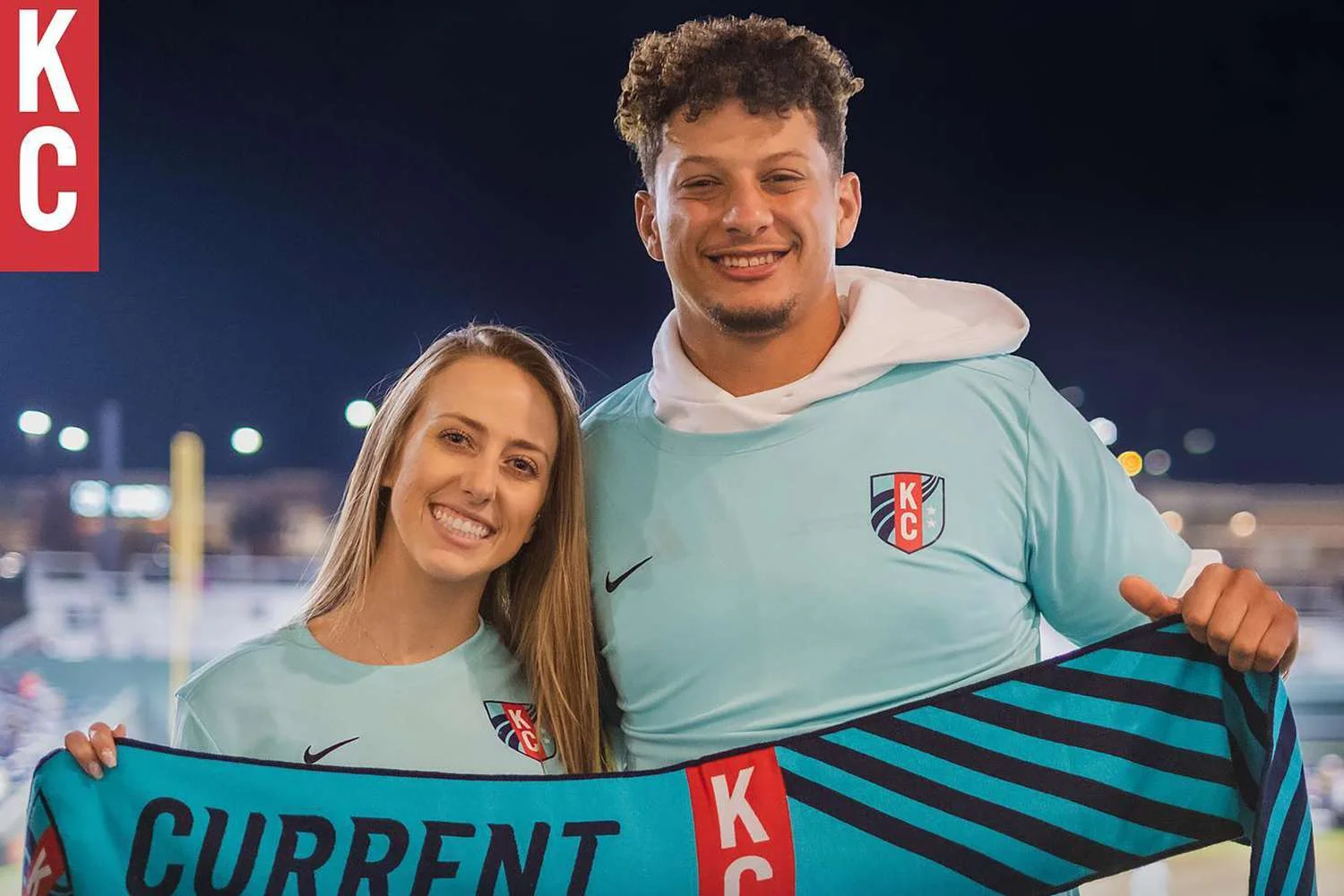
Patrick Mahomes is undergoing an intense 7-hour daily rehab regimen, signaling deep commitment to sustaining the Chiefs' dynasty, while Brittany Mahomes drives strategic development for the Kansas City Current, showcasing a powerful dual influence on Kansas City sports.
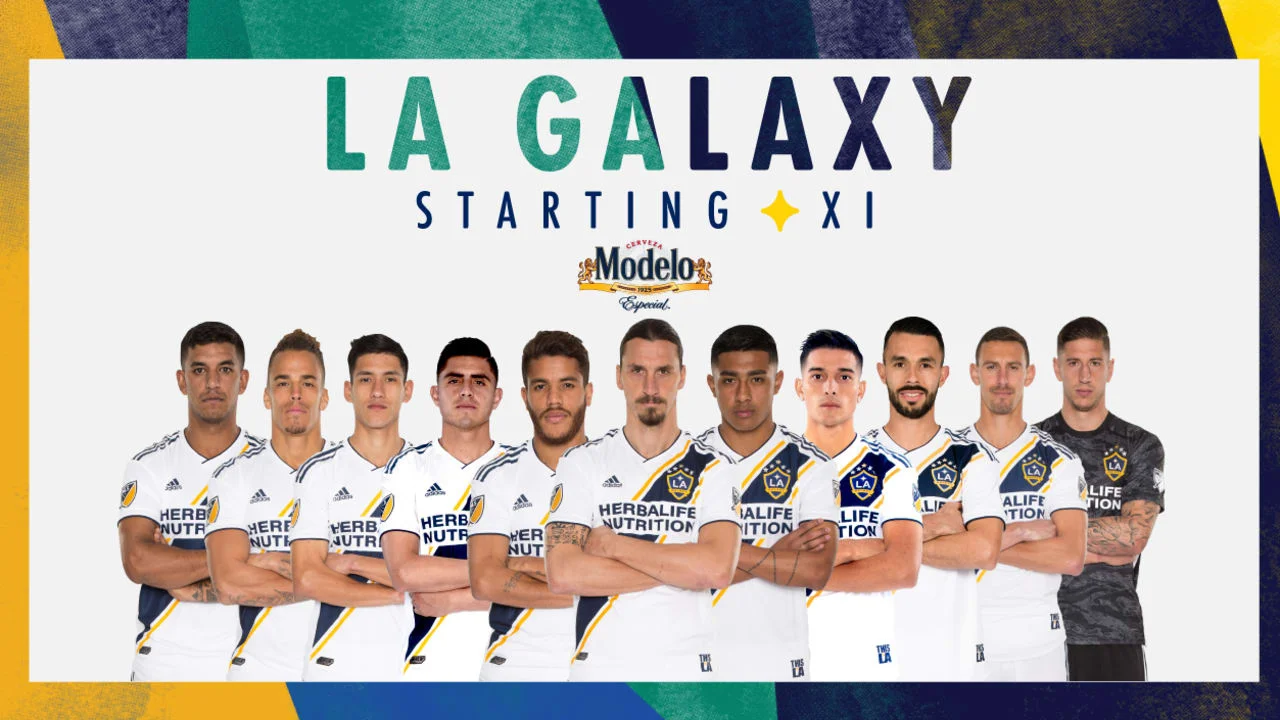
The LA Galaxy have announced their starting lineup for the February 19, 2026 match against Sporting San Miguelito, showcasing a blend of established stars and critical new acquisitions with significant MLS and international experience.