AI Revolutionizes Culinary Innovation: New Recipes for a Smarter Kitchen
Artificial intelligence is transforming kitchens globally, from AI-powered restaurants like Woohoo in Dubai to CPG innovations by Spiceology, blending advanced tech with human culinary artistry.

The culinary world, long a bastion of human creativity and sensory expertise, is rapidly embracing artificial intelligence, demonstrating that the future of food innovation lies in a dynamic collaboration between cutting-edge technology and human ingenuity. From robotic chefs preparing intricate dishes to AI chatbots assisting spice companies in generating novel recipes, the integration of AI into kitchens, restaurants, and consumer packaged goods (CPG) companies signals a profound evolution. This strategic adoption isn't about replacing the human element but rather amplifying it, allowing chefs and developers to push the boundaries of flavor, efficiency, and customer experience, ultimately striving to "perfect the food and improve the dining experience," as noted by SmartBrief.
The Evolving Role of Technology in the Kitchen
Technological advancements have always been a cornerstone of kitchen evolution. From the invention of the gas stove to the widespread adoption of microwaves and sous vide cookers, each innovation has sought to enhance efficiency and elevate the dining experience. AI is the latest frontier in this ongoing journey, building on a history where machinery, software, and automation have consistently worked in tandem with human culinary talent. The core mission has remained unchanged: to delight palates and create extraordinary dining experiences. The sophisticated layering of flavors and the nuanced art of tasting remain distinctly human practices. However, AI is now providing unprecedented tools to augment these human skills, fostering a symbiotic relationship that promises to unlock new culinary possibilities. The current wave of AI integration, particularly accelerated by the development of large language models, is set to transform nearly every aspect of the food industry, moving beyond simple automation to genuine creative collaboration, as highlighted by SmartBrief.
Groundbreaking Developments in AI-Powered Culinary Innovation
The integration of AI into the culinary landscape is manifesting in diverse and exciting ways across the globe. In downtown Dubai, a new eatery named Woohoo exemplifies this trend, promoting a "dining experience [that] uses data and creativity to shape flavors, textures, and balance." Woohoo's approach is not to replace chefs but to empower them, using AI to gain a deeper understanding of how ingredients interact, how textures feel, and how each element contributes to a harmonious dish. This mirrors earlier pioneering efforts, such as IBM's "Chef Watson" a decade ago. Chef Watson, a kitchen robot trained on extensive food data, collaborated with human chefs to create unconventional recipes like a beef burrito with chocolate and edamame, demonstrating early on that AI could "amplify human creativity," as IBM engineer Steve Abrams told the Washington Post in 2015. While Nosh Robotics recently showcased a robotic "chef" at CES capable of preparing over 500 recipes, the human touch remains indispensable for satisfying discerning palates, according to SmartBrief. This confluence of human expertise and advanced AI is also evident in the CPG sector. Spiceology, a Spokane, Wash.-based spice maker, has developed REMI (recipe experimentation and menu inspiration), an AI chatbot trained on the company's extensive recipe database. REMI provides curated suggestions for using Spiceology's more than 300 products, aiming to inspire customers with new dishes. This initiative, developed in-house using Pickaxe AI, extends Spiceology's commitment to customer involvement and feedback, ensuring that AI-generated ideas are grounded in tested and approved recipes. While REMI facilitates product discovery, its primary mission, as per CMO Eric Anderson, is to offer creative culinary ideas, embodying the spirit of collaborative innovation, much like the character Remy guiding the chef in "Ratatouille."
Analysis: The Blended Future of Food and Technology
The accelerating integration of AI into the culinary world signifies a pivotal shift from mere automation to genuinely intelligent assistance. What makes this current wave of innovation particularly impactful is its focus not just on efficiency, but on enhancing creativity and deepening consumer engagement. Unlike previous industrial revolutions that sought to standardize and mass-produce, AI in food is often geared towards personalization and the exploration of novel taste profiles. The human element, far from being sidelined, is being elevated; chefs are becoming more akin to conductors, directing AI tools to explore vast ingredient permutations and flavor harmonies that would be impossible for a single human to conceive or test. This collaborative model, where AI sifts through data patterns and suggests ideas while human chefs provide the final judgment, artistry, and intuition, is critical. Furthermore, the global investment landscape is recognizing the immense potential of AI beyond just the kitchen. The commitment of venture capital firms like General Catalyst, which recently pledged $5 billion to India's AI revolution over five years, highlights the broad implications of this technology. While some of this investment targets sectors like healthcare, defense, and fintech, a significant portion is dedicated to AI deployment, especially in markets like India which are seen as critical for building "the next generation of global platform companies," as General Catalyst CEO Hemant Taneja stated during the India AI Impact Summit. This massive influx of capital into AI infrastructure, combined with efforts by domestic giants like Adani Group and Reliance Industries, creates a foundational ecosystem that will undoubtedly support further AI advancements not only in technology but also spill over into diverse applications, including culinary innovation, driving down costs and increasing accessibility for all sectors, including food. This ensures that the technical backbone for sophisticated AI in food will continue to strengthen globally, making advanced computational tools more readily available for restaurants and CPG companies alike.
Strategic Implementation and Guardrails for AI in Food
Companies integrating AI into their food-related operations are doing so with careful consideration, particularly regarding data integrity and customer trust. Spiceology's REMI chatbot, for instance, was developed in-house with strict parameters. It is confined to the company's proprietary recipe database, preventing it from accessing the wider, often unverified, information highway of the internet. This ensures that all recipe suggestions are based on tested and approved formulations, mitigating liability issues and guaranteeing customer satisfaction. Crucially, REMI avoids offering advice on allergens or medical conditions, proactively sidestepping areas where AI could inadvertently provide harmful or inappropriate guidance, a policy meticulously overseen by daily human monitoring to ensure alignment with customer needs and ethical standards, as recounted by SmartBrief. This thoughtful approach to deployment resonates with the broader global investment trends. General Catalyst's $5 billion commitment to India's AI ecosystem, for instance, specifically emphasizes "deployment rather than frontier models." This focus on practical application and integration into existing systems, rather than solely on developing groundbreaking but potentially unproven AI models, showcases a pragmatic strategy. It ensures that investments yield tangible benefits and are grounded in real-world utility, much like Spiceology's use of REMI to enhance its customer service and product utility. Such strategic deployment, backed by significant financial commitments like those from General Catalyst and India's domestic tech giants, is critical for building trustworthy and effective AI solutions that truly augment human capabilities in various sectors, including the culinary arts. The robust investment in AI infrastructure, with over $200 billion pledged by Indian conglomerates alone, will establish a fertile ground for these applications to thrive, providing the necessary computing power and data frameworks for advanced culinary AI to scale effectively.
Looking Ahead: The Future of Culinary AI
The trajectory of AI in the kitchen suggests a future where culinary creation is even more accessible, innovative, and personalized. We can anticipate more sophisticated robotic systems capable of intricate food preparation and plating, further freeing human chefs to focus on menu development, artistic presentation, and the overall dining experience. AI-powered tools will likely become standard in identifying nuanced flavor pairings, optimizing ingredient sourcing for sustainability and cost, and even predicting consumer taste trends with greater accuracy. The ongoing massive investments in AI infrastructure, particularly in burgeoning tech hubs like India, as evidenced by General Catalyst's $5 billion pledge and domestic commitments exceeding $200 billion, will undoubtedly fuel rapid advancements in these areas. The emphasis on ethical deployment and human collaboration, as demonstrated by companies like Spiceology, will be crucial to widespread acceptance and success. Ultimately, the future kitchen will be a dynamic space where the art of human culinary skill is continuously enhanced and expanded by the intelligence and efficiency of AI, leading to an unprecedented era of gastronomic discovery and delightful dining experiences. The watchword will remain collaboration, ensuring that delighting human palates remains the ultimate goal, achieved through the combined genius of man and machine.
Related Articles
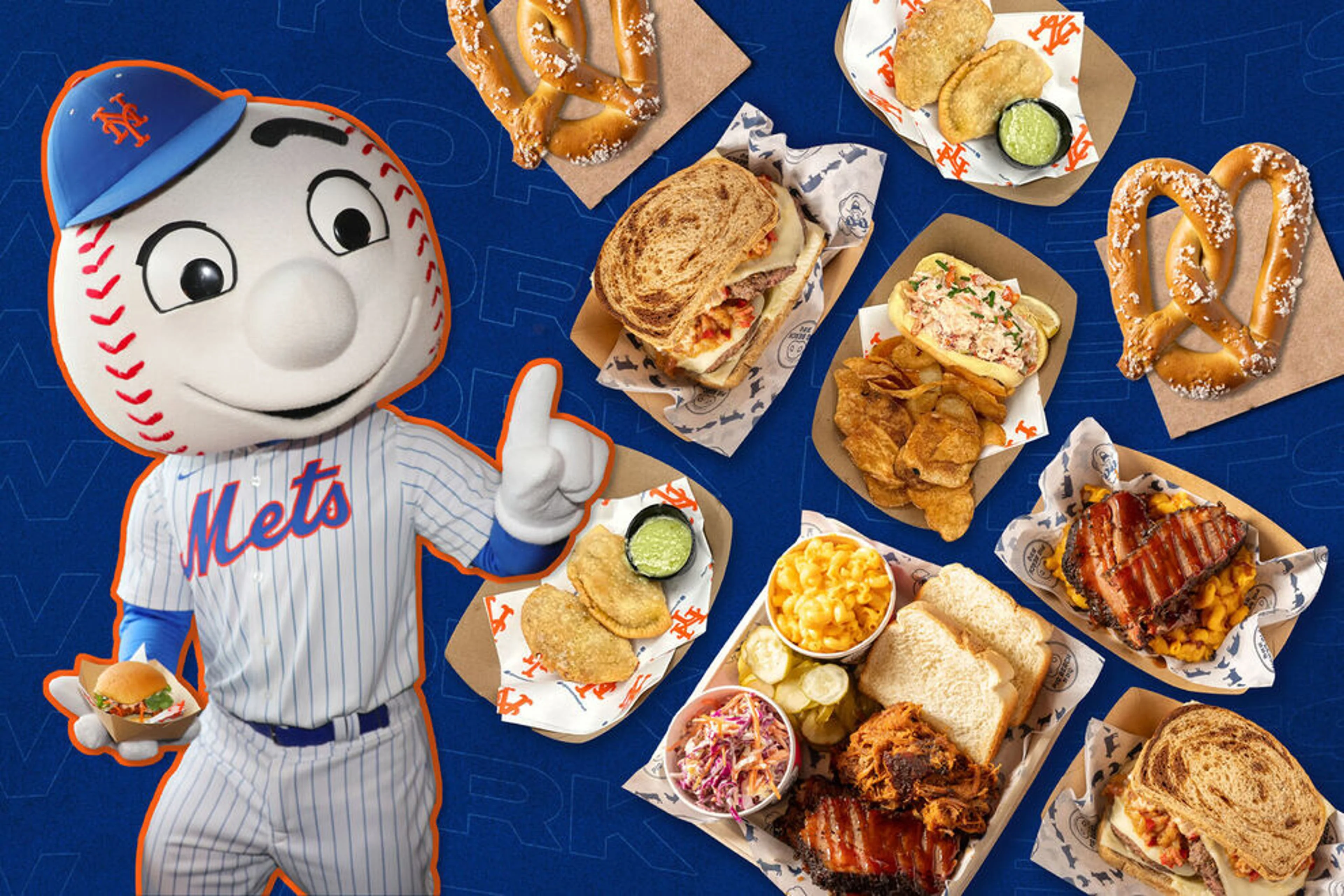
Aramark Dominates USA TODAY 10Best Ballpark Food List with Five MLB Stadiums
Citi Field leads for fourth consecutive year as Aramark's culinary innovations secure five spots on USA TODAY's 10Best MLB Stadium Food list, reflecting a rising standard for gameday dining.