Apple's AI Division Faces Accelerated "Brain Drain" as Rivals Lure Top Talent
Apple's artificial intelligence division is experiencing a significant exodus of top researchers and engineers, raising concerns about its competitive standing.

Apple’s artificial intelligence division is reportedly grappling with a significant exodus of its leading researchers and engineers, a development that casts doubt on the company's capacity to compete effectively in the intensifying global AI arms race. This loss of talent arrives at a critical juncture for the iPhone manufacturer, as it endeavors to establish itself as a formidable contender in generative AI, an area where it has faced criticism for lagging behind industry frontrunners such as Google, Microsoft, and OpenAI.
Reports, including those cited by WebProNews, indicate that several integral members of Apple’s AI research team have recently departed to pursue opportunities with competing technology firms and heavily funded startups. This talent migration is not merely routine staff turnover; it suggests deeper systemic issues within Apple's AI strategy and its organizational culture, which appear to be hindering its ability to retain the specialized expertise essential for developing cutting-edge artificial intelligence systems.
Compensation Gaps and Cultural Differences Fuel Departures
A primary driver behind the talent drain appears to be financial incentives. AI researchers and engineers are currently commanding premium salaries in the competitive tech market. Compensation packages at companies solely focused on AI development frequently surpass those offered by traditional tech behemoths like Apple. Venture-backed startups have been particularly aggressive in their recruitment efforts, enticing professionals not only with elevated base salaries but also with equity stakes that could prove immensely valuable should their AI technologies achieve significant commercial success.
Beyond compensation, cultural aspects contribute significantly to the exodus. Apple's notorious emphasis on product secrecy and its hierarchical organizational structure can be a source of frustration for researchers accustomed to the open collaboration and rapid publication cycles prevalent in academic and AI-centric environments. Many AI researchers place a high value on the ability to publish their findings and contribute to the broader scientific community—activities that Apple’s strict control over intellectual property often restricts. Furthermore, Apple's approach to AI development, prioritizing on-device processing and privacy, contrasts with competitors embracing large language models and cloud-based AI services. While this aligns with Apple's brand values, it may limit the scope of projects available, potentially making roles at other companies more intellectually stimulating, according to insights shared by WebProNews.
Strategic Implications for Apple Intelligence Rollout
The timing of these departures presents a significant challenge for Apple's AI ambitions. The company has been diligently working to expand its "Apple Intelligence" features, which were unveiled as part of iOS 18 and macOS Sequoia. These capabilities represent Apple's most substantial push into consumer-facing AI, encompassing enhanced Siri functionality, advanced writing assistance tools, and innovative image generation features. The loss of experienced researchers during this crucial development period could lead to delays in feature releases or compromise their overall quality.
Apple's AI strategy fundamentally relies on seamlessly integrating intelligence into its existing product ecosystem, rather than launching standalone AI services. This approach necessitates profound technical expertise across various domains, including natural language processing, computer vision, and on-device optimization. Each researcher departure creates knowledge gaps that can take months or even years to fill, a challenge amplified by the fierce competitive environment for AI talent. The company also faces mounting pressure from investors and consumers who have become accustomed to the rapid pace of AI innovation from rivals. Google's Gemini, Microsoft’s Copilot integration across Office products, and OpenAI’s ChatGPT have collectively set new benchmarks for expected AI-powered features. Apple’s more measured approach, while potentially more privacy-conscious, risks being perceived as falling behind if the company cannot execute swiftly and effectively.
Industry-Wide Scarcity of AI Expertise
The challenges confronting Apple are indicative of a larger industry-wide predicament: an acute shortage of qualified AI researchers to meet surging demand. Universities annually produce a limited number of Ph.D. graduates specializing in machine learning and AI, and these individuals are often courted by numerous companies before they even complete their degrees. This significant imbalance between supply and demand has fostered a hyper-competitive hiring landscape where even minor advantages in compensation, corporate culture, or project appeal can determine where top talent ultimately chooses to work.
Established tech giants like Apple must contend not only with each other but also with a new wave of AI-native startups. Companies such as Anthropic, Cohere, and numerous undisclosed ventures have attracted substantial venture funding specifically to recruit leading researchers. These startups frequently offer researchers the opportunity to work on foundational AI problems, rather than merely applying existing techniques to consumer products—a distinction that appeals greatly to many academics and research-oriented engineers. The competition extends globally, with Chinese tech giants like ByteDance and Alibaba also aggressively recruiting AI talent, sometimes with compensation packages exceeding American standards. This global dimension further complicates Apple's retention efforts, according to analysis from WebProNews.
Apple's Strategic Adjustments and Future Outlook
In response to the escalating talent drain, Apple has reportedly begun to modify its approach to AI research and development. The company has reportedly increased compensation for its AI specialists and implemented more flexible publication policies, which now permit researchers to share certain findings with the wider scientific community. These adjustments signify a notable deviation from Apple’s traditional practices, underscoring the seriousness with which leadership views the retention crisis.
Additionally, Apple has expanded its AI research facilities beyond its Cupertino headquarters, establishing teams in strategic tech hubs such as Seattle and San Diego, where AI talent is concentrated. This geographical diversification helps the company tap into local talent pools and compete more effectively with regional employers. Apple has also intensified its acquisition activities, purchasing smaller AI companies not solely for their technology but for their expert teams—a strategy known as “acqui-hiring,” which provides an alternative route to bolstering internal capabilities. While Apple retains significant advantages in the AI competition, including a massive installed base and unmatched financial resources, translating these into AI leadership will require more than just resources. It demands fundamental organizational change and a willingness to adapt long-held practices to the new realities of AI competition.
Related Articles
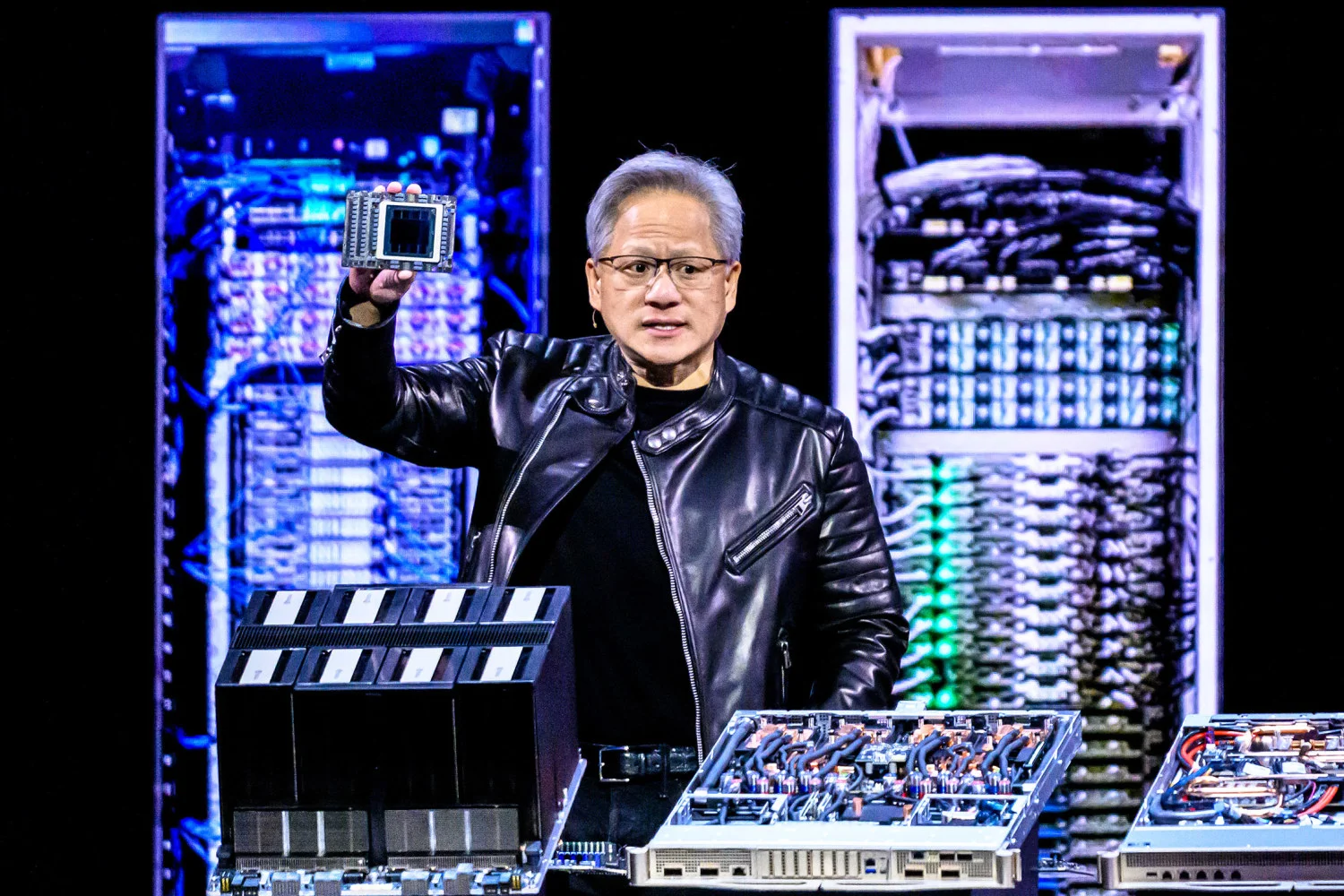
Nvidia Accelerates China Strategy with Custom AI Chips and Renewed H200 Exports
Nvidia is developing a Chinese-compatible version of its newly acquired Groq AI chips and resuming H200 processor exports, signaling a critical pivot in its strategy for the lucrative Chinese market amidst US export controls.