Private Wealth Ignites Frenzy of AI Startup Investments, Shaking Up Traditional VC
Wealthy individuals and family offices are directly investing billions in AI startups, bypassing VCs and fueling rapid growth but raising concerns about wealth concentration.

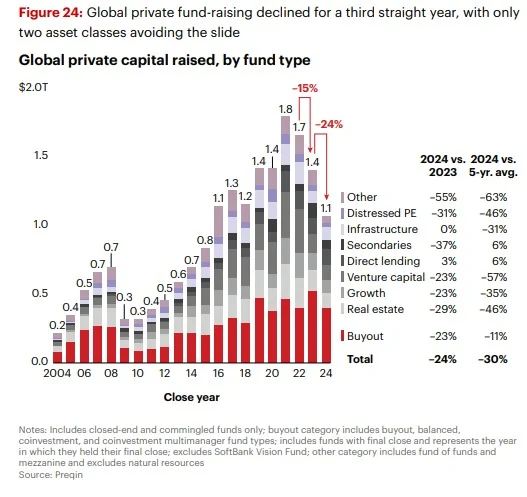
A groundswell of private wealth is rapidly transforming the landscape of artificial intelligence (AI) startup financing, ushering in an era of high-stakes, high-reward technology investment. San Francisco, a traditional hub for tech innovation, reports a significant shift where affluent individuals and family offices are increasingly making direct investments in burgeoning AI companies. This trend bypasses established venture capital (VC) firms, driven by the tantalizing promise of massive returns long before these companies even consider going public. This disruption to the conventional VC model empowers founders with more diverse funding avenues but simultaneously sparks critical discussions about wealth concentration and equitable access to the most promising technological advancements, according to National Today.
Background and Context: The Evolution of Tech Funding
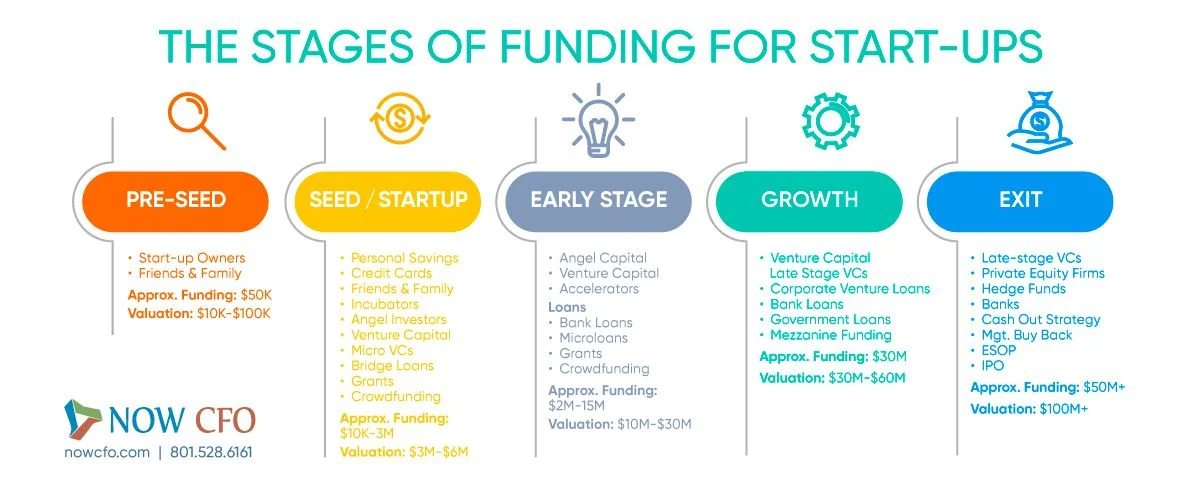
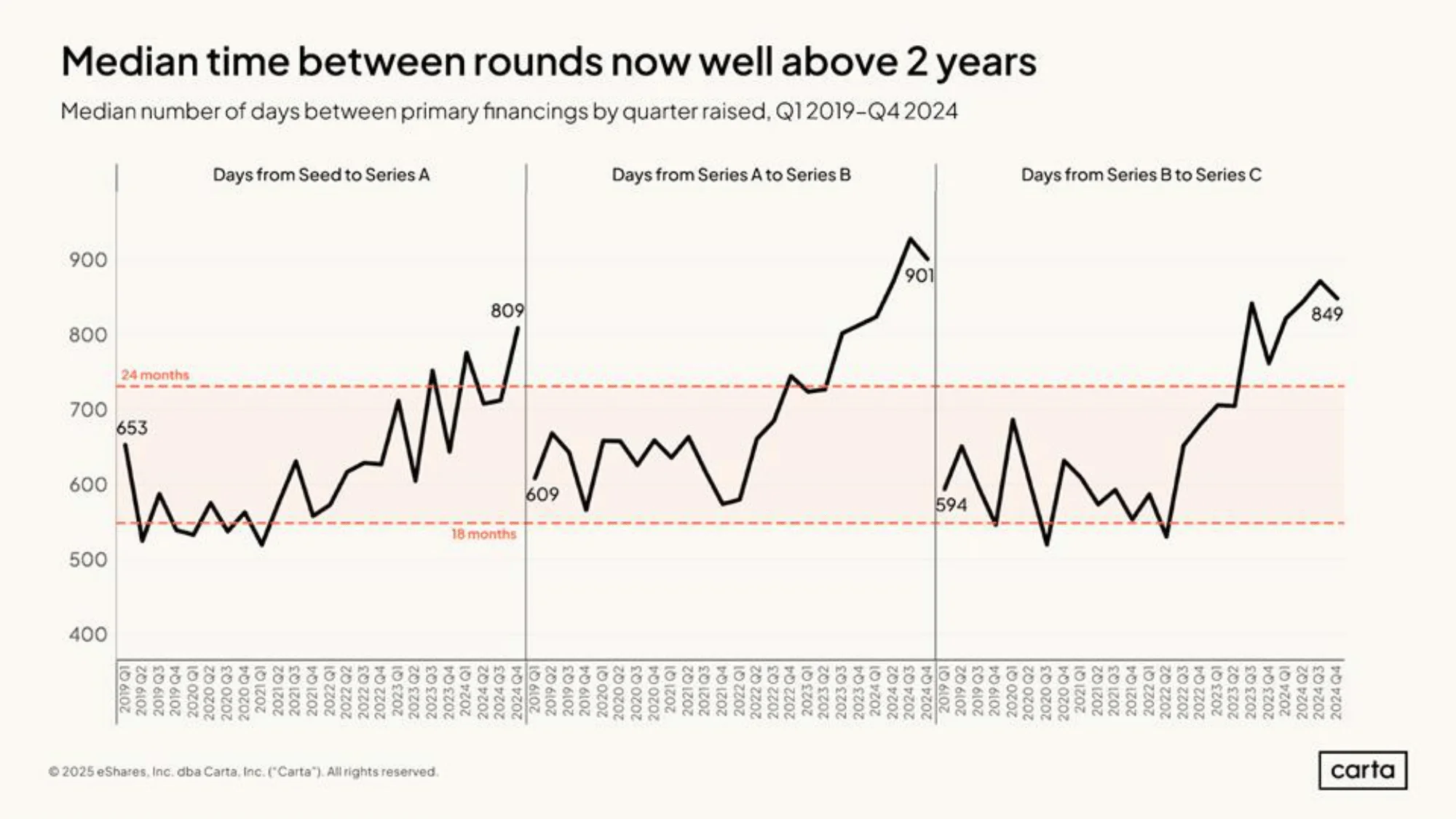
For decades, venture capital firms acted as the primary gatekeepers, meticulously vetting and funding the most promising technology startups. This model provided not only capital but also strategic guidance, industry connections, and an imprimatur of credibility crucial for nascent companies. Traditionally, a startup's journey involved several funding rounds – seed, Series A, B, C, and so on – with VCs playing a pivotal role at each stage, guiding companies towards exit events like IPOs or acquisitions. However, the sheer scale and rapid advancement of AI technology, coupled with the potential for unprecedented financial gains, have begun to challenge this entrenched system. The appeal of capturing "outsized returns" at the nascent stages of an AI company's growth, often at the seed or Series A stage, has proven irresistible to individuals and family offices with significant capital to deploy, fundamentally altering the competitive dynamics of startup financing. This accelerating shift has been particularly noticeable over the last 2-3 years, with the largest direct AI investments materializing especially within the past 12-18 months, as highlighted by National Today.
Key Developments: Direct Investment Takes Center Stage
The core development reshaping the AI investment landscape is the ascendance of direct investments from private wealth. Affluent individuals and sophisticated family offices are increasingly circumventing traditional venture capital vehicles, opting instead to directly back AI startups. This strategy allows them to secure equity at earlier stages, often when valuations are lower, thereby maximizing their potential for significant returns if the company succeeds. The motivation is clear: to "capture outsized returns" that the AI sector, with its explosive growth trajectory, promises. Many of these startups are achieving "billion-dollar valuations" well before they enter public markets, making early access exceptionally lucrative. This trend isn't theoretical; it's manifesting in substantial real-world investments. For instance, Anthropic, a prominent AI startup, recently announced a significant cybersecurity initiative, "Project Glasswing," partnering with tech giants like Amazon.com, Microsoft, and Google. This project, which allows select organizations to preview its unreleased, general-purpose AI model "Claude Mythos Preview" for defensive cybersecurity work, underscores the sophisticated applications and immense potential of AI, attracting substantial capital. The project's partners include cybersecurity firms such as CrowdStrike and Palo Alto Networks, alongside Nvidia, all of whom are either directly investing in or collaborating intensely with leading AI innovators, further solidifying the sector's attractivness to diverse capital sources, as reported by The Economic Times. This direct investment model means founders now possess a broader spectrum of funding options, intensely courted by both traditional VCs and a robust new class of private investors.
Analysis: What This Means for the Future of Innovation and Equity
This seismic shift in AI startup financing carries profound implications for the entire innovation ecosystem. On one hand, it represents a boon for AI founders, affording them greater flexibility and leverage in securing capital. With more sources of funding competing for the most promising ventures, founders can potentially negotiate more favorable terms, retain greater equity, and perhaps even choose investors who align best with their long-term vision, rather than being confined to the often-rigid structures of traditional VC firms. This expanded access to capital could accelerate AI development, bringing transformative technologies to market faster by reducing the bottlenecks that sometimes characterize conventional fundraising. The involvement of strategic partners, as seen with Anthropic's "Project Glasswing" including tech giants and cybersecurity firms, suggests a new model where investment is often accompanied by deep operational partnerships, further integrating AI innovation into critical sectors. However, this trend also raises significant concerns about wealth concentration. When individual wealthy investors and family offices largely control access to early-stage, high-growth opportunities, it risks exacerbating existing inequalities. The "democratization of access to the most promising technology opportunities," as highlighted by National Today, becomes a central question. If the highest returns are primarily confined to those with pre-existing substantial wealth, it could create a less equitable innovation landscape, where the "average investor" or even smaller, diversified funds struggle to participate in the foundational wealth creation moments of the next technological wave. Moreover, the increasing focus on AI is reflected in the public markets as well, with experts like Jeremy Bowman of The Motley Fool identifying key AI stocks like Nvidia, Microsoft, and Google as top considerations for investors. This indicates a broader, escalating interest in AI across all investment tiers, from private early-stage to public markets.
Additional Details: The AI Cybersecurity Frontier and Investor Focus
The aggressive investment in AI is not merely speculative; it’s often driven by the immediate and critical applications of the technology. Cybersecurity, for instance, is emerging as a particularly significant battleground for AI innovation and investment. Anthropic's "Project Glasswing" exemplifies this, with its "Claude Mythos Preview" model being lauded for its defensive cybersecurity capabilities. The startup announced that Mythos Preview, during initial testing, discovered "thousands" of major vulnerabilities across operating systems, web browsers, and various software. This capability is not just a technological feat but also a response to pressing industry needs; the RSA cybersecurity conference this year prominently featured discussions on the escalating threat of AI-powered cyberattacks and the adequacy of conventional security tools. The urgency is underscored by alarming statistics: 67% of 1,000 executives surveyed in an IBM and Palo Alto Networks study reported being targeted by AI attacks within the past year. Furthermore, Anthropic itself was subjected to attacks exploiting vulnerabilities in its Claude AI by hackers attacking around 30 global organizations. In an effort to foster broader security improvements, Anthropic is extending access to about 40 additional organizations responsible for critical software infrastructure, backed by a commitment of up to $100 million in usage credits and $4 million in donations to open-source security groups, as detailed by The Economic Times. These strategic partnerships and initiatives highlight that private wealth and corporate investment are being directed towards AI solutions that address critical global challenges, further de-risking investments and accelerating the technology's application across industries.
Looking Ahead: The Evolving Dynamics of AI Capital
The trajectory of private wealth fueling AI startups suggests a continued reshaping of the investment ecosystem. We can anticipate that the lines between traditional venture capital, family offices, and even corporate strategic investments will become increasingly blurred. This dynamic will likely foster a more competitive fundraising environment for founders, who will be able to pick and choose the capital sources that best align with their growth strategies and ethical frameworks. However, the question of democratized access to these burgeoning opportunities will remain paramount. Regulators and policymakers may eventually turn their attention to the concentration of wealth stemming from these private investments, potentially exploring mechanisms to broaden participation. Furthermore, as AI technologies mature and applications become more diverse, from advanced cybersecurity to medical diagnostics and climate solutions, the sheer volume of capital flowing into the sector is expected to grow. Investors will increasingly scrutinize not just the technological prowess of AI startups, but also their ethical guidelines, data privacy frameworks, and potential societal impact. The ability for startups like Anthropic to safely deploy "Mythos-class models at scale" will be a key indicator of commercial viability and investor confidence, solidifying AI's position as a dominant, transformative force in the global economy for years to come.
Related Articles
Google and Accel Reject 70% of AI Startups as 'Wrappers,' Signaling Major VC Shift
Google and Accel's Atoms accelerator rejected 70% of AI startups as 'wrappers,' highlighting a venture capital pivot towards deep tech and proprietary models over superficial integrations.