Chicago's Hyde Park Braces for Teen Takeover, Parents Organize Counter-Movement
Chicago parents and business owners mobilize in Hyde Park to deter a planned "teen takeover," highlighting growing concerns over juvenile crime and community safety.

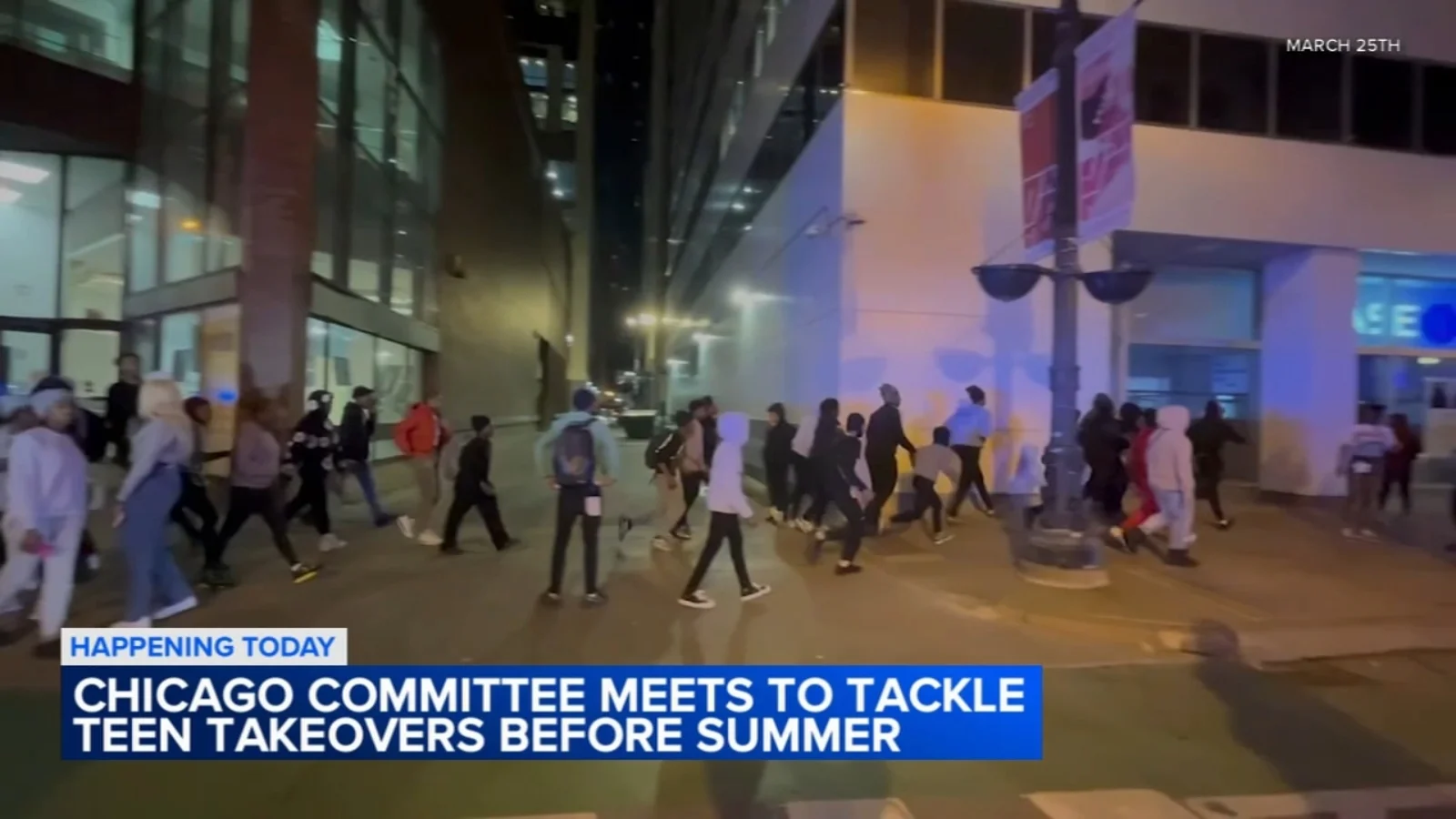
Chicago’s Hyde Park neighborhood found itself bracing for yet another anticipated "teen takeover" on Tuesday night, a phenomenon that has increasingly plagued the city with disruptions, vandalism, and safety concerns. However, in a compelling display of community resilience and proactive engagement, local parents and business owners orchestrated their own "adult takeover" to deter potential chaos and send a clear message: destructive behavior will not be tolerated. This innovative grassroots response underscores a growing anxiety among residents regarding juvenile crime and the efficacy of traditional law enforcement methods in managing large-scale youth gatherings orchestrated via social media, prompting a wider conversation about community accountability and preventative measures.
Background and Context of Chicago's Teen Takeovers
The concept of "teen takeovers" isn't entirely new to urban centers, but in Chicago, these events, often organized through social media, have escalated in frequency and intensity, particularly in recent months. While initially appearing as spontaneous gatherings, they have increasingly led to significant public disturbances, including vandalism, fights, and widespread concern from residents and businesses. The planned Hyde Park event, advertised on social media last week, even encouraged participants to bring their own alcohol and marijuana, signaling a potential for illicit activities alongside disorderly conduct. This trend echoes broader concerns about juvenile crime rates and the influence of social platforms in mobilizing large groups, sometimes with adverse outcomes. The anxiety surrounding these events is palpable, as communities like Hyde Park, known for their cultural vibrancy and local businesses, find their peace and safety threatened by these unpredictable gatherings. This escalating issue has led to calls for more significant interventions from city officials and community leaders, as noted by WKTV in a review of today's trending topics, and is reflected in the proactive measures taken by the community to address these challenges head-on.
Key Developments and Community Mobilization
As Tuesday evening approached, residents and business owners in Hyde Park actively prepared for the anticipated influx of teenagers. Police presence was reportedly spread across the community to monitor various potential hotspots, though early reports as of 6 p.m. indicated no immediate problems. However, the most significant development came from within the community itself. Responding to the widely circulated social media flyers promoting the teen takeover, a coalition of concerned business owners and parents decided to launch a counter-movement: an "adult takeover." Marquinn McDonald, a 2nd District Community Council member, articulated the sentiment behind this initiative, stating, "Have fun. Come out, kick it, do your thing, but do not destroy. Don't have you can have fun without damaging anything, and it's only if, I know, it's a small group that does it. But why should you hanging around and pass a word to them, also letting them know that, hey man, that type of activity is not welcome here." This proactive stance sought to create a visible, adult presence as a deterrent to disruptive behavior. Trez Pugh, who has operated his Sip and Savor coffee shop in Hyde Park for 14 years, initiated a "parent takeover" at his establishment. Pugh expressed deep frustration over previous incidents, describing last month's teen takeover as "heartbreaking... total chaos... no control, no law and order." He emphasized the need for community awareness, urging parents to know where their children are and to understand the potential consequences of their actions. The idea for this organized parent response originated from businessman and philanthropist Early Walker, who likened his आह्वान to an "amber alert" for parents, emphasizing the "it takes a village" mentality to address systemic issues. Walker's passionate call to action underscores a broader concern about juveniles "taking over our communities" and causing damage, as reported by ABC7 Chicago. This innovative community-led counter-effort represents a significant shift from reactive policing to proactive community engagement in managing social challenges.
Analysis: What This Means for Urban Communities
The concerted effort by Hyde Park residents and business owners to stage an "adult takeover" in response to a planned "teen takeover" signals a critical evolution in how urban communities are confronting issues of juvenile delinquency and public order. This direct, community-led intervention moves beyond solely relying on law enforcement and offers a model for proactive, preventative engagement. Historically, urban areas have grappled with youth gatherings that, while often benign, can sometimes devolve into chaos, leading to property damage, public safety concerns, and negative perceptions of neighborhoods. The rise of social media has amplified this challenge, enabling rapid mobilization of large groups, making it difficult for authorities to predict and control. The Hyde Park initiative, therefore, represents a pragmatic response to a modern problem. By physically occupying public spaces, parents and business owners are not only deterring potential troublemakers but also reclaiming a sense of ownership and responsibility for their community's well-being. This approach tacitly acknowledges that policing alone cannot solve deep-seated social issues; it requires active participation from all stakeholders. Furthermore, it fosters a stronger sense of community cohesion, transforming anxiety into collective action. This could set a precedent for other cities facing similar challenges, encouraging them to empower residents to become active participants in maintaining neighborhood safety and civility, rather than passive observers or mere victims of circumstance. This localized response also subtly critiques the broader societal structures that might contribute to such youth unrest, shifting the focus towards collective parental and community accountability rather than just criminalizing youthful indiscretion, a nuanced approach worth further exploration.
Additional Details and Broader Implications
The economic and social toll of these "teen takeovers" extends beyond mere inconvenience. Jason Hale, for instance, fully supported the parent response after his car sustained $3,000 in damage during a March 30 teen trend when kids ran across its top. His vehicle remains in the shop, a testament to the tangible costs borne by individual citizens. Such incidents highlight the severe impact these events have on residents and underscore the urgent need for effective deterrents. While the immediate goal of the "adult takeover" was to prevent a repeat of past destruction, its broader implications touch on community building and the re-establishment of civic norms. The message from community leaders like Marquinn McDonald and Trez Pugh is clear: enjoyment and celebration of public spaces are welcome, but not at the expense of others' safety or property. This distinction is crucial in fostering a balanced urban environment where youth can gather without causing widespread distress. The Chicago City Council committee has also recognized the severity of the issue and is taking up measures to address "teen takeovers," indicating that this is not just a localized problem but a city-wide concern requiring policy-level interventions. The convergence of community activism and legislative attention suggests a multi-front approach to tackling these deeply disruptive events. Furthermore, the parent-led initiative serves as a poignant reminder that while young people need spaces to gather, parents ultimately bear responsibility for supervising and guiding their children's behavior in public. This collective response, as documented by ABC7 Chicago, highlights a crucial shift from solely relying on law enforcement to a more integrated community-based approach to urban challenges. For context, while stock market trends like those reported by Moomoo on Allied Gaming & Entertainment or Republic Power reflect national economic shifts, the "teen takeover" issue represents a fundamental challenge to local social and civic stability.
Looking Ahead: Sustaining Community Efforts and Policy Frameworks
The success of Hyde Park's "adult takeover" in deterring the planned "teen takeover" remains to be fully assessed over time, but the initiative has already set a crucial precedent for community organizing in the face of urban challenges. Moving forward, the sustainability of such grassroots efforts will be key. This involves not only continued vigilance from residents and businesses but also sustained dialogue between community leaders, parents, and local authorities. Educational campaigns aimed at informing both teenagers about the consequences of destructive behavior and parents about their responsibilities could play a vital role. Furthermore, city officials and policy makers must consider how to create more structured and positive outlets for youth gatherings, channels that encourage social interaction without fostering chaos. The discussions within the Chicago City Council committee will be critical in shaping broader policy frameworks that support both law enforcement and community-led initiatives. The aim should be to develop long-term strategies that address the root causes of these takeovers, rather than simply reacting to each incident. This collaborative approach, integrating active community participation with supportive city policies and adequate police resources, offers the most promising path toward ensuring that Chicago's vibrant neighborhoods remain safe and welcoming for all residents, while also providing safe and constructive environments for its youth.
Related Articles

Chowbus Secures $81 Million to Expand AI-Powered Restaurant Solutions
Chicago startup Chowbus lands a significant $81 million funding round to grow its AI-powered platform for restaurants, targeting underserved eateries and aiming for broader market leadership.