A significant cultural shift is quietly reshaping the American dining and bar scene, as an increasing number of consumers, particularly younger generations, opt to forgo alcoholic beverages during their nights out. This burgeoning "dry dining" trend is exerting considerable pressure on restaurants and bars, which have long relied on the high profit margins of alcohol sales to bolster their bottom lines. The phenomenon, recently highlighted by TODAY.com, signals a pivotal moment for the hospitality industry, demanding creative solutions from establishments struggling to adapt to evolving consumer preferences.
The Declining Appeal of Alcohol: A Cultural Shift
The roots of the "dry dining" trend are multifaceted, combining health consciousness, financial prudence, and a generational shift in social norms. A 2025 Gallup poll cited by TODAY.com revealed that only 54% of Americans reported drinking alcohol, the lowest figure in 90 years. More than half of these respondents also expressed the belief that even moderate alcohol consumption is detrimental to health. This data underscores a broader societal move towards well-being and mindful consumption. Historically, alcohol has been a cornerstone of social gatherings and a lucrative stream for restaurants, with profit margins far exceeding those of food. However, as Gen Z and millennials—demographics increasingly defining consumer trends—consume significantly less alcohol than previous generations, this traditional economic model is facing unprecedented challenges. The cultural landscape is shifting, and with it, the very definition of a "night out."
Generational Preferences and Economic Realities Drive Change
The decline in alcohol consumption is particularly pronounced among younger demographics. Gen Z and millennials are not only more health-conscious but also more financially savvy, often vocalizing their reasons for avoiding alcohol on platforms like TikTok. Sky-high drink prices are a frequently cited deterrent, making abstaining from alcohol a practical decision as much as a health-conscious one. This dual motivation—health and cost—is creating a perfect storm for the hospitality industry, forcing a re-evaluation of established business practices. The result is a noticeable decline in traditional "happy hour" attendance, a long-standing institution built on discounted drink specials. Restaurants are now confronted with the urgent need to understand and cater to this evolving consumer base, whose priorities are markedly different from those of past generations. The simple act of ordering a drink has become a more deliberate decision, impacting revenue streams that were once taken for granted, as detailed by TODAY.com.
Restaurants Innovate to Attract the Sober Consumer
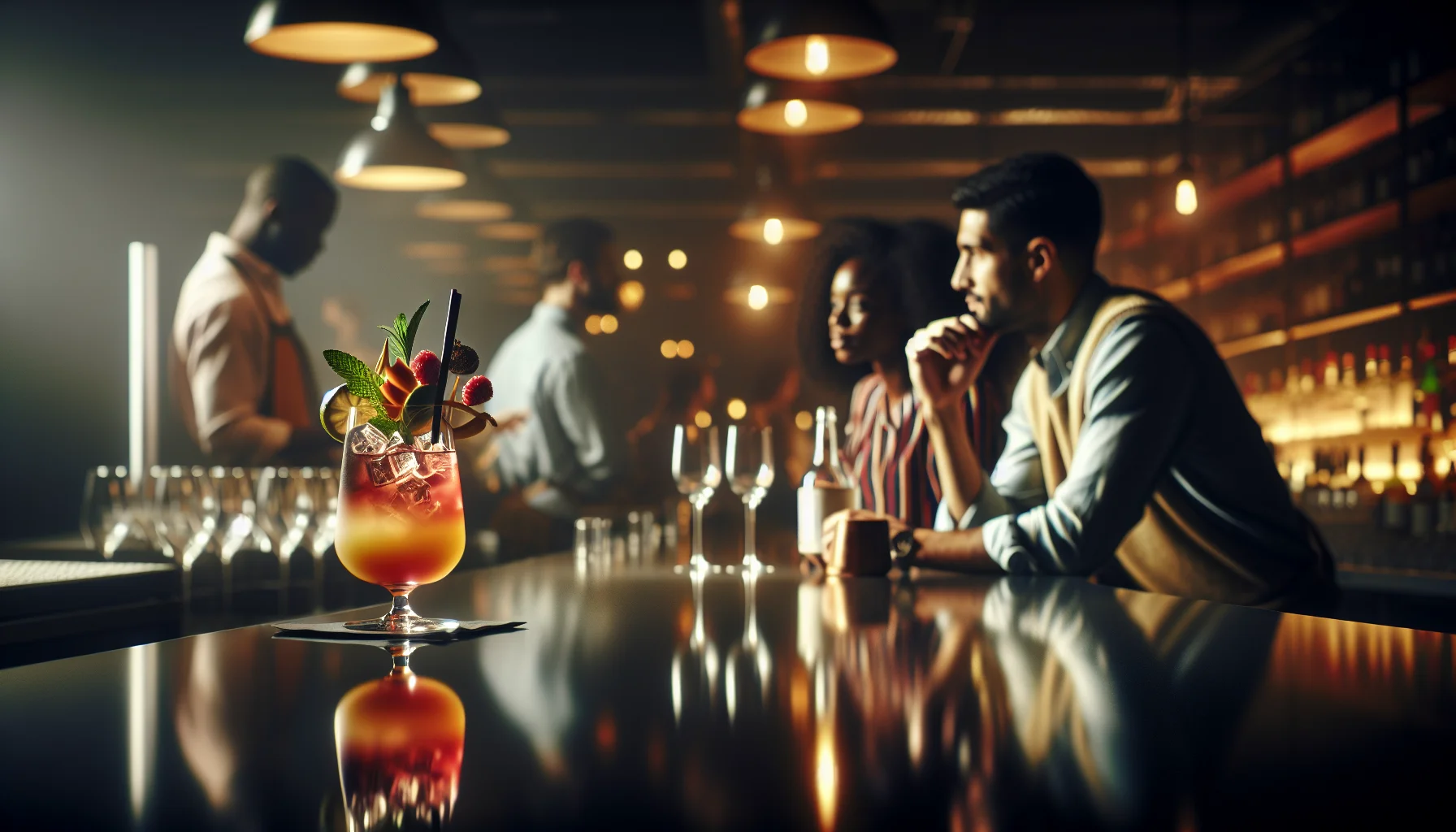
In response to the "dry dining" trend, restaurant owners and the broader hospitality industry are scrambling to innovate and adapt. One of the most prevalent strategies is the introduction and expansion of mocktail menus. These alcohol-free cocktails, often crafted with the same complexity and artistry as their alcoholic counterparts, aim to provide a sophisticated beverage experience for those abstaining. Pat Light, a New Jersey business owner operating six restaurants in Hoboken, shared with TODAY.com that offering mocktails has become a draw, even for social groups where only a few individuals are participating in movements like "Dry January." He noted, "You’ll have a group of 10 people. Two people are doing Dry January, they’ll choose our location." Light's observation underscores the collective impact of even a few non-drinkers within a group, influencing dining choices for everyone. Beyond mocktails, other establishments are exploring "healthier" alternatives, such as prebiotic sodas like Poppi and Olipop, directly responding to TikTok users' expressed desires. The National Restaurant Association's chief economist, Chad Moutray, emphasized the importance of meeting customers where they are, remarking to TODAY.com that offering more diverse beverage options is "the key to success." This includes fostering social environments that don't solely revolve around alcohol, with bars hosting theme nights and TV watch parties to encourage gathering for reasons beyond drinking.
Analysis: Beyond the Buzz, A Fundamental Shift in Hospitality Economics
The "dry dining" trend is far more than a fleeting consumer fad; it represents a fundamental recalibration of the hospitality industry's economic model. For decades, alcohol sales have been the unspoken subsidy for many restaurants, allowing them to maintain often-tight margins on food. The shift away from alcohol directly challenges this established financial structure, compelling businesses to find new avenues for profitability. This isn't merely about adding new items to a menu; it necessitates a re-evaluation of pricing strategies for food, alternative high-margin beverages, and even the overall guest experience. The industry may see a greater emphasis on experiential dining, unique non-alcoholic offerings, and perhaps even subscription-based models or loyalty programs that reward non-drinkers. Furthermore, the focus on health and well-being, once a niche market, is now mainstream, influencing everything from ingredient sourcing to environmental sustainability. Restaurants that successfully navigate this shift will likely be those that view it not as a problem to be circumvented, but as an opportunity to innovate and connect more deeply with the changing values of their customer base. Ignoring this trend carries significant financial risk, as demonstrated by the struggle of even giving "free drinks away," as Pat Light reported to TODAY.com, because "People aren’t moving for it."
Challenges and Opportunities in a Shifting Market
While the trend presents challenges, it also opens up significant new opportunities for innovation within the beverage industry. Beyond mocktails and prebiotic sodas, there's a growing market for sophisticated non-alcoholic spirits, adaptogenic drinks, and craft non-alcoholic beers. These products cater to a desire for complex flavor profiles and elevated experiences without the alcohol content. For restaurants, partnering with these emerging beverage brands or even developing their own proprietary non-alcoholic lines could prove to be a differentiator. The focus will need to shift from merely offering an "alternative" to creating a desirable, premium experience that stands on its own. Moreover, the emphasis on social gatherings not centered around alcohol suggests a broader craving for community and connection, which restaurants are uniquely positioned to fulfill. By hosting diverse events and creating inviting, alcohol-optional atmospheres, establishments can cultivate a loyal customer base that values shared experiences over intoxication. This represents a strategic pivot from a purely transactional alcohol-driven model to one that cherishes and monetizes social engagement and well-being. This requires a renewed focus on hospitality, service, and creating memorable moments that resonate with a generation prioritizing both physical and mental health. While the cryptocurrency market is experiencing its own volatility, as detailed by Investing News Network, and the world mourns the passing of cultural icons like Chuck Norris, reported by WSB-TV, the everyday reality of consumer spending in hospitality is undergoing its own, quieter, but equally profound transformation.
Looking Ahead: The Future of Responsible Hospitality
The "dry dining" trend is poised to become an increasingly dominant force in the hospitality industry. Restaurants and bars that proactively embrace this shift, rather than resisting it, are likely to be the ones that thrive. This means continued innovation in non-alcoholic beverage programs, creative event programming that fosters social connection without alcohol as the central focus, and a deep understanding of the evolving values of modern consumers. Expect to see more establishments proudly marketing their extensive mocktail lists and "sober-friendly" environments. The industry may also witness the rise of entirely alcohol-free venues, offering a unique niche for those seeking social experiences devoid of any alcoholic influence. Ultimately, the future of hospitality will likely hinge on its ability to offer diverse experiences that cater to a spectrum of preferences, ensuring that every guest, whether they choose to drink or not, feels welcomed, valued, and well-served.