From ranch dressing's surprising origins to Gatorade's strategic rebrand and the dramatic rescue effort for Timmy the whale, the headlines on April 16 reveal a fascinating cross-section of cultural, commercial, and environmental stories, alongside market trends and celebrity news.
Today, April 16, a diverse array of stories is capturing national attention, from the unexpected origins of an American culinary staple to a major sports drink company’s strategic pivot, and a dramatic animal rescue operation unfolding off the Baltic Sea coast. These headlines, alongside significant market movements and cultural events, offer a snapshot of the varied interests and ongoing developments shaping our world. From the ubiquitous presence of ranch dressing in American kitchens to the corporate strategies defining consumption habits, and the environmental plights that rally communities, the news cycle provides a rich tapestry of human and natural narratives. Meanwhile, the financial markets see specific biotech firms and tech giants making waves, reflecting investor confidence and strategic acquisitions in a dynamic economic landscape.
Many of today's trending topics, while seemingly disparate, often carry rich backstories or underline larger societal shifts. Take ranch dressing, for instance. Long considered an quintessential American condiment, WKTV reports that this best-selling salad dressing actually began its life on a dude ranch in the 1950s, conceived by plumbing contractor-turned-ranch owner, Steve Henson. Its journey from a hidden valley in California to its current status as a cultural phenomenon, used as a dip for everything from hot wings to pizza, illustrates how a simple invention can permeate and redefine national tastes. This evolution from a niche product to a mainstream staple, eventually surpassing rivals like Italian dressing, highlights the often-unpredictable path of consumer goods in American culture.
Similarly, Gatorade's recent announcement to rebrand and target non-athletes marks a significant shift for a company that literally invented the sports drink category sixty years ago. Originally formulated at the University of Florida to help athletes, its planned pivot reflects a broader market trend: the booming interest in beverages with perceived health benefits among the general population. This move by PepsiCo, Gatorade’s parent company, acknowledges that hydration is no longer solely the domain of elite athletes but a wellness concern for everyday individuals, from long-haul travelers to those recovering from a hangover. Competitors like Powerade and LMNT have already begun exploring this expanded market, indicating a fundamental re-evaluation of who the "active consumer" truly is.
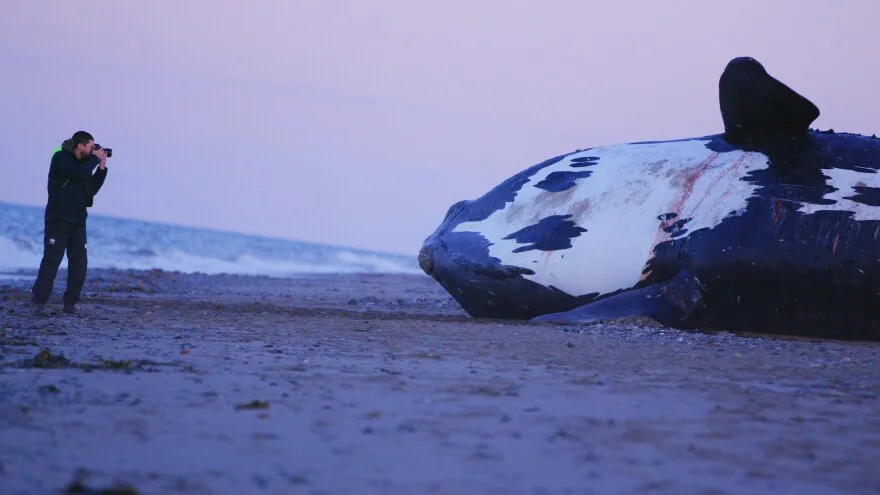
Several significant developments are dominating the headlines today, spanning consumer trends, environmental concerns, and financial markets. One of the feel-good stories of the day involves a dramatic rescue mission planned for a sick humpback whale, affectionately nicknamed Timmy. Stranded off the Baltic Sea coast, Timmy's plight has garnered immense public attention, sparking livestreams and protests. According to WKTV, German rescuers are preparing a complex operation involving air cushions, tarps, and tugboats to transport Timmy back to the North Sea and potentially the Atlantic. This effort highlights growing global awareness and empathy for marine life and the lengths to which communities will go to protect iconic species.
In the realm of retail, Walmart is undertaking a major repackaging initiative for its Great Value brand. This redesign aims to enhance aesthetic appeal and improve nutritional information visibility, responding to evolving consumer habits. As WKTV reports, the move reflects a shift where private-label foods are now often viewed as equivalents, not just budget alternatives, to national brands. While the products themselves remain unchanged, the refreshed packaging, set to appear in stores next month, signifies Walmart's continuous effort to adapt to and influence shopper perceptions in a competitive market.
On the financial front, the market is experiencing a relief rally, with several stocks drawing considerable analyst attention as highlighted by TipRanks. Revolution Medicines (RVMD), a clinical-stage biotech firm focusing on cancer therapies, received 12 analyst ratings in the past three days following filings for convertible senior notes and common stock. Similarly, Spyre Therapeutics (SYRE), developing antibody therapies for inflammatory bowel disease, also garnered 12 ratings after reporting strong Phase 2 data. Amazon (AMZN) rounded out the top three, also receiving 12 ratings following its announcement to acquire Globalstar (GSAT). All three stocks hold a "Strong Buy" consensus among analysts, with implied upside potentials, indicating robust investor confidence. However, post-market trading, as reported by Moomoo, revealed significant volatility. Psyence Biomedical (PBM.US) surged over 52%, while Netflix (NFLX.US) slid almost 8.5%, illustrating the rapid fluctuations common in today's trading environment.
These trending stories, from culinary items to corporate branding and environmental efforts, offer more than just daily news; they reflect underlying shifts in consumer behavior, corporate strategy, and societal values. The ranch dressing phenomenon, for instance, speaks to the power of cultural ubiquity and the often subconscious influence of food trends that can turn a simple recipe into a multi-billion dollar industry. Its transformation from a niche offering to an all-purpose flavor profile underscores America’s evolving palate and preference for versatile, comfort-driven tastes. This isn't just about salad dressing; it's about how food becomes intertwined with national identity and convenience culture.
Gatorade's strategic pivot to target non-athletes is particularly insightful. For decades, the brand was synonymous with peak athletic performance. However, this reorientation signals a broader trend in the wellness industry, where health and hydration are no longer exclusive to elite sports but are being democratized. The "health halo" effect, where consumers attribute broader wellness benefits to products associated with health, is a powerful motivator. This move by Gatorade, and similar initiatives by its competitors, suggests a future where products once narrowly defined by specific functions will broaden their appeal to cater to a more holistic view of well-being. It highlights a market where perceived health benefits, even for everyday activities like flying or recovering from a hangover, are becoming as important as taste or price.
Furthermore, the confluence of headlines – a whale rescue, Walmart’s repackaging, and the volatility in specified stocks – paints a picture of a society grappling with global and local challenges while simultaneously adapting to shifting commercial landscapes. The public outcry for Timmy the whale underscores a growing environmental consciousness, propelled by instant global communication through livestreams and social media, which fosters collective action and empathy. On the other hand, Walmart’s packaging redesign and the frenetic activity in the stock market (especially with biotech firms and large tech players like Amazon) demonstrate the relentless pursuit of market share and shareholder value, where even perceived improvements in product presentation can translate into significant competitive advantages. The market's quick reactions to company announcements and data, as seen with RVMD, SYRE, and NFLX, also illustrate the immense influence of analyst ratings and real-time information in shaping investor sentiment and stock performance.
Beyond the major headlines, other intriguing stories offer further glimpses into current trends and cultural phenomena. The reblooming of "Pangy," Mount Holyoke College’s corpse flower, drew significant crowds, as WKTV reported. This rare tropical plant, native to Sumatra, emits an odor resembling decaying flesh to attract pollinators, providing a unique sensory experience for visitors. Botanic garden director Tom Clark emphasized how such dramatic botanical events serve as an engaging tool to educate the public about plant diversity and evolutionary adaptations, transcending its fleeting, pungent bloom.
In the Midwest, meat raffles continue to be a beloved tradition, especially in Minnesota, Wisconsin, and New York. These events, typically hosted at local bars or American Legion/VFW posts, allow participants to win various cuts of meat, with profits benefiting charities. However, rising meat prices are putting pressure on these charitable games. A legislative effort is currently underway in Minnesota to raise the state's prize limit from $70, set nearly 40 years ago, to $200. This measure, also highlighted by WKTV, underscores the intersection of local traditions, economic realities, and legislative efforts to preserve community-driven fundraising.
On the entertainment front, WrestleMania's recent economic impact in Las Vegas further solidifies its position as a major cultural and financial event. Last year's WWE flagship event generated an economic impact of $322.2 million, drawing fans globally and boosting local hotels, restaurants, and businesses, according to WKTV. This demonstrates the significant power of large-scale sporting and entertainment events to drive tourism and economic activity. Meanwhile, the rapper formerly known as Kanye West postponed his Marseille concert, as French authorities had planned to ban the event due to his history of antisemitic remarks. Ye's social media announcement, expressing a desire to make amends, reflects the ongoing public scrutiny faced by personalities engaged in controversial behavior, even after apologies attributing actions to health conditions.
As these stories unfold, several key implications bear watching. The outcome of Timmy the whale's rescue operation will be a testament to the dedication of conservation efforts and likely influence future approaches to marine animal aid. For Gatorade and Walmart, their strategic shifts in branding and packaging will serve as important case studies in how established companies adapt to evolving consumer preferences and health trends. Success in these endeavors could set precedents for other legacy brands operating in highly competitive markets.
In the financial sector, the sustained interest in biotech stocks like Revolution Medicines and Spyre Therapeutics, coupled with the continued strength of tech giants like Amazon, suggests that innovation in health and technology will remain powerful drivers of market activity. Investors will be keenly observing upcoming clinical trial results and acquisition integrations. Conversely, how companies like Netflix navigate market volatility and intense competition will be crucial indicators for the broader streaming and entertainment industries. Finally, for cultural figures like Ye, the path to public rehabilitation after controversy remains challenging, with future actions and statements continually scrutinized by both fans and critics.

An Albanian actor has filed a lawsuit against her government for using her image and voice to create an "AI minister" without full consent, raising critical questions about digital rights and ethical AI usage.
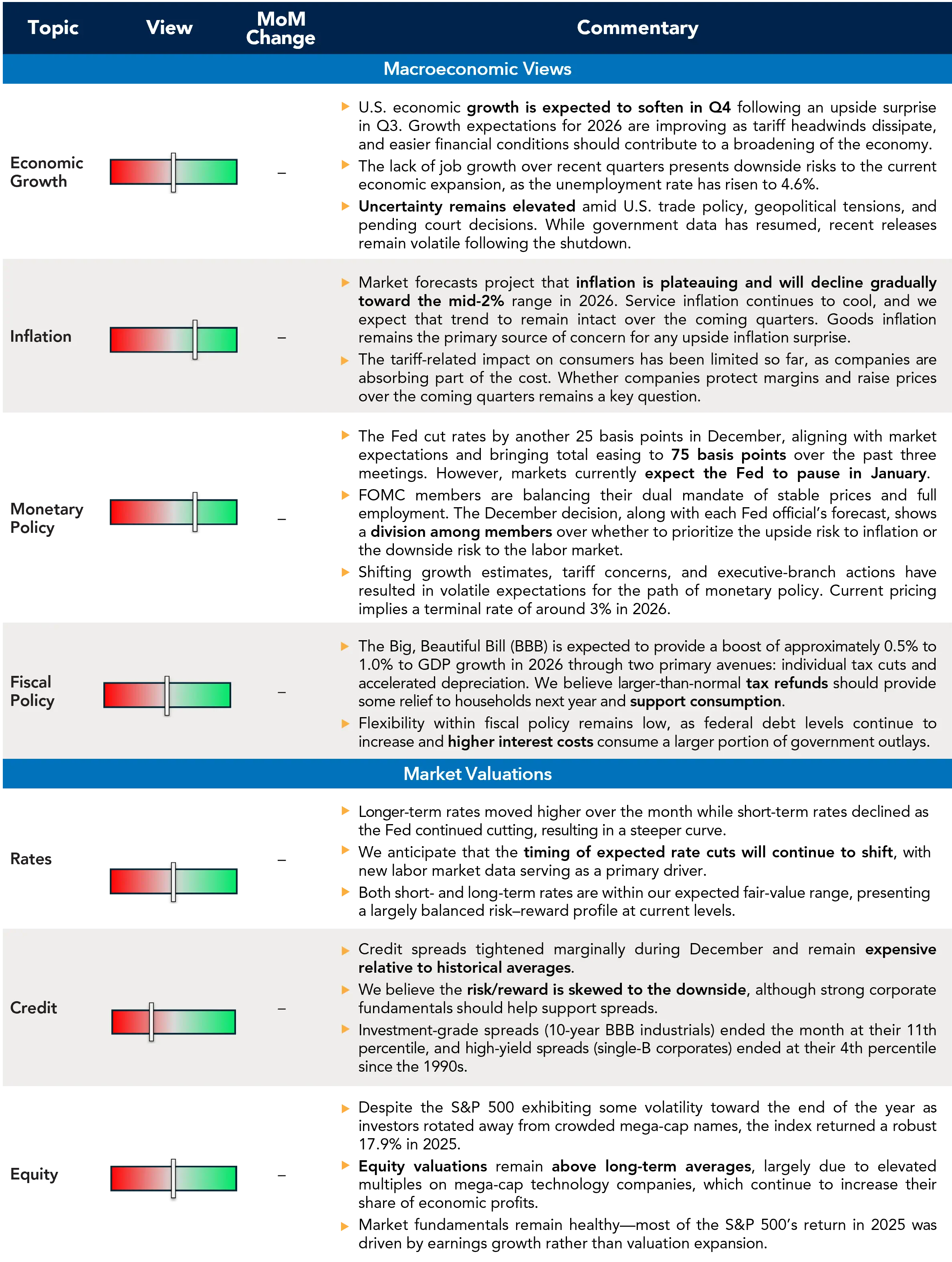
Stock Titan's latest financial news digest for January 31, 2026, offers key insights for investors, covering breaking news, corporate actions, and market analysis.
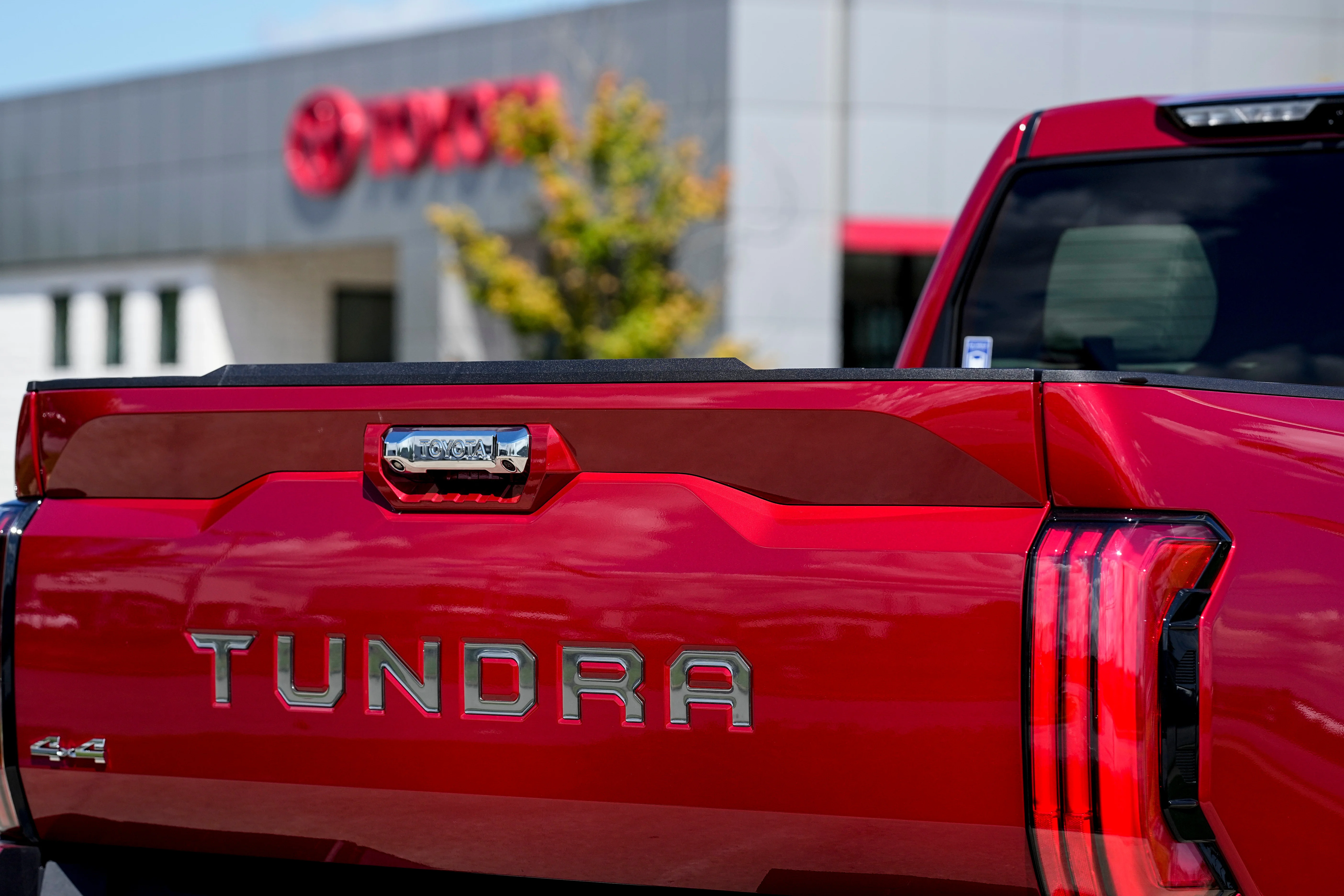
A quiet box office weekend, Toyota recalls 162,000 trucks, and severe weather brings challenges from snow to crocodiles across the globe.