Costco's New $3 Double Chocolate Mint Sundae Becomes Instant Viral Hit
Costco's food court introduces a Double Chocolate Mint Sundae for $2.99, sparking rave reviews online and becoming a viral sensation among shoppers.

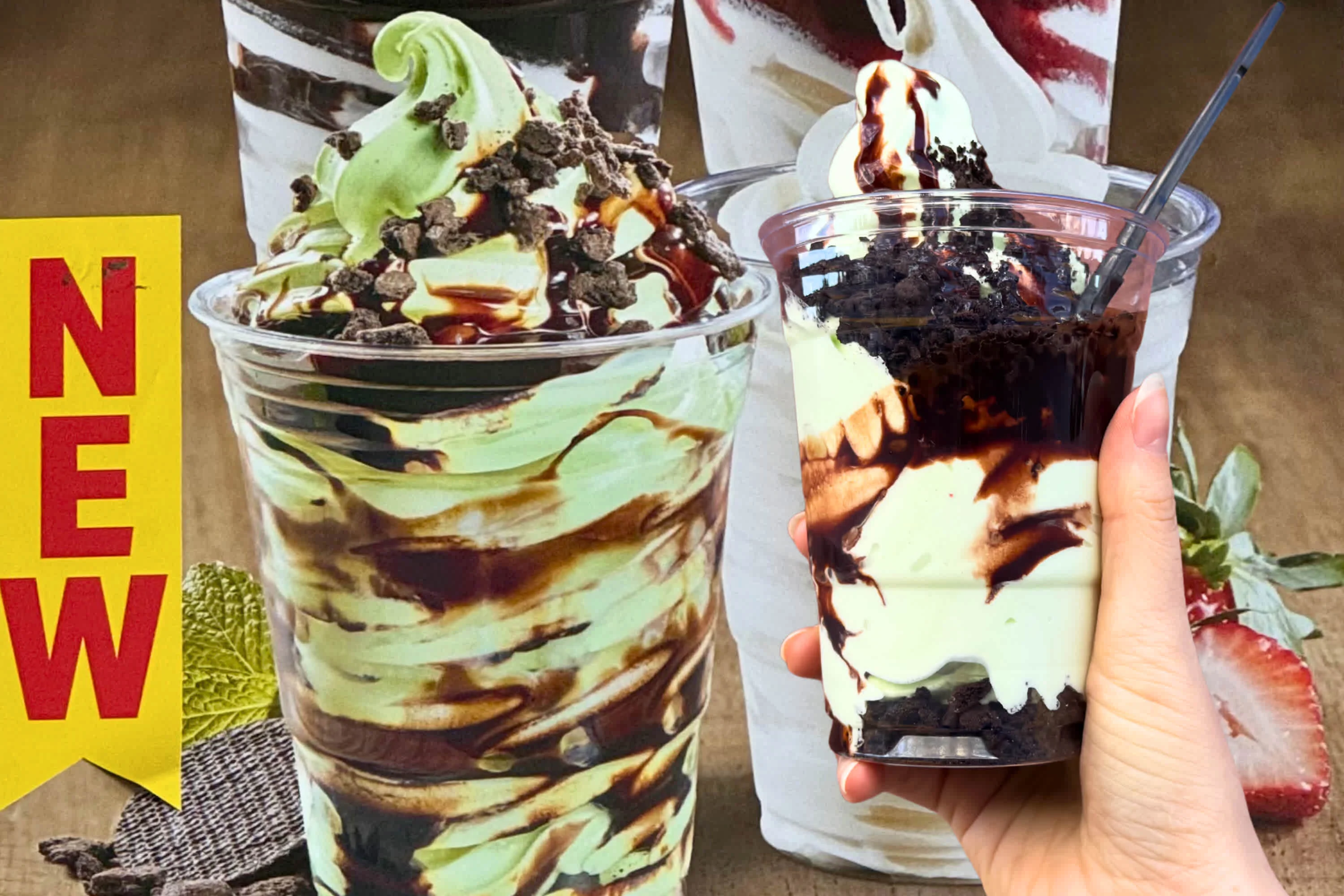
In a predictable yet delightful turn of events for bargain-hunting food enthusiasts, Costco has once again captured the internet's attention, not with bulk paper towels or discounted electronics, but with a new dessert addition to its famously affordable food court. The retail giant quietly rolled out a Double Chocolate Mint Sundae across all its U.S. locations, priced at a modest $2.99, and the feedback has been overwhelmingly positive. Shoppers and social media users alike are hailing the new treat as a "must-try," praising its unique flavor profile and budget-friendly cost, cementing its status as an instant viral sensation. This latest menu item, featuring cool mint soft-serve ice cream, rich chocolate cookie crumbles, and a generous swirl of chocolate sauce, has quickly become a focal point of discussion, drawing both enthusiastic endorsements and a smattering of nostalgic longing for past favorites.
Background and Context: Costco's Food Court Phenomenon
Costco's food court has long held a near-mythical status among its members, transcendng its primary function as a post-shopping pit stop to become a destination in itself. Known for its unwavering commitment to value, the food court offers an array of remarkably inexpensive fare, most famously the iconic $1.50 hot dog and soda combo. This pricing strategy, which has remained unchanged for decades, underpins a broader philosophy of providing exceptional value to members, fostering a unique sense of loyalty and community. Historically, the food court has served as a testament to Costco's ability to maintain high quality at low prices, a principle that extends beyond bulk groceries to prepared foods. From oversized pizza slices to the beloved chicken bake, these offerings have carved out a dedicated following, with discussions and debates about menu changes frequently erupting across social media platforms. The introduction of any new item, therefore, is not merely a product launch but a significant event within the Costco community, often met with scrutiny and high expectations, as detailed by Men's Journal.
Key Developments: The Rise of the Minty Marvel
The Double Chocolate Mint Sundae made its debut earlier this month, arriving just in time to capitalize on the seasonal appeal of mint-flavored treats associated with St. Patrick's Day. The new dessert features a decadent combination: creamy mint soft-serve ice cream forms the base, generously topped with chocolate cookie crumbles, and finished with a rich chocolate sauce swirl. This seemingly simple combination has struck a chord with consumers, leading to an explosion of positive reviews on social media platforms like TikTok, where food bloggers and everyday shoppers have been quick to share their experiences. Many have lauded the sundae for offering "good mint"—a particular praise reserved for mint ice cream that avoids the artificial, "toothpaste-like bitter taste" often associated with fast food adaptations of the flavor, according to reports from Men's Journal. The combination of gooey chocolate cookie topping and the decadent chocolate sauce has received near-unanimous approval. Some even drew parallels to the recent trend of viral Dubai chocolate desserts, noting the sundae's successful execution of rich, textural elements. One commenter humorously suggested, "Costco trying to compete with the Shamrock Shake over here," drawing a direct comparison to McDonald's famous seasonal mint-flavored beverage, highlighting the sundae's timely and strategic release. While the reception has been largely celebratory, the introduction of a new seasonal item also invariably reignites conversations about Costco’s rotating menu, with some members expressing longing for discontinued favorites such as the salted caramel brownie, combo pizza, and churros.
Analysis: The Power of Nostalgia and Pockets of Complaint
The immediate and widespread popularity of Costco’s Double Chocolate Mint Sundae underscores several fascinating aspects of consumer behavior and brand loyalty. Firstly, it highlights the immense power of nostalgia and seasonal appeal. Mint chocolate, particularly in late winter and early spring, carries a strong cultural association with St. Patrick's Day, allowing the sundae to tap into established cravings and festive sentiments. Brands like McDonald's have long leveraged this with their Shamrock Shake, demonstrating the effectiveness of limited-time, seasonal offerings in generating buzz and driving sales. Costco's seamless integration of a "good mint" flavor, avoiding the pitfalls of artificial taste, further solidifies its appeal, proving that quality, even in a budget-friendly item, significantly impacts consumer satisfaction and viral potential. However, the viral success also illuminates a vocal undercurrent of discontent among a segment of Costco's loyal customer base, particularly concerning its rotating menu strategy. The complaints, such as "Getting rid of the salted caramel brownie is criminal" or pleas for the return of the combo pizza and churros, aren't just isolated grievances; they represent a deep-seated attachment to specific menu items that have become integral to the Costco shopping experience for many. This dichotomy—the excitement over new offerings versus the yearning for classic, often discontinued, favorites—shows the complex relationship consumers have with beloved brands. While newness creates headlines and draws fresh attention, a brand's heritage food items hold a special place in the hearts (and stomachs) of its long-term patrons. Balancing innovation with tradition is a constant tightrope walk for any establishment with a devoted customer base, and Costco's food court is a prime example of this dynamic in action.
Additional Details: The Viral Phenomenon and Beyond
The quick ascent of the Double Chocolate Mint Sundae to viral status wasn't merely a coincidence; it's a testament to the confluence of effective product design, strategic timing, and the unparalleled power of social media for organic marketing. The sundae's aesthetic appeal, with its contrasting colors and inviting textures, lends itself well to visual platforms like TikTok and Instagram, where short-form videos and high-quality images can rapidly disseminate culinary trends. Food bloggers, always on the lookout for the next big thing, naturally gravitated towards a new item from a beloved brand like Costco, especially one that hits on a popular flavor profile. This organic promotion, costing Costco nothing, effectively amplifies the product's reach far beyond traditional advertising. The dessert’s affordable price point also makes it an accessible indulgence, encouraging impulse purchases and repeat visits, further fueling its viral spread as more people try it and share their own reviews. This phenomenon stands in stark contrast to other "viral" content, such as the widely criticized workout videos of political figures. For example, recent antics from figures like Robert F. Kennedy Jr. and Pete Hegseth, extensively covered by The Economic Times (a different context entirely, but underscoring the broad nature of "going viral"), highlight how digital visibility can stem from various sources, not always positive. In contrast, the Costco sundae's virality is rooted purely in positive consumer experiences and genuine excitement about a product that delivers on its promise of taste and value. This distinction is crucial: while some content goes viral for its absurdity or controversy, the sundae’s success is a genuine reflection of consumer satisfaction, demonstrating the authentic impact of word-of-mouth recommendations in the digital age.
Looking Ahead: What This Means for Costco's Menu and Beyond
The viral success of the Double Chocolate Mint Sundae offers intriguing insights into Costco's potential future menu strategies. Given the overwhelmingly positive response, it's plausible that this sundae, initially released as a seasonal item, could either return annually or even earn a permanent spot on the food court menu. This decision would likely hinge on sustained popularity and supply chain logistics, but the current buzz certainly makes a strong case for its longevity. Furthermore, this success could encourage Costco to experiment with more limited-time, seasonal dessert offerings, leveraging current food trends and holiday themes to keep the food court experience fresh and exciting for its members. The continuous online discussion, even from those lamenting discontinued items, demonstrates the deep engagement members have with the food court. Managing these expectations – delighting with new additions while acknowledging the nostalgia for past favorites – will be a key challenge for Costco. In an era where food courts, once mere afterthoughts, have become legitimate culinary destinations, Costco's ability to innovate within its established value proposition ensures its continued relevance and popularity. The food court is not just a place to eat; it's a social touchstone, a topic of conversation, and a testament to the brand's unique connection with its loyal customer base, constantly evolving yet firmly rooted in affordability and satisfaction.
Related Articles

Costco Fuels Growth with Standalone Gas Stations, Challenging Retail Norms
Costco is accelerating its standalone gas station strategy, with the first major independent facility set to open in June. This expansion, driven by lower prices and membership loyalty, signals a significant strategic shift within the retail giant.