A viral "Hire Human Beings" banner flown over Silicon Valley, initially hailed as a 'peak anti-AI protest,' has been revealed as a sophisticated marketing stunt for director Gore Verbinski's new film, "Good Luck, Have Fun, Don't Die."
In a striking display that captured global attention and sparked fervent debate across social media platforms, a banner boldly proclaiming "HIRE HUMAN BEINGS" was seen soaring over Silicon Valley. The image, widely disseminated and amplified by popular culture accounts, was instantly hailed by many as a poignant "anti-AI" protest, resonating deeply with anxieties surrounding the rapid advancements and potential job displacement caused by artificial intelligence. However, as the fervor intensified, it was soon revealed that this seemingly grassroots demonstration was, in fact, an ingenious and highly effective marketing tactic for acclaimed director Gore Verbinski's newest science fiction film, "Good Luck, Have Fun, Don't Die," a movie itself deeply critical of AI's societal implications, as reported by The Financial Express.
The San Francisco Bay Area, universally recognized as the "global epicenter" of high technology and innovation, has become an increasingly central stage for discussions surrounding artificial intelligence. With tech giants and burgeoning startups alike pushing the boundaries of AI, the region is simultaneously a beacon of progress and a focal point for growing concerns about the technology's impact on employment, ethics, and human autonomy. The "AI boom," as it's often termed, has proponents envisioning a future of unprecedented efficiency and problem-solving, while critics voice alarm over potential dehumanization and job displacement. This dichotomy creates a fertile ground for public discourse, often amplified by figures like Sam Altman and Elon Musk, who are at the forefront of the AI wave. Into this charged atmosphere, the "HIRE HUMAN BEINGS" banner descended, immediately tapping into a collective unease that had been simmering for years, offering a seemingly direct challenge to the pervasive narrative of AI’s unbridled advancement in the very heartland of its development.
The viral clip, which showed a plane trailing the "HIRE HUMAN BEINGS" banner high above the iconic Silicon Valley, quickly ignited social media, particularly on platforms like X (formerly Twitter). Users applauded the "simple gesture," with some even labeling it a "personal attack" given its strategic deployment over the technology hub. The initial reactions underscored a widespread sentiment against the potential implications of unchecked AI growth, particularly regarding its perceived threat to human employment. Many were quick to interpret it as a genuine, albeit symbolic, protest against the tech industry's relentless pursuit of AI-driven automation. However, the true nature of the display soon came to light. The official X account for the film "Good Luck, Have Fun, Don't Die" posted the clip early on February 13, revealing that the banner was a clever promotional tactic for the ridiculously comedic Sam Rockwell-starrer. Directed by Gore Verbinski, the film, which features a cast including Haley Lu Richardson, Michael Peña, Zazie Beetz, Asim Chaudhry, and Juno Temple, centers around a bizarre stranger from the future who recruits unsuspecting individuals to avert global doom. This revelation sparked a new wave of reactions, shifting from admiration for the "protest" to acclaim for the "genius marketing," as documented by The Financial Express.
Further solidifying its anti-AI stance as part of the promotional campaign, the film's production banner, Briarcliff Entertainment, offered "free-of-cost tickets" to those who "have lost their job to AI." In a social media post, they invited individuals who had been "quietly replaced, sidelined, or optimised in the name of progress" to share their stories and receive a complimentary pair of tickets. Briarcliff Entertainment CEO Tom Ortenberg articulated the rationale behind this unique offer, stating, "Who better to see a film about AI’s impact than those already experiencing it firsthand?" This move was widely discussed online, with some commentators on X describing it as "cynicism wrapped in generosity" or "darkly funny fallout consolation." The marketing strategy expertly capitalized on the prevailing sentiment regarding AI, turning a societal concern into a powerful hook for the film, blending social commentary with entertainment. While not directly related to AI, it’s worth noting the juxtaposition of consumer anxieties – whether about job security or product quality, as seen in the recent uproar over Nestle’s KitKat ingredients in India (The Financial Express), or even civic responsibility highlighted by a woman in Kerala (India Today) – all of which find rapid amplification and discussion in the digital age.
The "HIRE HUMAN BEINGS" banner stunt represents a paradigm shift in film marketing, moving beyond traditional advertising to immersive, real-world interventions that blur the lines between promotion and social commentary. This isn't just about selling tickets; it's about embedding a film's core message directly into contemporary societal anxieties, forcing a broader conversation that benefits the movie's thematic resonance. By initially allowing the public to believe it was a genuine anti-AI protest, the filmmakers tapped into a pre-existing sentiment, generating organic buzz and a deep emotional connection before revealing its commercial intent. This approach is potent because it bypasses the cynicism often associated with overt advertising, instead cultivating an authentic dialogue around issues the film itself explores, such as "cell phone hypnosis, gun violence desensitization and AI dehumanization," as highlighted by The Hollywood Reporter and detailed in The Financial Express. Gore Verbinski, having been absent from cinema screens for nearly a decade, has masterfully re-entered the public consciousness not just with a film, but with a cultural moment.
Moreover, the deliberate decision to offer free tickets to those displaced by AI amplifies the film's message and demonstrates an unusual level of empathy in marketing. This isn't merely a charitable gesture; it's a strategic move that transforms potentially aggrieved individuals into engaged viewers, validating their experiences while simultaneously promoting the film. It also creates a powerful feedback loop: those directly affected by AI are explicitly invited to witness a narrative that mirrors their reality, potentially fostering a deeper connection and word-of-mouth promotion within a highly relevant demographic. This innovative strategy suggests a future where successful marketing campaigns will increasingly rely on understanding and engaging with prevalent socio-political currents, rather than simply broadcasting messages. It demands that creators and marketers become keen observers of public sentiment, leveraging platforms like X to not just share content, but to shape conversations and even influence how a narrative is initially framed and perceived, making the revelation of the marketing a second, impactful narrative twist in itself.
The marketing stunt is not merely a clever trick but a direct reflection of director Gore Verbinski's deeply held — and frequently vocalized — criticisms of artificial intelligence. After a nearly decade-long hiatus from theatrical releases, Verbinski has returned with "Good Luck, Have Fun, Don't Die," using his artistic platform to 'sound off on a number of issues,' including what he terms "AI dehumanisation." His perspective goes beyond typical technological skepticism; he views AI's intrusion into creative and distinctly human domains with palpable disdain. In a candid interview with The Hollywood Reporter, preceding the film's February 13 release, Verbinski expressed his "vehement hate" for the subject, questioning the very purpose of AI if it seeks to replicate human functions that define our existence. "Why is AI helping me write a song or tell a story? I don’t want it to breathe or f*ck for me; I want it to solve cancer," he asserted, as cited by The Financial Express. He posits that AI should tackle gargantuan, non-human tasks like sending "sh*t through a black hole" or performing undesirable labor, rather than encroaching upon the creative and emotional realms essential to human experience.
Verbinski’s critical lens extends to philosophical questions about AI's development and its inherent biases. He raises profound concerns about "AI’s formative years" and how its core code, being manipulated by human executives, might inherit human flaws and narcissism. "There’s no sense of it being born free of our shit... So all these executives who are manipulating AI’s core code at the moment it’s becoming potentially sentient, what is that going to do to it?" he muses, highlighting the ethical and developmental questions he believes are often overlooked. This perspective suggests that "Good Luck, Have Fun, Don't Die" is not merely an action-adventure film but a vehicle for Verbinski's philosophical exploration of humanity's relationship with its increasingly technological creations. The banner over Silicon Valley, initially perceived as a spontaneous public outcry, thus serves as a direct extension of Verbinski's artistic and ideological mission, generating buzz while simultaneously provoking thought about the very issues central to his latest cinematic offering.
The "Hire Human Beings" banner incident, even as a marketing stunt, underscores a significant and growing tension in the public discourse surrounding artificial intelligence. It highlights the deep-seated anxieties about job security, human value, and the ethical implications of handing over traditional human domains to machines. As AI continues its rapid advancement, these discussions are only expected to intensify. The success of Verbinski's campaign suggests that future public engagement with AI, both in activism and entertainment, will likely become more sophisticated and perhaps more integrated into daily life, rather than existing solely in academic or tech circles. What began as a perceived protest and evolved into savvy promotion may set a precedent for how films and other cultural products can leverage genuine societal concerns to create impactful, multi-layered campaigns.
In the coming years, we can anticipate more creative initiatives that directly confront or comment on the AI revolution, whether through direct protest, artistic expression, or even further nuanced marketing strategies that mirror consumer sentiments. The "buzz" generated by this single banner over Silicon Valley demonstrates the profound resonance of the anti-AI sentiment, capable of capturing attention even in an age saturated with digital noise. This also means that companies developing AI will face increasing scrutiny and a growing demand for transparency regarding the ethical implications and societal impact of their technologies. The incident serves as a powerful reminder that while technological progress is relentless, public perception and human concerns remain a formidable force, capable of shaping the narrative and even the trajectory of innovation itself.
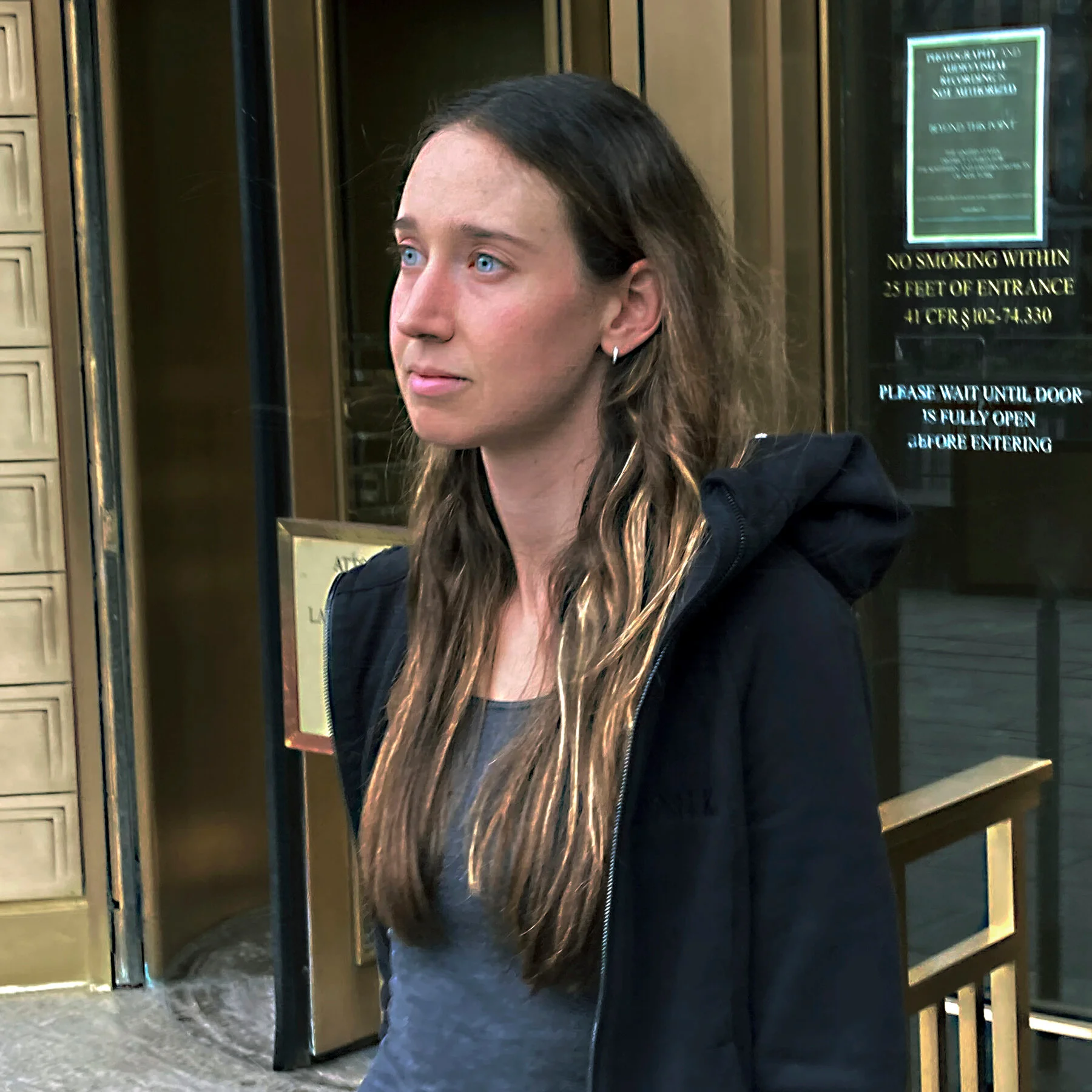
Disgraced AI startup Cluely, founded by Roy Lee, highlights a disturbing trend in Silicon Valley's AI gold rush, battling public scorn and VC recalibration.
A deep dive into San Francisco's bizarre AI startup landscape, the rise and fall of "cheating tool" Cluely, and how VCs are reassessing AI SaaS investments.
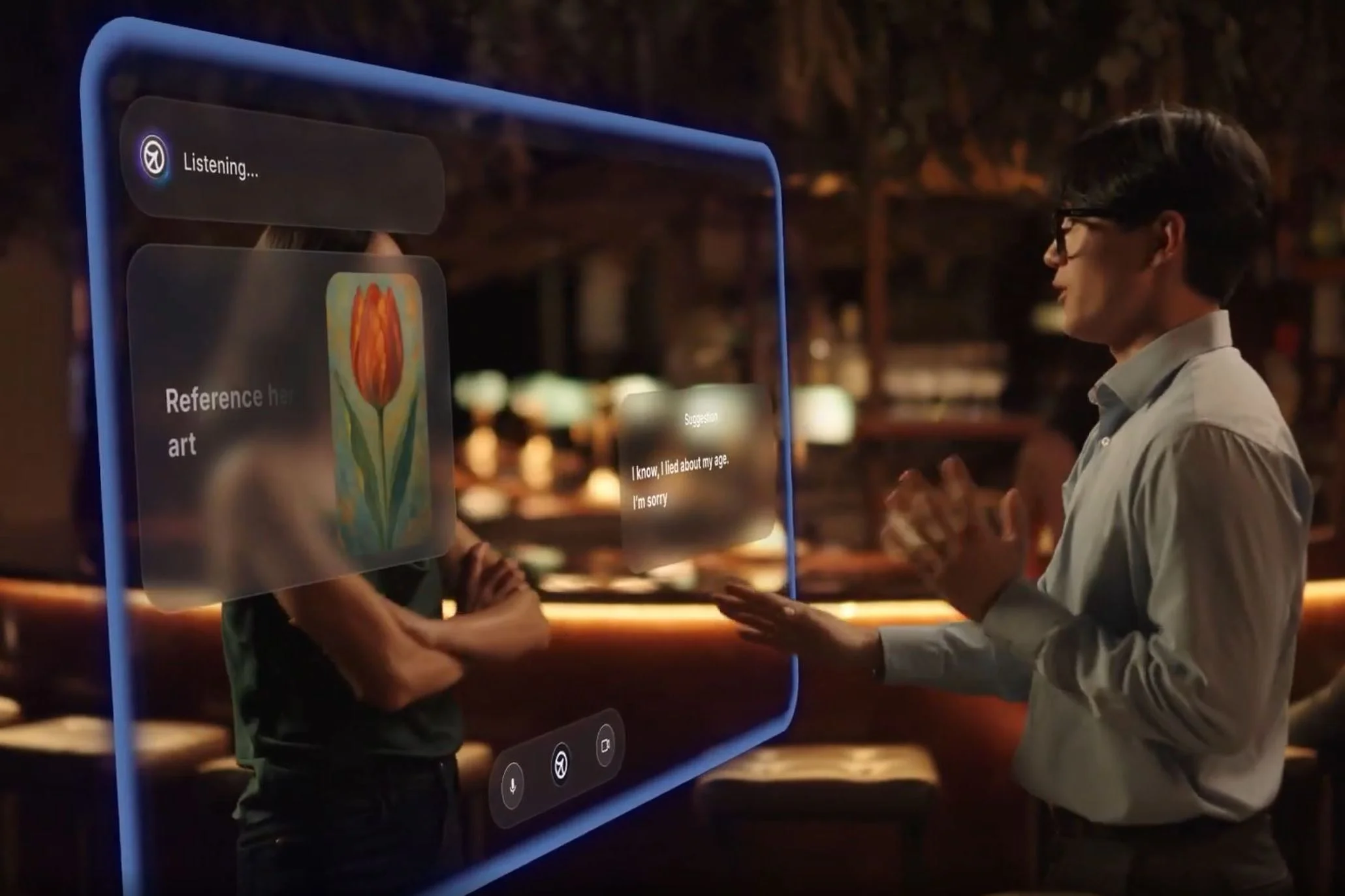
A controversial AI startup, Cluely, co-founded by Roy Lee, epitomizes Silicon Valley's growing ethical dilemmas and the stark bifurcation foreseen in the AI era, leading to its expulsion from San Francisco.