
Terrifying Shanghai Sinkhole Swallows Road near Metro Site, Sparks Infrastructure Concerns
A massive sinkhole in Shanghai swallowed a road and structures near a metro construction site, captured in viral CCTV footage, raising alarms about land subsidence and urban development practices.

In a terrifying display of urban vulnerability, a massive sinkhole dramatically swallowed a busy section of road and temporary structures in Shanghai, China, near an active metro construction site. Viral CCTV footage, widely circulated across social media, captured the shocking moment the ground gave way, sending vehicles and construction barricades plummeting into the gaping chasm. While authorities have confirmed no deaths or injuries from the incident, which occurred at the intersection of Qixin Road and Li’an Road, the event has reignited urgent discussions about the precarious balance between rapid urban expansion and underlying geological instabilities in major cities worldwide, particularly those built on soft, alluvial soils like Shanghai. Reports indicate approximately 500 square metres (5,380 sq ft) of roadway collapsed, exposing the ongoing challenges faced by densely populated areas with aggressive infrastructure projects. The Indian Express detailed the incident, highlighting the city's inherent susceptibility to land subsidence.
Shanghai's Soft Ground: A History of Subsidence
Shanghai’s geological foundation is inherently fragile, built predominantly on soft alluvial soil deposited over millennia. This inherent characteristic makes the city particularly vulnerable to land subsidence, a gradual settling or sudden collapse of the ground surface. Historical records and recent data underscore that this isn't a new phenomenon for the bustling metropolis. The sheer scale of urban development, particularly the extensive network of underground tunnels for its metro system and other utilities, coupled with heavy groundwater extraction, places immense pressure on this delicate subsurface. Each construction project, while crucial for supporting a rapidly growing population and economy, also introduces potential weaknesses. The recent incident near a metro construction site is a stark reminder of these long-standing geological challenges, exacerbated by modern engineering demands. Data from The Indian Express reinforces that over 72% of sinkholes reported across China between 2017 and 2023 were linked to human activities, including construction flaws and aging infrastructure, putting the Shanghai incident squarely within a recognized pattern of vulnerability.
The Collapse: A Viral and Vexing Moment
The core of the recent incident is the sudden and dramatic collapse of a significant section of roadway at the intersection of Qixin Road and Li’an Road. As reported by The Indian Express, viral CCTV footage disseminated widely online captured the terrifying progression: the road surface visibly splitting, buckling, and then rapidly giving way, consuming nearby vehicles and temporary construction barriers. Bystanders can be observed fleeing in panic as the asphalt infrastructure crumbled beneath them. The sheer speed of the collapse, within mere seconds, underscores the unpredictable and sudden nature of such events. This specific intersection is known to be an active site for extensive underground construction, part of Shanghai's ambitious new Metro line expansion. While authorities quickly confirmed no resultant fatalities or injuries, the visual impact of approximately 5,380 square feet of road disappearing has profoundly resonated, both locally and internationally. This incident follows a similar, albeit smaller, road collapse in Shanghai’s Minhang District in January 2024, attributed to a sewage pipe failure, further highlighting the persistent challenges faced by the city's aging and extensively developed infrastructure.
Analysis: The Price of Progress and Global Parallels
The Shanghai sinkhole is more than just a localized disaster; it serves as a potent microcosm of the challenges facing rapidly urbanizing regions across the globe. While the immediate cause points to the intersection of soft alluvial soil, extensive groundwater extraction, and the heavy vibrations and excavations inherent in metro construction, the underlying issue is the strain placed on natural geological structures by unprecedented human activity. The social media reaction, as noted by The Indian Express, instantly drew parallels to other fast-developing cities. Comments like "Infrastructure without sustainability leads to consequences" and suggestions that "Bengaluru and other cities may one day see the same effect due to greedy construction and ground water extraction" underscore a collective anxiety about modern development outpacing sustainable engineering practices. This concern is particularly salient in countries like China, where significant portions of the land rest on karst terrain—limestone and dolomite formations that are naturally prone to dissolving, creating underground caverns. When combined with intense rainfall, which can seep into and expand existing cracks, the risk of sudden collapse escalates dramatically, often with little to no prior warning. The imperative now for urban planners and engineers is to move beyond reactive repairs and embrace proactive, integrated approaches that consider long-term geological impacts and employ advanced monitoring technologies to identify stress points before they become catastrophic failures.
Broader Infrastructure Challenges and Public Perception
Beyond the immediate shock, the Shanghai sinkhole incident casts a wider shadow over urban infrastructure projects globally, particularly those involving extensive underground works. The public's perception of safety and the integrity of massive construction efforts can be significantly eroded by such events. The sheer scale and speed of China's infrastructure boom are often lauded, but incidents like this prompt necessary questions about the robustness and long-term consequences of such rapid expansion. The context provided by The Indian Express that a significant majority of sinkholes in China are human-activity-related, rather than purely natural occurrences, is a critical data point. This suggests that while geology plays a role, construction methodologies, quality control, and maintenance of existing infrastructure are paramount. The incident also indirectly highlights the intense scrutiny and sometimes humorous, sometimes cynical, reaction of the public to infrastructural developments. For instance, in an entirely different context, the recent viral images of a sharply sloping section of an under-construction Bengaluru metro line, humorously dubbed a "Metro-coaster" on Reddit, demonstrate how quickly the public latches onto visually striking aspects of urban projects, whether serious or lighthearted. While the Bengaluru metro situation, reported by India Today, points to differing engineering challenges and public discourse, both underscore that infrastructure projects, big or small, are constantly under public observation, demanding transparency and accountability from authorities. The contrasting public reactions – concern in Shanghai and amusement in Bengaluru – nonetheless reflect a shared underlying interest in the reliability and safety of these ambitious urban feats.
Looking Ahead: The Imperative for Integrated Urban Planning
The Shanghai sinkhole serves as a critical wake-up call for urban planners and engineers not just in China, but worldwide. As cities continue their inexorable march towards higher density and more complex underground networks, the lessons from this event are clear: robust geological surveys, advanced monitoring systems, and adaptive engineering solutions are no longer optional extras but fundamental necessities. Future urban development must transition from a reactive model to a proactive one, incorporating comprehensive risk assessments that factor in long-term environmental and geological impacts. Collaborative efforts between scientists, engineers, and policymakers will be essential to mitigate the risks associated with land subsidence, groundwater depletion, and climate change-induced events like intense rainfall. For Shanghai, the immediate focus will be on stabilization, repair, and a thorough investigation of the metro construction practices at the site. For other cities with similar geological profiles or ambitious infrastructure plans, the incident underscores the urgent need for a holistic approach to urban planning that prioritizes sustainability and resilience, ensuring that progress does not come at the devastating cost of public safety and environmental integrity.
Related Articles
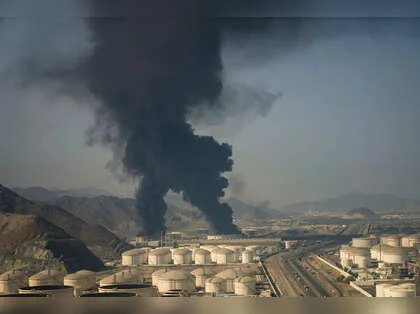
Global Economy Reels as Iran Escalates Attacks on Gulf Energy Sites, Stocks Plummet
Iran's retaliatory strikes on Gulf energy infrastructure after an Israeli attack on its gas field send global oil prices skyrocketing and spark fears of long-term economic disruption. US-Israeli alliance shows cracks as leaders diverge on strategy.