The Jawline Craze: Men Taking Extreme Measures for Sculpted Looks
A viral cosmetic trend sees men undergoing dangerous procedures, including jaw-breaking surgeries, in pursuit of an aesthetically "perfect" jawline, raising alarms among medical professionals over the associated health risks. This article delves into the phenomenon, its origins, and its implications.

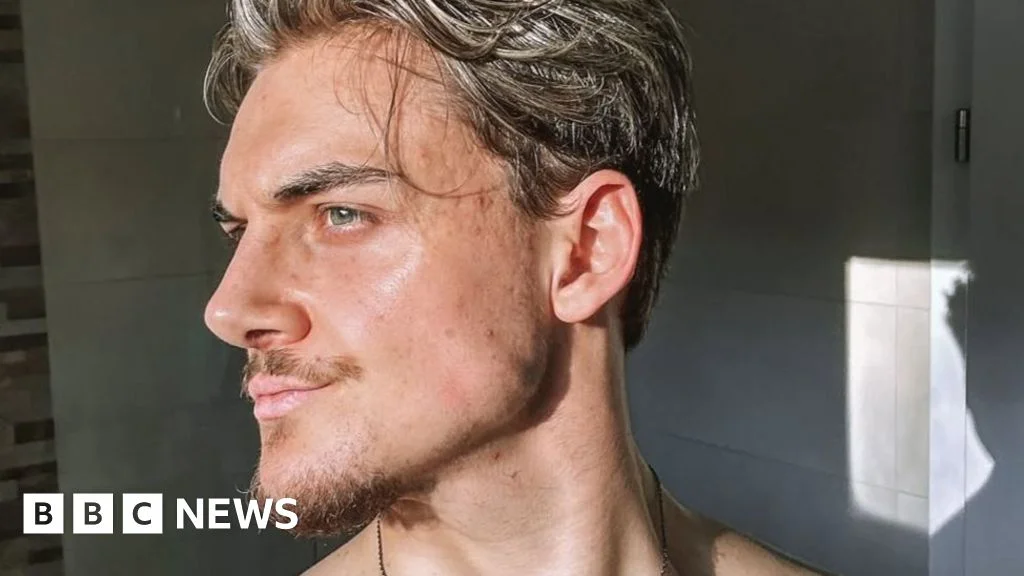
In an alarming escalation of aesthetic trends driven by social media, a growing number of men are reportedly resorting to extreme, and often dangerous, measures to achieve a highly sculpted jawline. This pursuit of a chiseled profile, fueled by digital filters and celebrity culture, has spawned a viral craze that, at its most drastic, involves individuals undergoing procedures as severe as deliberately breaking their jaws to reshape their facial structure. This phenomenon is not merely an extension of traditional cosmetic enhancements; it represents a concerning shift towards invasive and potentially life-altering surgeries undertaken for purely aesthetic reasons, often without full comprehension of the inherent health risks and long-term consequences. The motivations behind such drastic actions are complex, intertwining aspirations for perceived masculine ideals, social media validation, and the pervasive pressure to conform to ever-evolving beauty standards. As this extreme trend gains traction online, it raises serious questions about body image, self-perception, and the ethical boundaries of cosmetic interventions.
The Genesis of a Dangerous Aesthetic
The quest for an angular, prominent jawline, often associated with masculinity and attractiveness, is not entirely new. Historically, certain facial features have been idealized across various cultures and eras. However, the current iteration of this obsession has been amplified exponentially by the digital age. Social media platforms, with their emphasis on visual perfection and constant self-presentation, have created fertile ground for such trends to flourish. Filters that enhance bone structure, celebrity influencers showcasing sharp jawlines, and readily available visual comparison tools contribute to a culture where an "ideal" facial structure feels both aspirational and attainable, even if through artificial means. The 2020s have seen a significant rise in male engagement with cosmetic procedures, moving beyond traditional concerns like hair loss or anti-aging to encompass more structural and defining features. The Toledo Blade recently highlighted the most extreme manifestation of this phenomenon: individuals willingly undergoing orthognathic surgery, typically reserved for severe medical conditions, solely for cosmetic reshaping. This indicates a worrying departure from minimally invasive treatments towards radical interventions, often without adequate psychological evaluation or understanding of the procedures' true scope and irreversibility.
Core Developments: From Chewing to Cutting Bone
The viral jawline trend encompasses a spectrum of activities, ranging from relatively harmless to incredibly dangerous. On the milder end, the trend includes "mewing"—a practice involving specific tongue posture aimed at reshaping the jaw over time—and the use of hard chewing gums or jaw exercisers designed to build up masseter muscles. While these methods carry their own minor risks, such as TMJ issues, they largely fall within a non-invasive category. The truly alarming development, however, is the increasing number of individuals seeking surgical intervention. Medical professionals specializing in oral and maxillofacial surgery report a rise in consultations for aesthetic jawline enhancement. While some legitimate procedures exist, such as mandibular implants or genioplasty (chin surgery), these are typically performed by highly skilled surgeons for specific indications. The most extreme and concerning aspect of this trend, as detailed by the Toledo Blade, involves procedures that mimic or are, in essence, jaw-breaking osteotomies. These surgeries, known as orthognathic surgery or corrective jaw surgery, are medically complex and typically used to correct severe malocclusions, facial deformities, or sleep apnea. When performed solely for cosmetic reasons without a functional indication, they carry significant risks including infection, nerve damage, chronic pain, changes in bite, and even potential loss of sensation in parts of the face. The growing demand, often spurred by unchecked online trends and unrealistic expectations, places both individuals and ethical medical practitioners in difficult positions, highlighting a concerning disconnect between perceived online ideals and clinical reality.
Analysis: The Broader Implications of Extreme Aesthetics
This escalating trend of men resorting to extreme measures for aesthetic purposes signals a deeper societal issue concerning body image, masculinity, and the pervasive influence of digital culture. On one hand, it reflects a growing normalization of cosmetic enhancements for men, challenging traditional notions that such procedures are solely a female domain. However, the severity of the interventions sought in this jawline craze transcends simple aesthetic improvement; it borders on body dysmorphia, where individuals perceive flaws that are exaggerated or non-existent, leading to extreme measures for correction. The parallel drawn by some online commentators to disastrous events aimed at creating an "experience," such as the "Barbie Dream Fest" fiasco mentioned in BuzzFeed, illustrates a common thread of over-promising and under-delivering, but in the case of surgical procedures, the consequences are far more dire than a disappointing themed event. The "Barbie Dream Fest" attendees, as one Redditor noted, felt "so bad for the girls who were excited. This is going to be a core memory for them :(". While a bad event is inconvenient, a botched surgery carries lifelong physical and psychological scars. The drive for a 'perfect' jawline, often modeled on digitally-enhanced images, sets an unattainable standard, pushing individuals towards irreversible and potentially harmful modifications. This trend is a stark reminder of the mental health implications of relentless social media exposure and the vulnerability of individuals to persuasive, yet often misleading, online narratives surrounding beauty and self-improvement.
The Spectrum of Risk and Unrealistic Expectations
Beyond the most drastic surgical interventions, the allure of a defined jawline has also fostered a cottage industry of non-surgical aids, each with its own set of risks and often, dubious efficacy. Products like jawline exercisers and hard chewing gums promise quick results by strengthening the masseter muscles. While theoretically, increased muscle mass could contribute to a slightly broader jaw appearance, surgical augmentation of bone structure is not possible through these means. Over-exercising these muscles can lead to temporomandibular joint (TMJ) disorders, causing chronic pain, difficulty chewing, headaches, and even jaw locking. Furthermore, the practice of "mewing," popularized through online communities, suggests that optimal tongue posture can naturally reshape the face and jaw over time. While postural habits can influence facial development in growing children, the ability of mewing to significantly alter adult bone structure is largely unproven by scientific evidence and widely disputed by medical professionals. These less invasive methods, while generally safer than surgery, contribute to the same unrealistic expectations that ultimately drive individuals towards more dangerous procedures when desired results aren't achieved. The sheer volume of online content promoting these various methods, combined with often uncritical testimonials, creates a distorted perception of what is achievable and safe in cosmetic facial modification, feeding into a cycle of aspirational disappointment and potentially dangerous action. The accessibility of information, both reliable and unreliable, fosters an environment where individuals may self-diagnose and self-treat, bypassing the critical initial consultations with qualified medical professionals.
Looking Ahead: The Need for Education and Ethical Oversight
As this extreme aesthetic trend continues to evolve, there is an urgent need for increased public education regarding the risks associated with elective, non-medically indicated invasive procedures. Medical professionals, particularly oral and maxillofacial surgeons and plastic surgeons, face the ethical dilemma of managing patient expectations driven by social media, distinguishing between genuine medical needs and purely cosmetic desires that may lead to harm. The medical community must reinforce the importance of psychological evaluation for individuals seeking extreme cosmetic alterations, identifying potential underlying body dysmorphic disorder or other mental health concerns. Regulatory bodies may also need to consider stricter guidelines regarding the promotion of cosmetic procedures online, particularly those that carry significant risks and are marketed towards individuals influenced by viral trends. Furthermore, social media platforms themselves bear a responsibility to curb the spread of potentially harmful content that promotes dangerous cosmetic practices. A concerted effort involving medical professionals, mental health experts, and digital platforms is crucial to navigate the complex intersection of body image, viral trends, and responsible healthcare in the digital age, ensuring that the pursuit of perceived beauty does not come at the cost of irreversible health and well-being. Ultimately, fostering an environment that values diverse forms of beauty and promotes a healthy body image, rather than unattainable, surgically sculpted ideals, will be paramount.
Related Articles

Ananya Panday Hails Father Chunky's 90s Revival as Viral Trend Captures Bollywood Nostalgia
Ananya Panday expresses immense pride as father Chunky Panday flawlessly revives his 90s heartthrob image in a viral social media trend, sparking widespread nostalgia and celebrity reactions.