Soft Serve Margaritas Are The Latest Viral Boozy Trend — And Cleveland is Leading the Way
The internet is buzzing over pastel-colored soft serve margaritas. This unique alcoholic treat is currently only available at one restaurant in Cleveland, Ohio, sparking intense FOMO and a potential new culinary trend.

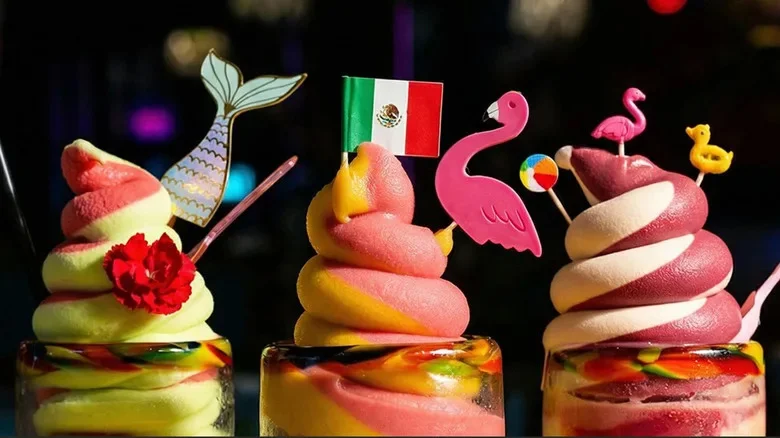
A new, brightly-colored and intriguingly textured alcoholic beverage is taking social media by storm, sparking fervent discussion and a significant case of FOMO (fear of missing out) among food enthusiasts. The latest viral sensation captivating online feeds isn't your traditional blended margarita or a simple cocktail; it’s the soft serve margarita. These frosty concoctions resemble swirled ice cream cones more than classic drinks, presenting a novel twist on a beloved boozy treat. With their eye-catching pastel hues and unique presentation, soft serve margaritas are quickly becoming the must-try item generating buzz across platforms like TikTok and Instagram, even though their availability is incredibly limited. Currently, one establishment in Cleveland, Ohio, stands at the forefront of this emerging trend, leaving many to wonder when and where they might get their hands on this innovative dessert-drink hybrid.
The Genesis of a Viral Sensation
The concept of combining alcohol with soft serve isn't entirely new, but its widespread viral appeal, particularly in the form of a margarita, is a recent phenomenon. The initial spark for this trend appears to have originated from a single restaurant: La Playa Mexican Food & Mariscos in Cleveland, Ohio. As Yahoo reports, if you're scrolling through food-related social media, these "swirly, brightly-colored soft serve margaritas" are increasingly popping up, captivating viewers with their resemblance to ice cream. La Playa leverages its Instagram presence to showcase the ever-changing flavors of these unique margaritas, which are dispensed like traditional soft serve ice cream. This exclusivity has fueled much of the online frenzy, with TikTok users expressing envy and a desperate desire to try them. The immediate virality, despite limited accessibility, underscores the power of social media in amplifying niche culinary innovations and transforming them into widespread cravings almost overnight.
The Culinary Balancing Act: Alcohol and Soft Serve
Creating alcoholic soft serve is far more complex than simply adding spirits to an ice cream machine. As Yahoo explains, alcohol significantly lowers the freezing point of ice cream. This means that a standard soft serve recipe infused with alcohol would result in a product that is too soft, melts extremely rapidly, and wouldn't hold its form. This presents a considerable challenge for widespread adoption and the production of "copycats." Restaurants looking to emulate La Playa's success can't just throw margarita mix into an existing soft serve machine and expect the same results. They would need to "tinker with possible recipes" to achieve the desired consistency and stability. Specialized machines designed for boozy soft serve are available, often requiring a unique gel to be mixed with the alcohol to stabilize the ice cream. This specialized equipment and formulation make the soft serve margarita a "niche product" that requires specific investment and expertise, hindering immediate replication by other establishments and highlighting La Playa's early innovation in this space.
Analysis: Beyond the Trend — A Reflection of Evolving Consumer Palates
The explosive popularity of the soft serve margarita, despite its limited availability, is more than just another fleeting internet trend; it reflects several deeper shifts in consumer dining preferences and the broader culinary landscape. First, it speaks to an insatiable public appetite for novel, experiential, and visually appealing food and drink. In an age dominated by social media, a dish’s "instagrammability" can be as crucial to its success as its taste, and the pastel swirls of a soft serve margarita are perfectly tailored for viral sharing. This phenomenon also aligns with the growing demand for "elevated food experiences" and "maximalist flavors" that Fox News highlights in its report on condiment trends. Consumers, especially younger demographics, are actively seeking "adventure in flavors" and new ways to interact with their food. The soft serve margarita offers a playful, adult-oriented "treat" that blurs the lines between dessert and cocktail, satisfying a desire for indulgent yet unique experiences. Furthermore, the quick rise of a trend from a single location underscores the democratizing effect of platforms like TikTok, where a truly innovative product, regardless of its origin, can capture global attention almost instantly, proving that innovation can spring from anywhere and resonate everywhere.
The Broader Landscape of Experiential Dining and Flavor Exploration
The soft serve margarita craze isn't an isolated incident but rather a delicious symptom of a larger movement towards adventurous and interactive dining. This trend is evident in the booming interest in diverse and often bold flavors, where consumers are increasingly open to experimenting with new tastes. As Fox News reports, a significant majority of Americans – 90% – are open to trying new sauces and spreads, illustrating a pervasive desire for flavor exploration. This extends beyond just condiments, indicating a broader readiness to embrace innovative culinary formats. Restaurants are responding by offering more experiential options, from diverse flavor flights to dishes designed for social media sharing. Eleni Louca, head chef of Hello Haloumi, emphasizes this shift, noting, "People today want to interact with their food more and play with flavor instead of eating something just one way." The soft serve margarita perfectly encapsulates this ethos, transforming a familiar cocktail into an interactive, visually stunning, and entirely new experience that appeals particularly to younger consumers seeking novelty and shareable moments.
Looking Ahead: The Future of Boozy Innovations and Culinary Virality
The trajectory of the soft serve margarita trend is likely to follow a familiar pattern seen with many viral food sensations. While La Playa in Cleveland currently holds the exclusive reins, the intense FOMO generated will undoubtedly spur other establishments to invest in the necessary technology and develop their own proprietary recipes. As Yahoo predicts, "knowing how fast copycats pop up, I wouldn't be surprised if we saw some in the next few weeks," though they caution against underestimating the "tricky culinary balancing act" involved. The specialized machines and precise formulations required mean that initial expansion might be slow, but the demand is clearly established. We can anticipate a period of experimentation from various restaurants, perhaps leading to regional variations and different alcoholic soft serve concepts beyond just margaritas. The success of this trend further solidifies the role of social media as a primary driver of culinary innovation and consumer demand, ensuring that the next big food craze, whatever it may be, is just a post away from global recognition.
Related Articles
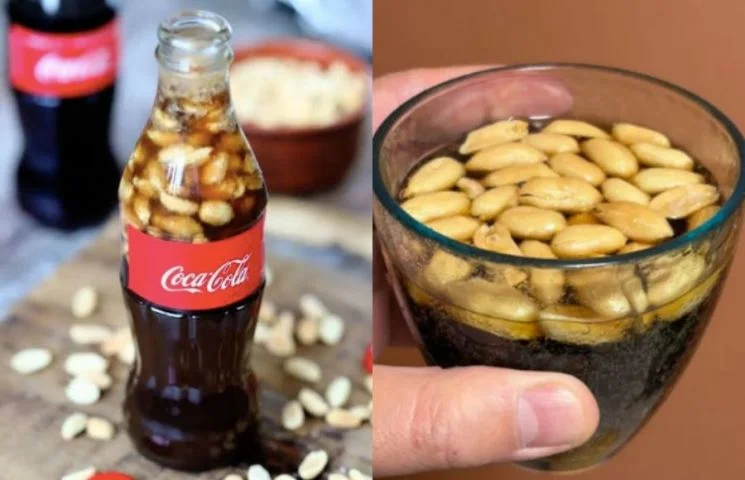
Peanuts and Cola: The Viral Japanese Craze Ignites Global Debate on a Southern Classic
A simple snack, "Peanuts and Coke," has unexpectedly swept across Japan after a viral X post, sparking nostalgia in the US while raising questions about its origin and appeal.