Peanuts and Cola: The Viral Japanese Craze Ignites Global Debate on a Southern Classic
A simple snack, "Peanuts and Coke," has unexpectedly swept across Japan after a viral X post, sparking nostalgia in the US while raising questions about its origin and appeal.

In an era where international borders seem to blur faster than ever in the digital sphere, a seemingly peculiar culinary concoction has captured the imagination of millions, particularly in Japan. The unassuming combination of "Peanuts and Coke" has exploded in popularity across the island nation, transitioning from an obscure reference in a Haruki Murakami essay to a viral sensation dominating social media feeds. This sudden surge in interest, spurred by a single X (formerly Twitter) post, has not only introduced a novel taste experience to Japanese palates but has also reignited a wave of nostalgia and cultural pride among Americans, particularly those from the Southern states, who recognize it as a long-standing tradition.
The Unexpected Origin of a Viral Sensation
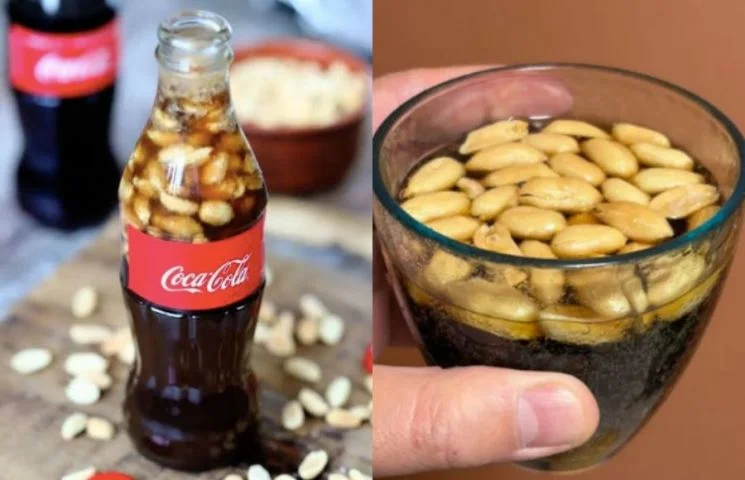
The journey of peanuts in soda from a regional American quirk to a global phenomenon began innocently enough. According to an article by Japan Today, on April 2nd, a Japanese X user shared a post recounting their delayed discovery of the unusual snack. The user, remembering a passage from a Haruki Murakami essay about the American practice of adding peanuts to cola, decided to finally try it after about 30 years. Their verdict was unequivocal: "What the heck—this is insanely good. It’s so good I don’t want to drink cola any other way anymore." This enthusiastic endorsement resonated broadly, propelling the tweet to an astonishing 23 million views within just four days. The post served as a catalyst, sparking a widespread conversation that bridged continents and cultures, transforming a forgotten literary anecdote into a tangible, must-try trend. The post's virality was further amplified by X's automatic translation capabilities, allowing for instantaneous cross-cultural sharing and discussion.
From Southern Comfort to Global Craze
While the Japanese audience reacted with surprise and intrigue to this unconventional pairing, numerous Americans quickly recognized and validated the practice. Comments flooded in, attributing the origin of "Peanuts and Coke" to the Southern United States, where it is often affectionately known as "Farmer's Coke." This moniker, suggestive of its humble roots among agricultural workers seeking a quick, energizing, and refreshing snack, underscored its deep-seated cultural significance in certain American regions. The phenomenon's resurgence in Japan prompted Japan Today reporter P.K. Sanjun to embark on his own taste test. Opting for buttered peanuts to add an extra twist, P.K. meticulously followed the online instructions: generously pouring peanuts into his cola. His reaction mirrored the viral enthusiasm: "The carbonated crunch made his eyes widen in surprise, and his taste buds stood to attention." He noted that the salt from the peanuts subtly enhanced the cola's sweetness, a parallel drawn to the common Japanese practice of adding salt to watermelon to make it taste sweeter. This personal account, alongside countless others shared online, solidified the trend's legitimacy and appeal, translating a piece of localized American history into a current global curiosity.
Analysis: The Psychology and Chemistry Behind the Craze
The sudden widespread appeal of Peanuts and Coke, particularly in a culture as distinct as Japan's, offers a fascinating case study in viral food trends and cross-cultural culinary adoption. At its core, the allure seems to lie in the unexpected combination of textures and flavors. The initial crunch of the peanuts, followed by the effervescence of the cola, provides a unique sensory experience. Furthermore, the interplay of sweet and salty is a well-documented driver of palatability, with salt often acting as a flavor enhancer. As P.K. Sanjun observed, the peanuts’ saltiness appears to elevate the cola’s sweetness, creating a more complex and satisfying taste profile. This phenomenon is, in fact, rooted in basic gustatory science. Sodium ions interact with bitter and sweet receptors on the tongue, often suppressing bitterness and amplifying sweetness, much like how a pinch of salt can improve a dessert. This scientific explanation, coupled with the novelty factor, likely contributes to the immediate "wow" factor experienced by first-time tasters. Beyond mere taste, there's a psychological element of discovery and cultural exchange at play – people are not just trying a new drink, but participating in a global conversation and experiencing a taste of another culture's history. This connection, made possible by platforms like X, underscores how simple food trends can become powerful conduits for cultural understanding and shared human experience.
The Enduring Appeal and Nostalgic Resonance
The enthusiastic reception from P.K. Sanjun and many others in Japan highlights the potent combination of novelty and surprising deliciousness. P.K. Sanjun stated that after trying Peanuts and Coke, he could "understand the desire to never drink plain cola ever again." He likened the experience to drinking fruit juice with pulp – once accustomed to the fuller mouthfeel and added texture, plain versions feel incomplete. This sentiment, shared by proponents across the globe, points to a deeper satisfaction derived from the innovative blend. The textural contrast, with the softened, cola-infused peanuts offering an almost "pulpy" consistency after steeping, transforms the drinking experience. This elevated sensation, according to some X users, even has a scientific basis, though the specifics remain largely anecdotal in the public sphere. For Americans, especially those from the South, the trend is more than just a new taste; it's a powerful echo of childhood memories and regional heritage. The phrase "Farmer's Coke" itself conjures images of simpler times and traditions passed down through generations. This deep well of nostalgia provides an anchor for the trend, giving it an authentic backstory that resonates emotionally, contrasting sharply with many ephemeral internet fads. The renewed global interest, ironically sparked by a Japanese interpretation, validates this long-held American custom, bringing it back into the spotlight with a fresh, international perspective.
Looking Ahead: A Bridge of Flavor and Culture
The unlikely partnership of peanuts and cola, driven by a viral X post and cultural curiosity, serves as a heartwarming illustration of how digital connectivity can foster unexpected global connections. What started as a niche Southern American tradition, preserved in a Murakami essay, has now become a point of shared delight and discussion between Japan and the United States. This trend speaks to the power of shared experiences, no matter how simple, to build bridges across diverse cultures. It asks us to consider what other culinary gems from around the world might be waiting to be discovered and embraced by a global audience, simply by a well-timed social media post. While the longevity of "Peanuts and Coke" as a widespread trend is yet to be seen, its immediate impact is undeniable: it has introduced a compelling taste sensation to millions and sparked a broader appreciation for the quirky, charming facets of global food culture. For now, it remains a testament to the fact that sometimes, the simplest combinations create the most profound and delicious connections across borders.
Related Articles
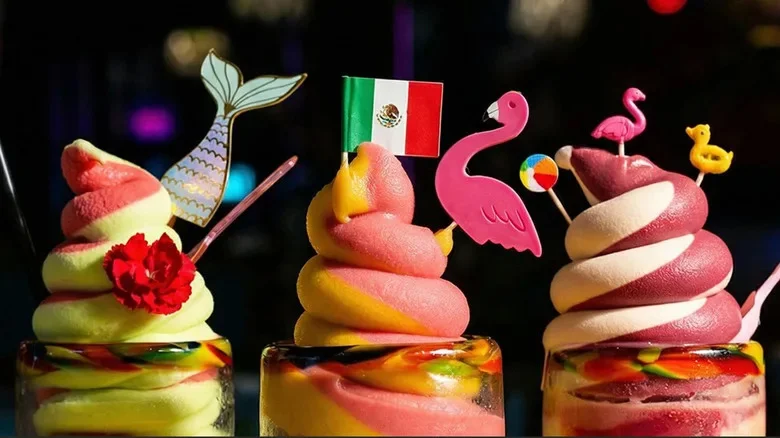
Soft Serve Margaritas Are The Latest Viral Boozy Trend — And Cleveland is Leading the Way
The internet is buzzing over pastel-colored soft serve margaritas. This unique alcoholic treat is currently only available at one restaurant in Cleveland, Ohio, sparking intense FOMO and a potential new culinary trend.