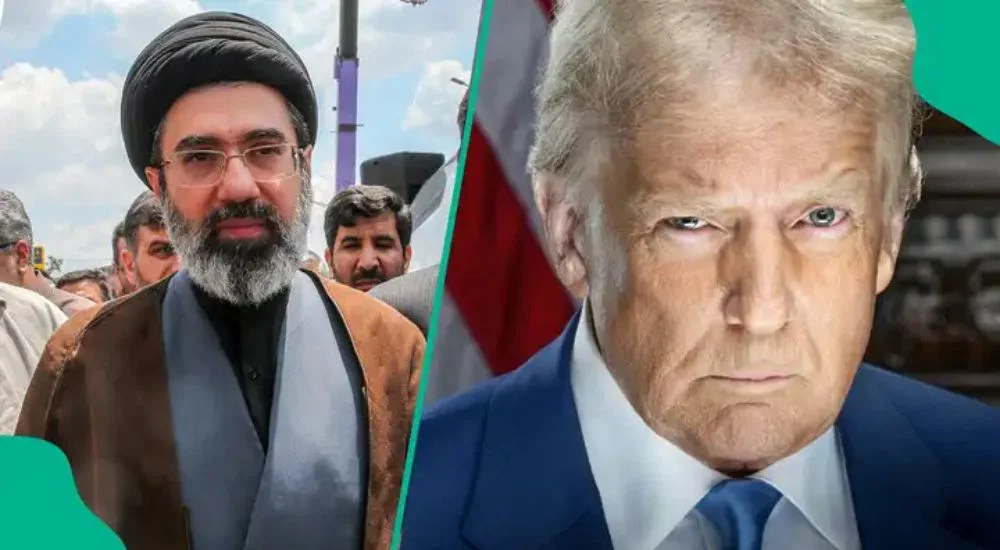
Iran has rejected a 45-day ceasefire, demanding a permanent end to the conflict as US President Trump threatens to destroy Iranian infrastructure by Tuesday, raising war crime concerns.
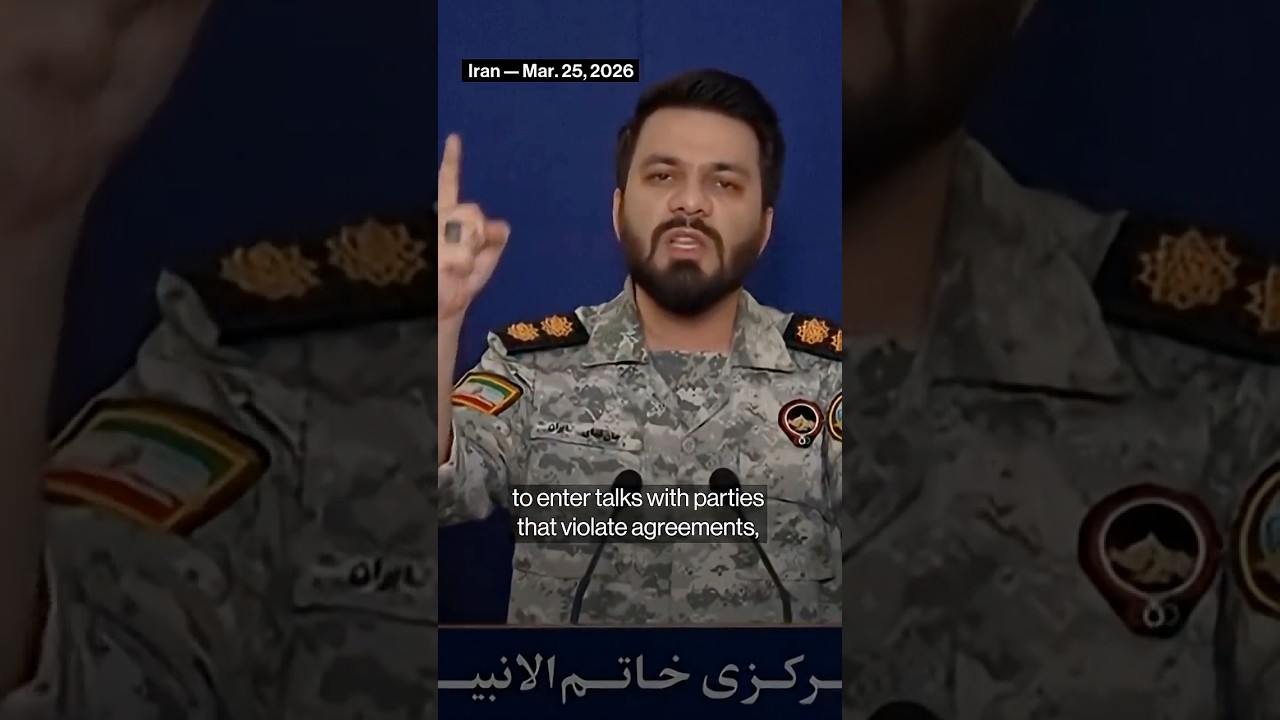
Iran Rejects Ceasefire Proposal, Calls US Talks ‘Illogical’
Amidst escalating tensions in the Middle East, Iran has formally rejected a proposed 45-day ceasefire, asserting its demand for a permanent cessation of hostilities with guarantees against future attacks. This unwavering stance comes as U.S. President Donald Trump issued a stern ultimatum to Tehran, threatening the annihilation of Iran's bridges and power plants if the Strait of Hormuz is not reopened by Tuesday evening. The White House's aggressive posture and the President's dismissal of potential war crime implications have sent shockwaves across the globe, deepening concerns about the trajectory of the conflict following a day of intense U.S. and Israeli strikes on Iran and retaliatory missile fire from Tehran.
The current crisis has roots in long-standing geopolitical friction, with the Strait of Hormuz serving as a critical flashpoint. This vital waterway, through which a significant portion of the world's oil supply passes, has been central to past maritime disputes and economic pressures. President Trump’s insistence on its immediate reopening underscores the strategic importance of the strait to global trade and energy markets. His threats to target civilian infrastructure, such as bridges and power plants, echo a confrontational foreign policy approach that has often characterized his administration. This aggressive stance, however, immediately drew international condemnation, with U.N. Secretary-General Antonio Guterres warning the U.S. against attacking civilian infrastructure, a practice explicitly banned under international law. Guterres’s spokesman, Stephane Dujarric, highlighted that even if certain civilian infrastructure could be considered military objectives, an attack would still be prohibited if it risked “excessive incidental civilian harm,” suggesting such actions could indeed constitute war crimes. The historical backdrop of U.S.-Iran relations, marked by periods of animosity and failed diplomatic efforts, provides crucial context for understanding the current high-stakes confrontation, as detailed by reports including those from NBC 6 South Florida.
The situation in the Middle East dramatically intensified on Monday, with a series of significant developments. Iran unequivocally rejected a 45-day ceasefire proposal, stating its demand for a "permanent end to the conflict" accompanied by "guarantees that we won’t be attacked again," as conveyed by Mojtaba Ferdousi Pour, head of the Iranian diplomatic mission in Cairo, to The Associated Press, according to NBC 6 South Florida. This rejection came on the heels of a day of intense hostilities, where Israel and the United States carried out a wave of attacks on Iran, resulting in over 25 fatalities. Iran retaliated swiftly with missile fire directed at Israel and its Gulf Arab neighbors, further escalating the cycle of violence. Concurrently, U.S. President Donald Trump issued a stark ultimatum, threatening to "decimate" every bridge in Iran and reduce its power plants to "burning, exploding and never to be used again" if the Strait of Hormuz is not reopened by Tuesday 8 p.m. ET. Trump, speaking at the White House, dismissed concerns about committing potential war crimes, asserting he was "not at all" worried, a stance that drew immediate rebuke from U.N. Secretary-General Guterres, who reminded the U.S. that attacking civilian infrastructure is explicitly banned under international law. Adding to the gravity of the situation, an Israeli TV station, Channel 13, began broadcasting a digital countdown to Trump's Tuesday deadline, underscoring the perceived immediacy of the threat. Furthermore, the Joint Chiefs of Staff Chairman, Gen. Dan Caine, confirmed that a U.S. aircraft that crashed during the search for downed airmen was indeed hit by enemy fire while engaging Iranian forces, an incident Trump later attributed to a "hand-held shoulder missile— heat-seeking missile" that targeted the F-15E fighter jet, suggesting the explosion and subsequent damage to the engines were responsible for its downing. These rapid-fire developments paint a picture of a region on the brink, with diplomatic avenues seemingly narrowing and military actions intensifying.
The current confrontation between the U.S. and Iran, characterized by President Trump's explicit threats against civilian infrastructure and Iran's rejection of a temporary ceasefire, signals a dangerous escalation with profound implications for regional stability and international law. Trump's casual dismissal of potential war crime accusations, despite explicit warnings from the UN Secretary-General, sets a concerning precedent. This rhetoric not only undermines international legal frameworks designed to protect civilians in armed conflict but also risks normalizing the targeting of non-military assets. Such actions, if carried out, would not only lead to immense human suffering and widespread destruction but could also invite further international condemnation and complicate future diplomatic resolutions. Moreover, Trump's assertion that Iranian civilians desire continued bombing, claiming to have heard this through "intercepts," represents a highly contentious and ethically dubious justification for military action, potentially fueling anti-American sentiment and further destabilizing any prospects for a peaceful resolution. This situation mirrors, in some ways, themes seen in domestic policy where the administration has leveraged aggressive tactics to achieve its aims. For instance, in higher education, Trump has used funding threats and strict policy enforcement to push his agenda on campus, as detailed by U.S. News & World Report. This parallels the current international crisis, where the U.S. is employing significant leverage and coercion to achieve its objectives, albeit with far graver potential consequences in a military context. The refusal of Pacific and NATO allies to assist in offensive operations against Iran, as publicly lamented by Trump, also highlights a growing fracture in international alliances and a potential weakening of global consensus around U.S. foreign policy objectives.
Adding to the complex web of international relations and military posturing, President Trump also expressed considerable frustration with international allies, both NATO and Pacific nations, for their perceived lack of support in the ongoing conflict with Iran. He particularly singled out South Korea, Australia, and Japan, noting the presence of substantial U.S. military personnel in these countries to "protect them" and questioning their reciprocity in the current crisis, as reported by NBC 6 South Florida. This public admonishment suggests a potential strain on alliances that have been cornerstones of U.S. foreign policy for decades. Meanwhile, Israel is also actively preparing for a prolonged engagement, with the military's chief spokesman, Brig. Gen. Effie Defrin, confirming that battle plans for the next three weeks have been approved in anticipation of continued hostilities in the absence of a ceasefire. Defrin conveyed a sentiment of achieving significant objectives, stating, "Every day that passes, we hit them more and more." In a related development, Israel’s defense industry secured a substantial export agreement, signing a $750 million deal with Greece for the PULS (Precise & Universal Launching System) rocket system, an indication of ongoing military preparations and strengthening of defense ties even amidst the escalating regional conflict. Furthermore, the President made a notable disclosure regarding the rescue operation for downed aviators, revealing that "not everybody was on board" with the mission, implying internal disagreement within military ranks about its execution or necessity. These details collectively paint a picture of a deeply fractured international landscape, both in terms of military cooperation and diplomatic consensus, as the crisis with Iran continues to unfold.
The immediate future of the U.S.-Iran conflict hinges critically on the expiration of President Trump's Tuesday 8 p.m. ET deadline. Should Iran fail to reopen the Strait of Hormuz per the U.S. demand, the international community braces for potential military action on an unprecedented scale, with Trump having explicitly threatened the destruction of Iranian bridges and power plants. This would mark a significant escalation, potentially pushing the region closer to a full-blown war, with unpredictable consequences for global oil markets and international security. The UN's clear warning against targeting civilian infrastructure suggests that any such actions would not only face immense international backlash but could also lead to accusations of war crimes. Iran's steadfast refusal of a ceasefire and insistence on a permanent end to the conflict with guarantees points to a hardened negotiating position, making a temporary de-escalation unlikely without significant concessions. The fragmented support from U.S. allies, highlighted by Trump's public complaints, further complicates the strategic landscape, potentially isolating the U.S. on the global stage. What happens in the next 24-48 hours will be crucial in determining whether diplomacy can still prevail, or if the conflict will spiral into a devastating military confrontation, forever altering the geopolitical map of the Middle East.
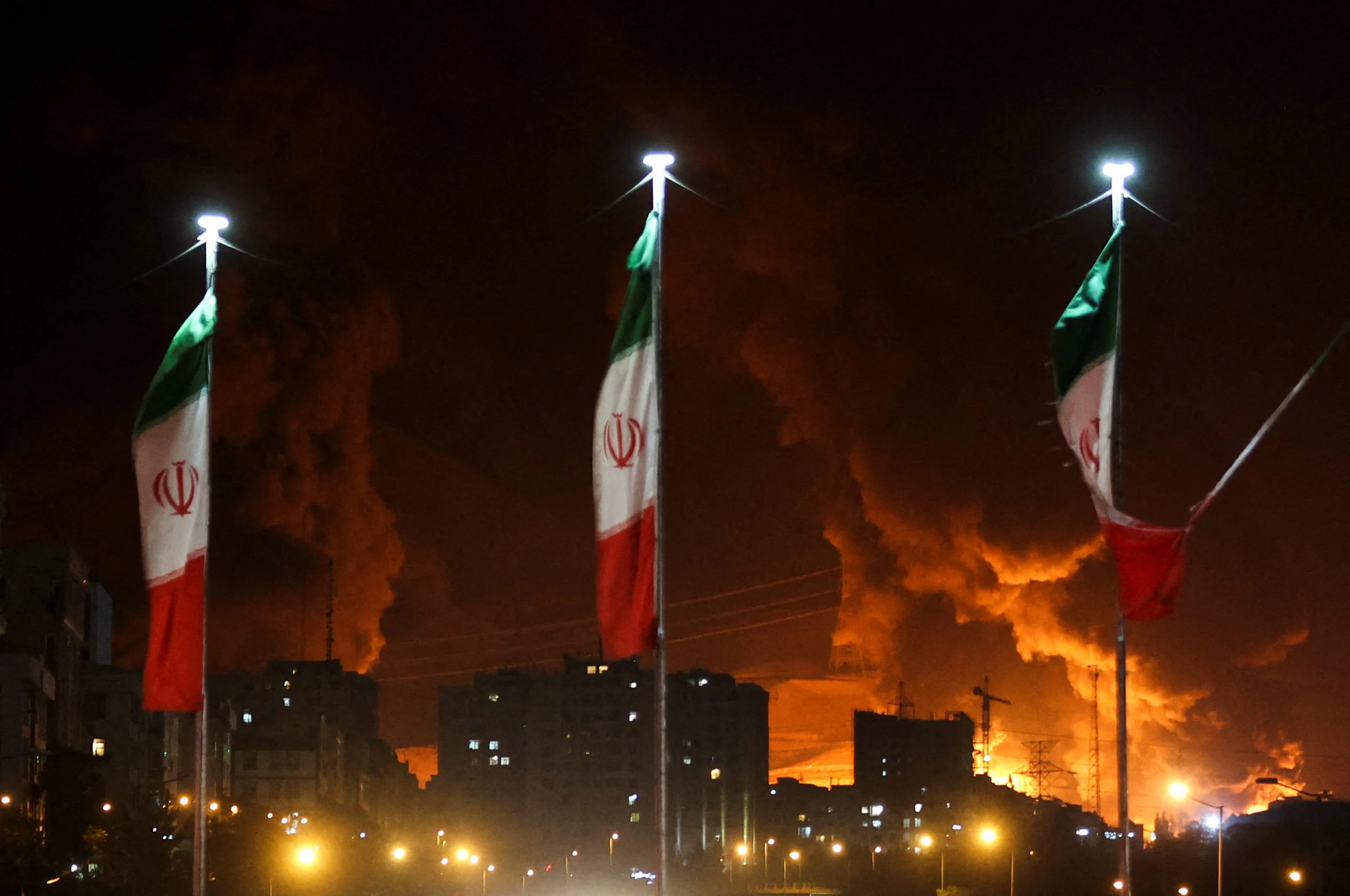
US and Israel launched significant attacks on Iran, prompting Iranian retaliation and causing "World War 3" to trend on X amid escalating regional tensions.
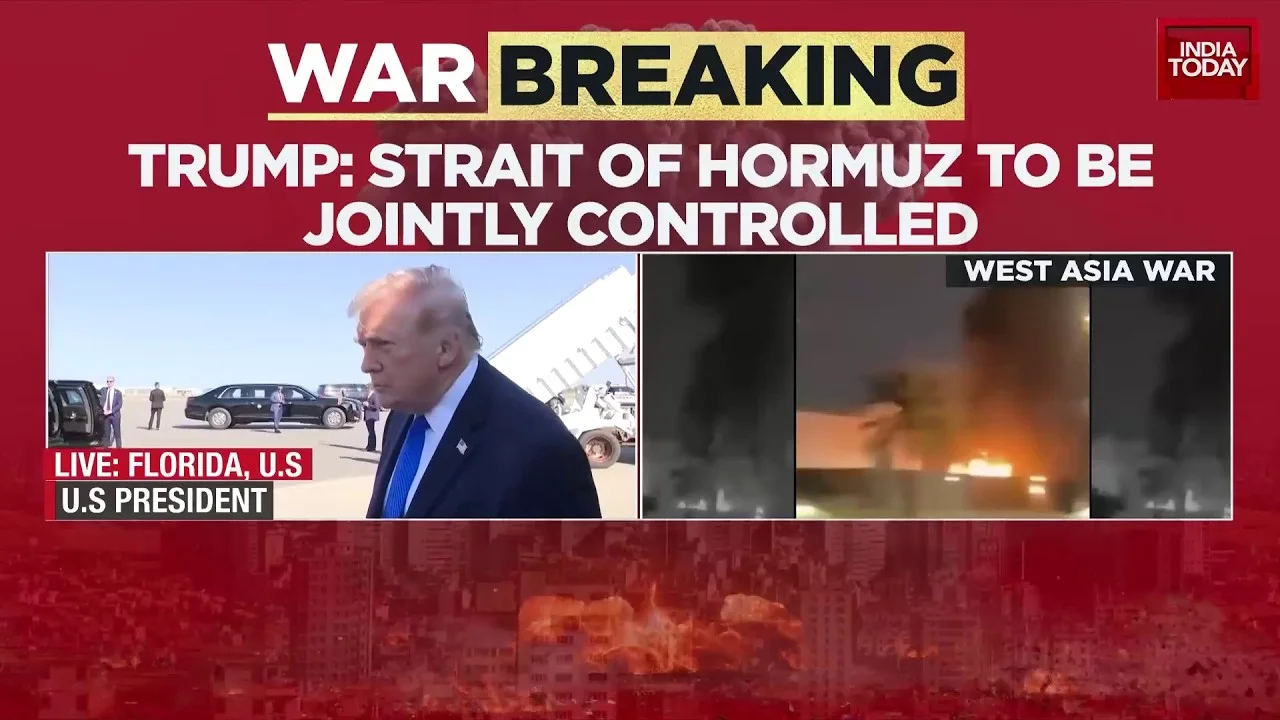
Former US President Donald Trump voices optimism for a new Iran deal, citing "very good negotiations" and Iran's unprecedented allowance of 20 oil tankers through the Strait of Hormuz.
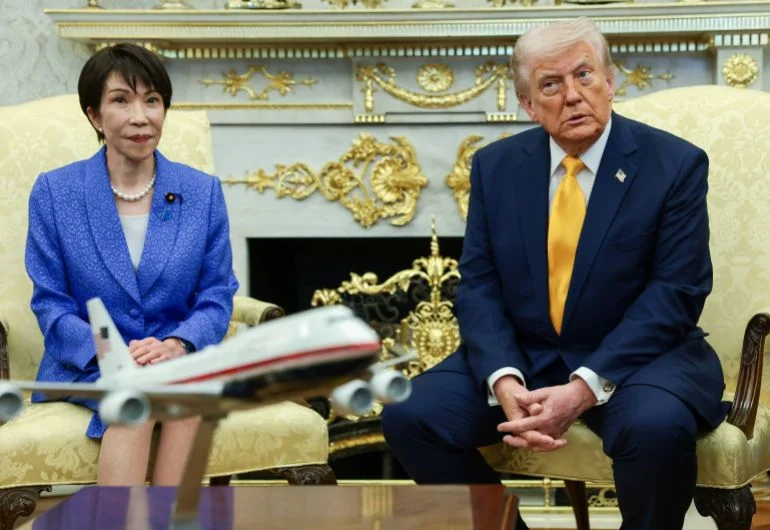
President Trump's controversial Pearl Harbor reference to defend the Iran war leaves Japan uneasy, prompting mixed reactions to PM Takaichi's silence.