Trump Expresses Optimism for Iran Deal Amidst Strait of Hormuz Developments
Former US President Donald Trump voices optimism for a new Iran deal, citing "very good negotiations" and Iran's unprecedented allowance of 20 oil tankers through the Strait of Hormuz.

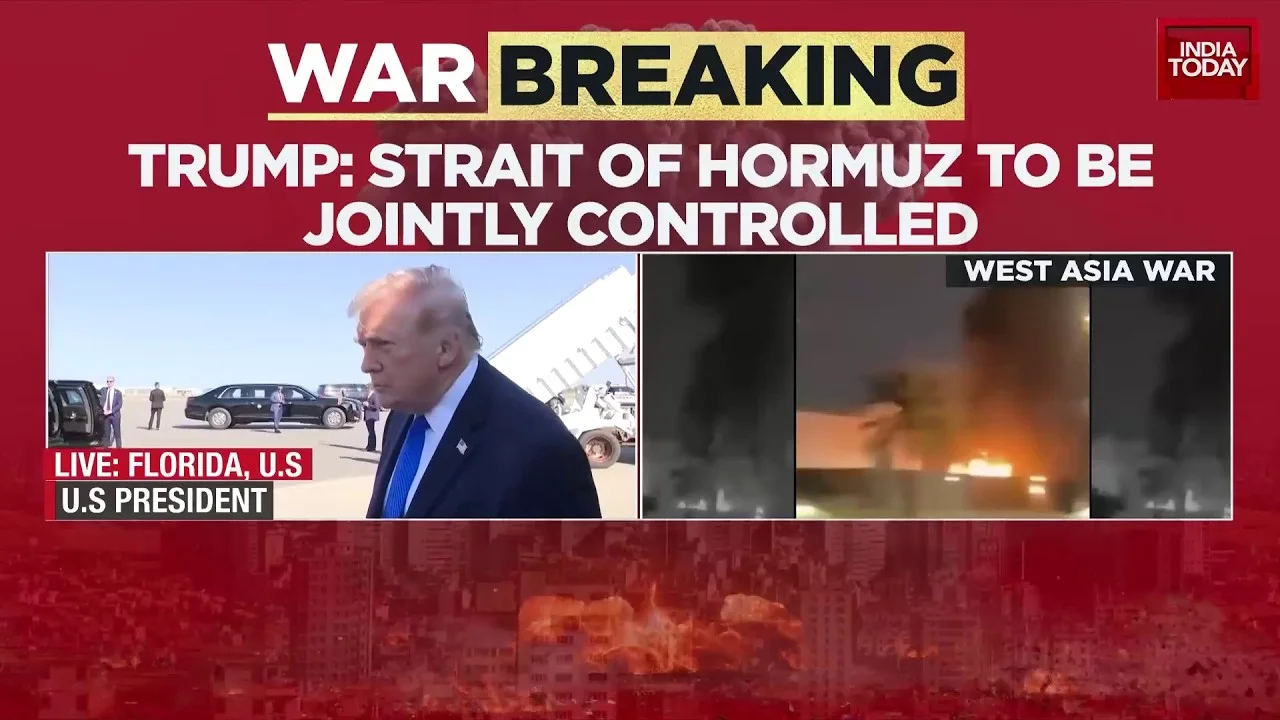
In a significant and somewhat surprising diplomatic revelation, former US President Donald Trump has expressed considerable optimism regarding the prospect of a new agreement with Iran. Speaking to reporters aboard Air Force One, Trump, whose previous administration famously withdrew from the Joint Comprehensive Plan of Action (JCPOA), indicated that "very good negotiations" were underway and that he saw a deal on the horizon, potentially "soon." This pronouncement comes amidst assertions from Trump that Iran permitted a staggering 20 oil tankers to traverse the strategically vital Strait of Hormuz, an act he interpreted as a "sign of respect" and a positive indicator of progress in ongoing discussions. The statement has injected a fresh layer of complexity into the always-fraught landscape of US-Iran relations, suggesting a potential shift in the long-standing stalemate that gripped the nations following the US withdrawal from the original nuclear accord.
Background and Context of US-Iran Relations
The relationship between the United States and Iran has been fraught with tension and mistrust for decades, notably since the 1979 Iranian Revolution. A significant turning point in recent history was the 2015 Joint Comprehensive Plan of Action (JCPOA), an agreement signed by Iran, the P5+1 group (China, France, Germany, Russia, the United Kingdom, and the United States), and the European Union. This accord aimed to restrict Iran's nuclear program in exchange for much-needed sanctions relief. However, in 2018, then-President Donald Trump unilaterally withdrew the US from the JCPOA, arguing that it was a flawed deal that did not adequately prevent Iran from developing nuclear weapons and failed to address its ballistic missile program or support for regional proxies. As highlighted by Mid-day, Trump believed his reversal of the Obama-era agreement was crucial in preventing Iran from acquiring a nuclear weapon. His administration then reimposed and escalated sanctions, leading to a period of heightened tensions, including military confrontations and attacks on shipping in the Persian Gulf. The current stated optimism for a new deal, therefore, represents a dramatic pivot from the hardline stance that characterized much of his initial presidency, suggesting either a significant shift in diplomatic strategy or a re-evaluation of the efficacy of sustained pressure.
Key Developments and Trump's Assertions
The core of this developing story revolves around former President Donald Trump's unexpected declaration of progress in negotiations with Iran. As reported by Mid-day, Trump stated definitively aboard Air Force One, "I do see a deal in Iran, yeah. Could be soon." He elaborated, noting, "So we've had very good negotiations today with Iran, getting a lot of the things that they should have given us a long time ago." A key piece of evidence cited by Trump for this optimism is Iran's alleged decision to allow 20 oil tankers to pass through the Strait of Hormuz. He initially mentioned Iran agreeing to 10 boats, which was then reportedly increased by another 10, totaling 20. Trump framed this as a "sign of respect" and a significant positive development. While the Strait of Hormuz is an international waterway crucial for global oil shipments, increased Iranian facilitation of traffic, particularly during times of heightened tensions, could indeed signal a thaw in relations. Trump further alluded to direct and indirect negotiations, and, cryptically, to the destruction of "many, many targets today" by the Navy and Air Force, without providing further specifics or clarification on the nature of these targets or their connection to the negotiations. This multi-faceted narrative from Trump paints a picture of intense, possibly covert, diplomatic efforts coupled with significant, yet unexplained, military actions, all contributing to a perceived breakthrough.
Analysis: What This Means for Global Stability
Donald Trump's recent pronouncements regarding a potential Iranian deal carry significant implications for global stability, even in the absence of explicit details. Firstly, the mere mention of a "deal" and "very good negotiations" from an administration that championed a "maximum pressure" campaign against Iran could signal a dramatic shift in strategic thinking. If an agreement were to materialize, it would likely be a significant departure from the JCPOA, potentially incorporating elements that address Trump's previous criticisms regarding ballistic missiles and regional destabilization, or it could simply be a re-engagement under new terms aimed at de-escalation. The assertion about 20 oil tankers passing through the Strait of Hormuz, interpreted as a "sign of respect," represents a crucial, albeit unverified, indicator of Iranian willingness to engage. The Strait of Hormuz is a choke point through which a substantial portion of the world's seaborne oil passes. Any perceived increase in its safe and unhindered passage is positive for global energy markets and maritime security. Conversely, the ambiguity surrounding Trump's mention of "destroyed targets" raises concerns. Without context, these remarks could be interpreted in multiple ways, from a show of force complementing diplomatic efforts to a potential escalation that complicates goodwill. The coming days will be critical in discerning whether this rhetoric translates into concrete diplomatic advancements or if it remains largely a political statement.
Additional Details and Unanswered Questions
Beyond the headline-grabbing optimism, several aspects of Trump's statements warrant closer examination, though definitive answers remain elusive. The "very good negotiations" he references are not further detailed, leaving open the question of who is involved on both sides, the forum for these discussions (whether direct, indirect, or through intermediaries), and critically, the substantive points being negotiated. The initial JCPOA focused almost exclusively on nuclear limitations, but Trump's previous objections extended to Iran's ballistic missile program and its regional activities. It is unclear if any new potential deal would broaden its scope to include these elements, which Iran has historically resisted discussing. Furthermore, the claim of Iran allowing 20 oil tankers through the Strait of Hormuz needs independent verification. While the Strait is a crucial international shipping lane, Iran has previously engaged in harassment and seizures of tankers, making smooth passage a barometer of tensions. The specific number of tankers and the implications of their passage being a "sign of respect" are open to interpretation. Finally, Trump's oblique reference to the Navy and Air Force destroying "many, many targets today" is perhaps the most enigmatic detail. Without clarification, it is impossible to ascertain if these actions are related to preventing Iranian nuclear proliferation, retaliating for past aggressions, or are entirely unrelated military operations. The lack of granular detail in these areas leaves a significant gap in understanding the true nature and potential impact of these unfolding developments.
Looking Ahead: What to Watch For
The coming days and weeks will be crucial in determining the veracity and implications of former President Trump's optimistic outlook on an Iranian deal. The international community will be closely watching for any official statements from Iran or other P5+1 nations that corroborate the claims of "very good negotiations." Concrete steps, such as diplomatic meetings, public acknowledgments of discussions, or verifiable changes in Iranian nuclear activities, would lend significant credence to Trump's assertions. Critical indicators will include any sustained, observable changes in shipping patterns and security in the Strait of Hormuz and the wider Persian Gulf region. Furthermore, details regarding the "destroyed targets" need clarification; any military action of that scale would typically be public news, and its connection to diplomatic efforts remains entirely speculative. Market reactions, particularly in the global oil sector, will also reflect the perceived stability or instability stemming from these reports. Ultimately, the future hinges on whether these statements are merely political rhetoric or precursors to genuinely transformative diplomatic breakthroughs that could reshape the geopolitical landscape of the Middle East and global energy security.
Related Articles
Trump Labels NATO "Cowards" Amid Iran Escalation as UK Permits US Air Base Use
As tensions with Iran soar, Donald Trump chastises NATO allies for inaction in the Strait of Hormuz, while the UK greenlights US use of its air bases. The conflict risks historical global energy security threats.