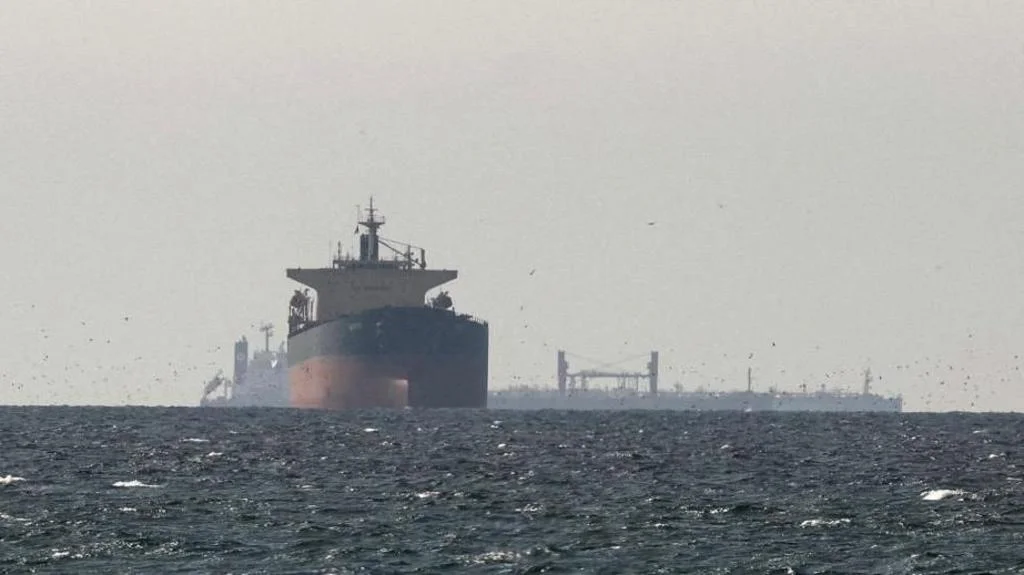
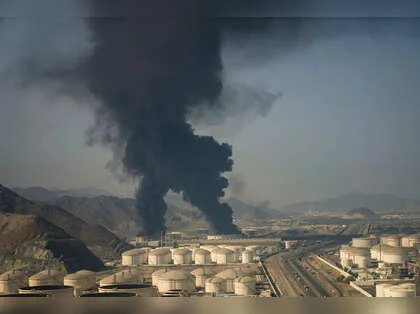
In a dramatic escalation of the ongoing conflict with Iran, former US President Donald Trump has overtly criticized NATO members, branding them "cowards" for their perceived reluctance to commit naval assets to secure the volatile Strait of Hormuz. This denunciation comes as the United Kingdom has taken the significant step of granting the United States approval to utilize key British air bases, specifically RAF Fairford and Diego Garcia, for military operations aimed at targeting Iranian missile sites. These sites are reportedly engaged in attacks on commercial shipping traversing the crucial Strait of Hormuz, a conduit vital for global energy supplies. The decision by the UK government, supported by Labour leader Sir Keir Starmer, frames these US operations as acts of "collective self-defence," a stance vehemently opposed by Iran’s Foreign Minister, Abbas Araghchi, who warns that such permission "puts British lives in danger." The multifaceted crisis, characterized by intensified Iranian attacks on Gulf energy infrastructure and looming oil shortages, has prompted stark warnings from the International Energy Agency, signaling an unprecedented threat to global energy security.
Background and Context
The current flashpoint in the Strait of Hormuz is the culmination of decades of strained relations between Iran and Western powers, particularly the United States. The Strait, a narrow maritime choke point between the Persian Gulf and the open sea, has long been a strategic flashpoint, through which roughly one-fifth of the world's total oil consumption transits daily. Iran has historically leveraged its geographical control over this waterway as a potential tool for deterrence and a bargaining chip in international disputes. Recent months have seen a dramatic intensification of this strategy, with Iran reportedly increasing its attacks on energy infrastructure and shipping, as highlighted by The Times. This move is largely seen as a response to perceived aggression from the US and its allies, against the backdrop of an ongoing "Israel-US war of choice on Iran," as described by Iran's Foreign Minister. The historical precedent of energy crises, such as those in the 1970s, underscores the potential for global economic disruption when critical oil transit routes are threatened. The current situation, however, is being described as significantly more severe, necessitating immediate and coordinated international responses to prevent catastrophic consequences for the global economy and everyday consumers.
Key Developments
The latest developments paint a picture of rapidly escalating tensions and a fracturing international consensus on how to manage the crisis. Former President Donald Trump, known for his direct and often confrontational rhetoric, has openly lambasted NATO allies, declaring them "cowards" for their failure to deploy warships to the Strait of Hormuz in support of US efforts. This criticism, reported by The Times, highlights deep divisions within the alliance regarding the appropriate level of intervention in the Middle East. Meanwhile, the United Kingdom has become a central player in the unfolding drama, giving the US permission to use RAF Fairford and Diego Garcia for military actions against Iranian missile sites. This decision, aimed at protecting shipping in the Strait of Hormuz, has been met with fierce condemnation from Iran's Foreign Minister Abbas Araghchi, who stated in a post on X that Sir Keir Starmer is "putting British lives in danger" by allowing UK bases to be used for "aggression" against Iran. Araghchi asserted that the "vast majority of the British people do not want any part" in this conflict.
Domestically in the UK, the move has ignited political debate. While the government and Sir Keir Starmer frame the US operations as acts of "collective self-defence," the Liberal Democrats are demanding a parliamentary vote on the matter. Calum Miller, the party's foreign affairs spokesman, voiced concerns about the UK being "dragged into another war in the Middle East," drawing parallels to the "disaster of Iraq." Conservative shadow defence secretary James Cartlidge, however, criticized Starmer's perceived indecisiveness, claiming that the prime minister had performed a "screeching U-turn." On the US front, despite President Trump's public statements on not deploying ground troops, CBS News reports that Pentagon officials have made detailed preparations for such a contingency, including logistics for handling detained Iranian soldiers. White House Press Secretary Karoline Leavitt clarified that this signifies "maximum optionality" for the commander-in-chief, not a definitive decision. The broader ramifications of the conflict are vividly illustrated by the International Energy Agency's executive director, Fatih Birol, who told Le Monde that Iran’s blockage of the Strait of Hormuz represents "history’s greatest global energy security threat," surpassing the combined impact of the 1970s petrol crises, as reported by The Times. He noted a staggering 11 million barrels per day drop in global oil supplies since the war began, alongside significant disruptions to natural gas, fertilizers, and other critical products.
Further insights into the political machinations surrounding the conflict come from NBC News, which highlights ongoing congressional debates and differing perspectives within the US government. While some top intelligence officials have testified privately before Congress about the US-Israeli war against Iran, Republican leaders have rejected demands for public hearings, citing operational security concerns. This lack of transparency, coupled with the highly charged rhetoric from figures like former President Trump and the Iranian Foreign Minister, underscores the profound challenges in building a unified front, either domestically or internationally, to address the escalating crisis.
Analysis: What This Means
The confluence of these events — Trump's inflammatory rhetoric, the UK's strategic decision, and dire warnings about global energy security — signals a perilous shift in international relations, with profound implications that extend far beyond the immediate conflict zone. Trump's "cowards" remark directed at NATO is not merely a verbal jab; it exposes deep fissures and a potential weakening of transatlantic solidarity at a time when a unified front against geopolitical threats is arguably most crucial. This perceived lack of cohesion could embolden adversaries and complicate future collective defense initiatives. For the UK, permitting US use of its bases, while framed as an act of self-defense for international shipping, irrevocably draws Britain deeper into a conflict it has largely sought to distance itself from. This decision carries significant political and security risks, opening the UK to potential retaliation from Iran and reigniting domestic debates about the country's role in US-led military operations, echoing the contentious build-up to the Iraq War.
The International Energy Agency's dire warning about the Strait of Hormuz being "history's greatest global energy security threat" is not hyperbole but rather a critical assessment of the conflict's potential collateral damage. Unlike previous oil shocks, the current situation involves a larger global dependency on oil, coupled with significant disruptions to natural gas supplies and other downstream products like fertilizers and polymers. This multi-sectoral impact threatens not just fuel prices but also global food security through fertilizer shortages and manufacturing across numerous industries. The calls for citizens to work from home and drive slower to conserve fuel underscore the immediacy and severity of the economic fallout. Furthermore, the internal debates within the US Congress, as reported by NBC News, regarding the transparency of hearings on the Iran conflict suggest a lack of political consensus and potentially a fragmented strategy, which could further exacerbate the instability. The blend of military escalation, diplomatic breakdown, and severe economic warnings creates a volatile cocktail that demands immediate and comprehensive international attention, lest the crisis spiral into an unpredictable and globally destabilizing event.
Additional Details
The strategic importance of the air bases granted to the US by the UK, specifically RAF Fairford and Diego Garcia, cannot be overstated. RAF Fairford, located in Gloucestershire, England, has long been a key operational hub for US long-range bombers and surveillance aircraft in Europe. Its use would allow for strategic depth and flexibility in any retaliatory or preemptive strikes against Iranian targets. Diego Garcia, a remote island in the Indian Ocean, serves as a crucial staging post for US military operations in the Middle East and Asia, providing an unsinkable aircraft carrier in a critical geopolitical region. Granting access to these facilities signifies a profound commitment from the UK to support US actions, elevating Britain's involvement beyond mere diplomatic rhetoric, as detailed by The Times. The Iranian Foreign Minister's swift condemnation highlights Tehran's recognition of the bases' strategic value and the perceived shift in the UK's posture.
The economic ramifications continue to be a dominant theme in this crisis. The International Energy Agency's call for energy conservation measures, such as working from home and reducing driving speeds, signals an urgent global response to the dwindling oil supplies. The 11 million barrels per day drop in global oil supplies is an astronomical figure, underscoring the severity of the disruption caused by the conflict. Furthermore, the IEA's executive director, Fatih Birol, explicitly warned that the disruption "may have structural implications for the global economy," with particular concern for "developing and emerging countries." This emphasizes that the crisis extends beyond simply oil prices; it threatens broader economic stability and development in vulnerable nations. The mention of losses in gas supplies, products like fertilizers, polymers, methanol, and helium – with Qatar being a major global producer of the latter – demonstrates the pervasive and interconnected nature of the energy and commodity markets affected by this conflict, threatening a cascade of industrial and agricultural disruptions globally. These detailed economic forecasts are crucial for understanding the potential long-term costs of the current escalations and the urgent need for de-escalation.
Looking Ahead
The immediate future hinges on a delicate balance of military posturing, diplomatic maneuvering, and the resilience of global supply chains. The US will likely continue its operations in the Strait of Hormuz, aiming to reopen the vital waterway, potentially escalating tactical engagements with Iranian "fast attack" boats. The crucial question remains: how will Iran react to continued US pressure and the use of UK bases? Any direct retaliation against British assets or interests would significantly broaden the scope of the conflict, potentially drawing more NATO members into direct confrontation. The political landscape in the UK will be closely watched, particularly calls for a parliamentary vote on authorizing the use of British bases, which could strain the existing political consensus. Economically, the world faces a prolonged period of uncertainty. The International Energy Agency’s warnings suggest that citizens and governments alike must brace for sustained energy conservation efforts and potentially higher costs across various sectors. The prospect of military ground forces in Iran, however remote President Trump suggests it is currently, remains a contingency being actively prepared for by the Pentagon, as indicated to The Times. This unsettling reality underscores the potential for rapid and unpredictable escalation in a region already fraught with geopolitical tension, leaving little room for error or miscalculation.