Washington D.C. finds itself in a state of growing anxiety as Congress grapples with a potential shutdown of the Department of Homeland Security (DHS) and the intensely debated confirmation of former President Trump's nominee, Markwayne Mullin, to lead the agency. As bipartisan talks intensify to avert financial paralysis at DHS, the political drama unfolds against a backdrop of escalating geopolitical instability in the Middle East, with Iran launching further missile attacks on Israel and the United States approving significant arms deals in the region. The confluence of these domestic and international pressures has created a volatile environment on Capitol Hill, testing the negotiating prowess of lawmakers and the resilience of U.S. foreign policy.
Background: A Familiar Standoff and Contentious Nominations
The threat of a government shutdown, particularly concerning critical agencies like Homeland Security, has become an unfortunately familiar narrative in Washington. These impasses often stem from deep ideological divisions over spending, border security, or policy riders attached to appropriations bills. The current standoff echoes past legislative battles, with the prospect of disruptions to essential services and potential impacts on national security. Meanwhile, the executive branch's prerogative to appoint cabinet secretaries frequently becomes a flashpoint for partisan contention, especially when nominees bring controversial pasts or face scrutiny over their temperament and qualifications. The nomination of Markwayne Mullin for DHS Secretary, a key position at the nexus of national security, immigration, and disaster relief, has been no exception, drawing significant attention and bipartisan debate ahead of his expected confirmation, as reported by NBC News. Past administrations have also encountered similar difficulties in securing swift and uncontroversial confirmations for such high-profile roles, particularly those involved in sensitive national security matters.
Key Developments: Talks Intensify, Mullin Advances, and Global Conflict Looms
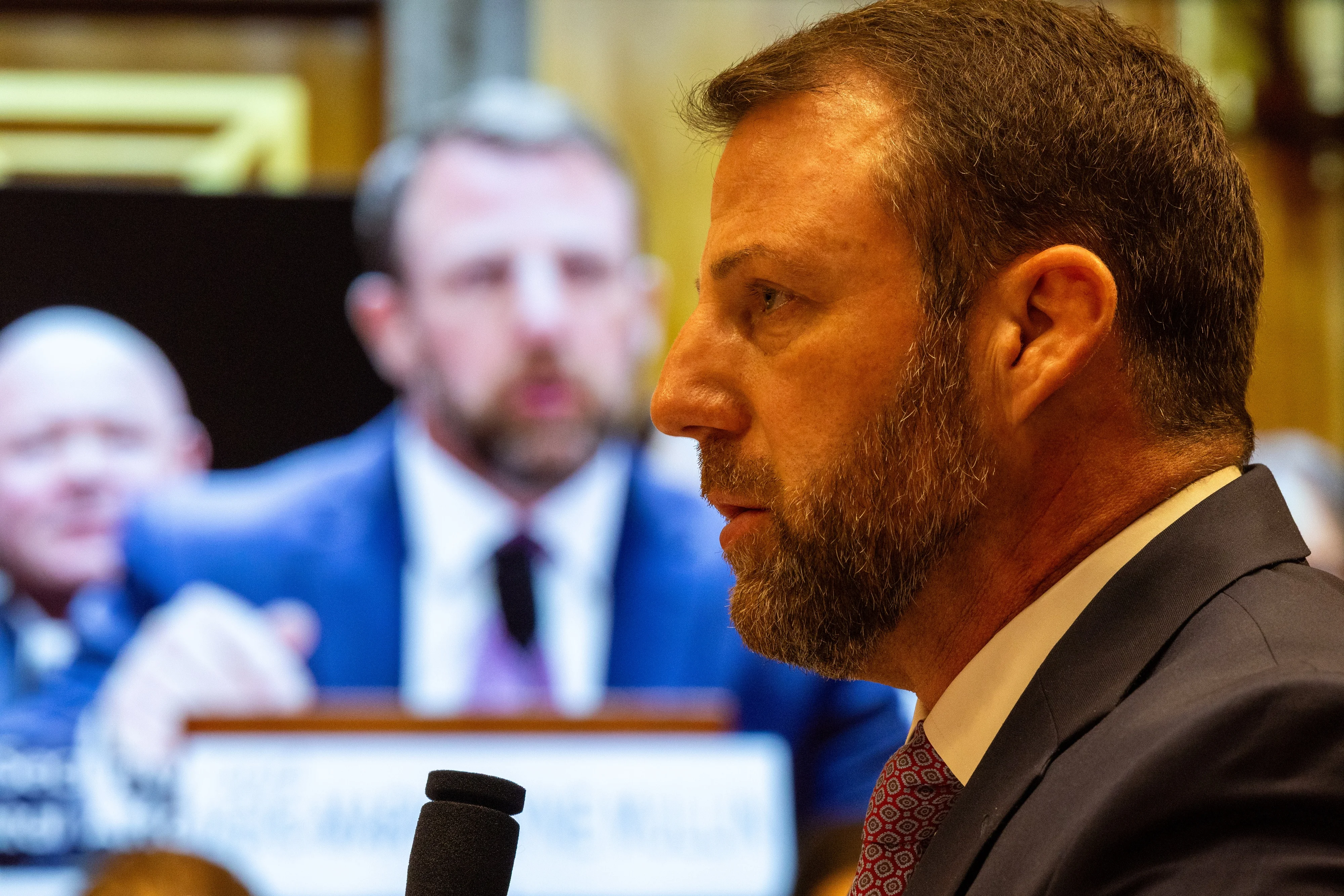
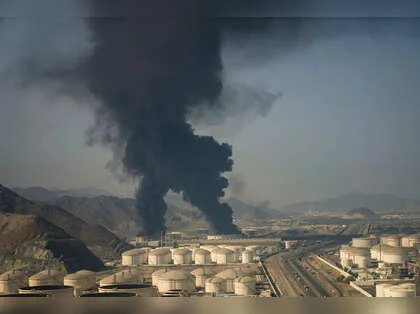
The immediate focus on Capitol Hill is the burgeoning crisis surrounding the Department of Homeland Security. Bipartisan talks are underway, described as "serious," aimed at resolving the standoff that threatens to lead to a shutdown of the critical agency. Senate Majority Leader John Thune has underscored the urgency, reportedly threatening to cancel the upcoming two-week Easter recess if negotiators fail to reach a deal. This tactic highlights the gravity with which congressional leadership views the potential consequences of a DHS shutdown, which could impact border security, cybersecurity, and disaster response. Crucially, the fate of Trump's DHS nominee, Markwayne Mullin, remains a central point of contention. Despite significant grilling over what some senators termed his "anger issues" and foreign travel, Mullin advanced by a narrow one-vote margin in the Senate Homeland Security Committee. This was made possible by Senator John Fetterman, a Democrat who crossed the aisle to vote yes, demonstrating a rare instance of bipartisan support for a controversial nominee. However, Mullin lost the support of Republican Senator Rand Paul, the committee's chairman, who engaged in a heated exchange with Mullin over past comments. Mullin is still expected to be confirmed, but his path has been anything but smooth. Meanwhile, amidst these domestic battles, international tensions continue to escalate. Iran has launched further missile attacks at Israel, according to Iranian state media, with reports of a fire in Haifa and shrapnel falling in two northern locations. This follows an earlier retaliatory attack on the Ras Laffan energy hub in Qatar, prompting UN Secretary-General Antonio Guterres to state there are "reasonable grounds" to believe both sides may have committed war crimes in striking energy sites, as detailed by The Times. Israeli Prime Minister Binyamin Netanyahu has indicated "many possibilities" for ground operations in Iran, while President Trump has criticized the UK's offer of aircraft carriers as "too late" and described Europe as "ungrateful." Simultaneously, the U.S. White House pushed forward with a $23 billion weapons deal to the UAE, Kuwait, and Jordan, enhancing their defensive capabilities in a volatile region.
Analysis: The Intertwined Nature of Domestic Policy and Global Affairs
The current legislative battles in Washington are not occurring in a vacuum; they are intrinsically linked to, and in some cases overshadowed by, geopolitical realities. The fierce debate over the DHS budget and leadership takes on heightened significance when viewed through the lens of a rapidly deteriorating security situation in the Middle East. A fully functional and capably led Department of Homeland Security is crucial for national security, including intelligence gathering, cybersecurity, and protecting critical infrastructure – all areas that become more precarious during periods of global instability. The struggle to confirm Markwayne Mullin reflects not only partisan divides but also a broader concern about the caliber of leadership in critical government roles during complex times. A leader with perceived "anger issues" or a contentious past could undermine the agency's effectiveness and public trust. Furthermore, the congressional push for public hearings on Trump's (hypothetical) war with Iran, despite leadership opting for closed-door briefings, underscores a fundamental tension between transparency and perceived operational security, a tension that becomes more acute as the prospect of direct U.S. involvement in regional conflicts grows. This period highlights how domestic political maneuvering has direct implications for foreign policy effectiveness and global standing.
Additional Details: Iran's Resolve, US Arms Deals, and Domestic Primaries
Further reports from The Times paint a vivid picture of the ongoing crisis in the Middle East. Despite the potential for Western observers to dismiss large public gatherings in Tehran as state-orchestrated propaganda, the funeral procession for assassinated security chief Ali Larijani on Wednesday demonstrated a genuine, albeit diminished, vein of loyalty to the Iranian regime among a segment of the populace. The chants of "death to Israel" and "death to America" ringing through Revolution Square are a sobering reminder of the deep-seated anti-Western sentiment that persists. One person was critically injured in Israel in an attack in the Kiryat Shmona area, though there were no immediate reports of casualties from the latest missile strikes. In a move to bolster regional allies, the White House confirmed a substantial $23 billion weapons deal with the United Arab Emirates, Kuwait, and Jordan. This includes over $16 billion in air-defense systems, bombs, and radar for the UAE, and $8 billion in air-defense equipment for Kuwait, signaling a commitment to enhancing the defensive capabilities of key partners in a volatile geopolitical landscape. Domestically, the political calendar continues to churn, with various primary elections setting the stage for future congressional battles. In Illinois, Lt. Governor Juliana Stratton secured the Democratic Senate primary for Senator Dick Durbin's retiring seat, backed by Governor JB Pritzker, defeating two sitting members of Congress in an expensive race, as projected by NBC News. House primaries in the Chicago area, partly defined by disagreements over Israel, also saw Daniel Biss, Donna Miller, Melissa Bean, and La Shawn Ford clinch Democratic victories. In Texas, the Republican Senate runoff proceeds, despite President Trump's call for one candidate to withdraw, indicating the competitive nature of primaries even with a former president's influence.
Looking Ahead: Navigating a Complex Political and Geopolitical Landscape
The coming weeks will be critical for both domestic policy and international security. Congress faces an immediate deadline to avert the DHS shutdown, and the outcome will test the ability of lawmakers to find common ground amid deep partisan divisions. The confirmation vote for Markwayne Mullin will also be watched closely, as it will determine the leadership of a vital agency during a period of heightened domestic and international threats. The trajectory of the conflict in the Middle East, particularly Iran's ongoing actions and Israel's potential responses, will undoubtedly command significant attention from Washington. The U.S. administration will need to carefully balance its support for allies, its strategic interests, and its efforts to de-escalate regional tensions. The long-term implications of these events will resonate through future elections, potentially influencing voter sentiment and shaping the political landscape for years to come. The interwoven challenges underscore the delicate balancing act required of policymakers as they confront both internal political pressures and external global crises.