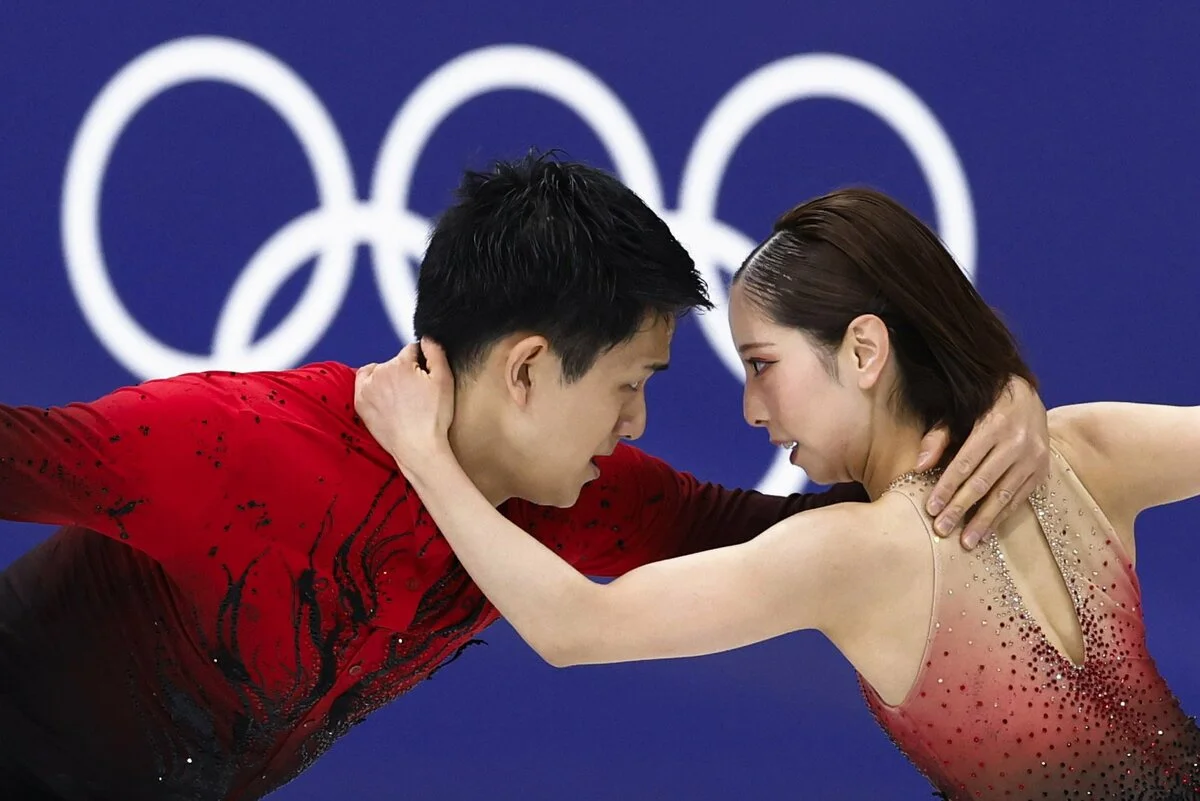
Japan's Miura and Kihara Clinch Historic Olympic Pairs Figure Skating Gold, Set World Record
Riku Miura and Ryuichi Kihara of Japan have won their nation's first-ever Olympic gold in pairs figure skating, breaking a world record in a stunning comeback at the winter games.

In a dramatic turn of events at the Olympic Games, Japanese figure skating duo Riku Miura and Ryuichi Kihara have soared to an historic gold medal in the pairs competition, marking a significant milestone for their nation. Overcoming an initial fifth-place standing after the short program, the pair delivered a breathtaking free skate performance that not only secured them the top spot but also shattered a world record under the new scoring system. Their victory represents Japan's inaugural medal in Olympic pairs figure skating, a moment widely celebrated across the sporting world. The competition also saw Georgia claim its first-ever Winter Olympic medal, while the German pair, Minerva Hase and Nikita Volodin, who initially led, settled for bronze. This thrilling event unfolded on the second and final day of the pairs competition, captivating audiences with its blend of precision, artistry, and unexpected outcomes, as reported by Forbes.
Background and Context of Olympic Pairs Figure Skating
Figure skating has long been a centerpiece of the Winter Olympics, captivating audiences with its blend of athleticism, artistry, and grace. The pairs discipline, in particular, demands an extraordinary level of synchronization, trust, and daring, as two athletes execute intricate lifts, throws, and side-by-side jumps. Historically, nations like Russia (and the former Soviet Union), Canada, and China have dominated this event, setting a high bar for technical prowess and artistic expression. Japan, while a formidable force in men's and women's singles figure skating, had yet to reach the pinnacle in the pairs category, despite producing numerous world-class talents. The anticipation for the 2026 Winter Olympics was palpable, with a new generation of skaters pushing the boundaries of the sport. Coming into these Games, defending world champions Miura and Kihara were certainly among the top contenders, but the unpredictable nature of Olympic competition, especially after a disappointing short program, meant their road to gold was far from assured, underscoring the immense pressure and the thrill of the chase that characterizes every Olympic cycle.
Key Developments in the Pairs Free Skate
The pairs free skate program was a spectacle of resilience, precision, and raw emotion. Riku Miura and Ryuichi Kihara, after a challenging short program that left them in fifth, entered the final day with a clear determination to reclaim their standing. Their performance was a masterclass, earning a phenomenal 158.13 points in the free skate, which not only secured their Olympic gold but also established a new world record under the current scoring regulations, as detailed by Forbes. This victory marked Japan's first-ever Olympic medal in pairs figure skating, a truly historic moment. The silver medal went to Georgia's Anastasia Metelkina and Luka Berulava, an equally significant achievement as it was Georgia’s first Winter Olympic medal in any event. The German duo, Minerva Hase and Nikita Volodin, who had dazzled in the short program and held a commanding lead, ultimately took home the bronze. The competition also highlighted the enduring spirit of athletes, with 42-year-old Canadian Deanna Stellato-Dudek becoming the oldest female figure skater to compete at the Olympics in nearly a century, showcasing remarkable longevity and dedication to the sport. Other notable performances included the second German pair, Annika Hocke and Robert Kunkel, who delivered an energetic routine to Meat Loaf, thrilling the crowd and temporarily leading the standings. American pair Emily Chan and Spencer Akira Howe, despite an early fall from Chan on a triple toe, recovered with strength and artistry to finish seventh, securing a top-ten placement in their Olympic debut. Another American pair, Ellie Kam and Danny O’Shea, finished ninth. These performances collectively underscored the high stakes and competitive intensity of Olympic figure skating.
Analysis: What This Means for Figure Skating and National Aspirations
The Olympic pairs figure skating results signify more than just a medal count; they represent a significant shift in the global landscape of the sport and a beacon of national pride for the winning nations. Japan's historic gold, spearheaded by Miura and Kihara, could inspire a new generation of pairs skaters in a country traditionally strong in singles, potentially fostering greater investment and development in the discipline. This accomplishment challenges the long-held dominance of certain nations and opens the door for greater diversity at the top tiers of international competition. For Georgia, securing its first-ever Winter Olympic medal through Metelkina and Berulava is a transformative moment, likely to ignite national interest and support for winter sports, much like the surge of national pride seen when smaller nations achieve Olympic breakthroughs. This type of success often leads to increased funding, better training facilities, and expanded talent identification programs within those countries. The performance of the German teams also highlights their continued strength in pairs, demonstrating consistent high-level competition, while the top-ten finishes for both American pairs signal a positive trajectory for US figure skating. Beyond the medals, the stories of resilience and dedication, such as Stellato-Dudek's remarkable return to the ice at 42, serve to inspire athletes and fans worldwide, emphasizing that age is but a number when passion and commitment drive ambition. These individual and national achievements contribute to the rich tapestry of Olympic history, creating narratives that resonate far beyond the ice rink and encouraging global participation and excellence in figure skating.
Additional Details from Around the Globe
While the focus on the ice captivated sports enthusiasts, other pressing global issues continued to unfold. Conflicts and political tensions remain a significant part of the international agenda, with the long-standing war in Ukraine, which began with Russia's annexation of Crimea in 2014 and escalated into a full-scale invasion in early 2022, continuing to draw global attention, as highlighted by DW.com. Diplomacy efforts are ongoing, but the path to resolution remains complex. Separately, the strategies employed by the US and Israel regarding Iran are also under scrutiny, revealing potential divergences in approach to a critical regional security issue. These geopolitical developments underscore the intricate web of international relations and the constant need for diplomatic engagement. Meanwhile, humanitarian concerns are also prominent, with discussions and reporting on topics such as accompanying migrants through the Sahara, shedding light on the challenging journeys faced by many. In parallel, social and cultural events offer a counterpoint to political strife. The celebration of Carnival in traditionally Catholic countries, including Germany, which commenced on February 12, serves as a vibrant cultural tradition. From a different perspective, reports from Al Jazeera detail the unfolding situation surrounding Australian women and children, relatives of suspected ISIL (ISIS) fighters, in Syrian detention camps. Australian Prime Minister Anthony Albanese has stated his government will not repatriate them, citing that those who "make their bed, you lie in it," and warning that any returnees who have committed crimes will face legal repercussions. This stance has drawn criticism from humanitarian organizations like Save the Children Australia, who argue for Australia's moral and legal responsibility towards its citizens, especially children affected by the circumstances.
Looking Ahead: Geopolitical Shifts and Sporting Legacies
The triumph of Miura and Kihara at the Olympics will undoubtedly shape the narrative for Japanese figure skating for years to come, potentially leading to increased participation and investment in the sport. Their world record-breaking performance sets a new benchmark for excellence and will be a major talking point as the focus shifts towards future championships and the next Winter Olympic cycle. For Georgia, their historic silver medal could be a catalyst for the development of winter sports infrastructure and talent, inspiring future generations of athletes. Outside the sporting arena, the persistent issues of global conflict, such as the ongoing war in Ukraine, and the complexities of international relations with Iran, will continue to dominate foreign policy discussions for leading nations like the US and Germany, as reported by DW.com. The humanitarian crisis involving Australian citizens in Syrian detention camps, as detailed by Al Jazeera, also remains a deeply contentious issue, with humanitarian organizations likely to continue advocating for the repatriation of women and children, testing the legal and moral obligations of governments. These diverse global events, ranging from sporting triumphs to geopolitical challenges, highlight the dynamic and interconnected nature of our world, with each development carrying implications for the future.
Related Articles
Trump's Pearl Harbor Remark Stokes Unease in Japan Amid Iran War Justification
President Trump's controversial Pearl Harbor reference to defend the Iran war leaves Japan uneasy, prompting mixed reactions to PM Takaichi's silence.