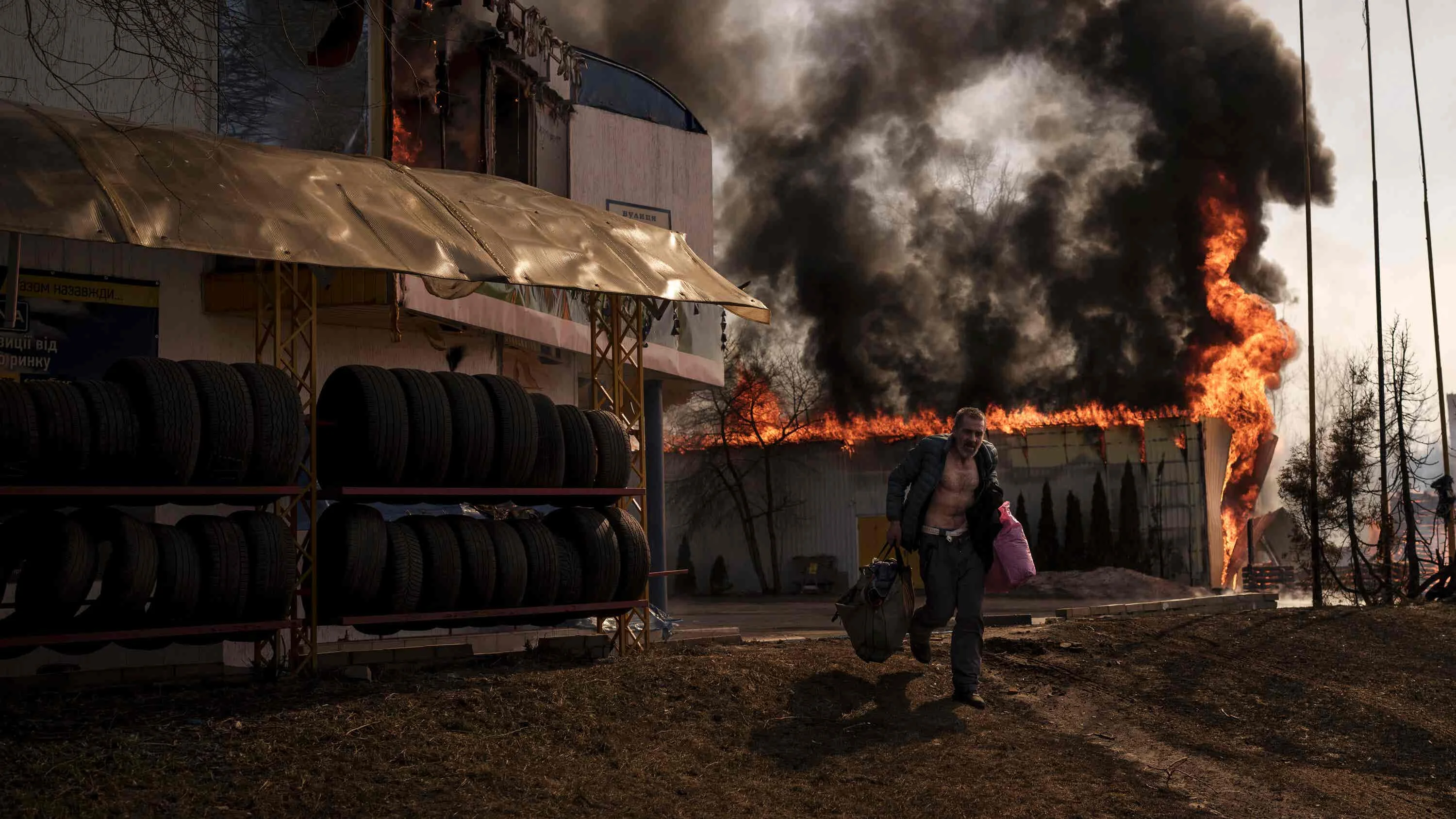
Ukraine intensifies attacks on Russia, causing blackouts and heat outages, as trilateral talks loom in Geneva. Zelenskyy urges faster aid, while global gold prices slump.
The protracted conflict in Ukraine has entered a new, intensified phase, marked by recent reports of significant Ukrainian attacks causing widespread power and heat outages deep within Russian territory. These developments cast a long shadow over impending crucial trilateral talks between Ukraine, Russia, and the United States in Geneva, where President Volodymyr Zelenskyy is making urgent pleas for accelerated military assistance, particularly advanced air defense systems. The escalation on the ground, coupled with the diplomatic maneuvering, underscores the precarious state of regional security and has reverberated through international markets, with gold and silver prices experiencing notable declines amid a complex global economic landscape. This rapidly evolving situation demands close attention as winter progresses and diplomatic avenues are simultaneously explored and challenged.
The current hostilities are not an isolated event but rather an escalation of a conflict that began considerably earlier, as detailed by DW.com. Russia launched a full-scale invasion of Ukraine in early 2022, but the roots of the conflict stretch back to 2014, when Russia annexed Crimea following a pro-Western revolution in Kyiv. This annexation was a pivotal moment, fundamentally altering the security architecture of Eastern Europe and sowing the seeds for the larger-scale conflict that commenced eight years later. The intervening years saw a simmering war in the Donbas region of eastern Ukraine, involving Russian-backed separatists. This historical context is critical for understanding the deep-seated grievances and geopolitical stakes at play. Ukraine’s sovereignty and territorial integrity have been consistently challenged, leading to a profound impact on its infrastructure, economy, and civilian population. The ongoing conflict is not merely territorial but represents a clash of geopolitical ambitions and values, with significant implications for international law and global stability.
Recent hours have brought a flurry of significant developments on both the military and diplomatic fronts. Sky News reports a "massive" Ukrainian attack overnight, which successfully caused severe heat and power outages in parts of Russia. This represents a notable shift in the conflict, indicating Ukraine's increasing capability and willingness to strike targets deep within Russian territory, potentially disrupting civilian life and infrastructure as a retaliatory measure or strategic tactic. Concurrently, the diplomatic machine is in motion, with Ukraine's negotiating team already en route to Geneva for trilateral talks with the US and Russia. Moscow's delegation is also expected to arrive, setting the stage for high-stakes discussions aimed at de-escalation or, at the very least, an understanding of potential pathways forward. These talks, however, are overshadowed by President Volodymyr Zelenskyy's urgent appeal to the US and other allies to expedite the delivery of air defense missiles. Zelenskyy has publicly warned of Russia's intent to conduct a "massive strike" on Ukraine's energy infrastructure, particularly with the onset of deeper winter conditions. He emphasized that Russia "cannot resist the temptation of the last days of winter cold and wants to inflict painful blows on Ukrainians," underscoring the critical need for enhanced defensive capabilities. The Ukrainian president also highlighted that the more aggressive Russia becomes, the harder it will be to reach any meaningful agreements, directly addressing the US by stating, "Partners must understand this. First and foremost, this concerns the United States." This direct call to action signals Ukraine's growing frustration with the pace of aid and its perception of immediate threats. Meanwhile, DW.com continues to cover Europe's broader geopolitical landscape, including ongoing discussions about where the US and Israel differ on Iran strategy, indicating that while Ukraine dominates headlines, other complex security challenges persist globally.
The recent escalation of the conflict, particularly Ukraine's ability to inflict damage on Russian infrastructure, marks a critical juncture. This development is not merely a tactical victory but carries significant strategic implications, potentially altering Russia's calculations and increasing pressure on Moscow to reassess its offensive posture. For Ukraine, it demonstrates resilience and an evolving capacity to defend itself beyond its immediate borders, albeit with inherent risks of further retaliation. The impending Geneva talks are thus imbued with an even greater sense of urgency. While trilateral discussions offer a glimmer of hope for dialogue, Zelenskyy's outspoken frustration with the speed of Western military aid suggests a growing chasm between Ukraine's immediate defensive needs and its allies' delivery timelines. This could complicate diplomatic efforts, as Ukraine may feel compelled to intensify its own actions if it perceives insufficient external support. Furthermore, the conflict's continued volatility and impact on global supply chains and energy markets are undeniable. The broader geopolitical implications extend beyond Eastern Europe, influencing alliance structures, defense spending across NATO, and prompting countries like the UK to face "era-defining choices" on rearming, as highlighted by military analyst Michael Clarke in Sky News. The ripple effect on international financial markets is also evident, with safe-haven assets like gold experiencing declines, reflecting a complex interplay of geopolitical risk and global economic sentiment. This downturn, as reported by The Times of India, signals that while the conflict remains a source of instability, other factors, such as a strong US dollar and subdued trading volumes due to Asian holidays, are influencing investor behavior, suggesting a nuanced rather than singular impact of geopolitical events on markets.
Beyond the immediate military and diplomatic maneuvers, several other details provide a richer picture of the current global state. President Zelenskyy has been actively engaging with international bodies, evidenced by his recent award of the Order of Merit to Alain Berset, secretary general of the Council of Europe, acknowledged for "supporting our people in times of difficult trials," particularly efforts to establish accountability and justice. This underscores Ukraine's continued push for international solidarity and legal support in the face of ongoing aggression. Meanwhile, the conflict's human toll and international implications are also highlighted by reports of North Korean leader Kim Jong Un honoring "young martyrs" who died fighting for Russia in Ukraine, as mentioned in Sky News. This points to the globalized nature of the conflict, attracting support and participation from various international actors, further complicating prospects for a swift resolution. From an economic perspective, the global market reactions are equally telling. The recent slump in gold and silver prices, as detailed by The Times of India, reflects a multifaceted market environment. April 2026 gold futures on the MCX fell by Rs 1,210, or 0.80 per cent, and silver futures for March 5, 2026 delivery declined Rs 4,685, or 2 per cent. These declines are attributed to "weak global signals" and limited participation due to Lunar New Year holidays in major Asian markets, as well as the strengthening of the US dollar. This demonstrates that while the geopolitical situation is a significant factor, it interacts with broader economic trends, creating a complex landscape for investors. The DW.com homepage also features a broad range of topics, from accompanying migrants through the Sahara to the upcoming Carnival season in Germany, illustrating that the world continues to grapple with a multitude of social, cultural, and environmental issues alongside the dominant geopolitical concerns.
As the trilateral talks in Geneva commence, the world will be watching closely for any signs of progress in de-escalating the conflict. The divergence in strategies between the US and Israel on Iran, as noted by DW.com, highlights the intricate web of international relations that these talks are part of. Zelenskyy's continued emphasis on strengthening Ukraine's air defense capabilities will be a key indicator of his satisfaction with Western support and will influence Ukraine's negotiating leverage. The potential for further "massive strikes" by Russia on Ukrainian energy infrastructure remains a severe threat as winter peaks, underscoring the humanitarian stakes involved. On the economic front, the precious metals market will likely remain sensitive to both geopolitical developments and broader economic indicators, such as interest rate decisions and the strength of major currencies. The full impact of Ukraine's intensified attacks on Russian territory is yet to be seen, but it undoubtedly adds another layer of complexity to an already volatile situation. The coming days and weeks will be crucial in determining whether diplomacy can gain traction or if the conflict will spiral into a more prolonged and destructive phase, with profound implications globally.
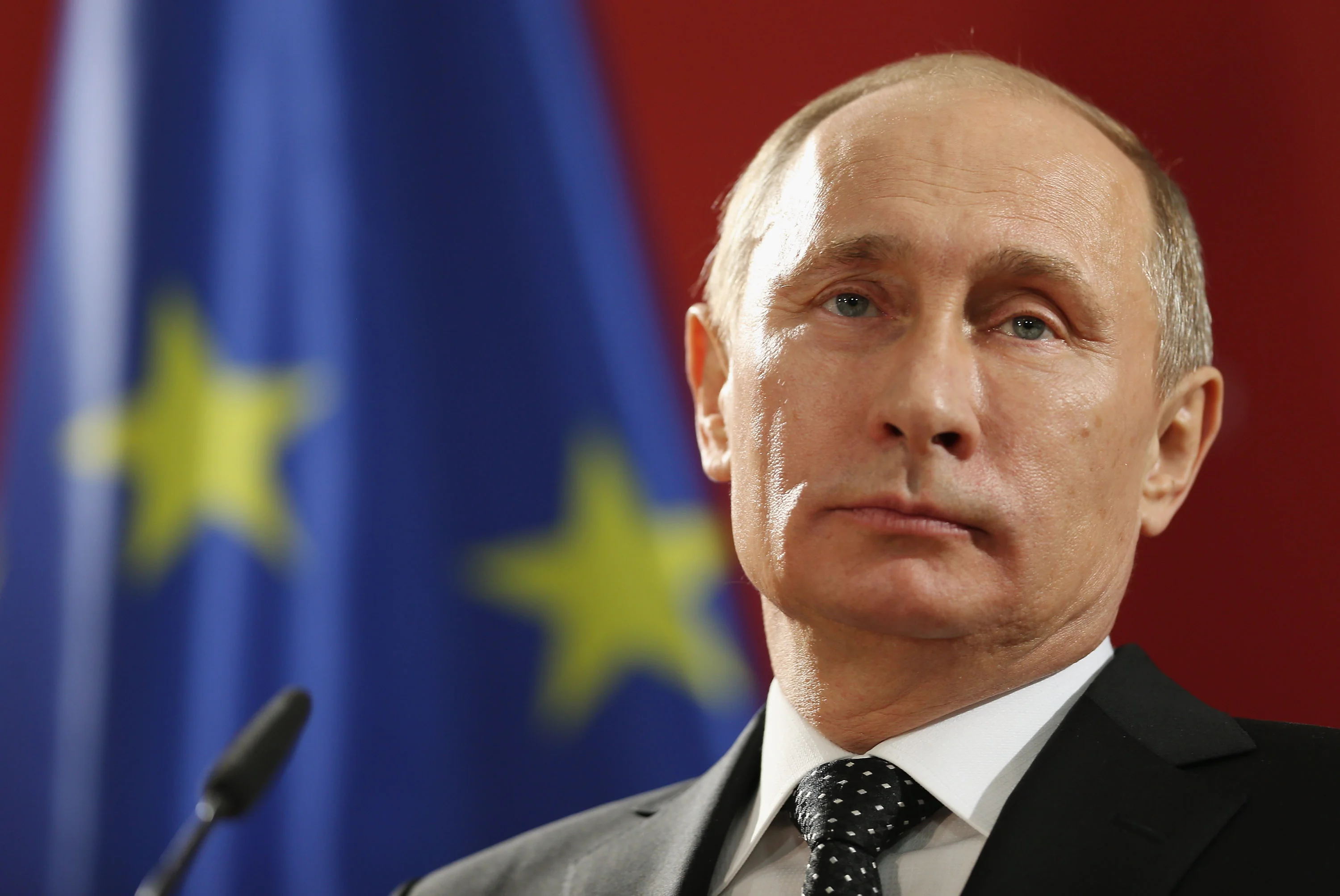
As the Ukraine war grinds into its fifth year, reports suggest Putin is considering unpopular measures while Russia faces critical internal issues, underscored by ongoing corruption in Kyiv and diplomatic efforts.
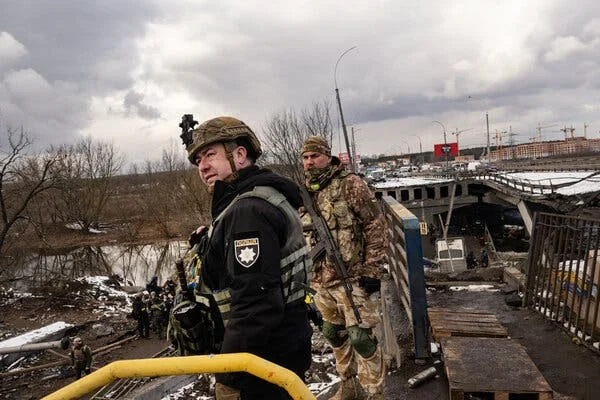
As Russia suffers 'crazy losses,' Ukraine leaders express frustration over 'half measures' from allies at the Munich Security Conference, while five civilians are killed in new Russian attacks.
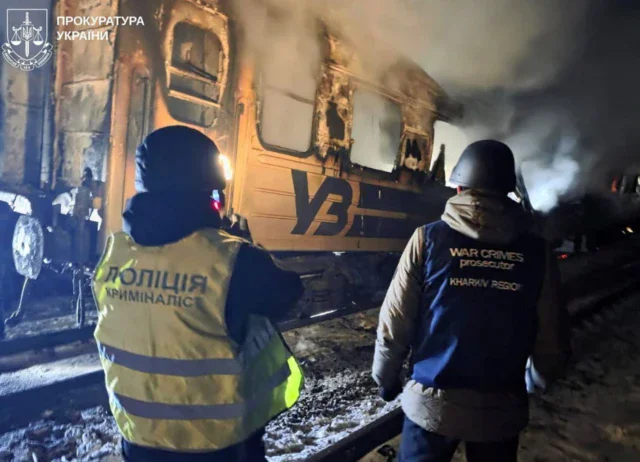
A baby was dramatically rescued from a train engulfed in flames following a Russian drone strike in northeastern Ukraine, killing five. Zelenskyy warns of a new massive strike.