World Cup Kick-off Nears, Highlighting Sport's Enduring Power to Unite Nations
As the 2026 World Cup approaches, this article explores how major sporting events foster global unity, dialogue, and social change, building bridges and breaking barriers.

As the world eagerly anticipates the kick-off of the 2026 World Cup, a powerful message resonates globally: sport, in its purest form, transcends national borders and cultural divides, acting as a crucial unifier and catalyst for social change. While the elite athleticism of footballers will undoubtedly dominate headlines, the broader transformative impact of sport on communities, particularly among underserved youth, is gaining significant recognition. This grand spectacle of global competition, set to captivate billions, serves as a poignant reminder of sport's capacity to foster dialogue, solidarity, and mutual respect, paving the way for a more connected and peaceful world.
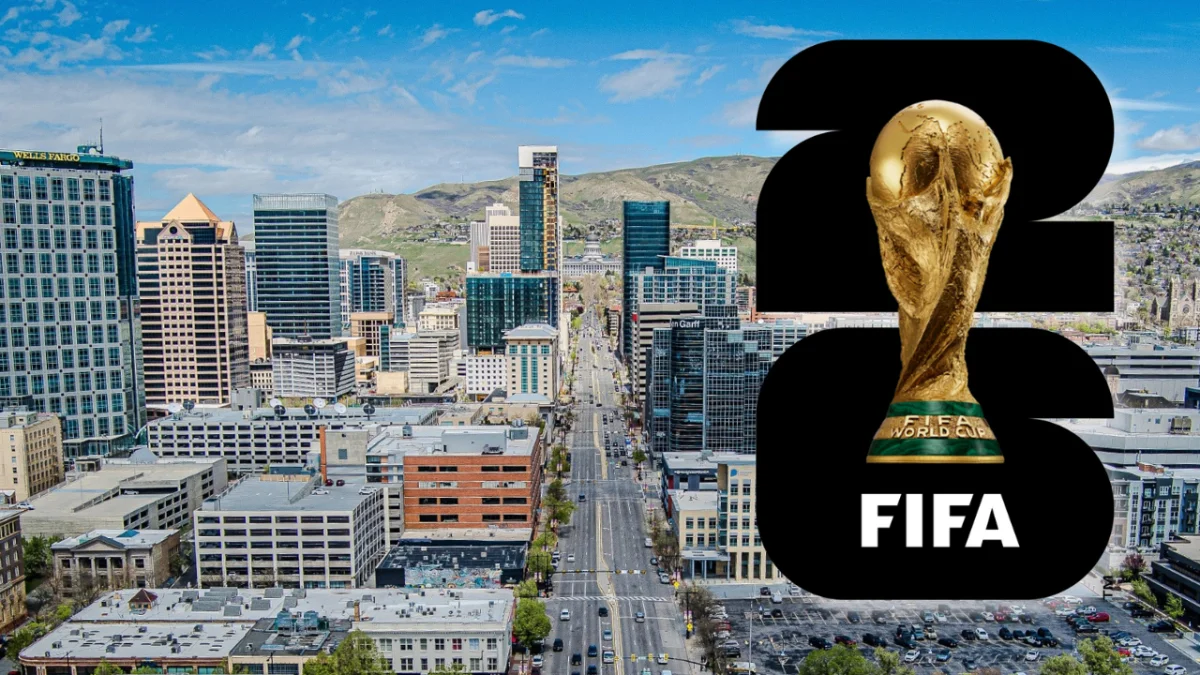
Scheduled to commence in just over two months, from June 11 to July 19, the World Cup will feature 48 national teams vying for supremacy across 104 games hosted in Mexico, Canada, and the United States. Beyond the thrilling matches and athletic prowess, a vital initiative, "Play Collective," will operate concurrently in each host city. This program, a joint venture of the Adidas Foundation, the Beyond Sport foundation, and Common Goal, is dedicated to funding and supporting community sport organizations. Its core mission is to create safe and inclusive spaces for underserved youth, leveraging the power of sport to address critical social challenges and advance human development. This multifaceted approach underscores the belief that the World Cup, much like the Olympics, is more than just a competition; it is a global platform for positive societal impact, as highlighted by UN News.
Background and Context: Sport's Evolving Role in Global Diplomacy
The notion of sport as a tool for international diplomacy and social development is not new, but its application has grown increasingly sophisticated and integrated into global initiatives. Historically, major sporting events like the Olympics have often been intertwined with political statements and societal movements, from Jesse Owens' triumphs against Nazi ideology in 1936 to the boycotts of the 1980 and 1984 Games. However, contemporary efforts, exemplified by programs associated with the upcoming World Cup, move beyond symbolic gestures to implement tangible, community-level interventions. The emphasis has shifted from mere participation to the active utilization of sport as a structured mechanism for addressing pressing global issues, including poverty, inequality, health, and peacebuilding.
The International Day of Sport for Development and Peace, observed annually on April 6, particularly underscores this evolving perspective. This day, as reported by UN News, serves to highlight sport's transformative power in driving social change and advancing the United Nations' Sustainable Development Goals (SDGs). Organizations like Common Goal, with its global network serving 3.6 million youth annually, are at the forefront of this movement. Their initiatives demonstrate a nuanced understanding of sport's ability to foster resilience, teamwork, and leadership skills among young people, connecting diverse communities and promoting mutual understanding. This paradigm shift reflects a growing recognition that the 'soft power' of sport can achieve what traditional diplomacy sometimes struggles to: creating organic spaces for dialogue and bridging cultural divides outside of formal political structures.
Key Developments: Unifying Forces on a Global Stage
The upcoming World Cup, spanning three North American nations, serves as a significant backdrop for the "Play Collective" initiative, a testament to the collaborative spirit driving social change through sport. This program, backed by the Adidas Foundation, the Beyond Sport foundation, and Common Goal, is designed to channel resources and expertise to community sport organizations, particularly those serving underserved youth. The focus is on creating environments where young people can not only engage in athletic activities but also develop crucial life skills, find mentorship, and build a sense of belonging. Mary Connor, Executive Director of Common Goal, articulated this vision at the "Building Bridges, Breaking Barriers" event, marking the International Day of Sport for Development and Peace, as detailed by UN News.
Connor drew a compelling parallel between the necessity of teamwork in football and the collaborative essence of the United Nations. Both, she noted, require individuals to "come together across differences, across cultures that keep us isolated" and "make space for one another to find a way through, against a lot of headwinds." This philosophy underlines the 'Play Collective's mission: to utilize the universal language of sport to foster communication, understanding, and shared purpose among diverse groups. Her remarks highlight the strategic alignment between global sporting events and broader humanitarian goals, positioning the World Cup not just as a spectacle of competition, but as a vehicle for profound societal impact.
The event also featured the insights of pioneering Olympian Nawal El Moutawakel, whose career embodies the very spirit of breaking barriers through sport. El Moutawakel, who made history at the 1984 Los Angeles Olympics as the first Moroccan, African, Arab, and Muslim woman to win an Olympic gold medal (in the 400-meter hurdles), spoke powerfully about the discipline, determination, and resilience gleaned from her athletic journey. She likened her race to life's hurdles, emphasizing the importance of never giving up despite failures. Her triumph, as recounted by UN News, was a turning point, inspiring Moroccan women to pursue sports in what was traditionally a male-dominated field. Her continued contributions to sport and social progress, now as Vice President of the International Olympic Committee, underscore the long-term impact that individual athletic achievements can have on broader societal norms and gender equality. The presence of such influential figures, alongside youth athletes like Ailyn Lopez who overcame personal challenges through football, reinforces the tangible, human-centric benefits of investing in sport as a developmental tool.
Analysis: Beyond the Scoreboard – Sport as a Force Multiplier for Development
The impending World Cup, coupled with the initiatives highlighted by the UN, offers a critical lens through which to examine sport's role as a potent force multiplier for sustainable development and peace. While the immediate excitement focuses on athletic competition, the underlying philosophy articulated by figures like Mary Connor and Nawal El Moutawakel points to a deeper, more enduring impact. Sport, especially football, possesses a unique universal appeal that transcends cultural, linguistic, and socio-economic barriers. This global resonance provides an unparalleled platform for dialogue and understanding, far exceeding what traditional diplomatic channels might achieve alone.
The "Play Collective" program, by focusing on underserved youth in World Cup host cities, exemplifies a strategic investment in human capital. By creating safe spaces and providing structured engagement through sport, these initiatives directly address several Sustainable Development Goals (SDGs), including good health and well-being (SDG 3), quality education (SDG 4), gender equality (SDG 5), reduced inequalities (SDG 10), and peace, justice, and strong institutions (SDG 16). The stories of individuals like Ailyn Lopez, who found solace and leadership through football despite mental health struggles, are not isolated incidents but rather representative of the widespread potential for sport to foster resilience, self-esteem, and social cohesion among vulnerable populations. Therefore, the value derived from these sporting mega-events extends far beyond tourism revenue or national pride; it lies in their capacity to inspire, educate, and empower, creating a ripple effect that strengthens communities from the ground up.
Moreover, the active involvement of organizations like Common Goal, which mobilizes football players and coaches to pledge a percentage of their earnings to social causes, signals a maturing ecosystem where professional athletes are increasingly recognized, and are embracing, their roles as social agents. This engagement lends credibility and visibility to grassroots initiatives, drawing global attention and resources to localized challenges. The convergence of mega-sporting events, international organizations, and influential athletes forms a powerful nexus for social good, demonstrating that while political tensions and global crises persist, sport offers a compelling, unifying narrative. The article's reference to military operations, while seemingly disconnected, inadvertently underscores the power of unity and decisive action; just as military precision can achieve complex rescue missions, the precise application of sport as a development tool can achieve remarkable social transformations, albeit with vastly different objectives and methodologies.
Additional Details: Paving the Way for Inclusivity and Empowerment
The stories and initiatives surrounding the upcoming World Cup and the International Day of Sport for Development and Peace underscore a profound commitment to inclusivity and empowerment. Nawal El Moutawakel's personal journey, highlighted by UN News, is a powerful illustration. Her Olympic victory in 1984 not only broke personal barriers but also shattered deeply entrenched cultural norms, particularly in the Arab and Muslim world, regarding women’s participation in sports. Her success provided a tangible role model, boosting confidence and inspiring countless women to challenge traditional gender roles and pursue their athletic aspirations. Her continued leadership within the International Olympic Committee, especially noting that 50 percent of the organization at all levels is now comprised of women and that the IOC President is a woman (Kirsty Coventry), signifies significant, tangible progress towards gender parity in sports governance.
This commitment to inclusivity extends beyond gender to address mental health and poverty. The involvement of youth athletes like Ailyn Lopez, who candidly shared her experience of overcoming mental health issues through football and now serves as a young leader with Street Child United, highlights the therapeutic and empowering aspects of sport. Street Child United, by using sport to support young people living on the streets or in extreme poverty, demonstrates a practical application of sport for development, tackling societal vulnerabilities directly. These grassroots efforts, bolstered by larger initiatives like "Play Collective," create robust support systems that offer more than just athletic training; they provide life skills, psychological support, and a pathway out of destitution. The collaborative model of Adidas Foundation, Beyond Sport foundation, and Common Goal ensures that a wide array of resources and expertise are pooled, maximizing the reach and impact of these transformative programs, demonstrating a collective understanding of sport’s multifaceted benefits.
Looking Ahead: Sustaining the Momentum of Unity
As the World Cup draws closer, the spotlight will inevitably focus on the spectacle of the games themselves. However, the true legacy of this global event, and indeed of all major sporting competitions, will increasingly be measured by its sustained impact on social development and peacebuilding. The "Play Collective" initiative associated with the World Cup, along with ongoing efforts championed by organizations like Common Goal and the UN, portends a future where sport is intentionally integrated into broader humanitarian and developmental strategies. The challenge moving forward will be to maintain this momentum beyond the final whistle, ensuring that the infrastructure and partnerships established continue to benefit communities long after the trophies have been awarded.
What to watch for in the coming years is not just the success of these programs in host cities, but their scalability and replication in other contexts. The blueprint laid by these synergistic efforts—combining corporate funding, non-profit expertise, and global platforms—could serve as a model for future mega-events, solidifying sport’s role not merely as entertainment, but as an indispensable tool for achieving global peace and prosperity. The powerful message that sport can build bridges and break barriers, as articulated through figures like Mary Connor and Nawal El Moutawakel, needs to evolve from inspiring rhetoric into deeply embedded, perpetually funded, and globally recognized programmatic action, ensuring that the spirit of unity and hope instilled by these events resonates for generations to come, as championed by UN News.
Related Articles
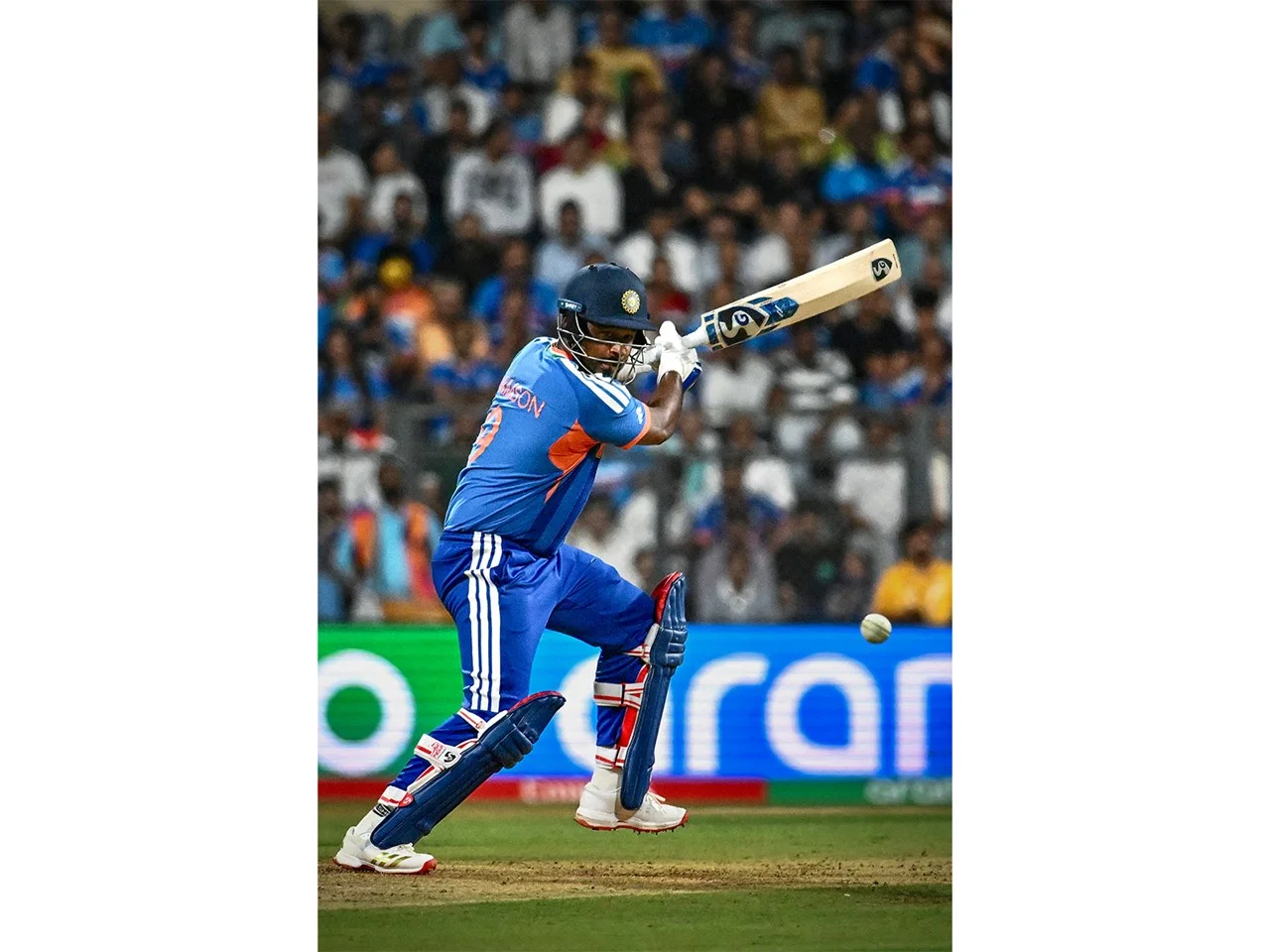
India Shatters T20 World Cup Final Record with Dominant Batting Display
India secured back-to-back T20 World Cup titles, posting a record 255 runs against New Zealand, marking the highest score ever in a final.