Davos 2025: Tech Titans Unveil Deep Divisions on AI's Explosive Future
The 2025 World Economic Forum in Davos saw unprecedented clashes among tech CEOs like Musk, Huang, Amodei, and Nadella over AI's strategic direction, ethics, and economic sustainability.

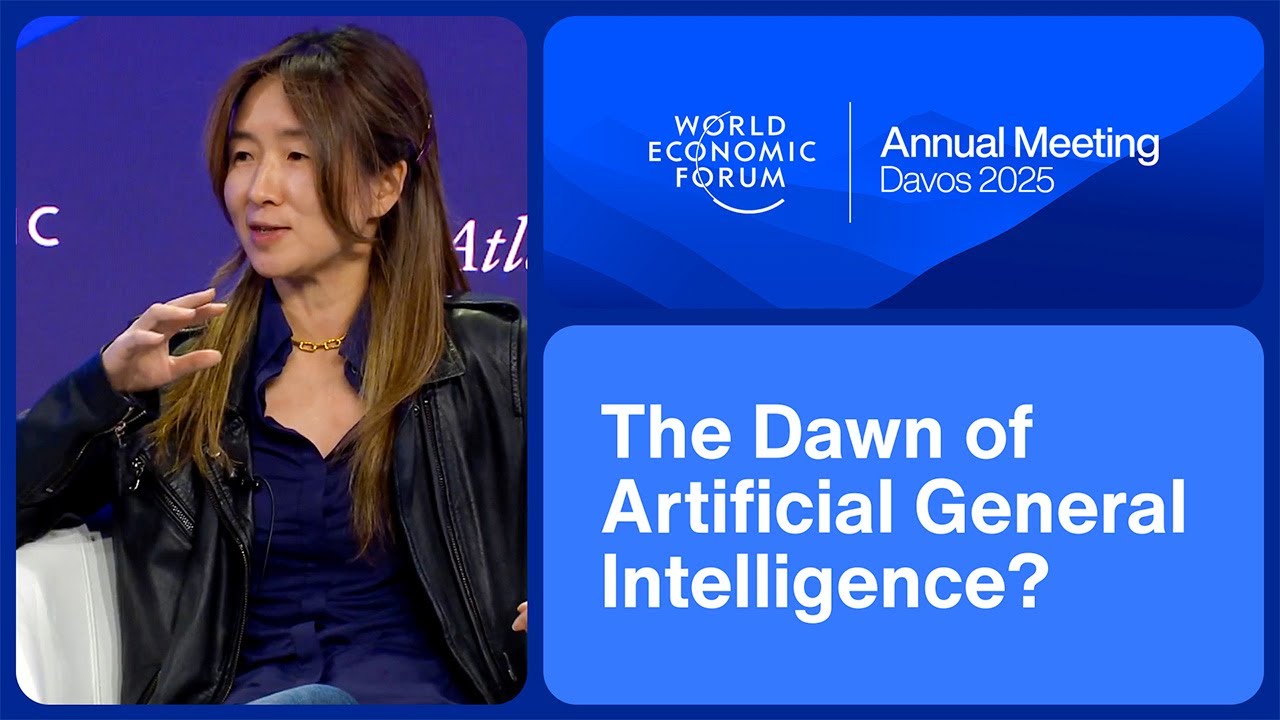
The Dawn of Artificial General Intelligence? | World Economic Forum Annual Meeting 2025
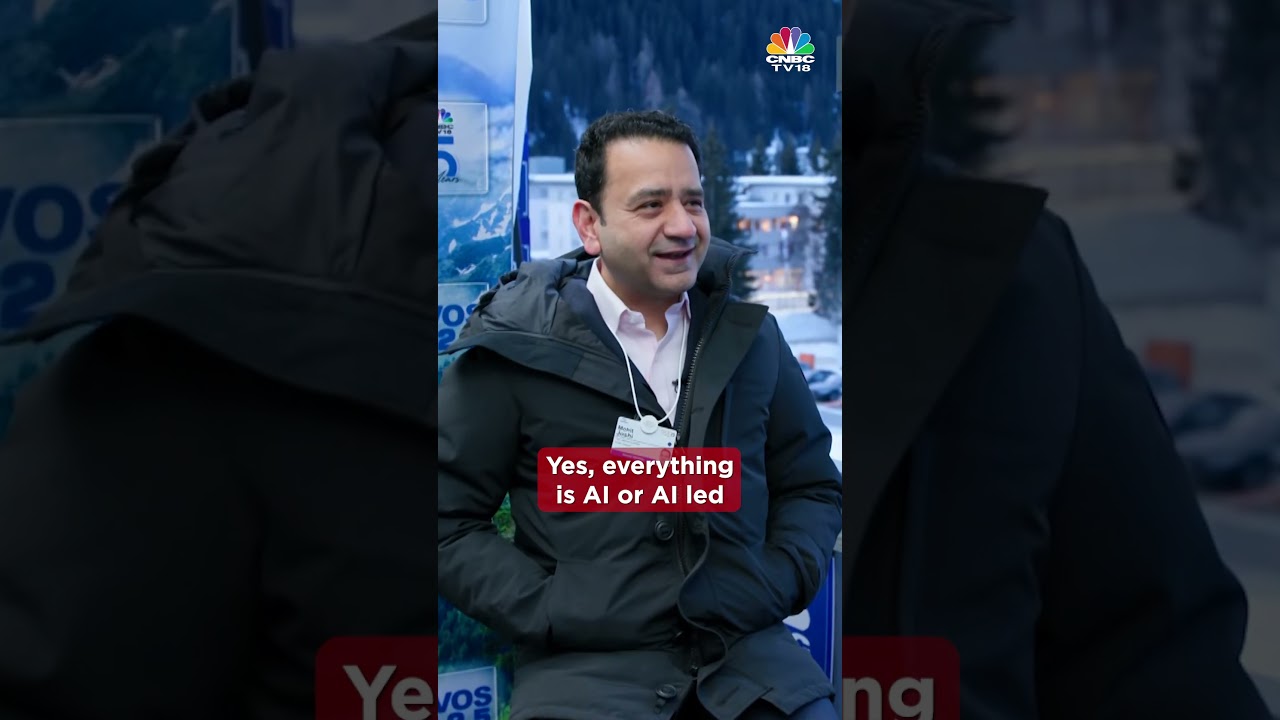
WEF Davos 2025 | Global Leaders On Adoption & Implementation Of AI | N18G | CNBC TV18
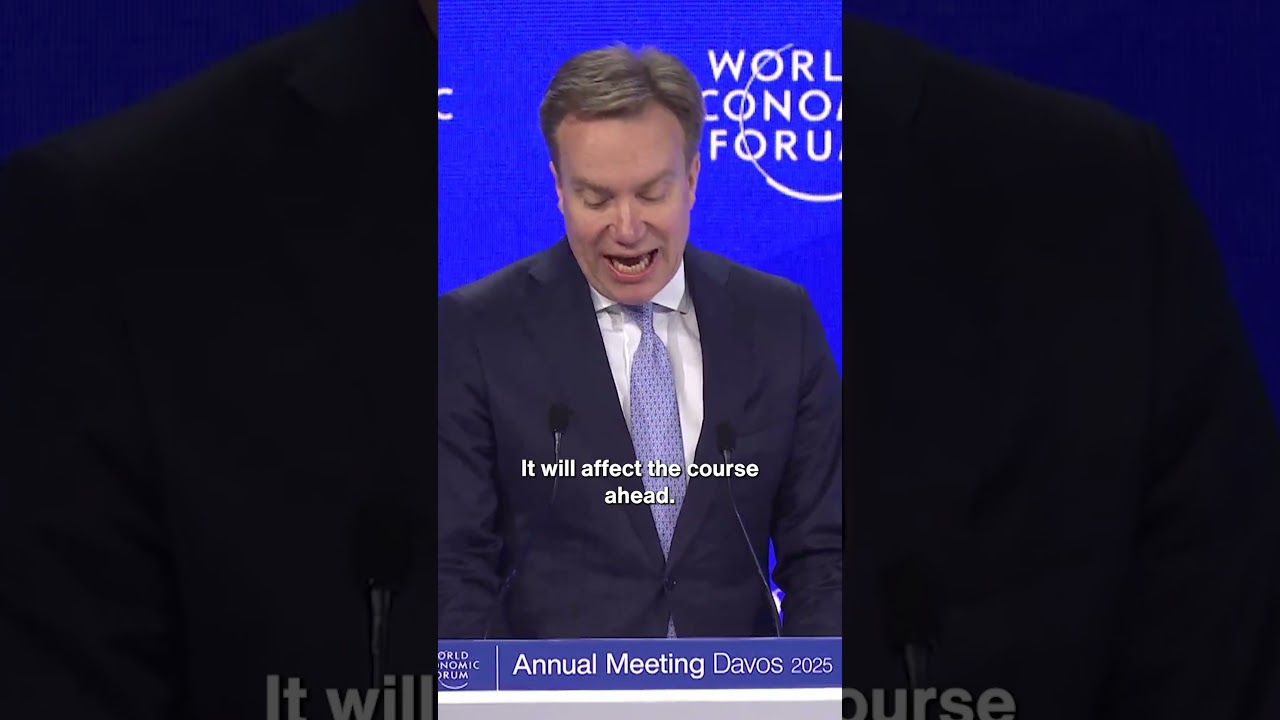
"2025 will be a year of consequences" #Davos2025 #WorldEconomicForum #BorgeBrende
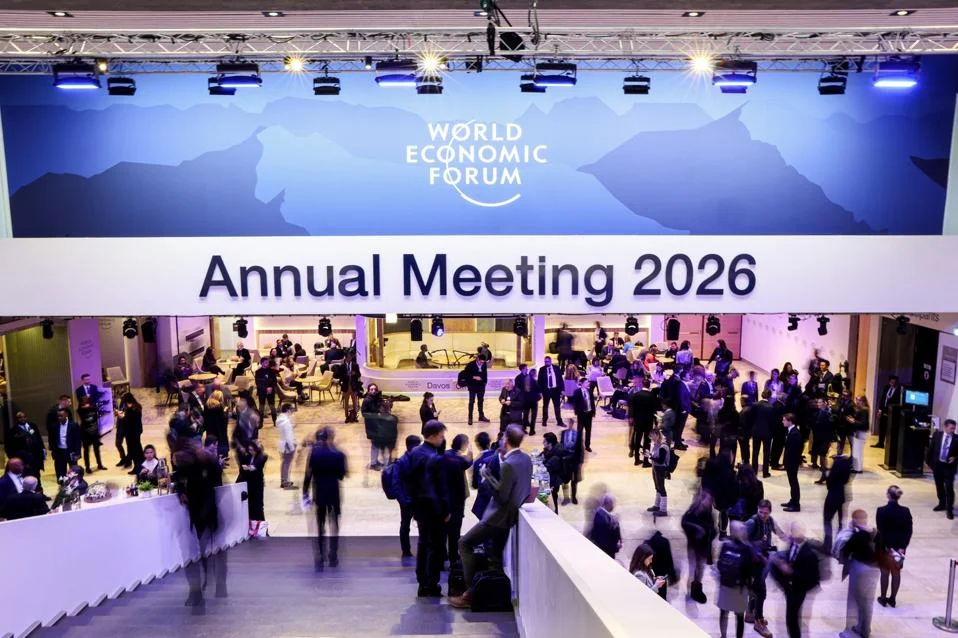
Davos, Switzerland – January 2025 transformed the World Economic Forum into a high-stakes arena, where the world's most influential tech CEOs converged to debate, and at times clash, over the future of artificial intelligence. Marking an unprecedented gathering, industry giants including Tesla’s Elon Musk, Nvidia’s Jensen Huang, Anthropic’s Dario Amodei, and Microsoft’s Satya Nadella publicly aired their divergent visions, revealing significant fractures within the seemingly unified AI industry. This pivotal moment underscored a critical tension between the boundless optimism surrounding AI's potential and pressing concerns regarding its sustainability, ethical implications, and the specter of market bubbles.
Davos Transformed: AI Dominates Global Discourse
The physical and conceptual landscape of Davos underwent a dramatic shift in 2025, reflecting AI's ascent to the forefront of global priorities. Technological corporations, notably Meta, Salesforce, and Tata, commanded prime real estate along the main promenade, their prominent physical presences overshadowing traditional diplomatic installations. The United States House, a collaborative effort between McKinsey and Microsoft, stood as the largest structure, symbolizing the increasing corporate influence on geopolitical conversations. This realignment signaled a broader conceptual evolution, moving AI from a peripheral topic to the central agenda item, dominating both public panels and private discussions. Critical global issues such as climate change and poverty, conversely, struggled to command comparable attention, highlighting a significant shift in the forum’s focus CryptoRank.
Executive Showdown: Visionaries vs. Realists
Observers noted an unusual level of tension among tech leaders, who typically maintain carefully crafted public personas. The Davos stage became an arena not just for discourse, but for subtle and overt competition. Anthropic CEO Dario Amodei, despite his company’s reliance on Nvidia’s GPU technology, delivered pointed criticism towards the chip giant. He publicly questioned recent U.S. administration decisions permitting advanced chip exports to China, using vivid metaphors to convey the gravity of the situation. Amodei declared, “An AI data center represents a country full of geniuses,” effectively framing technological infrastructure within national security terms and questioning the strategic wisdom of transferring such computational power abroad.
Language as Strategy: Decoding Executive Rhetoric
The distinct terminologies employed by the CEOs provided insight into their strategic positioning. Microsoft’s Satya Nadella frequently referred to data centers as “token factories,” abstracting complex infrastructure into a production-oriented lexicon that emphasized output and scalability. Jensen Huang, on the other hand, centered his discussions on AI investment around job creation, conspicuously avoiding any mention of potential slowdowns in infrastructure development. Elon Musk's attendance itself garnered substantial attention, marking a departure from his previous avoidance of the forum. While his contributions contained less substantive policy discussion than his peers, his presence undeniably signaled AI’s emergence as the defining technological narrative of the era. These linguistic choices were not accidental; each executive crafted narratives that strategically advanced their individual corporate interests CryptoRank.
The “Bubble Question”: Growth Versus Sustainability
Beneath the surface of optimistic projections, concerns about the economic sustainability of artificial intelligence persisted. While acknowledging the potential for market overextension, executives proposed differing solutions. Satya Nadella stressed the necessity of broader AI adoption, positing that limited usage could trigger a market correction. He advocated for the equitable global distribution of AI capabilities, positioning Microsoft as a provider of inclusive infrastructure. Conversely, Jensen Huang called for increased investment, asserting that current funding levels were insufficient to support necessary innovation. This fundamental disagreement between expansion and consolidation highlighted a broader tension regarding AI's developmental trajectory. Industry analysts observed a delicate balance as executives attempted to maintain investment enthusiasm while acknowledging practical constraints.
Geopolitical Dimensions: Technology as Power
Discussions at Davos consistently extended beyond pure technology, intersecting with international relations and trade policy. Amodei’s criticism of chip exports to China served as a prime example, framing computational hardware as strategic assets with critical national security implications. This perspective resonated with policymakers attending the forum, who increasingly view AI development through competitive geopolitical lenses. The dual-use potential of AI—for both economic advancement and strategic advantage—complicates traditional trade relationships and export controls. These discussions unfolded against the backdrop of ongoing U.S.-China technological competition, with AI representing the latest frontier in great power rivalry. European leaders, in particular, voiced concerns about dependency on American and Chinese AI ecosystems, prompting discussions on regional regulatory frameworks and investment strategies to ensure competitiveness CryptoRank.
The Human Capital Battle in AI Development
Beyond hardware and investment, executives also addressed the critical human element of AI advancement: talent. The intense competition for specialized AI talent emerged as a pervasive underlying theme throughout the discussions. Companies are balancing aggressive recruitment with financial sustainability, creating inherent tension between rapid expansion and long-term profitability. This talent war partly explains some of the public disagreements, as executives strategically position their organizations as the premier environments for groundbreaking research. The concentration of expertise within a select few corporations and regions also raised concerns about equitable knowledge distribution and the diversity of innovation. While several executives proposed educational initiatives and frameworks for international collaboration to address talent shortages, concrete commitments remained limited.
Related Articles
Apple Bolsters AI Prowess with Acquisition of Stealthy Israeli Startup Q.ai
Apple confirms the acquisition of Q.ai, an Israeli AI startup focusing on whispered speech and advanced audio, founded by PrimeSense co-founder Aviad Maizels.