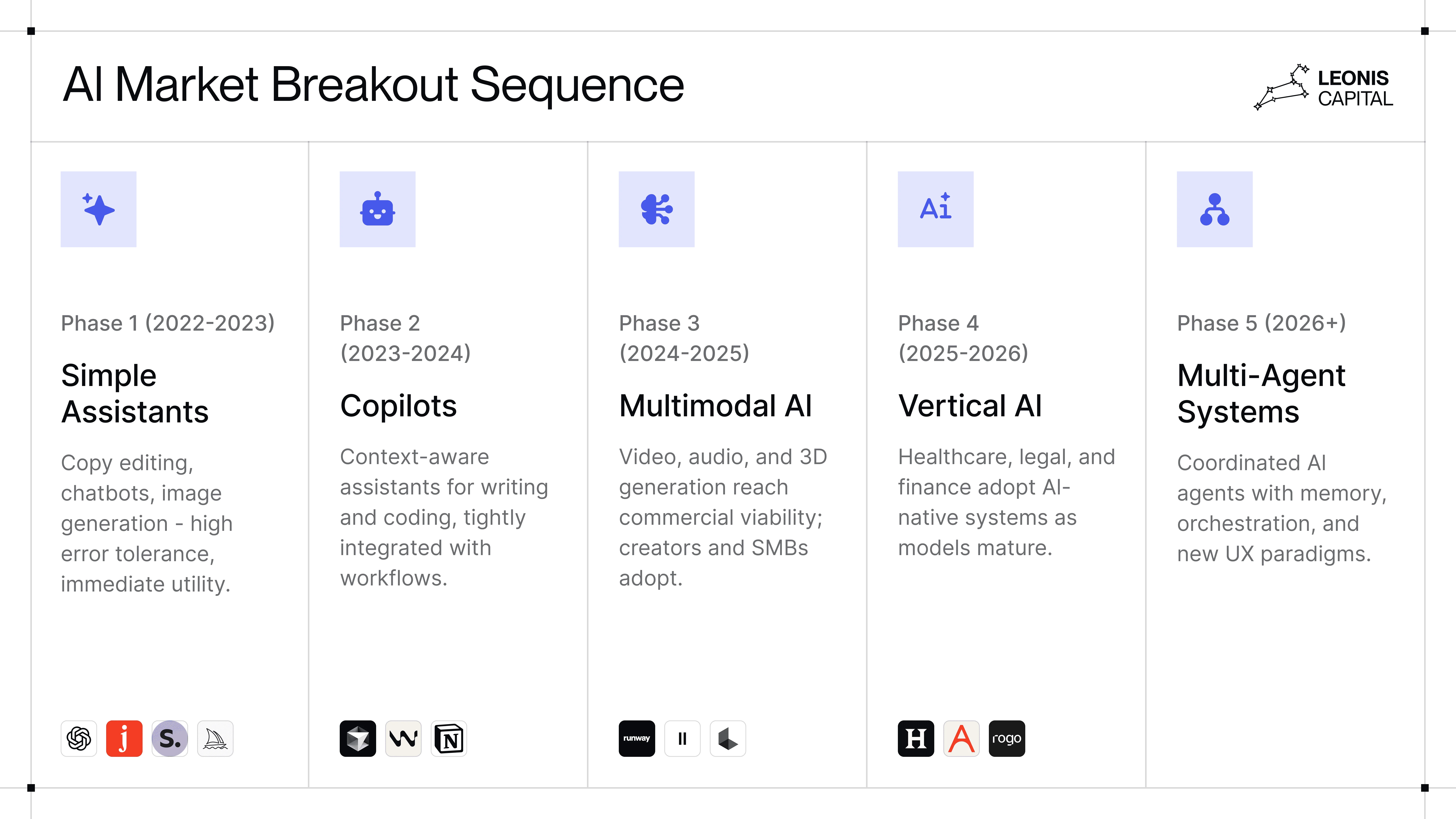
2026: The Year AI Gets Real as Enterprises Demand ROI Over Hype
After years of experimentation, businesses are shifting from AI excitement to measurable returns, with agentic AI adoption expected to surge from 5% to 40% by year's end.


2026: The Year of A.I. Adoption
The artificial intelligence industry is facing a reckoning. After years of breathless hype and experimental deployments, 2026 is shaping up to be the year enterprises finally demand real returns on their AI investments. According to CIO Magazine, a staggering 95% of enterprise generative AI projects have failed to show measurable financial returns within six months — and patience is running out.
CEOs and Boards Want Results
The era of AI experimentation is ending. PwC's 2026 AI Business Predictions reveals that tolerance for poor returns has evaporated, with CEOs, boards, and investors demanding demonstrable ROI. Kyndryl's 2025 Readiness Report found that 61% of senior business leaders feel more pressure to prove AI returns now versus a year ago.
Agentic AI Takes Center Stage
The biggest shift in enterprise AI this year is the rise of agentic AI — autonomous systems that can complete complex tasks without human intervention. According to Google Cloud's Business Trends Report, Gartner predicts task-specific AI agent adoption will jump from less than 5% in 2025 to 40% by the end of 2026.
Real-world implementations are already delivering results. Global manufacturer Danfoss is using AI agents to automate email-based order processing, automating 80% of transactional decisions and reducing average customer response time from 42 hours to near real-time.
Quality Over Cost-Cutting
IBM's AI trends analysis notes that early AI programs focused primarily on cost reductions because they were easy to model. In 2026, the focus shifts to quality — measuring how AI improves decision confidence, reduces variance, and elevates outcomes. With quality output, organizations expect increased revenue and improved margins, not just savings.
The Compliance Countdown
Adding urgency to enterprise AI strategies is the EU AI Act, which becomes fully applicable in August 2026. This creates an 8-month compliance countdown for businesses serving European markets. iApp Technologies reports that AI governance is rapidly maturing from a nice-to-have to an enterprise requirement, with companies that have strong governance practices more likely to achieve sustainable ROI.
The Numbers Tell the Story
The global AI analytics market was valued at $29 billion in 2025 and is expected to reach $98 billion by 2030. The agentic AI market alone is projected to hit $199 billion by 2034 at a 43.8% compound annual growth rate. For enterprises willing to move beyond experimentation and demand accountability, the opportunity has never been greater — but neither have the stakes.
Related Articles
Apple Bolsters AI Prowess with Acquisition of Stealthy Israeli Startup Q.ai
Apple confirms the acquisition of Q.ai, an Israeli AI startup focusing on whispered speech and advanced audio, founded by PrimeSense co-founder Aviad Maizels.