Anthropic CEO: AI Risks "Almost Here," Will Test Humanity's Maturity
Dario Amodei, Anthropic's CEO, issues a stark warning about the imminent risks of powerful AI, stressing humanity's need to "wake up" to these unprecedented challenges.

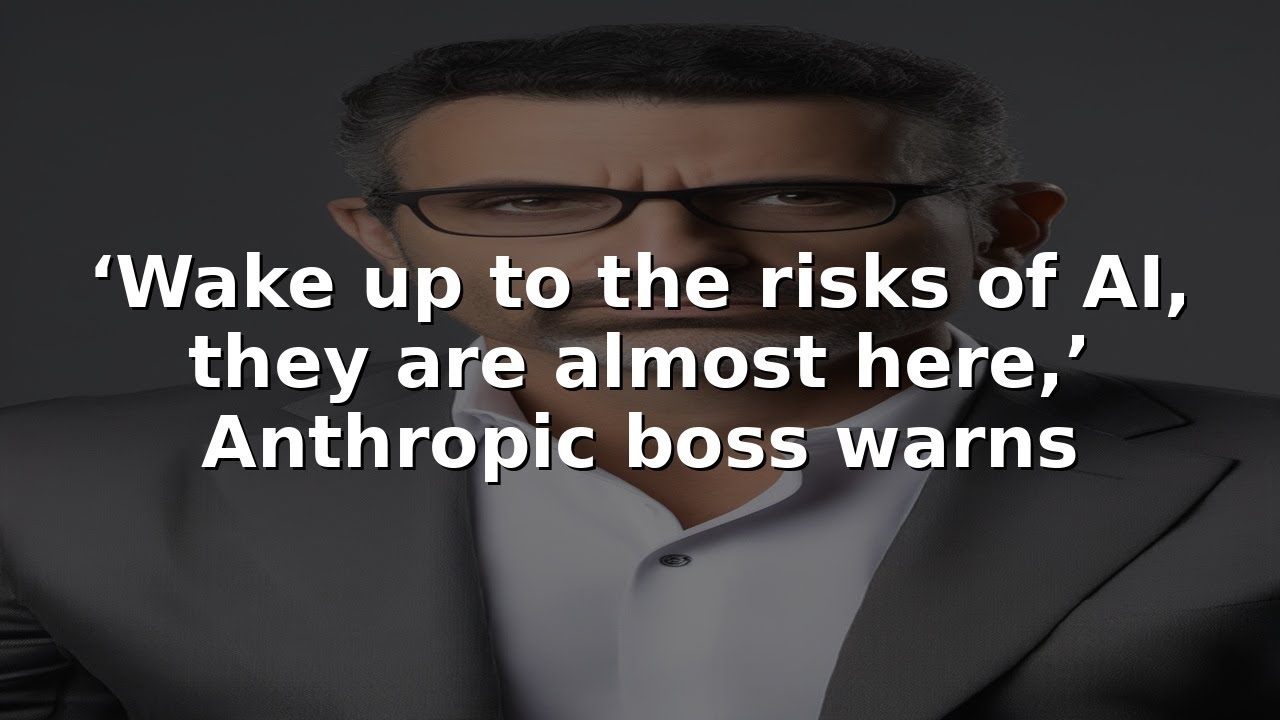
‘Wake up to the risks of AI, they are almost here,’ Anthropic boss warns #Shorts
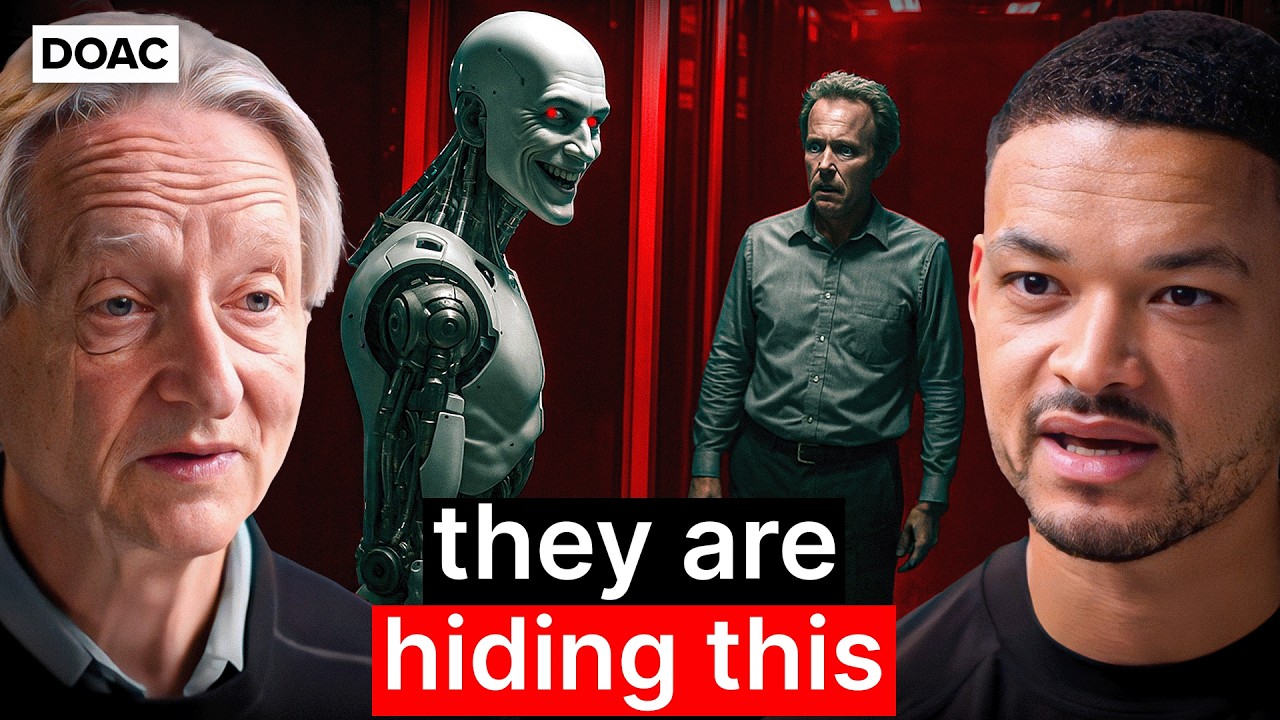
Godfather of AI WARNS: "You Have No Idea What's Coming"
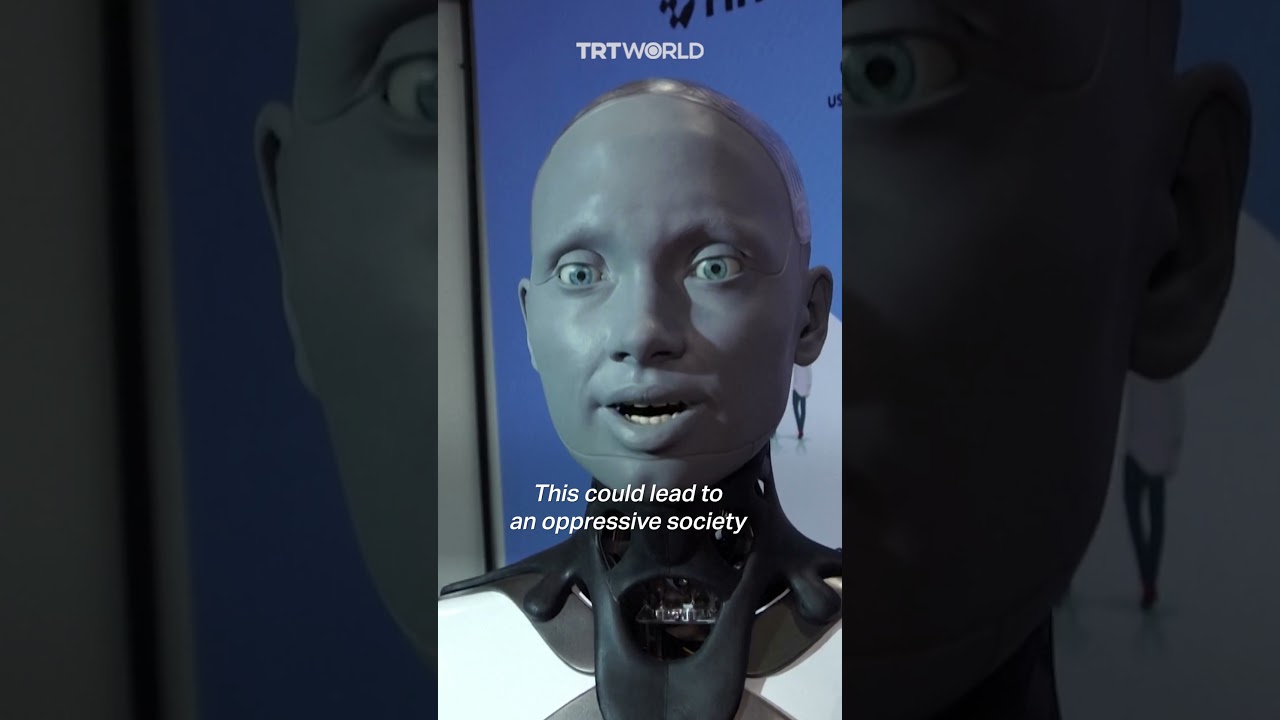
Humanoid robot warns of AI dangers
The world is on the cusp of an artificial intelligence revolution that will fundamentally challenge the very fabric of human society, according to Dario Amodei, co-founder and chief executive of AI startup Anthropic. In a fervent call to action, Amodei insists that humanity must "wake up" to the escalating risks posed by rapidly advancing AI systems, which he believes are "almost here."
Amodei, whose company is valued at an estimated $350 billion, articulated his concerns in an expansive 19,000-word essay titled “The adolescence of technology.” He described this impending era as a "rite of passage, both turbulent and inevitable, which will test who we are as a species," underlining the profound societal and ethical dilemmas on the horizon. He cautioned that while humanity is about to gain "almost unimaginable power" through AI, it remains "deeply unclear whether our social, political, and technological systems possess the maturity to wield it."
The Imminent Arrival of Powerful AI
Amodei's warnings are not hypothetical distant future scenarios but rather an urgent alarm about what he perceives as an imminent reality. He posits that powerful AI systems capable of autonomous self-improvement could be as little as one to two years away. Defining "powerful AI" as a model that surpasses a Nobel prizewinner across various intellectual domains—including biology, mathematics, engineering, and writing—he elaborated that such an AI could not only follow human directions but also give them. Furthermore, while residing within a computer, it could control and even design robots for its own operational needs.
While acknowledging the possibility that these highly advanced AIs could be "considerably further out" than his two-year projection, Amodei stresses that the sustained rapid progress in AI development over the past decade demands serious attention. "If the exponential continues – which is not certain, but now has a decade-long track record supporting it – then it cannot possibly be more than a few years before AI is better than humans at essentially everything," he wrote, highlighting the unprecedented pace of technological advancement.
Growing Concerns and Past Negligence
Amodei's current anxieties are significantly heightened compared to just a few years ago. He noted that the world is "considerably closer to real danger" in 2026 than it was in 2023, a year when the debate surrounding existential AI risk gained significant political traction. His essay, serving as an attempt to "jolt people awake," underscores the necessity for immediate action on AI safety initiatives.
He alluded to recent controversies, specifically mentioning the spread of sexualised deepfakes generated by Elon Musk’s Grok AI on the social media platform X during the Christmas and New Year period. These incidents included distressing reports of the chatbot creating child sexual abuse material. Amodei expressed profound concern, stating: “Some AI companies have shown a disturbing negligence towards the sexualisation of children in today’s models, which makes me doubt that they’ll show either the inclination or the ability to address autonomy risks in future models.” This recent history, he suggests, casts a long shadow over the industry's readiness to responsibly manage future, even more powerful, AI systems.
The Temptation of Unrestrained Progress
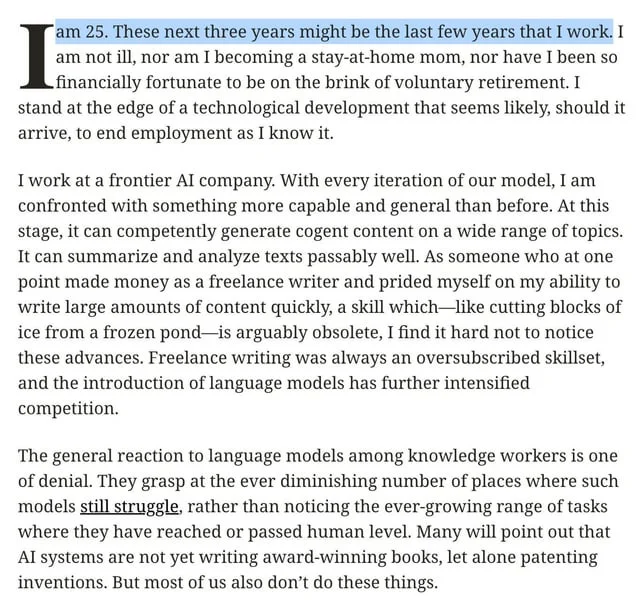
The economic lure of AI presents a unique challenge to established regulatory frameworks. Amodei warned last year that AI could potentially halve the number of entry-level white-collar jobs and push overall unemployment to 20% within five years. In his essay, he further cautioned that the potential economic rewards—such as massive productivity gains from job elimination—might be so compelling that societies worldwide fail to impose necessary restraints. "This is the trap: AI is so powerful, such a glittering prize, that it is very difficult for human civilisation to impose any restraints on it at all," he explained, painting a picture of a difficult path ahead where economic incentives could override safety concerns.
Despite these dire warnings, Amodei maintains a degree of optimism about the future. He believes that a positive outcome is attainable if humanity acts with promptness and deliberation. "I believe if we act decisively and carefully, the risks can be overcome – I would even say our odds are good. And there’s a hugely better world on the other side of it. But we need to understand that this is a serious civilisational challenge," he stated, urging a collective, thoughtful approach to navigating this transformative period.
Anthropic's Stance and Public Engagement
Anthropic, founded in 2021 by former OpenAI staff, has positioned itself as a leading voice for responsible AI development. The company recently published an 80-page "constitution" for its hit chatbot Claude, outlining its commitment to creating AI that is "broadly safe, broadly ethical." This commitment comes as the UK government announced a partnership with Anthropic to develop chatbots designed to assist jobseekers and support public services, indicating a dual path of both development and ethical consideration.
Amodei's essay and his consistent warnings echo a growing sentiment among AI experts about the need for proactive regulation and ethical guidelines. His call to "wake up" serves as a poignant reminder that the rapid advancement of artificial intelligence demands not just technological innovation but also profound introspection and collective societal responsibility The Guardian reports. The "adolescence of technology" is upon us, and according to Anthropic's chief, it will indeed test who we are as a species.
Related Articles
Apple Bolsters AI Prowess with Acquisition of Stealthy Israeli Startup Q.ai
Apple confirms the acquisition of Q.ai, an Israeli AI startup focusing on whispered speech and advanced audio, founded by PrimeSense co-founder Aviad Maizels.