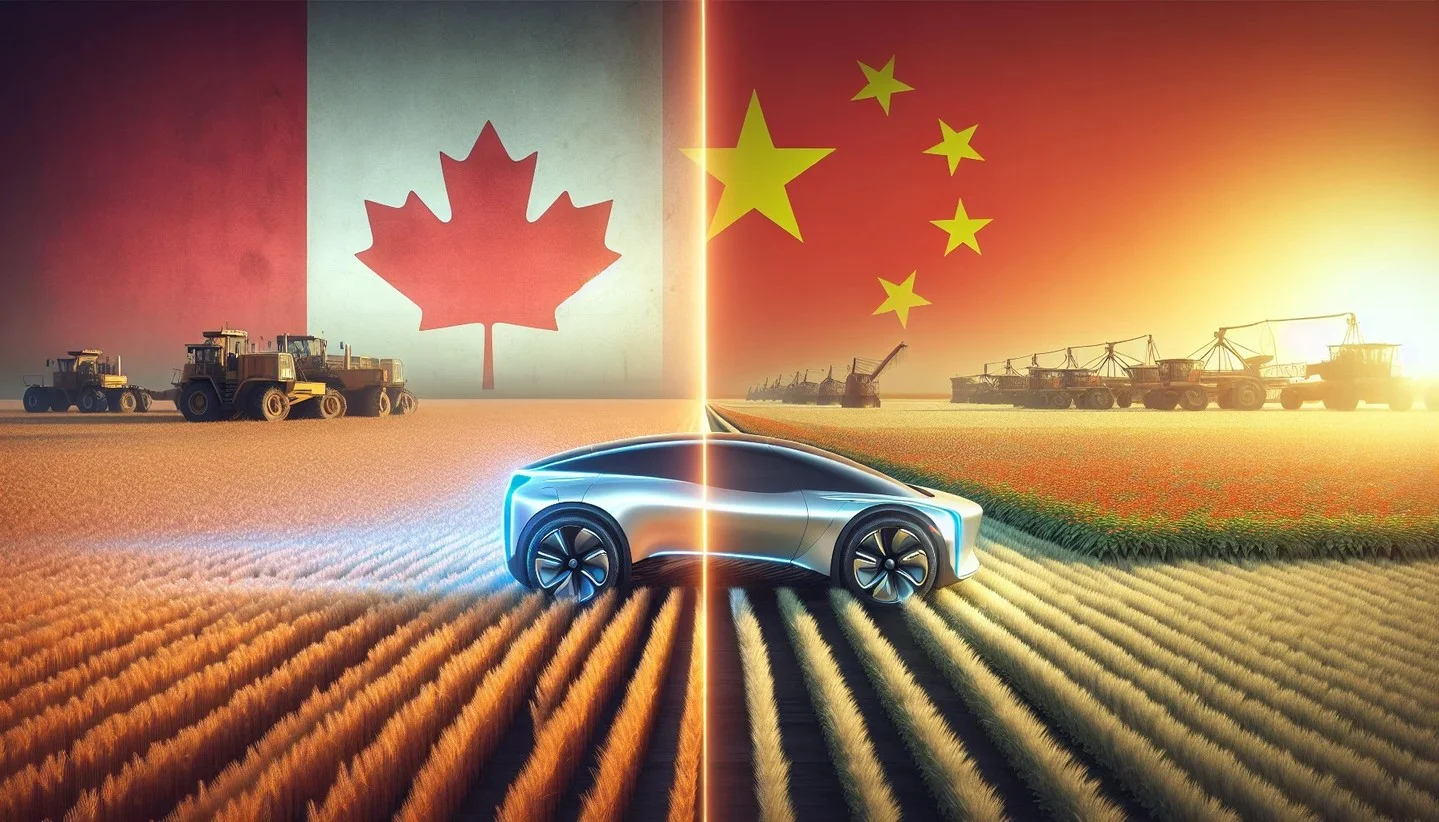
Canada Breaks with US, Cuts Tariffs on Chinese Electric Cars
Canada's landmark trade deal with China reduces EV tariffs and opens new market opportunities, signaling a shift in North American trade relations.


BREAKING: Canada–China cut TARIFFS, CHINESE EV'S ARE COMING! — United States FURIOUS
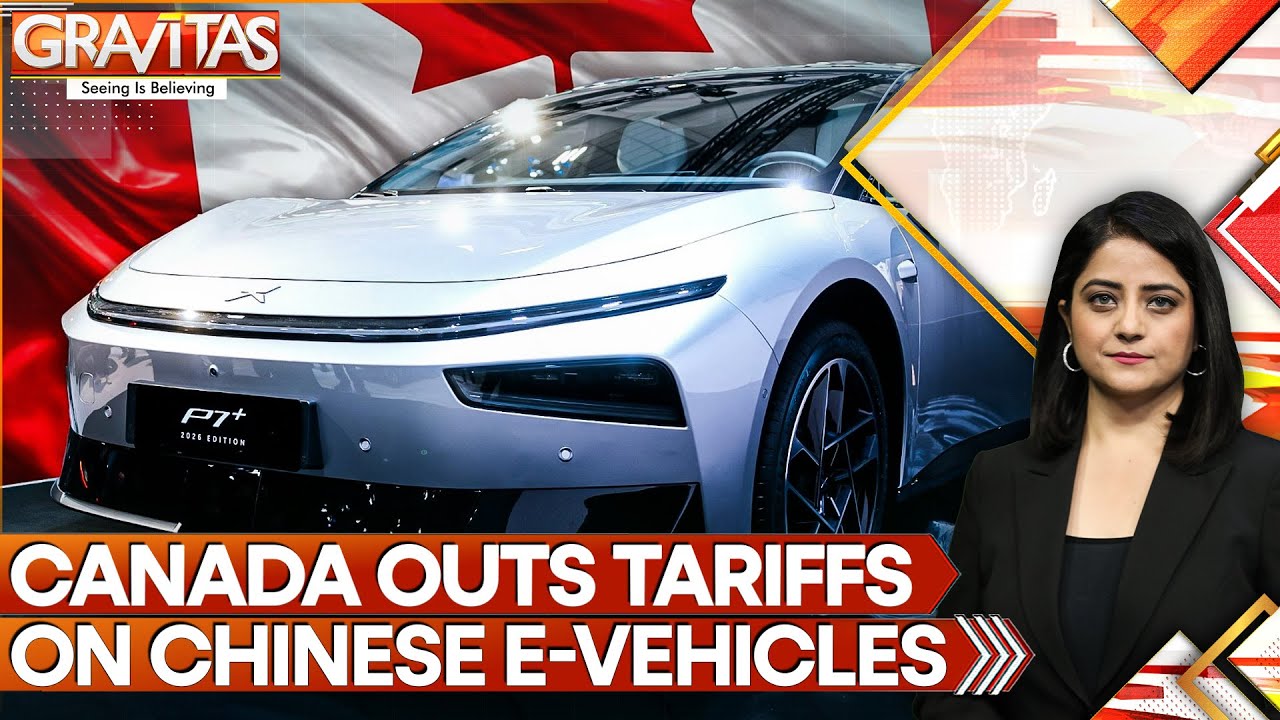
Breaking With U.S., Canada Agrees To Cut Tariff On Chinese EVs | GRAVITAS
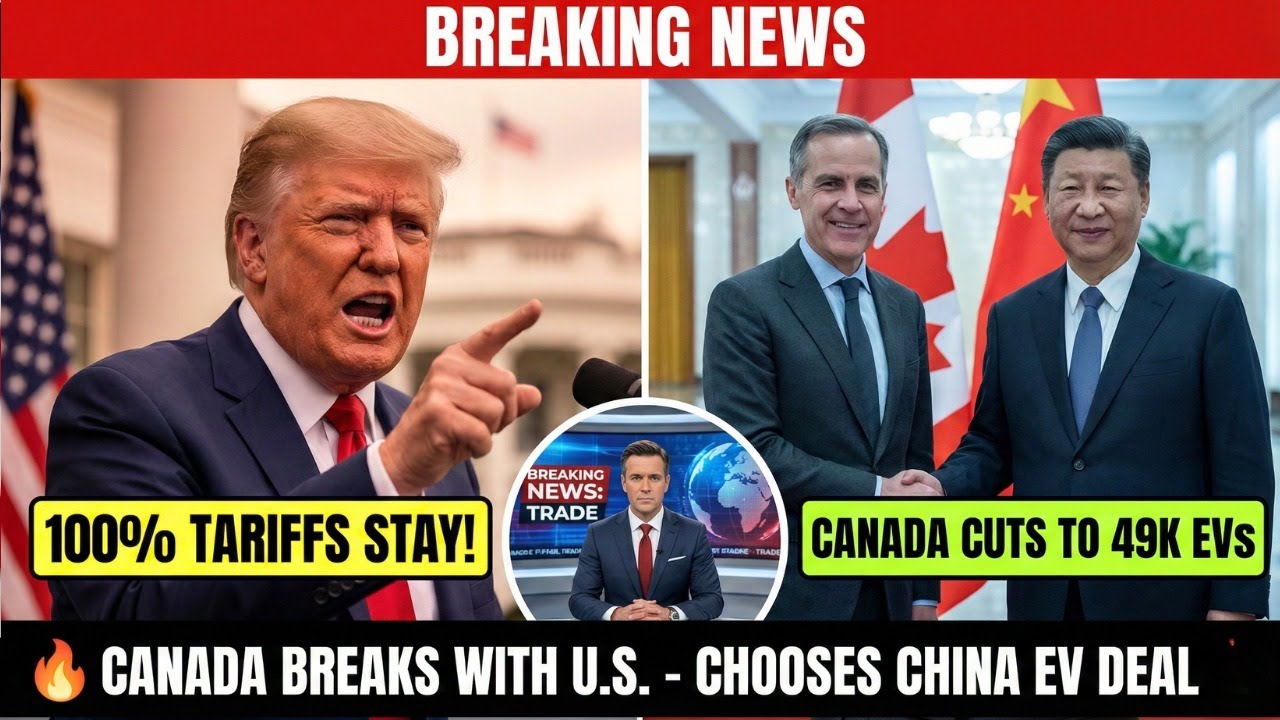
Canada Breaks With US: Cuts China EV Tariff 100% While Trump Raises to 35%
In a bold diplomatic and economic move, Canada has decisively broken ranks with the United States, cutting its 100% tariff on Chinese electric vehicles and returning to the default most-favored-nation tariff rate of 6.1%. The landmark agreement marks a significant realignment in Canada's international trade strategy.
Breaking Diplomatic Barriers
This marks the first visit to China by a Canadian prime minister since 2017, with Prime Minister Mark Carney seeking to reduce Canada's economic dependence on the United States and shield the country from Washington's tariff pressures. Carney has emphasized building an economy less reliant on the U.S. during what he calls "a time of global trade disruption".
The Details of the Deal
The agreement allows 49,000 Chinese electric vehicles into the Canadian market, representing less than three percent of the domestic auto market, with the quota expected to rise by approximately 6% annually to reach 70,000 within five years. The deal also stipulates that China will increase joint-venture investments in Canada within three years, aimed at protecting and creating new auto manufacturing jobs.
Economic Motivations
The Prime Minister is seeking bigger overseas export markets and new foreign investment to offset economic damage caused by U.S. protectionist tariffs. China is Canada's second-largest trading partner, with Canadian exports to China amounting to $30 billion and imports totaling $88.9 billion in 2024.
Reciprocal Benefits
In exchange, China will lower tariffs on Canadian canola to 15 percent by March and remove tariffs on canola meal, lobsters, crab, and peas until at least the end of 2026. The deal is expected to unlock nearly $3 billion in export orders for Canadian farmers, with additional partnerships for natural gas exports and a promise of 50 million annual metric tonnes of liquefied natural gas for Asian markets by 2030.
Potential Challenges
The move raises concerns that Canada may be putting itself at odds with President Trump's tough-on-China agenda. The biggest risk comes from the potential renegotiation of the U.S.-Mexico-Canada Agreement (USMCA), with Trump potentially threatening to pull out of the deal or punish Canada for its new trade approach.
Industry Reactions
Reactions to the deal have been mixed, with environmental and EV advocates supportive, while those in the automotive sector express concerns about investment and job losses. Clean Energy Canada sees the deal as potentially improving EV affordability and creating market competition.
Sources: CBC News, Washington Examiner, Electric Autonomy Canada
Related Articles

Apple Bolsters AI Prowess with Acquisition of Stealthy Israeli Startup Q.ai
Apple confirms the acquisition of Q.ai, an Israeli AI startup focusing on whispered speech and advanced audio, founded by PrimeSense co-founder Aviad Maizels.