Former Google Engineer Found Guilty of Stealing AI Secrets for Chinese Firm
A former Google engineer has been convicted of economic espionage and trade secrets theft for transferring confidential AI chip technology to establish a startup in China, a San Francisco jury ruled.

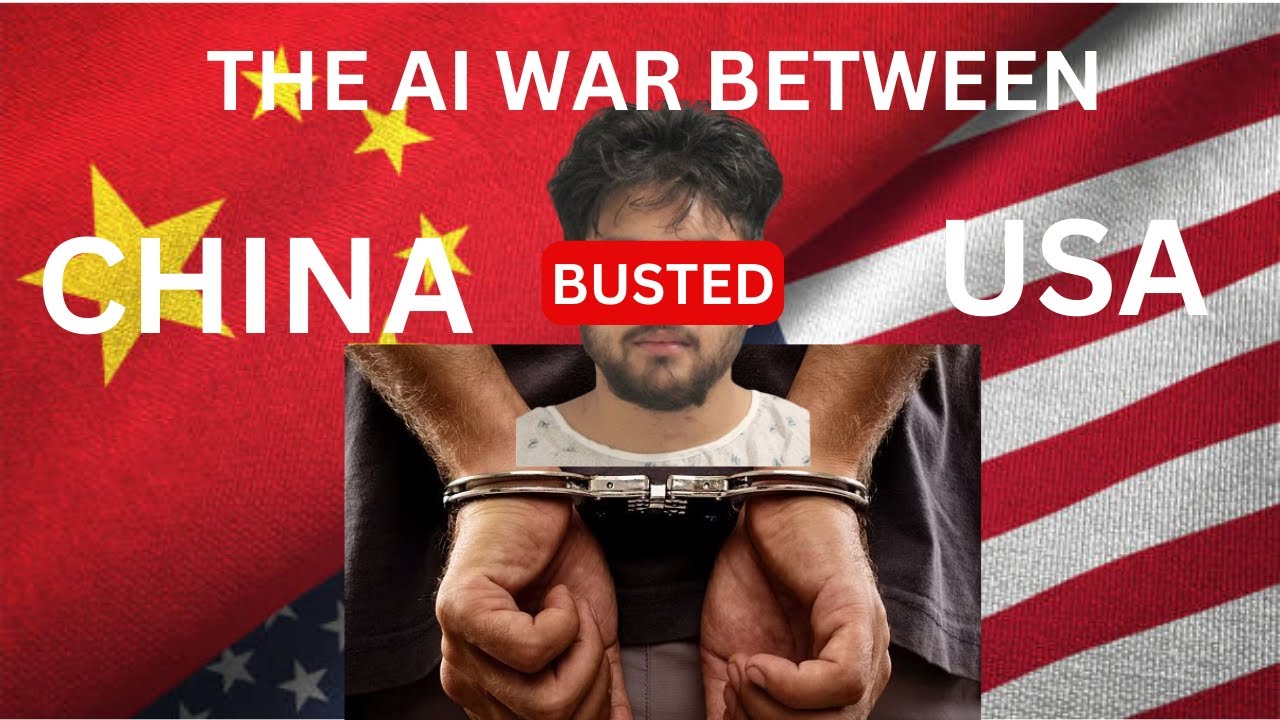
Ex-Google engineer charged with stealing AI secret
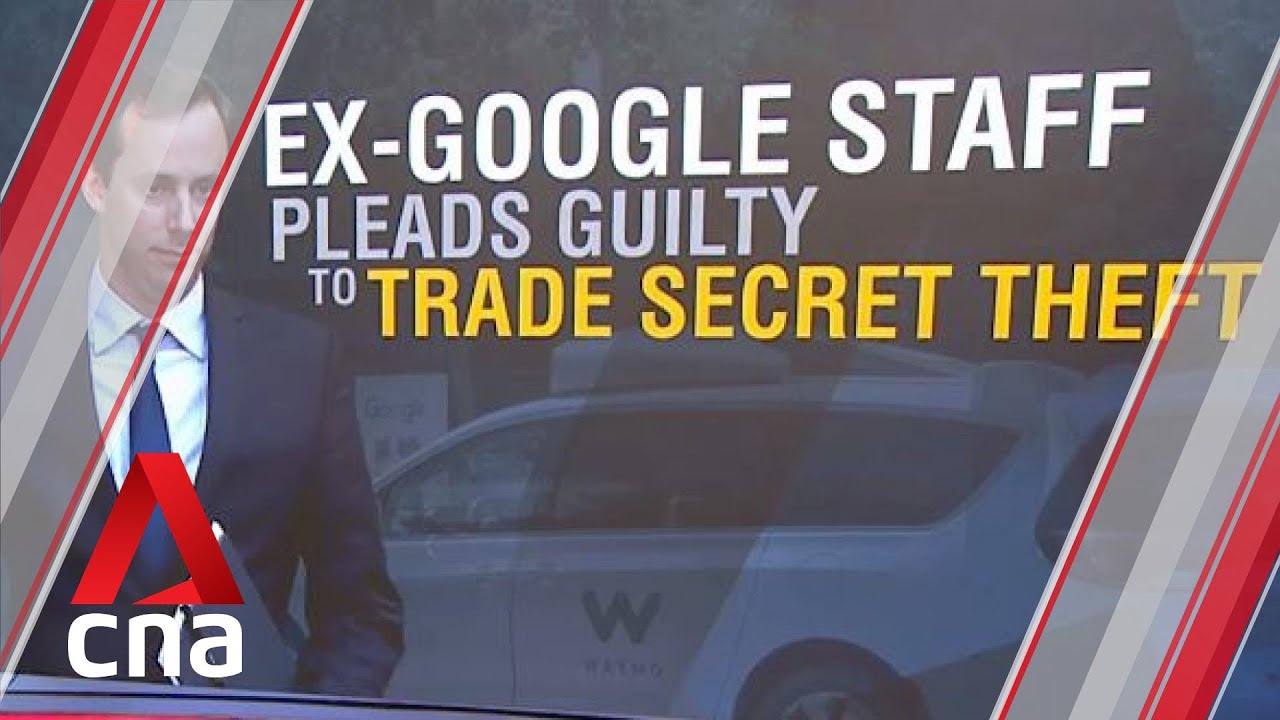
Former Google engineer to plead guilty to stealing trade secrets
Former Google engineer charged with stealing AI trade secrets for Chinese companies.
San Francisco, CA – In a landmark verdict that underscores the escalating concerns over intellectual property theft in the technology sector, a former Google engineer was convicted Thursday of economic espionage and trade secrets theft. Linwei Ding, a Chinese national previously employed by Google, was found guilty of unlawfully acquiring hundreds of the company's confidential documents related to advanced AI chip technology, with the intent of using them to establish a startup in China.
Unanimous Verdict in High-Stakes Trial
A 12-person jury in San Francisco federal court delivered a unanimous verdict, finding Ding guilty on all seven counts of trade secrets theft and all seven counts of economic espionage. The deliberation concluded swiftly after a two-and-a-half-week criminal trial in the US District Court for the Northern District of California. Federal prosecutors asserted that Ding, who began working at Google in 2019, systematically copied thousands of internal Google documents onto his Apple Notes App and subsequently uploaded them as PDFs to his personal computer. Following the verdict, Ding, 38, opted not to comment, while his attorney, Grant Fondo of Goodwin Procter LLP, acknowledged the jury's decision but voiced disagreement with the outcome, as reported by Bloomberg Law News.
Protecting American Intellectual Capital
The conviction was hailed by federal authorities as a crucial step in safeguarding American technological advancements. Craig Missakian, US Attorney for the Northern District of California, issued a press statement emphasizing the significance of the verdict. "The jury delivered a clear message today that the theft of this valuable technology will not go unpunished," Missakian stated. He further affirmed the government's commitment to "vigorously protect American intellectual capital from foreign interests that seek to gain an unfair competitive advantage while putting our national security at risk." Google's Vice President of Regulatory Affairs, Lee-Anne Mulholland, echoed this sentiment, expressing the company's gratitude to the jury "for making sure justice was served."
The Scheme: 'Stole, Cheated, and Lied'
Prosecutors detailed how Ding's actions were driven by a desire to leverage Google's proprietary knowledge for personal and national gain. The government identified 105 of the stolen documents as confidential trade secrets, containing intricate technical specifications for Google’s design, construction, and organization of specialized chips, known as Tensor Processing Units (TPUs) and Graphical Processing Units (GPUs). These chips are fundamental to creating the supercomputers necessary for training large language AI models. According to federal allegations, Ding commenced his search for job opportunities in China in May 2022, while still employed by Google. That same year, he founded Shanghai Zhisuan Technologies Co., an AI firm in China, boldly claiming to investors that his startup could replicate Google’s AI supercomputing technology and that he was one of only 10 individuals globally capable of such an feat. Assistant US Attorney Molly Priedeman encapsulated the prosecution's view during closing arguments, stating, "The defendant wanted more from himself than what his knowledge and experience could get him, so he stole, cheated, and lied."
Espionage Charges and Deceptive Tactics
Ding was initially charged with trade secrets theft in March 2024, with additional economic espionage charges brought forward in February 2025. The espionage counts specifically alleged that Ding applied to a Shanghai-based "talent" program, sponsored by the People’s Republic of China, which aims to bolster the country’s AI industry. Prosecutors further claimed that Ding employed a range of deceptive tactics to conceal his illicit activities. These included lying to an investigator about possessing Google documents on his personal computer and even enlisting a former intern to swipe his badge at Google’s offices while he was physically in China working on his startup. His elaborate scheme began to unravel in late 2023 when Google, upon discovering he had given a public presentation in China to potential investors about his startup, locked him out of the company network, as detailed in the Bloomberg Law News report.
Defense Arguments and Sentencing Implications
The defense mounted by Ding's legal team largely contested whether the documents in question met the legal definition of a trade secret, which necessitates that Google demonstrate reasonable measures were taken to protect the confidentiality. His attorneys highlighted that many of the copied documents were accessible to over 160,000 Google employees and contractors, and that the company’s confidentiality labeling system was inconsistent. Furthermore, the defense argued that prosecutors failed to prove Ding's intent to utilize the documents for the benefit of his company or China, asserting that the government was asking the jury to "speculate" about his future actions. "He never used them, he never transferred them, he never tried to sell them," Fondo contended during closing arguments. Despite these arguments, the jury found against Ding. Judge Vince Chhabria, presiding over the case, ruled that Ding was not a flight risk and could remain out of custody until his sentencing. Ding now faces a formidable potential prison sentence: up to 10 years for each trade secrets count and up to 15 years for each economic espionage count, highlighting the severe legal repercussions for such offenses.
Related Articles
Apple Bolsters AI Prowess with Acquisition of Stealthy Israeli Startup Q.ai
Apple confirms the acquisition of Q.ai, an Israeli AI startup focusing on whispered speech and advanced audio, founded by PrimeSense co-founder Aviad Maizels.