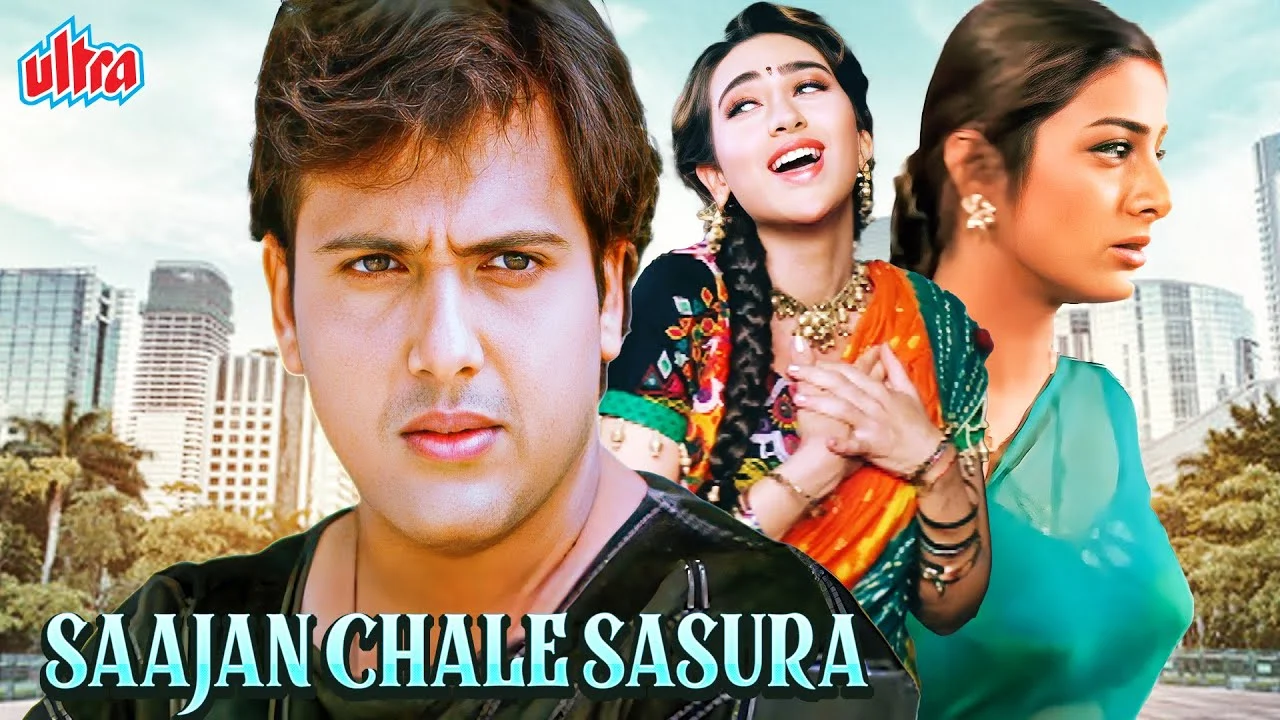
On the 30th anniversary of 'Saajan Chale Sasural', writer Rumy Jafry reveals Govinda's climax scene was shot post-completion and expresses desire for the actor's return, highlighting their enduring bond with David Dhawan.
As Bollywood’s classic comedy, Saajan Chale Sasural, celebrates its 30th anniversary, an exclusive revelation from its esteemed screenplay writer, Rumy Jafry, has shed new light on the film's enduring legacy. Jafry confirmed that one of the movie's most memorable and unique elements – protagonist Govinda's direct-to-camera, fourth-wall-breaking climax scene – was not part of the original script but was conceived and shot as a last-minute addition, long after principal photography had concluded. This insight, shared during an exclusive interview with Bollywood Hungama, not only underscores the fluid and often improvisational nature of filmmaking in that era but also highlights the creative synergy between Jafry, director David Dhawan, and star Govinda. Amidst these nostalgic reflections, Jafry also voiced a widespread sentiment within the industry and among fans: a fervent hope for Govinda’s return to the silver screen, acknowledging the magnetic appeal of the actor who once dominated the comedy genre.
The 1990s and early 2000s were defined by a particular brand of Hindi cinema, often spearheaded by the dynamic duo of director David Dhawan and actor Govinda. Their collaborations were synonymous with "laugh riots," delivering films that became cultural touchstones for a generation. Among these, Saajan Chale Sasural (1996) stands out, primarily for its unconventional narrative and Govinda's impeccable comedic timing. The film, which also starred Karisma Kapoor, Tabu, Kader Khan, Satish Kaushik, and Shakti Kapoor, told the charmingly chaotic story of Shyamsunder (Govinda), an aspiring musician from a humble background who inadvertently finds himself married to two women, Pooja (Karisma) and Divya (Tabu). This premise, a hallmark of many Dhawan-Govinda films, set the stage for hilarious misunderstandings and poignant moments. What truly set Saajan Chale Sasural apart, however, was its unique, almost anti-climactic ending. Unlike typical Bollywood narratives where the hero chooses one partner, Shyamsunder delivers a direct address to the audience, warning them about the perils of his situation and effectively leaving his marital status in an "open ending." This narrative choice, so unusual for its time, was revealed by screenwriter Rumy Jafry to Bollywood Hungama as a critical, last-minute addition, conceived after the film's initial completion, dramatically reshaping its message and impact.
Rumy Jafry's candid revelation about Saajan Chale Sasural's climax provides a fascinating glimpse into the impromptu brilliance that sometimes defines creative endeavors. During a trial screening of the film, Jafry felt a crucial element was missing: a moral or a direct message to the audience. He articulated his thought process, stating, "While watching the (trial of the) film, I felt that there should be a message in the end where he says that he has had to face such consequences despite unintentionally marrying two women, so think what would happen to you if you purposely do this." This sparked the iconic fourth-wall-breaking scene where Govinda's character, Shyamsunder, directly cautions male viewers. Jafry promptly penned the scene and approached David Dhawan, who, recognizing its potential, agreed to shoot it as "patchwork." The tell-tale signs, according to Jafry, are even visible today, noting discrepancies in Govinda's hair and location in that specific clip, affirming it was shot out of sequence. This incident not only showcases the director's open-mindedness but also the collaborative spirit that defined their partnership, a bond that transcended professional boundaries. Jafry emphasized this familial connection with David Dhawan, stating, "There is not a single day when I don’t talk to David sahab." Their relationship, which began with Saajan Chale Sasural (though Coolie No. 1 released first), has evolved into a deep personal friendship, extending to Dhawan's son, Varun Dhawan, as evidenced by Jafry’s recent birthday celebration with the Dhawan family and Pooja Hegde, as reported by Bollywood Hungama.
The story behind Saajan Chale Sasural’s climax is more than a mere production anecdote; it's a testament to the narrative ingenuity prevalent in 90s Bollywood, where creative solutions and improvisation often led to iconic moments. The decision to break the fourth wall, a technique rarely employed in mainstream Hindi cinema of the era, transformed what could have been a conventional ending into a memorable, self-aware commentary. This audacious move allowed the film to sidestep societal judgments while simultaneously delivering a humorous, albeit tongue-in-cheek, moral lesson. It speaks volumes about the creative freedom and trust shared between writers, directors, and actors like Govinda, who could deliver such a unique address with conviction and charm. This ethos significantly differs from the often more rigidly structured and globally influenced production pipelines seen in contemporary cinema. The film's continued popularity, even after three decades, underscores the timeless appeal of well-executed comedy and the power of an unexpected narrative twist. Jafry’s journey, continually fielding questions from his mother-in-law about his recurring "man-with-two-wives" theme across films like Gharwali Baharwali and Biwi No. 1, further illustrates how these thematic explorations resonated with and sometimes challenged the sensibilities of the audience and even his personal circle, all detailed in the Bollywood Hungama report. The nostalgic reflection, therefore, naturally dovetails into the persistent industry question: where is Govinda? Jafry’s heartfelt wish for Govinda’s return, mirroring a desire shared by many, speaks to the unique void left by the actor's relative absence from mainstream cinema. Govinda's brand of unadulterated entertainment, combining physical comedy, expressive dance, and emotional depth, remains largely unmatched. In an era where OTT platforms offer diverse roles for seasoned actors, the prospect of Govinda's comeback, as mooted by Jafry, presents an exciting opportunity for both the actor and his legions of fans.
The collective longing for Govinda’s return to the acting landscape is a prominent theme emerging from Jafry’s interview. As Jafry himself passionately states, "He is such a great actor from our industry. He is such a big entertainer. The public wants to see him again." This sentiment is not isolated. Govinda's distinct comedic style, effortless dancing, and ability to connect with mass audiences made him a bonafide superstar. His filmography, particularly his collaborations with David Dhawan and Rumy Jafry, cemented his status as the "King of Comedy" in Hindi cinema. While other veteran actors have successfully transitioned to OTT platforms, finding new audiences and creative challenges, Govinda's presence has been notably sporadic. Jafry, expressing a shared desire with David Dhawan, articulated a strong wish to collaborate with Govinda again, recognizing his versatility for various mediums, including digital platforms and traditional cinema. However, he also hinted at an underlying issue, stating, "But the thing is that he should do." This cryptic remark suggests that the ball might be in Govinda's court regarding his active engagement with the industry. The potential for a comeback, especially given the current landscape where content is king and nostalgia plays a significant role, could be immense. The industry has a history of celebrating comebacks, and a talent like Govinda, with his proven track record of entertaining, could undoubtedly captivate audiences once more. The conversation around his return highlights the irreplaceable impact he had and continues to have on Hindi cinema, making it a topic of keen interest for fans and industry insiders alike.
The celebration of Saajan Chale Sasural's 30th anniversary and Rumy Jafry's revelations come at a time when Bollywood is actively re-evaluating its past, often bringing back beloved figures. The call for Govinda’s return resonates with a broader trend of 90s icons finding renewed relevance, particularly on digital streaming platforms. This shift in the entertainment landscape offers mature actors more nuanced roles, moving beyond the traditional hero archetypes. For Govinda, an actor known for his energetic performances and comedic prowess, an intelligently crafted comeback, perhaps through an OTT series or a film with a compelling script, could be transformative. Such a return would not only appease his loyal fanbase but also introduce his unique talent to a new generation of viewers unfamiliar with his peak era. The candid nature of Jafry's interview, contrasting with news such as the passing of legendary singer Asha Bhosle at 92, reported by Hindustan Times, and contemporary pop culture news like KATSEYE's performance at Coachella as seen on News18, underscores the cyclical nature of fame and legacy in the entertainment world. While some stars ascend, others bid farewell, and some are eagerly awaited back. The Bollywood ecosystem, constantly evolving, remains receptive to talent. The future holds the potential for Govinda to reclaim his rightful place in the spotlight, leveraging his iconic status and unmatched ability to entertain, should he choose to fully embrace the opportunities that the current era presents.
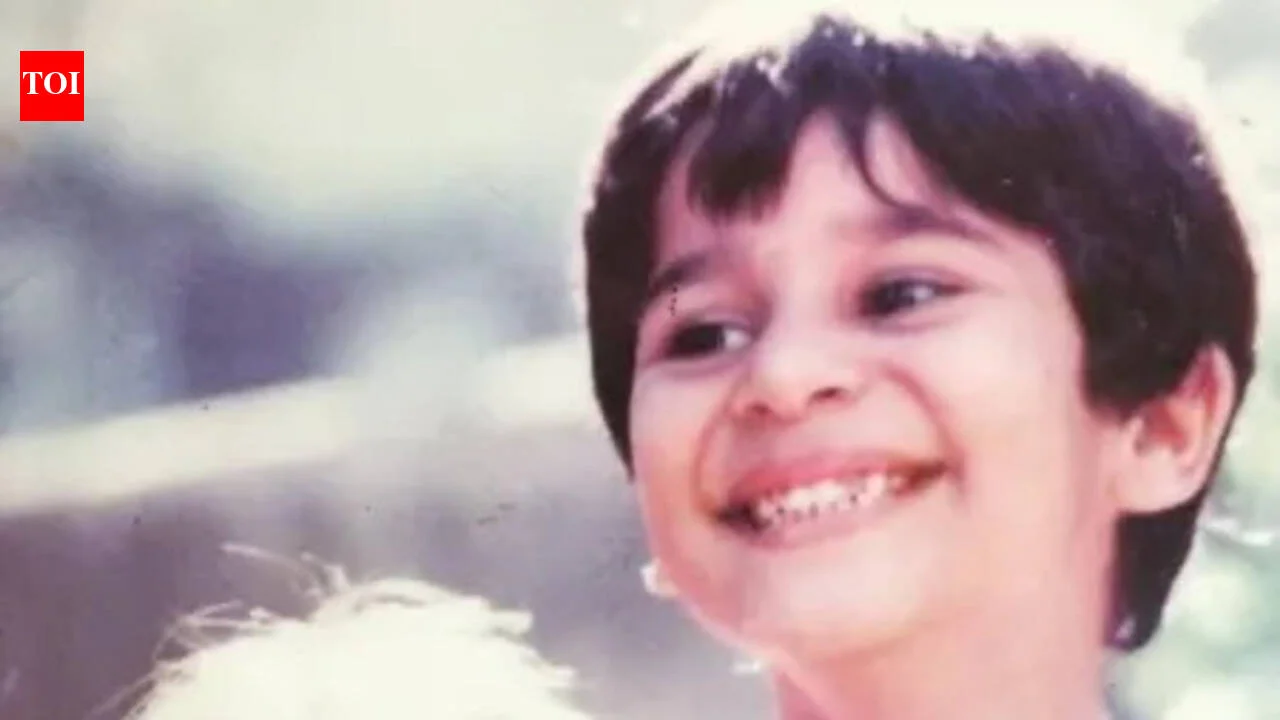
Star comedian Krushna Abhishek celebrated his sister Arti Singh's 41st birthday with a nostalgic social media post featuring childhood throwbacks and a humorous, loving message.

Salman Khan's 'Maatrubhumi,' originally 'Battle of Galwan,' has undergone major content revisions, removing all mentions of China following Ministry of Defence directives, delaying its release.
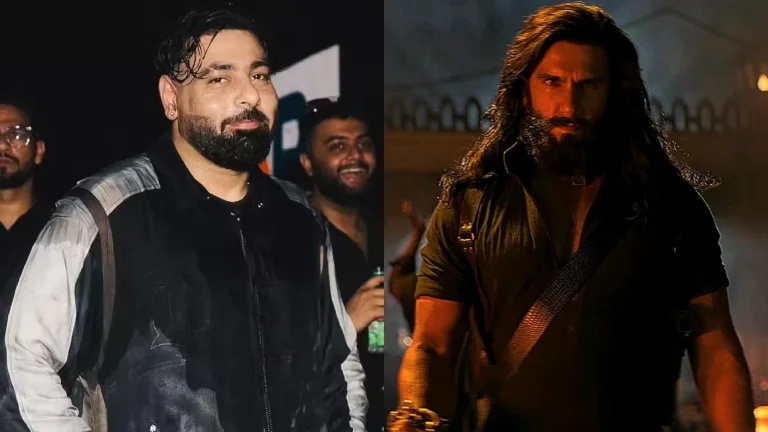
Rapper Badshah praises Aditya Dhar's 'Dhurandhar 1 & 2' as bold, experimental, and a sign of a new era in Indian filmmaking, sparking discussions on cinematic evolution.