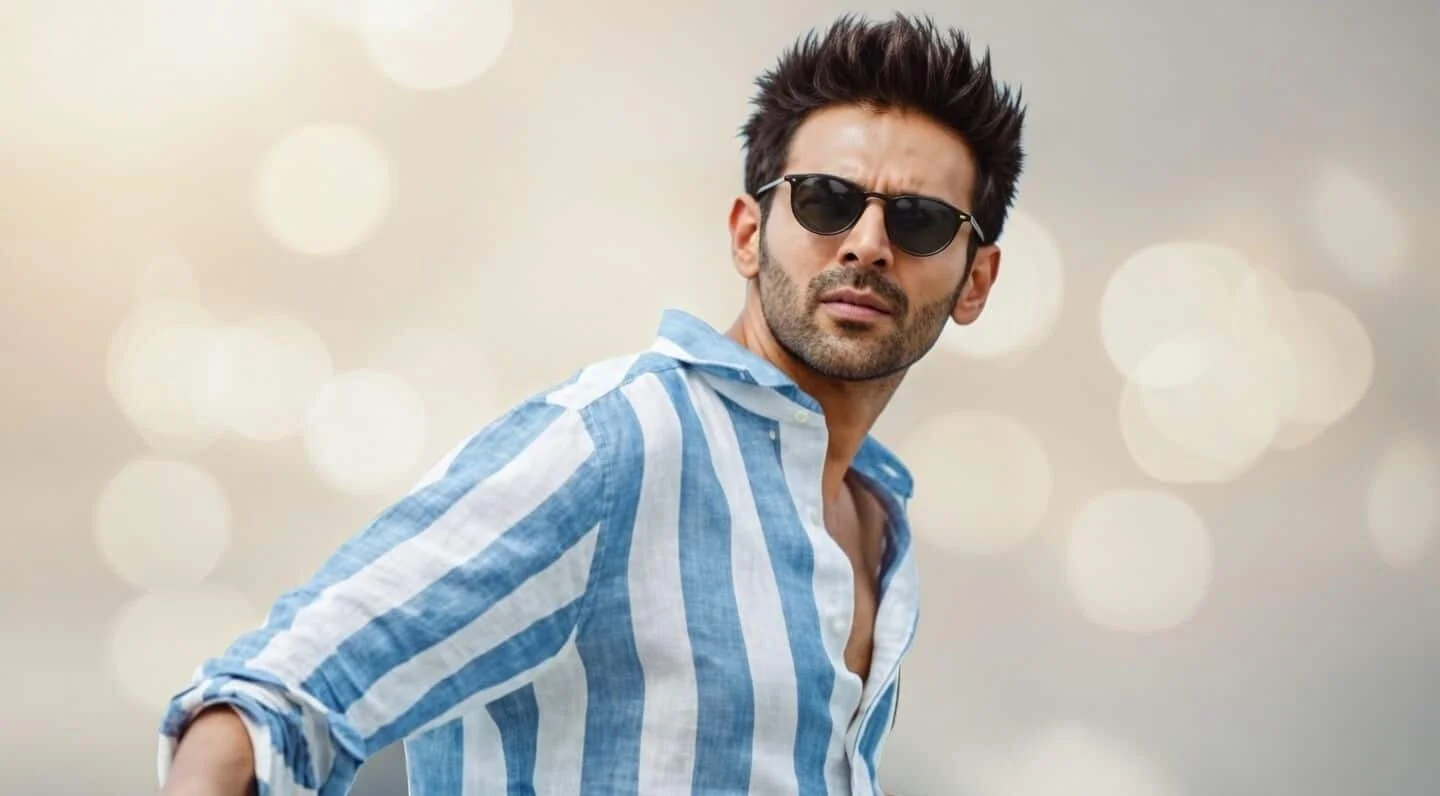
Bollywood star Kartik Aaryan has filed an intellectual property suit in the Bombay High Court to protect his name, image, and likeness from unauthorized commercial use online, including AI-generated content. This move highlights growing celebrity efforts to safeguard personality rights amid rising digital exploitation.
In a landmark move poised to reshape the discourse around celebrity personality rights in the digital age, Bollywood actor Kartik Aaryan has taken legal action, approaching the Bombay High Court to curb the unauthorized commercial exploitation of his identity across numerous online platforms. This decisive step by Aaryan, as reported by Bollywood Hungama, signals a growing urgency among public figures to safeguard their digital personas against an increasingly sophisticated landscape of misuse, including manipulated content and AI-generated material. The actor’s lawsuit targets not only specific online entities but also unnamed “John Doe” parties, reflecting the pervasive and often elusive nature of online infringement. His petition seeks a permanent injunction to prevent the use of his name, image, likeness, and other identifiable attributes in advertisements, merchandise, or digital content without consent, along with a directive for platforms to remove such material and identify those responsible. This legal challenge arrives at a time when courts in India are increasingly grappling with issues like deepfakes and fake endorsements, underscoring the critical need for clear legal precedents in an evolving digital ecosystem.
The concept of personality rights, encompassing an individual’s right to control the commercial use of their identity, has a long but complicated history, particularly in regions like India where specific legislation is still developing. While copyright protects creative works and trademark protects brands, personality rights often fall into a grey area, frequently addressed under the broader umbrellas of intellectual property, privacy, or defamation laws. Historically, celebrities have leveraged these legal avenues to prevent false endorsements or unauthorized use of their image in traditional media. However, the advent of the internet and the explosion of social media, e-commerce, and now generative AI, have amplified the challenge exponentially. What was once primarily a concern for physical advertisements or product placements has morphed into a complex battle against digital replicas, manipulated videos, and AI-generated content that can convincingly mimic a celebrity’s appearance, voice, and mannerisms. This shift has created an urgent need for legal frameworks that can keep pace with technological advancements, as unauthorized digital reproduction not only infringes on celebrities' financial rights but also poses significant risks to their public image and reputation, potentially misleading millions of fans and consumers. Kartik Aaryan’s current legal action is a direct response to this rapidly evolving threat, seeking judicial intervention to define and protect these rights in a digitally saturated world, as highlighted by Bollywood Hungama.
Kartik Aaryan's lawsuit, filed in the Bombay High Court, represents a significant escalation in the ongoing struggle between public figures and the digital entities exploiting their personas. The core of Aaryan's complaint, detailed by Bollywood Hungama, is the unauthorized commercial use of his name, image, likeness, and other identifying attributes. This isn't merely about static images; his plea explicitly raises concerns about emerging digital formats, including "manipulated content and AI-generated material." This particular emphasis demonstrates acute awareness of the cutting-edge threats posed by artificial intelligence, which can create highly realistic yet entirely fabricated representations of individuals. By targeting "John Doe" parties in addition to specific online platforms, Aaryan's legal team is acknowledging the often anonymous and elusive nature of online infringers, seeking a broad scope of protection that can adapt to new offenders as they emerge. The requested remedies are comprehensive: a permanent injunction against unauthorized usage in advertisements, merchandise, or digital content, and a court order directing platforms to take down infringing material and disclose the identities of those responsible. This legal battle is not isolated; it is part of a broader trend. Recent months have seen Indian courts address similar concerns, particularly in cases involving deepfakes, fake endorsements, and unauthorized digital reproductions, suggesting a judiciary increasingly attuned to these modern challenges. While the details of Aaryan's case are specific to his situation, the outcome could set crucial precedents for how personality rights are protected in India, influencing how other Bollywood stars, both established and emerging, might approach similar issues in their careers. For instance, while other actors like Ranbir Kapoor, Vicky Kaushal, and Rajkummar Rao are busy with their upcoming projects such as ‘Love and War’ and ‘Raftaar,’ as mentioned by News18, their focus is currently on their craft; however, the legal developments around identity protection could eventually benefit them and the entire industry. The case underscores a critical shift where celebrity protection extends beyond physical security to encompass their digital presence and identity.
Kartik Aaryan's legal initiative is more than just a celebrity protecting his brand; it represents a critical turning point for the entire entertainment industry and raises significant questions about digital ethics, consumer protection, and the evolving nature of identity in an AI-driven world. For celebrities, the outcome of this case could establish clearer guidelines and stronger legal recourse against the rampant misuse of their identity, offering a much-needed shield against deepfakes and fraudulent endorsements that can severely damage their reputation and livelihood. It could encourage other public figures to pursue similar legal avenues, leading to a wave of litigations that collectively shape the legal framework for personality rights. For the platforms themselves, a successful injunction could impose greater responsibility, forcing them to implement more robust mechanisms for content moderation, identity verification, and swift takedowns of infringing material. This might require heavy investment in AI detection tools and increased compliance teams, impacting their operational costs and service delivery. More broadly, the case highlights consumer vulnerability. Unauthorized use of celebrity images, especially in misleading advertisements or endorsements, directly deceives the public, selling products or promoting services under false pretenses. The legal pursuit of "John Doe" parties is particularly significant here, as it aims to uncover the shadowy networks that profit from such deception. In a world where films like Ranveer Singh’s ‘Dhurandhar 2’ can rake in massive box office numbers, approaching Rs 1,650 crore worldwide, as reported by The Times of India, the commercial stakes tied to a celebrity's image and endorsement power are astronomical. Protecting that image from dilution and fraudulent association becomes paramount, not just for the celebrity but for maintaining integrity in commercial messaging. This legal battle could solidify personality rights as an indispensable component of intellectual property in the digital age, much like copyright and trademark.
The methods of online identity misuse have become increasingly sophisticated, making Kartik Aaryan's legal challenge both timely and imperative. Beyond simple unauthorized use of photographs for promotional purposes, the lawsuit specifically addresses "manipulated content and AI-generated material," as described by Bollywood Hungama. This refers to a spectrum of digital forgeries, from relatively simple photoshopping to complex deepfakes. Deepfakes, created using artificial intelligence, can superimpose a celebrity's face onto another body or generate entirely synthetic videos where they appear to say or do things they never did. This technology poses an unprecedented threat to reputation, privacy, and even national security, demonstrating the urgent need for a robust legal framework. Similarly, AI-generated voices can be used for fake endorsements or phishing scams, further eroding trust and causing financial harm. The concept of "publicity rights," often intertwined with personality rights, states that individuals have the right to control the commercial use of their identity. When such rights are violated, especially through deceptive AI-generated content, it not only impacts the celebrity's earnings potential but also misleads the public, who might genuinely believe they are interacting with or receiving information directly from the star. The legal remedies sought by Aaryan—a permanent injunction, takedown orders, and disclosure of infringer details—are standard in intellectual property disputes but take on heightened importance in the digital realm, where content spreads rapidly and anonymity is easily maintained. The ability to compel platforms to reveal the identities of those behind the misuse is crucial for holding perpetrators accountable and deterring future infringements. As the entertainment industry continues to evolve, with stars like Ranbir Kapoor and Vicky Kaushal working on major productions such as Sanjay Leela Bhansali's 'Love and War' and Rajkummar Rao preparing for a biopic on Sourav Ganguly, as reported by News18, the commercial value of their image and persona only grows, making the protection of these assets a paramount concern for not just individual artists but for the stability and integrity of the entire industry.
The impending hearing of Kartik Aaryan's case in the Bombay High Court marks a critical juncture for digital identity protection in India. The outcome could establish a significant precedent, shaping how personality rights are interpreted and enforced in an era increasingly defined by artificial intelligence and pervasive online presence. Should the court grant urgent relief and a permanent injunction, it would send a strong message to individuals and entities commercially exploiting celebrity identities without consent, potentially deterring future infringements. This could encourage other Indian celebrities, and even public figures beyond the entertainment industry, to pursue similar legal avenues to protect their digital personas. Furthermore, the case's focus on AI-generated content places it at the forefront of global legal challenges surrounding deepfakes and synthetic media. A favorable ruling for Aaryan could catalyze legislative efforts to explicitly define and protect digital publicity rights. For online platforms, this could necessitate a re-evaluation of their user policies and content moderation strategies, potentially leading to more stringent checks and faster takedown procedures for infringing material. Ultimately, this legal battle is about establishing a clear boundary between genuine fan engagement and exploitative commercial use, safeguarding not only the rights of individuals but also ensuring transparency and trust in the digital marketplace.
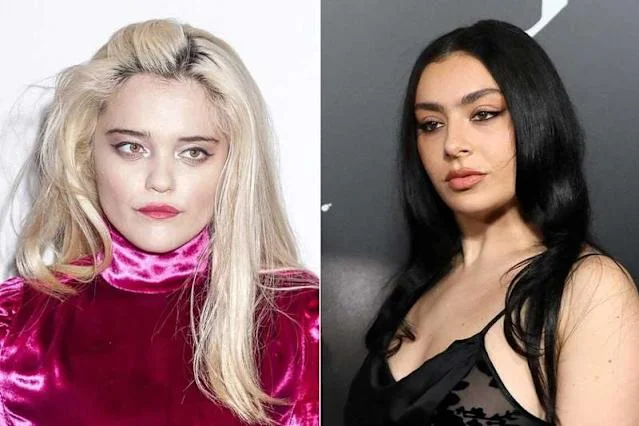
Charli XCX's management issues a comprehensive statement refuting Sky Ferreira's allegations of uncredited demo usage on the 'Wuthering Heights' album, detailing a rigorous credit review process.
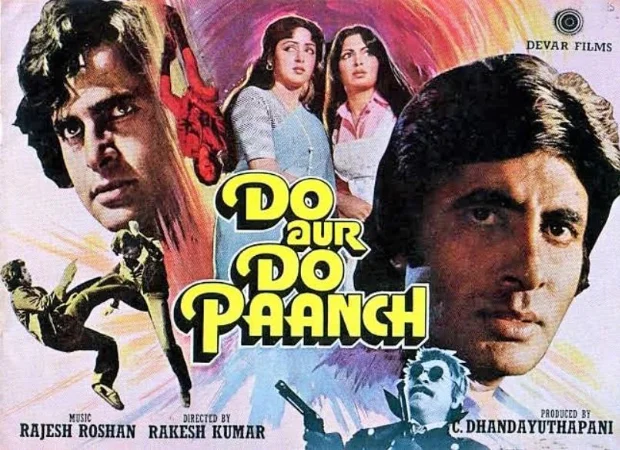
Soham Rockstar Entertainment asserts full rights over the 1980 film 'Do Aur Do Paanch', issuing a public notice against any unauthorized remake, sequel, or adaptation, stirring industry debate.
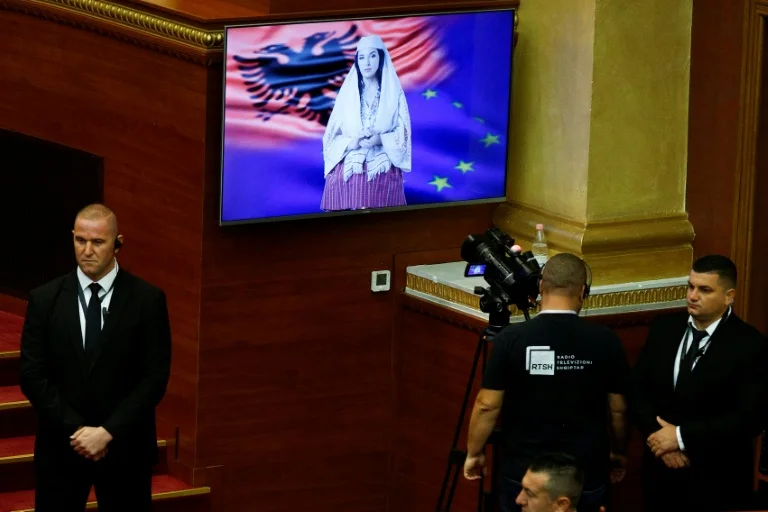
An Albanian actor has filed a lawsuit against her government for using her image and voice to create an "AI minister" without full consent, raising critical questions about digital rights and ethical AI usage.