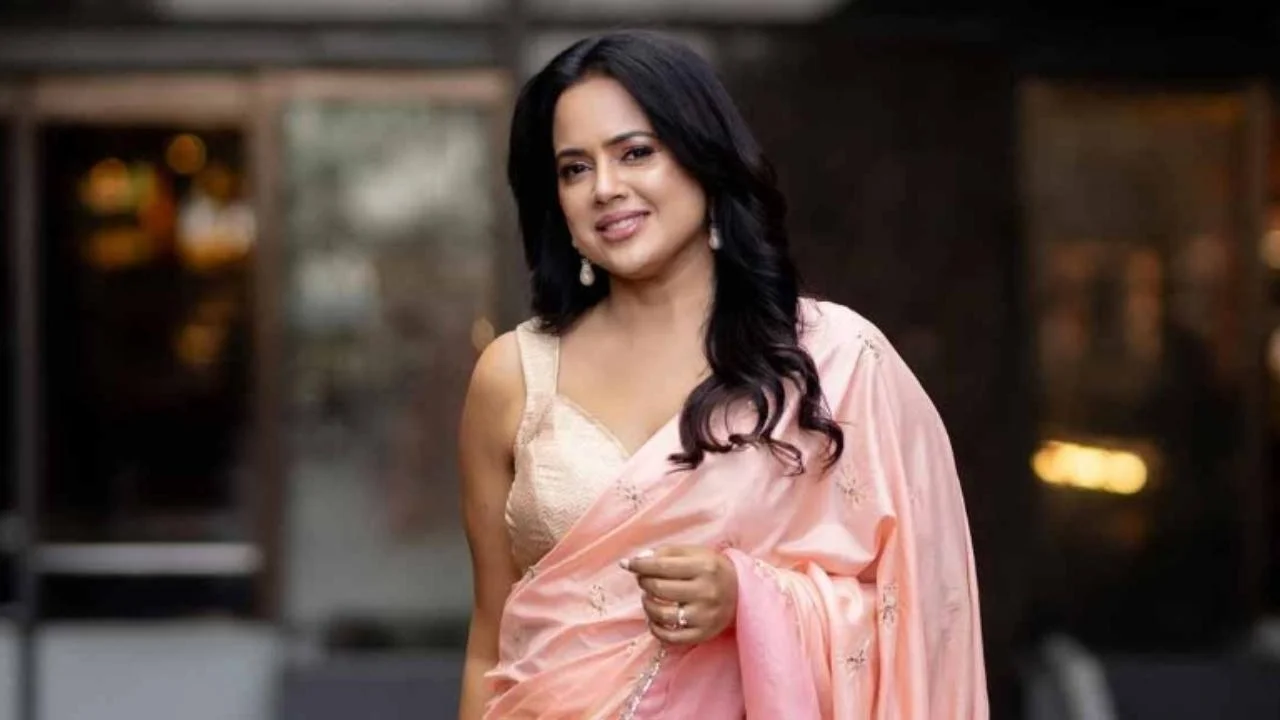
Veteran actress Sameera Reddy has ignited a critical conversation within Bollywood, publicly calling out the industry's deeply entrenched toxic beauty standards. In a frank and revealing interview, Reddy disclosed that she was routinely compelled to apply body makeup to achieve a fairer complexion and constantly battling the feeling of "never being slim enough." Her powerful testimony sheds light on the immense pressure placed on female actors to conform to narrow, often unattainable, aesthetic ideals, a struggle she has since transformed into a platform for empowerment and self-acceptance. This comes as other prominent female voices like Rani Mukerji celebrate women's increasing refusal to be silenced, highlighting a slow but significant shift in the industry's power dynamics and discourse around female agency.
The Pervasive Cult of Fair Skin and Slimness
Sameera Reddy’s recent revelations peeled back the curtain on a deeply ingrained aspect of Bollywood's beauty narrative: the pervasive and often discriminatory obsession with fair skin and a specific body type. Recalling her early career days, Reddy stated, "As an actor, as a woman, I always felt I had to be fairer. For some strange reason, everybody was always putting fairer makeup on me. So I had to do body makeup also, and that really bothered me." This isn't an isolated incident but rather a systemic issue, where lighter skin is disproportionately celebrated and actively promoted, often at the expense of natural complexions. Beyond skin tone, Reddy also faced constant scrutiny over her physique, adding, "I was always made to feel I was never slim enough. I’m a very tall girl, so I was made to feel I was too tall and too big." This relentless focus on external appearance over talent, she notes, became her "narrative as an actor," a narrative she now regrets allowing to dictate her self-worth. Her candid account, reported by The Times of India, underscores the historical and persistent pressure on women in the entertainment industry to conform to highly specific and often unrealistic aesthetic standards. This problematic ideal not only affects actresses but also sends damaging messages to audiences about beauty, worth, and representation.
From Industry Conformity to "Messy Mama" Empowerment
Reddy’s journey is not just a critique of Bollywood's past but also a powerful testament to her evolution. The actress, who was last seen in the Kannada film 'Varadhanayaka,' has consciously pivoted her focus from traditional acting roles to advocacy and community building. Her struggles with body image were compounded by her experiences with postpartum weight gain and the emotional challenges that followed motherhood. "I had postpartum weight gain, and I felt so alone and lonely. I felt judged, and my self-esteem took a big hit," she shared with The Times of India. This personal ordeal became the catalyst for creating her supportive online community, 'Messy Mama.' This platform directly addresses topics previously considered taboo, such as mental health, body positivity, and the unfiltered realities of motherhood. Reddy’s commitment to authenticity even extended to her comeback, where she faced criticism for her physical changes. Undeterred, she embraced it as an opportunity to carve out her own narrative: "I took that not as a challenge but as, 'Okay, I’m going to build my own space. If you like it, stay. If you don’t, please leave.'" This defiant stance highlights a growing trend among female celebrities who are leveraging their platforms to redefine success and beauty on their own terms, contrasting sharply with the industry's often rigid demands exemplified by male counterparts like Ranbir Kapoor, whose appearance is meticulously managed for film roles, as observed by Bollywood Hungama regarding his 'Love & War' transformation.
The Broader Landscape of Women's Evolving Role in Bollywood
Sameera Reddy’s story resonates within a broader shift in Bollywood where female voices are increasingly challenging long-held industry norms. Her candid discussions about internalised beauty standards and postpartum struggles are part of a growing movement towards greater transparency and authenticity among women in the public eye. This movement is echoed by other seasoned actresses like Rani Mukerji, who, with three decades in cinema, emphasizes that "Today, women are not willing to be silenced," as reported by The Times of India. Mukerji, too, has championed roles that empower women, showcasing strength, resilience, and agency, often defying initial industry criticisms about her distinctive voice. Both actresses, in their different but equally impactful ways, demonstrate a refusal to be "boxed in by industry stereotypes." While Reddy tackles the insidious nature of beauty norms on a personal and community level, Mukerji has consistently used her film choices to shape narratives around women's portrayal, demonstrating that collective and individual action contributes to a more inclusive and progressive industry.
Analysis: The Systemic Roots of Bollywood's Beauty Obsession
Sameera Reddy's experiences are not just personal anecdotes; they are symptoms of deeply ingrained systemic issues within Bollywood that reflect broader societal biases. The obsession with fair skin, often termed 'colorism,' has historical roots in India, linked to colonial legacies and caste hierarchies that equate lighter skin with higher status and beauty. Bollywood, as a powerful cultural mirror and influencer, has unfortunately often perpetuated rather than challenged these biases. The relentless pursuit of a "slim" figure, despite varying natural body types, is another facet of this toxic environment, pushing often unrealistic and unhealthy ideals. This fixation significantly impacts actresses, leading to body dysmorphia, eating disorders, and a constant erosion of self-worth, diverting their focus from their craft to their appearance. The industry's aesthetic demands also create a ripple effect, influencing audiences and contributing to self-esteem issues among young women who aspire to these unattainable standards. While there's a growing awareness and some pushback from individuals like Reddy and Mukerji, the commercial success heavily dependent on these conventional beauty tropes makes systemic change slow and challenging. The industry faces an uphill battle to dismantle these deeply embedded norms, requiring a shift in casting, storytelling, and ultimately, a redefinition of what "heroine" truly means in a diverse society.
The Power of Authenticity and Community in the Digital Age
Sameera Reddy’s pivot from a mainstream actress navigating rigid industry norms to a 'Messy Mama' championing authenticity underscores the transformative power of social media and community building. In an industry where curated perfection has long been the gold standard, Reddy's willingness to share her postpartum struggles, grey hair, and weight gain – all things she was told would dim her professional prospects – directly challenges those antiquated ideals. Her 'Messy Mama' community thrives on vulnerability and shared experiences, creating a safe space for women to connect over real-life challenges, from mental health to modern parenting. This digital activism is particularly potent because it offers an alternative to the often isolated and competitive environment of traditional celebrity. Instead of succumbing to online trolling, which she admits initially bothered her, Reddy has learned to neutralize it, finding strength in her community. As she wisely put it, "Now trolling doesn’t bother me. In fact, it’s very rare on my page because my community of women is very safe and real." This move not only solidifies her newfound identity but also provides an invaluable model for how public figures can redefine their engagement, prioritizing genuine connection and impact over manufactured perfection, contrasting with the often superficial focus on celebrity accessories like Ranbir Kapoor's expensive watch, as highlighted by Bollywood Hungama.
Looking Ahead: Shifting Narratives and Redefining Beauty
The candidness of figures like Sameera Reddy marks a crucial turning point. Their willingness to expose Bollywood's toxic beauty norms pushes for a much-needed re-evaluation of what is considered beautiful and valuable in the industry. As more actresses and public figures embrace authenticity and challenge colorism and body shaming, future generations of performers and audiences alike may benefit from a more inclusive and realistic portrayal of beauty. The success of online communities like 'Messy Mama' also suggests a growing demand for genuine connection and shared experience over the glossy, often misleading, facade of celebrity. While the industry still has a long way to go, these voices are instrumental in slowly chipping away at deeply entrenched biases, paving the way for narratives that celebrate talent, diversity, and individual identity over superficial standards. The conversation, once silenced, is now loud and clear, and its momentum promises continued critical dialogue and hopefully, meaningful change.