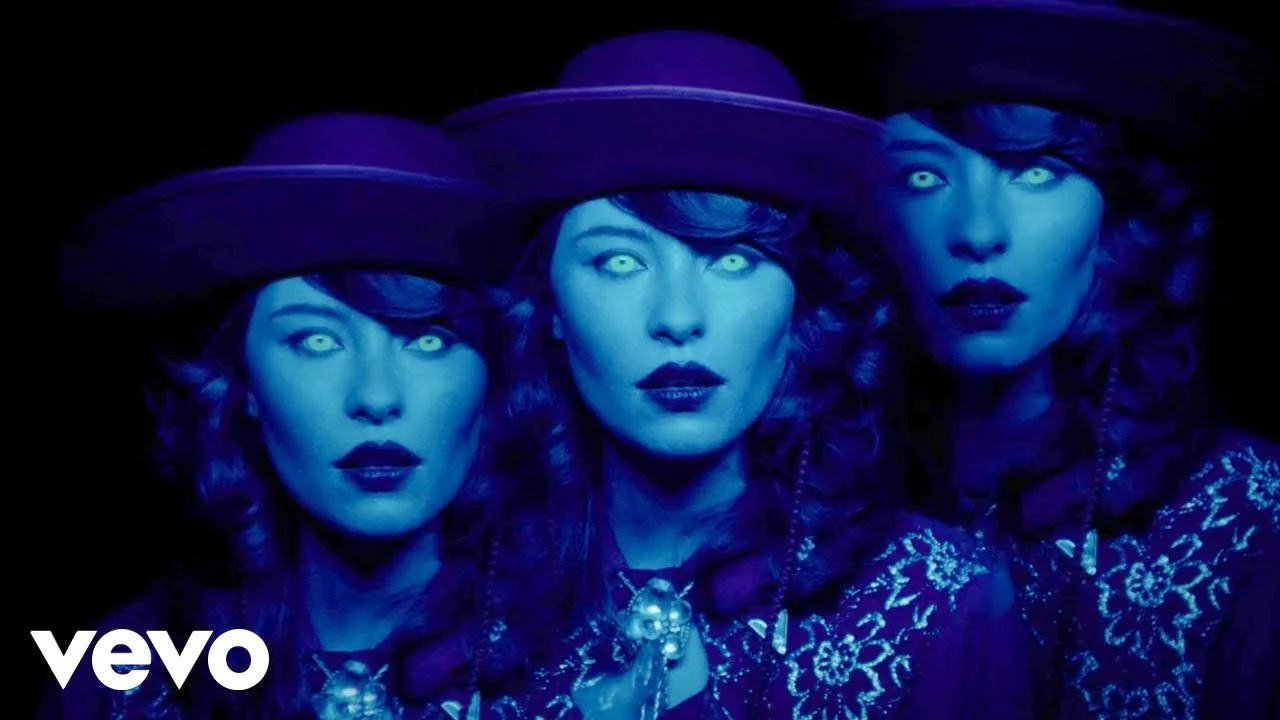
August Ponthier's debut album, "Everywhere Isn't Texas," is heralded as the reinvention album of 2026, offering a deeply personal exploration of self-discovery and navigating the complexities of the modern music industry.
In a music landscape increasingly defined by artificial intelligence and fleeting trends, a distinctive new voice has emerged, offering a profound commentary on self-discovery and the trials of artistic endeavor. August Ponthier, a 29-year-old Brooklyn artist originally hailing from the Dallas suburbs, has captivated critics and audiences alike with their debut album, "Everywhere Isn't Texas." Hailed as the "reinvention album of 2026," Ponthier's offering is a meticulously crafted journey through personal evolution, reflecting not just the artist's own experiences, but resonating with a generation grappling with identity and belonging. The album arrives after a challenging yet formative period for Ponthier, marked by social media cultivation, multiple EPs, and a notable stint opening for industry giants, culminating in a major label deal that ultimately dissolved before the album's release. This backdrop of industry turbulence only amplifies the poignant authenticity of their sound.
The path for a new artist to achieve sustained success in the contemporary music industry is fraught with unprecedented challenges. Beyond the struggle to create compelling music, artists must contend with an environment where "bland megastars continue to enthrall the masses, generative AI threatens to whittle humanity entirely out of the art and the competition for attention increases," as noted by WBHM 90.3. This surreality is intimately familiar to Ponthier, who built a foundational career through scrappy social media engagement and a series of introductory EPs. Their breakthrough single, "Cowboy," released in 2021, came during their tenure with a major label, Interscope records. However, Ponthier faced the harsh reality of the industry when they were subsequently dropped before their debut album could even see the light of day. This setback, described by Ponthier to Variety as "kicking and screaming with my claws in," shaped the narrative and thematic depth of "Everywhere Isn't Texas," turning a professional challenge into a profound artistic statement. This experience underlines a broader trend of artists facing immense pressure and precarious career paths, even after initial success, forcing a pivot towards self-sufficiency and raw, unfiltered expression.
"Everywhere Isn't Texas" is more than just a collection of songs; it’s an "opus to the wonders of self-discovery and reinvention," a phrase aptly used by WBHM 90.3 to describe Ponthier's fully realized debut. The album’s opening track, "World Famous," immediately sets a whimsical, almost fantastical tone, with Ponthier dreaming of superstardom in a "multiverse away," mingling with figures like Elvira and Vincent Price. This imaginative escapism cleverly underscores the artist's existential query about their place in the world, both personally and professionally. Unlike many artists who, at the first brush of fame, channel industry frustrations into their music with alienating results, Ponthier's existentialism on "Everywhere Isn't Texas" transcends their immediate career struggles. It delves into broader themes of young adulthood, gendered expectations, restrictive upbringings, and the liberating freedom found in new environments like New York.
Ponthier has a history of crafting hits around the theme of being an outsider. "Cowboy" explored the inability to shed one’s inner Southerner despite leaving home, and "Faking My Own Death" spoke to the constant state of flux and the impending threat of radical change. However, "Everywhere Isn't Texas" elevates this introspection to a new level. The title track, "You don’t have to stay in this state, alone," serves as the album's thesis, symbolizing Ponthier's breaking free from the societal and personal confines of their hometown and shedding isolating prescriptions. This message resonates particularly deeply with the artist's personal journey, as Ponthier came out as non-binary just before the album's finalization, adding another layer of authenticity to their exploration of identity. On "Ribbons & Taxes," Ponthier muses about the elusive feeling of being a "grown-up," juxtaposing adult responsibilities with a lingering sense of youth, a sentiment that speaks to a generation navigating changing life expectations. The jangle pop of "Betty" further reinforces this narrative of self-acceptance, featuring Ponthier joyously reconnecting with a former classmate who also hid their true self, culminating in the liberating refrain, "Let’s be who we were already!" These narratives of breaking free and embracing one's true self are potent, offering a beacon of hope and relatability in a diverse music landscape. While Ponthiar’s distinct country-pop sound carves its own niche, the broader music industry also sees other artists, like Vera Ellen, embracing personal narratives and "unconventionality" in their art, as highlighted by Ellen’s new album "Heaven Knows What Time," which aims to "embrace the chaos that comes with being a self-sustained artist in today’s constantly driving culture," according to Rolling Stone Australia. This parallel indicates a growing movement of artists prioritizing genuine expression and personal journeys.
Ponthier's "Everywhere Isn't Texas" arrives at a fascinating juncture in music and culture. The album's strong embrace of self-discovery and reinvention, particularly from a non-binary artist grappling with identity, is a powerful statement. In a world increasingly saturated with curated online personas, Ponthier's raw, diaristic songwriting offers an antidote. This authenticity, combined with a relatable narrative of overcoming societal and personal constraints, is likely a key factor in its critical acclaim. The challenges Ponthier faced in the major label system — being signed and then dropped before their debut — speaks volumes about the shifting priorities of large record companies, which often favor immediate, algorithm-driven success over long-term artistic development. Ponthier's ability to not only survive but thrive creatively after such a setback provides a blueprint for independent artists. They demonstrate that profound artistic expression can emerge from adversity, echoing similar resilience seen in independent artists who build creative spaces like George Varghese, who founded Verge Studios to support artists "not limited by resources," and Spotlight Studio to help them "step into the spotlight," as detailed by 24-7 Press Release Newswire. The album also signals a growing hunger for music that is not just catchy, but meaningful, that allows listeners to feel less alone in their own battles, a quality praised in Vera Ellen's previous work, "Ideal Home Noise." Ponthier's unique blend of country-pop, infused with indie rock melancholia and highly personal lyricism, creates a fusion that feels both fresh and deeply resonant, establishing them as an artist to watch not just for their music, but for their cultural impact.
While comparisons to contemporaries like Sabrina Carpenter and Chappell Roan are tempting, particularly given Ponthier's "flashier visuals" and "latent, funny songwriting streak" as described by WBHM 90.3, "Everywhere Isn't Texas" maintains a deeply interior focus. Ponthier's visuals, such as dressing as a neon green alien on social media or their gender-bending comparison to "young Hollywood hunks like Timothée Chalamet and Jacob Elordi" in "Handsome," provide an engaging outer layer, but the core of the album remains firmly rooted in their personal experiences. The artist collaborated with significant figures in pop songwriting, including Amy Allen (who works with Sabrina Carpenter) and veteran Dan Wilson (co-writer for Adele and The Chicks), yet the album "stays grounded in Ponthier’s experiences, and doesn’t wear its country streak like caricature." The writing style is a compelling hybrid, situated between the "highly diaristic roots of Taylor Swift’s early catalog and Phoebe Bridgers’ indie rock melancholia," evident in the "crackling, layered vocals of 'Angry Man'." This nuanced blend allows Ponthier to transform deeply personal revelations into universal anthems of self-acceptance. The subtle gift of "Everywhere Isn't Texas" lies in its ability to remind listeners that "it’s never too late to veer off the expected course dictated by your tiny hometown or your family." These are not songs of escape, but rather "confident tales from the other side," underscoring the liberating sentiment found in "Ribbons & Taxes": "It’s baby’s first time living, and you don’t get to practice." This sentiment perfectly encapsulates the album’s message of embracing life's journey with all its uncertainties and transformative moments.
Beyond Ponthier’s immediate impact, the broader industry is witnessing a consistent celebration of artists who embody unique vision and resilience. Vera Ellen, fresh off her 2024 Taite Music Prize for "Ideal Home Noise," is set to release her new album, "Heaven Knows What Time," which also emphasizes embracing chaos and vulnerability. Her lead single, "Gayfever," is described as an anthem of joy, dedicated to an infatuating person – a theme that resonates with Ponthier's own explorations of identity and connections. Similarly, the work of George Varghese, honored by Marquis Who's Who for his creative leadership, underscores the importance of fostering environments where artists can bring their unique visions to life. His Verge Studios and Spotlight Studio have empowered hundreds of artists, many of whom have achieved significant milestones, including Grammy nominations. These examples collectively highlight a move towards recognizing and supporting artists who offer authentic, personal narratives and demonstrate tenacity in navigating an ever-evolving cultural and technological landscape.
As "Everywhere Isn't Texas" gains traction throughout 2026, the implications for August Ponthier and the wider music industry are significant. The album's critical reception positions Ponthier as a vital new voice, particularly within the country-pop and indie scenes, and offers a compelling counter-narrative to the prevailing trends of blandness and AI-generated content. Their journey, from independent social media artist to major label deal and back to an independent release, provides a powerful testament to artistic resilience. What remains to be seen is how this momentum will translate into long-term commercial success and how Ponthier will continue to evolve their sound and message. For listeners, "Everywhere Isn't Texas" promises to be an enduring soundtrack for personal growth, a reminder that it's always possible to rewrite your story, regardless of the challenges along the way.
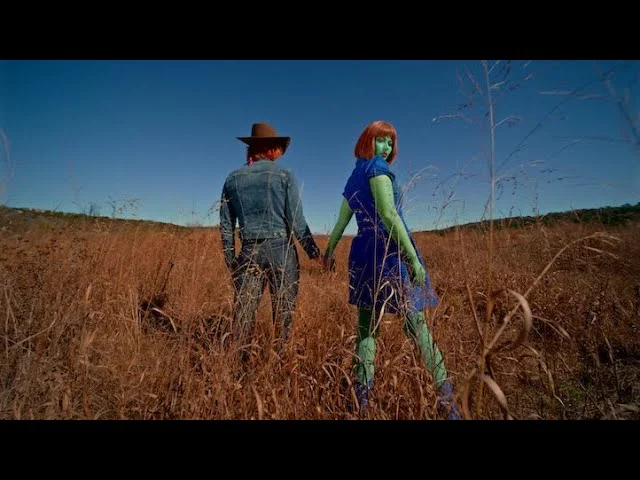
Nonbinary artist August Ponthier's debut album "Everywhere Isn't Texas" explores complex feelings about their home state, offering a powerful, nuanced narrative for queer individuals who choose to remain in challenging environments.