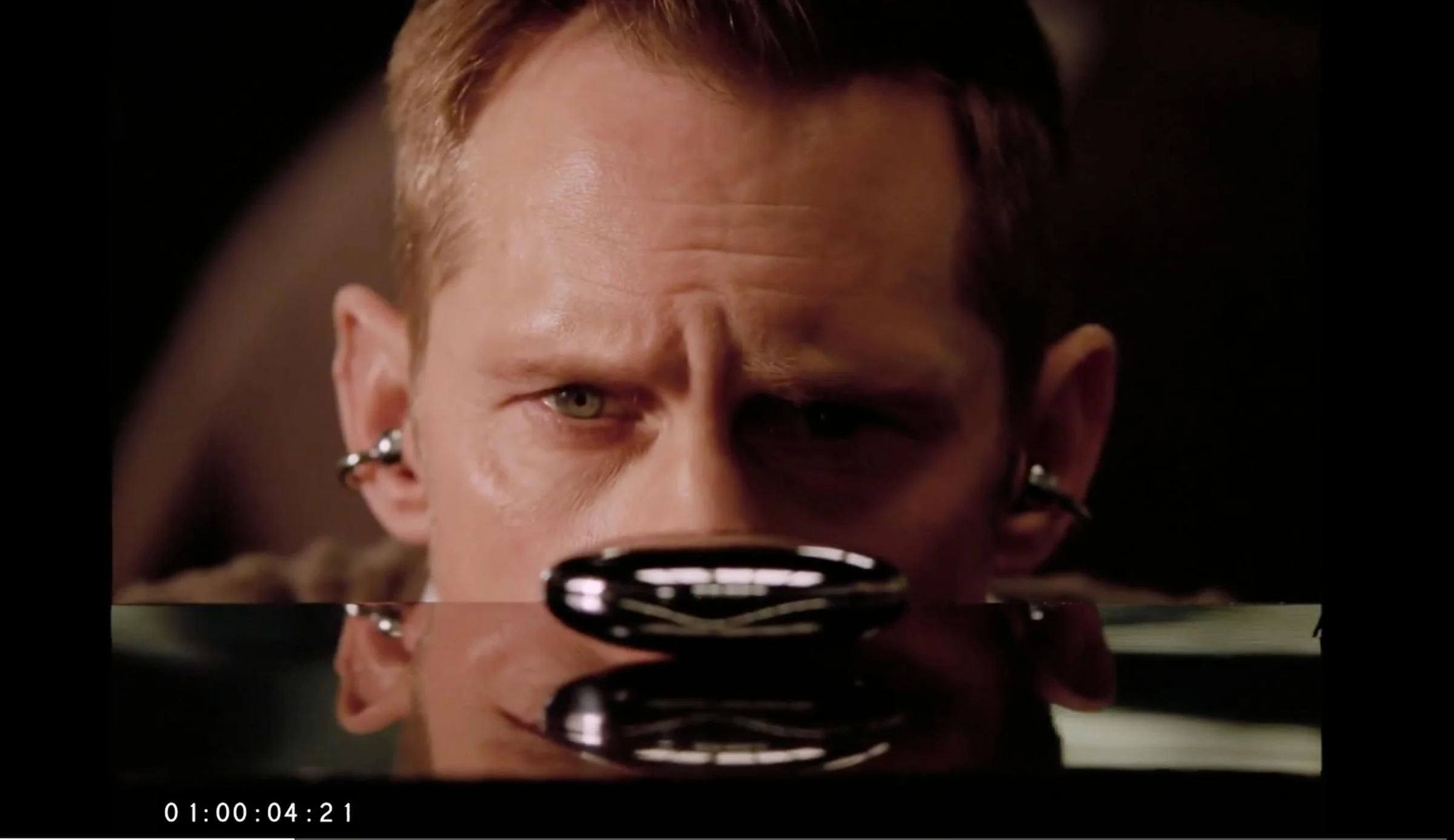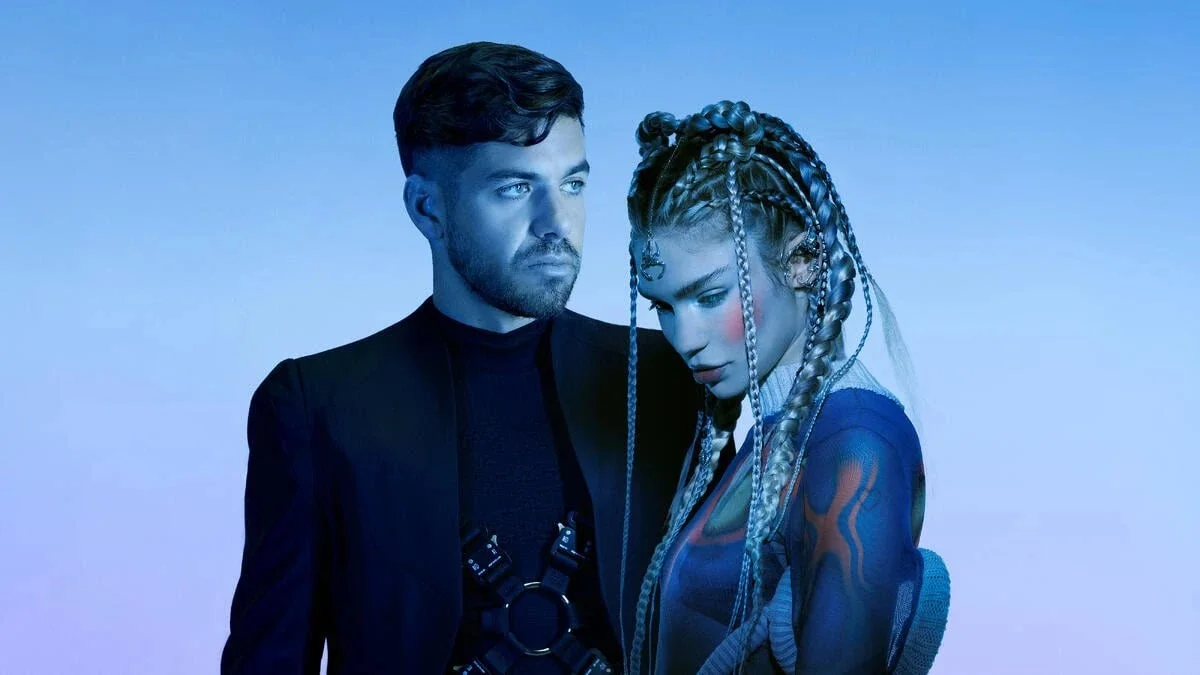
Grimes Declares AI "Bigger Deal Than Jesus" as She Unveils New Album "Psy Opera"
Grimes makes a defiant return to music with her forthcoming album "Psy Opera," discussing AI's profound impact and her journey from quitting music to embracing pop and rap, all while challenging industry norms.

In a declaration that is as provocative as it is indicative of her singular artistic vision, Claire Boucher, known globally as Grimes, has emphatically stated that Artificial Intelligence is “a bigger deal than Jesus.” This bold assertion, revealed in a recent interview, comes as she prepares to unleash her highly anticipated new album, “Psy Opera.” After a period of self-imposed exile from the music industry, marked by personal upheaval and a profound disillusionment with her career, Grimes is back, promising a record that reflects her enduring preoccupation with technology, humanity’s future, and an unconventional approach to art. She candidly discussed her journey back to music, detailing how a foray into poetry and an unexpected request to write K-pop rap ultimately reignited her creative spark, culminating in an album that blends experimental spoken word with an irresistible pull towards pop, as reported by Interview Magazine.
Background and Context of Grimes' Evolution
Grimes has consistently defied categorization throughout her decade-long career. From self-produced art pop to her conceptual exploration of artificial intelligence, her work has always been a step ahead, marked by an unapologetic embrace of the avant-garde. Her decision to legally change her name to 'c', a nod to the speed of light, and her distinct aesthetic, including paint stroke tattoos, are testament to a creative persona that actively rejects normalcy. This inherent desire to push boundaries, particularly in her philosophical engagement with AI, has been a cornerstone of her artistry. Even her 2018 dedication of a song to "our future AI overlords" underscored an early and consistent fascination with the technological frontier. However, this artistic journey has not been without its considerable personal cost. The intense public scrutiny and personal challenges associated with her previous work led her to a point of near-total retirement from music, intending to become a stay-at-home mother, a phase she describes as being so severe that listening to music triggered PTSD, as detailed in her recent conversation with sci-fi author Nnedi Okorafor for Interview Magazine.
Key Developments in Grimes' Return to Music
Grimes' return to the music scene is a testament to the irresistible pull of artistic creation, even after a period of intense personal and professional retreat. The Genesis of "Psy Opera" is particularly compelling, stemming not from a deliberate decision to re-enter music, but from an unexpected commission. After her self-imposed hiatus, during which she focused on writing and reading, a request to pen a rap for a K-pop artist unexpectedly reignited her passion. Grimes describes recognizing the quality of the rap she was creating, deciding to keep it for herself because it was "too good." This initial venture, however, presented an amusing challenge, as she spent "eight months where I was just a white rapper," before navigating past this creative hurdle. The artistic process itself proved cathartic, allowing her to channel intense emotions, including "various stages of nihilism and vengefulness," into her work. While much of this initial, "violently aggressive" material was ultimately removed from the final album, it served as a crucial outlet, transforming pain into creative output – a privilege she believes is unique to artists. This period eventually led to the realization that her "experimental spoken word album with biblical screeds" needed an injection of pop sensibility, paving the way for the broader sound of "Psy Opera." Crucially, Grimes maintains that she does not use generative AI in her music production, clarifying a common misconception and stating that her engagement with AI tools like Midjourney is a "side quest" for personal enjoyment rather than professional creation, further underscoring her nuanced relationship with technology, according to her Interview Magazine conversation.
Analysis: What This Means for the Music Industry and Beyond
Grimes' highly anticipated return with "Psy Opera" and her provocative statements regarding AI signal a crucial moment not just for her own career, but for the broader music industry and indeed, cultural discourse. At a time when the concept of a "comeback" has been significantly devalued, as noted by Indie Boulevard Magazine in its discussion of artists like Dan Johnson, Grimes' re-emergence carries authentic weight due to her prolonged and deeply personal struggle with music itself. Her candidness about suffering PTSD from her previous career, and her intentional break, differentiates her from the typical cyclical releases of other artists. Her declaration that AI is “a bigger deal than Jesus” is not merely sensationalism; it reflects a deep, philosophical engagement with technology that has long underpinned her artistic output. This stance forces a re-evaluation of humanity's role in creation and the implications of building artificial intelligence that could surpass human understanding. Furthermore, her initiative to propose a new economic model for music, involving revenue sharing and 50-50 publishing splits with fans on blockchain for derivative works like fan fiction, is a direct challenge to outdated copyright structures. This bold move could herald a new era of artist-fan engagement and intellectual property management, moving beyond the current disputes over AI voice cloning and embracing a more collaborative, decentralized future.
The industry is grappling with profound shifts, evidenced by established entities like Sony Music Türkiye’s role in Murat Yeter’s "FOLK" project and the rapid rise of new acts like MARSİ. While these developments showcase diverse approaches to music creation and distribution, Grimes' propositions stand out for their fundamental challenge to existing paradigms. Her white paper on blockchain-backed revenue sharing for fan-created content tackles head-on the dilemma of compensating creators in an increasingly digital, remix-oriented world, acknowledging that traditional copyright is not always fit for purpose. This positions her not just as a musician, but as a thought leader actively shaping the future economic and ethical landscape of digital art. The interplay between human creativity and technological advancement, epitomized by Grimes' non-use of AI in her own music despite her fascination with it, raises critical questions about artistic integrity, the value of human expression, and the practical implementation of emerging technologies in the creative sphere. Her concerns about AI dancers disincentivizing human art forms underscore a tension that the industry must navigate carefully to preserve the human element of artistic creation.
Additional Details on Grimes' Artistic Vision and Industry Impact
Grimes' perspective on AI is nuanced and deeply personal, despite public perception. While many associate her with embracing generative AI in her creative process, she clarifies in her interview with Nnedi Okorafor that she does not use it for her music composition. Instead, her engagement with AI tools, such as Midjourney, is primarily for personal enjoyment and exploration, a "side quest" for her as a "trained artist" and former professional illustrator. This distinction is crucial, as it highlights her belief that certain forms of artistic expression, like dancing, music, and language, are fundamentally human and should not be disincentivized by AI replication. Her resistance to AI dancers in her music video, even at the cost of its polish, underscores her commitment to preserving human artistry, recognizing it as a core mode of expression.
However, her stance on AI and intellectual property isn't one of outright rejection. Instead, it's a radical re-imagination of ownership and compensation. Addressing the contentious issue of voice cloning and copyright infringement, Grimes famously declared, "Whatever, use my voice, you can be Grimes. I’ll do a revenue share and all publishing splits can go 50-50 with fans on blockchain." This proposal, which she is formalizing in a forthcoming white paper, is more than an act of generosity; it's an economic experiment designed to adapt copyright to the digital age. By proposing a model where fans can create derivative works using her voice and share in the profits, she challenges the traditional, often restrictive, copyright framework. This approach acknowledges the evolving nature of fan culture and digital creation, suggesting that payment for things like fan fiction is not only feasible but also a "pretty good business model." This forward-thinking perspective could offer a blueprint for artists navigating the complexities of AI-generated content and collaborative creation in an increasingly interconnected world, fostering a more inclusive and economically sustainable ecosystem for digital art.
Looking Ahead: The Future Implications of "Psy Opera" and Grimes' Vision
The release of "Psy Opera" will undoubtedly mark a significant cultural event, not only for Grimes' devoted fanbase but also for broader discussions around AI, art, and the future of creative industries. Her philosophical and practical engagement with AI, alongside her radical proposals for copyright and fan engagement, are poised to spark further debate and innovation. As the album gradually unfolds, offering listeners a blend of cathartic aggression, pop sensibility, and thoughtful musings on humanity and technology, it will serve as a poignant reflection of our current technological crossroads. The success of her blockchain-based revenue sharing model for fan-created content could set a precedent, influencing how other artists and industries approach intellectual property in an age of pervasive generative AI. Grimes' return is not merely a musical comeback; it is a bold statement on the evolving relationship between art, technology, and humanity, challenging us to consider what it means to create, own, and share in a world shaped by intelligence beyond our own. As artists like Turkey’s Murat Yeter, with his "FOLK" project blending tradition with modern production, and the emerging pop sensation MARSİ, demonstrate diverse paths in the industry, Grimes’ trajectory stands out as a unique and influential voice pushing the boundaries of what music can be, both artistically and ethically. Her journey will certainly be one to watch, as she continues to shape and redefine the landscape of contemporary music and digital culture.
Related Articles
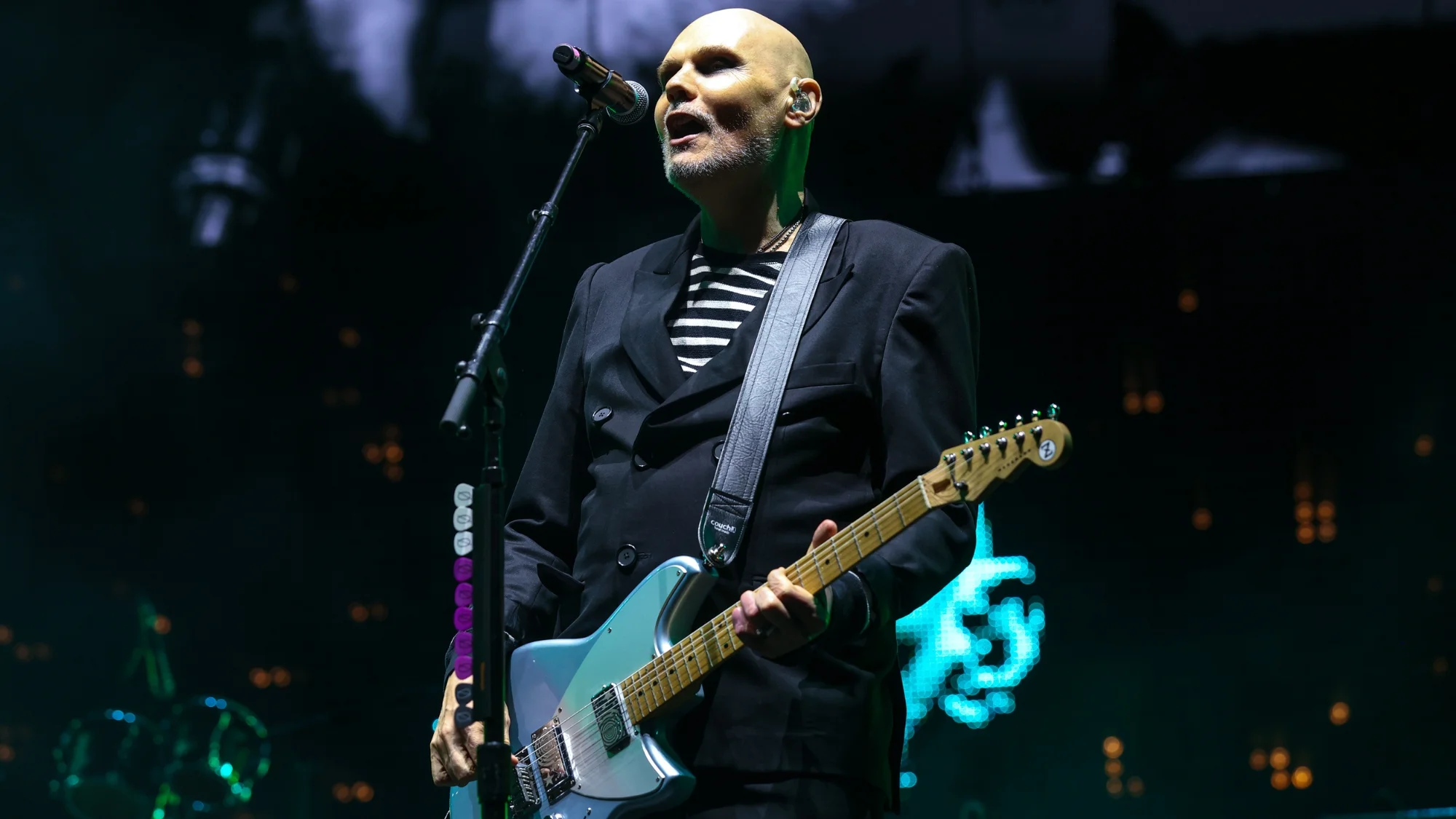
Billy Corgan Labels AI Music a "Deal With the Devil" as Debate Rages On
Smashing Pumpkins frontman Billy Corgan vehemently rejects AI in music creation, calling it a "deal with the devil," sparking intense debate within the industry.