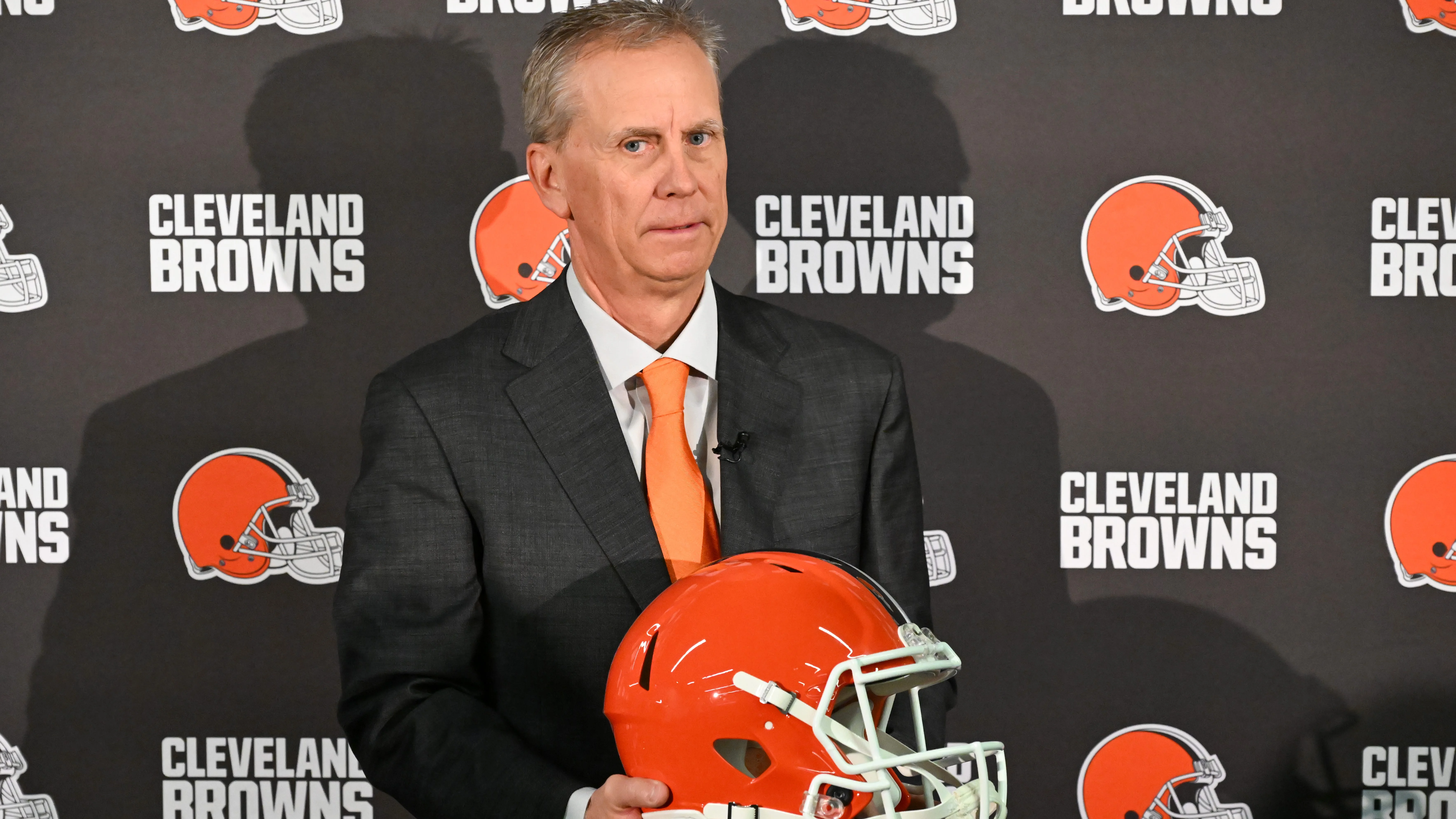
The NFL's head coaching carousel concludes as Klint Kubiak takes the helm for the Las Vegas Raiders. Jim Schwartz resigns as Browns DC after being passed over for head coach.
In the wake of a thrilling Super Bowl victory for the Seattle Seahawks, the NFL's tumultuous coaching carousel has finally drawn to a close, marking a significant reshuffling of leadership across the league. A major headline emerging from this eventful period is the confirmation that Klint Kubiak, fresh off coordinating the Super Bowl champion Seahawks' offense, will assume the head coaching position for the Las Vegas Raiders. This move, reportedly a five-year deal, positions Kubiak as the Raiders’ third head coach in as many seasons, following the tenures of Pete Carroll and Antonio Pierce. Concurrently, the Cleveland Browns face an unexpected defensive vacuum as veteran coordinator Jim Schwartz has reportedly resigned, a decision said to stem from his being passed over for the head coaching role which ultimately went to Todd Monken. These developments, along with several other key hirings and shifts, signal a new era for multiple franchises as they strategize for the 2026 season and beyond, as reported by Yahoo Sports.
The NFL coaching cycle, often a dramatic and high-stakes affair, proved particularly dynamic this season, punctuated by a mix of anticipated changes and surprising departures. This annual ritual sees teams seek fresh leadership, often driven by disappointing records, expiring contracts, or a desire for a new philosophical direction. For the Raiders, the decision to bring in Klint Kubiak reflects a clear pivot towards an offense-first philosophy after two seasons of struggling to find balance and consistency. His predecessor, Antonio Pierce, had taken over mid-season, attempting to inject new life into the team, but ultimately the franchise opted for a fresh start with different offensive leadership. Similarly, the Arizona Cardinals’ hire of Mike LaFleur, the offensive coordinator for the high-powered Los Angeles Rams, underscores a league-wide trend of teams prioritizing offensive innovation and quarterback development, moving away from more defensively-minded head coaches like their former leader, Jonathan Gannon. This strategic shift is indicative of the modern NFL's emphasis on scoring and dynamic playmaking, a trend that has steadily gained momentum over the past decade, placing immense value on offensive masterminds as articulated in various league analyses.
The 2026 NFL coaching cycle delivered a cascade of significant moves impacting numerous franchises, with new faces taking control and established figures shifting roles. Perhaps the most prominent was the Las Vegas Raiders' acquisition of Klint Kubiak as their new head coach. Having just led the Seattle Seahawks' eighth-ranked offense to a Super Bowl title, Kubiak brings a championship pedigree and a track record of developing quarterbacks, a crucial factor for a Raiders team likely to draft Indiana QB Fernando Mendoza with the No. 1 overall pick. His five-year deal signifies a long-term commitment from the Raiders to an offensive revitalization, aiming to improve upon their league-worst total offense of 4,168 yards this past season, as detailed by Yahoo Sports. This move is designed to inject explosiveness and a modern scheme into a team that has struggled on that side of the ball.
Immediately creating a ripple effect, the Cleveland Browns announced the resignation of their highly regarded defensive coordinator, Jim Schwartz. Schwartz's departure reportedly stems from his disappointment after being passed over for the Browns' head coaching vacancy, which was ultimately filled by former Ravens offensive coordinator Todd Monken. Monken's appointment marks his return to Cleveland, having previously served as their offensive coordinator in 2019, and brings a dual collegiate and NFL championship winning background to aid the Browns' "broken and talent-deficient" offense, as described by Yahoo Sports. This leaves Monken with the immediate task of finding a new defensive coordinator, a critical hire given the Browns' defense has consistently ranked among the league's elite.
Another significant head coaching hire was Mike LaFleur, the younger brother of Green Bay Packers head coach Matt LaFleur, who signed a five-year deal to lead the Arizona Cardinals. LaFleur comes from a highly successful stint as the Los Angeles Rams offensive coordinator, where his unit led the NFL in total offense with 6,709 yards. His primary challenge will be to address the Cardinals' quarterback situation, with Kyler Murray's future uncertain and limited top-tier options in the upcoming draft. Meanwhile, the Buffalo Bills made an internal promotion, elevating offensive coordinator Joe Brady to head coach after the dismissal of Sean McDermott. Brady, credited with a role in developing Josh Allen, is tasked with maintaining the Bills' high offensive standard while navigating the complexities of a first-time head coaching role. Across the league, other notable moves include the San Francisco 49ers hiring Raheem Morris as their defensive coordinator after his dismissal as Atlanta Falcons head coach, and former Chiefs offensive coordinator Matt Nagy joining John Harbaugh's staff in New York in the same capacity, further underscoring the widespread shuffling of coaching talent this season, according to the comprehensive overview provided by Yahoo Sports.
The flurry of coaching changes across the NFL signifies a broader strategic shift within the league, particularly a strong emphasis on offensive innovation and quarterback development. Teams like the Raiders and Cardinals, by hiring Klint Kubiak and Mike LaFleur respectively, are clearly signaling a desire to catch up to the league's high-flying offensive trends. This often means moving away from traditional defensive-minded coaches, even those with strong track records, in favor of creative offensive strategists who can unlock the full potential of modern passing games and dual-threat quarterbacks. The investment in young, offensive-minded coaches reflects a belief that sustained success in today's NFL hinges on outscoring opponents, a stark contrast to eras where defensive dominance was the primary path to championships. The high stakes involved are evident in the lucrative multi-year contracts, with both Kubiak and LaFleur reportedly receiving five-year deals, indicating a significant commitment and expectation for long-term offensive transformation. This trend also puts immense pressure on new hires to quickly develop their offensive schemes and identify or cultivate franchise quarterbacks, a task made more challenging by the league's increasingly competitive landscape.
Jim Schwartz’s resignation from the Browns, after consistently fielding one of the league's top defenses, illustrates the brutal reality of the NFL's coaching hierarchy: coordinators often aspire to the top job, and being passed over can lead to immediate departures. While the Browns secured Todd Monken, a proven offensive mind, the immediate loss of Schwartz leaves a gaping hole on the defensive side of the ball. This situation highlights a critical challenge for teams that bring in offensive head coaches: the imperative to retain or attract elite defensive talent to maintain a balanced team. For Cleveland, Monken’s success will not only depend on his ability to fix the offense but also on his shrewdness in hiring a defensive coordinator capable of sustaining the high standards Schwartz set. The dynamic interplay between offensive and defensive leadership will define the initial success of many of these new coaching regimes, and the ability to attract top-tier coordinators, both on offense and defense, will be a major differentiator between franchises. This also underscores the often-unseen power struggles and aspirations within coaching staffs, where loyalty can be conditional on upward mobility, impacting stability and continuity for organizations.
Beyond the primary head coaching changes, several key coordinator shifts and leadership transitions underscore the comprehensive nature of this coaching cycle. The Tennessee Titans, for instance, have brought in Brian Daboll as their new offensive coordinator. Daboll, who was fired as the Giants' head coach midseason in 2022, now gets a significant opportunity to revitalise his career and work with the 2025 No. 1 overall pick, Cam Ward, under head coach Robert Saleh. This move highlights how coordinators can find new life and purpose in different roles, often with less pressure than a head coaching position, allowing them to focus purely on strategic offensive development. Daboll's experience, which includes a successful stint as the Bills' offensive coordinator where he helped develop Josh Allen, makes him an intriguing choice to mold a young, highly-drafted quarterback, as noted by Yahoo Sports.
In Pittsburgh, the Steelers made a monumental change, hiring Mike McCarthy as their next head coach to replace the long-tenured Mike Tomlin, who resigned at the season's end. McCarthy, a Super Bowl-winning coach with the Green Bay Packers, takes over a franchise known for its coaching stability, becoming only its fourth head coach since 1969. This move signals a significant overhaul in Pittsburgh's approach and culture after years under Tomlin, bringing in a coach with a proven track record but also one who faced challenges in his previous head coaching role towards the end of his tenure. His task will be to rejuvenate a Steelers team that has often hovered around playoff contention but struggled to break through. The hirings and firings across the league, as detailed by Yahoo Sports, reflect a league constantly seeking the right formula for success, often prioritizing a shift in team identity or a new strategic direction in hopes of unlocking peak performance.
The challenges confronting these new coaches are varied and substantial. Mike LaFleur in Arizona, for example, inherits a team that finished with the 19th-ranked offense and a major question mark at quarterback, with Kyler Murray's health and future uncertain. The Cardinals hold the No. 3 overall pick, but the lack of a clear top-tier quarterback prospect at that slot means LaFleur might need to look to free agency (Daniel Jones, Malik Willis) or trade possibilities (Tua Tagovailoa, Justin Fields, Mac Jones) to find his field general. Klint Kubiak for the Raiders faces similar quarterback development demands, albeit with the presumptive No. 1 overall pick, Fernando Mendoza. He will also have the luxury of a veteran presence in Geno Smith initially, allowing Mendoza time to acclimate. Todd Monken in Cleveland must not only fix a struggling offense but also swiftly replace the formidable Jim Schwartz on defense, a task that requires both strategic vision and strong recruitment abilities. These details underscore that these new coaching roles are not just about Xs and Os, but about comprehensive team building, leadership, and navigating complex personnel decisions.
As the dust settles on the 2026 NFL coaching carousel, the focus immediately shifts to how these new regimes will translate their philosophies into tangible on-field success. The upcoming NFL Draft in April will be the first major test for many of these new head coaches, particularly those like Klint Kubiak and Mike LaFleur who are tasked with developing young quarterbacks. Their ability to identify and cultivate talent, especially at the game's most critical position, will largely dictate the trajectory of their tenures. Furthermore, the hiring of new coordinators, particularly on defense for the Browns following Jim Schwartz's departure, will be crucial in defining team identities. The league will be watching closely to see if the emphasis on offensive firepower, as exemplified by the hires in Las Vegas and Arizona, yields immediate dividends. These changes signal a renewed sense of optimism and strategic alignment for several franchises, yet the unforgiving nature of the NFL ensures that performance will be the ultimate arbiter of success, setting the stage for a compelling 2026 season filled with new leadership and fresh expectations.
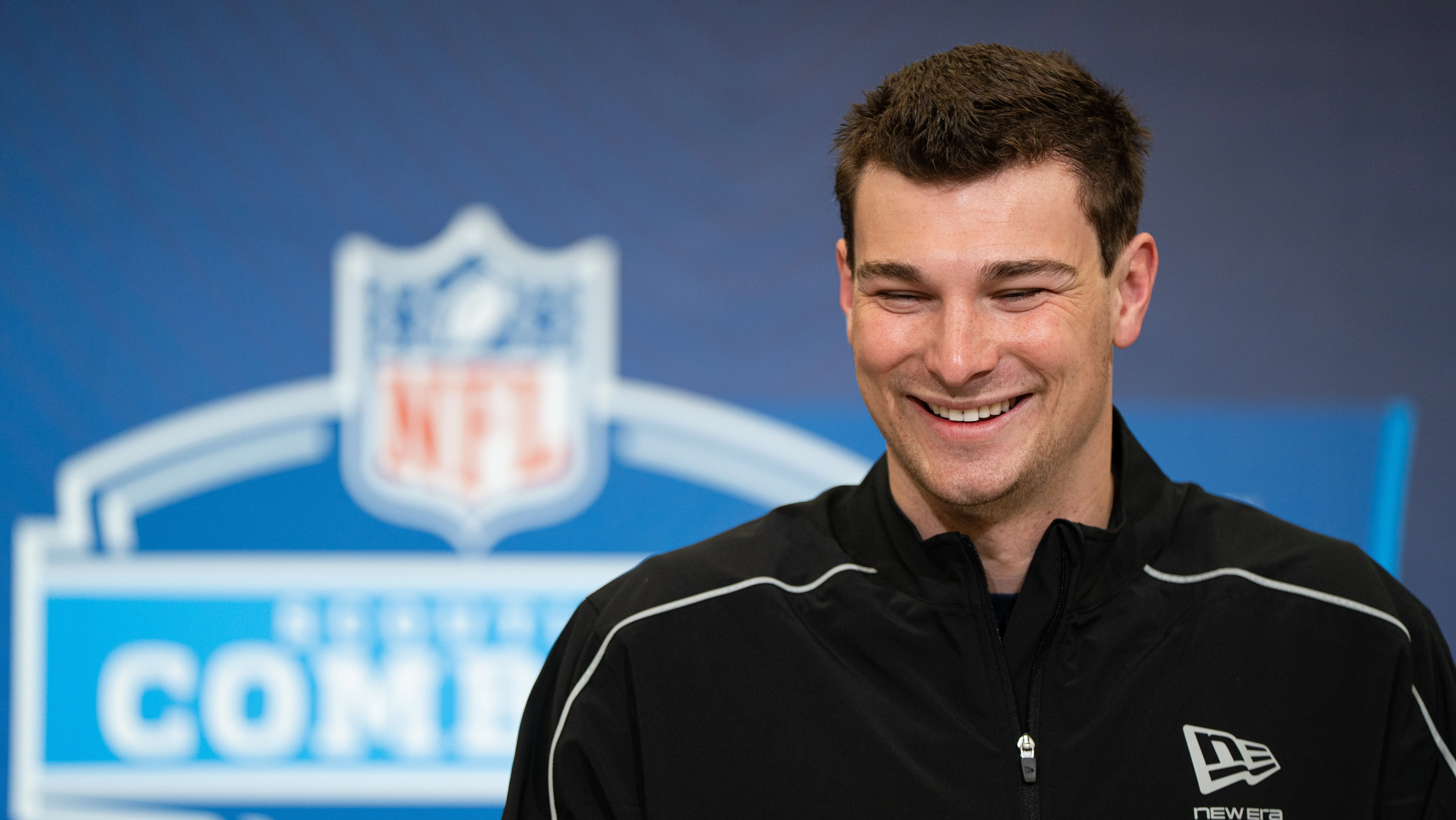
Fernando Mendoza, the presumptive No. 1 NFL Draft pick and Heisman Trophy winner, drew massive cheers at the NFL combine, opting out of drills after his historic season.

The NFL has earned an unprecedented 32 Sports Emmy Award nominations, with NFL Films achieving a record 23 nods, showcasing the league's expansive media and production excellence across diverse categories.
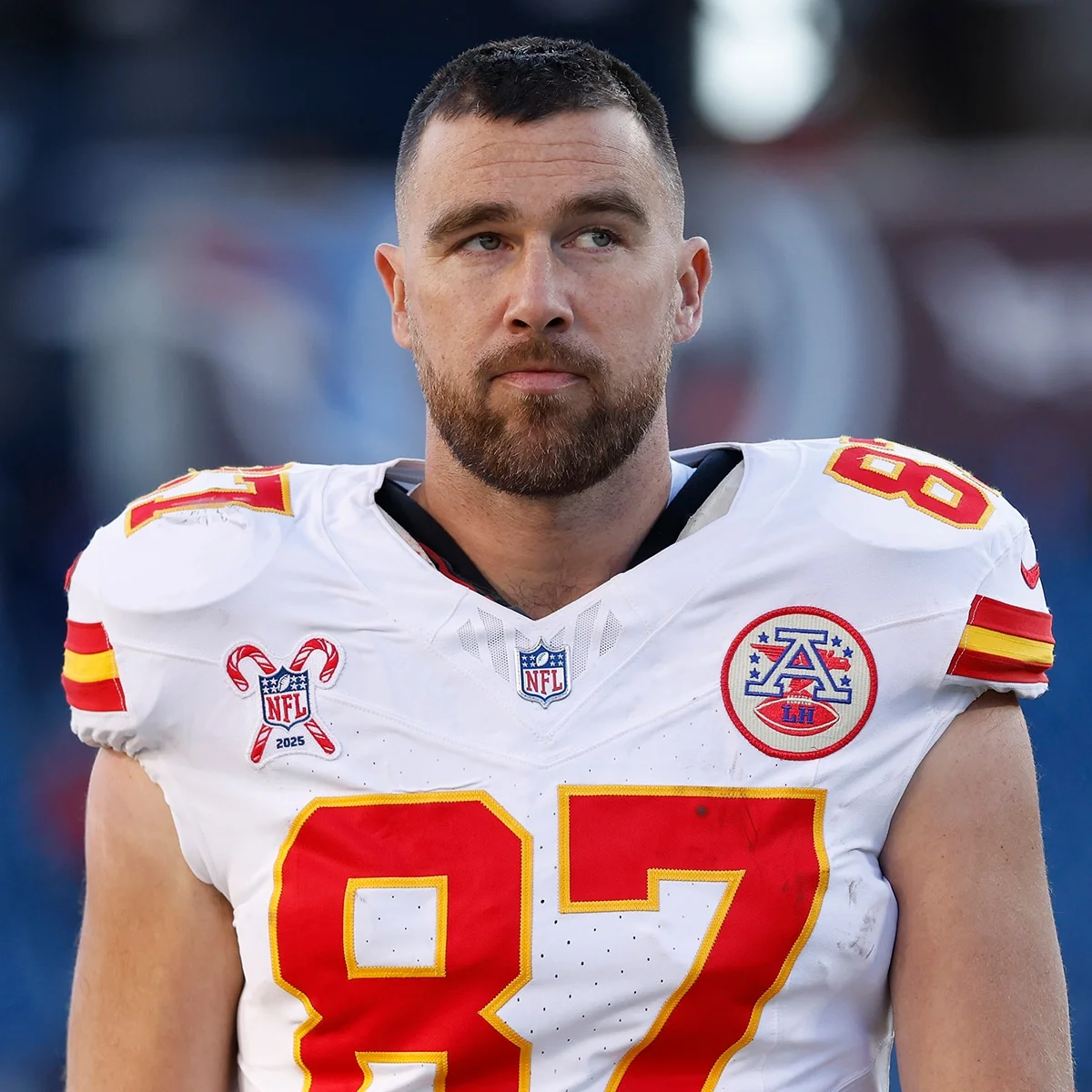
Travis Kelce solidifies his NFL legacy with a new contract, reaching over $111 million in career earnings, unprecedented tight end stats, and numerous records.