Trump Threatens "Whole Educational System" Could Collapse, Vows Executive Order on College Sports
President Trump warns the U.S. collegiate system is at risk without urgent fixes to college sports, promising an executive order to address NIL reforms and spiraling costs.

Trump says ‘whole educational system’ could go out of business without fixes to college sports
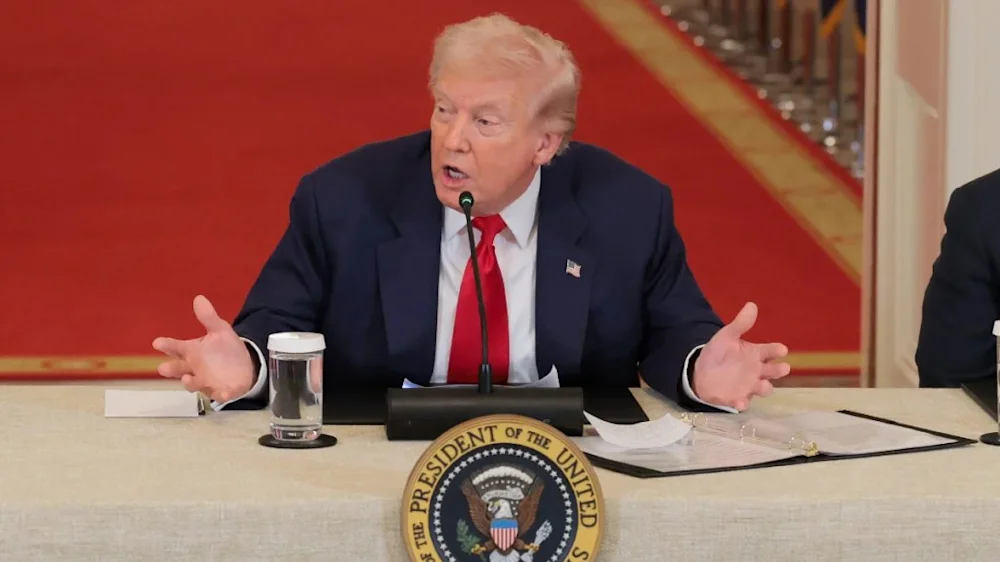
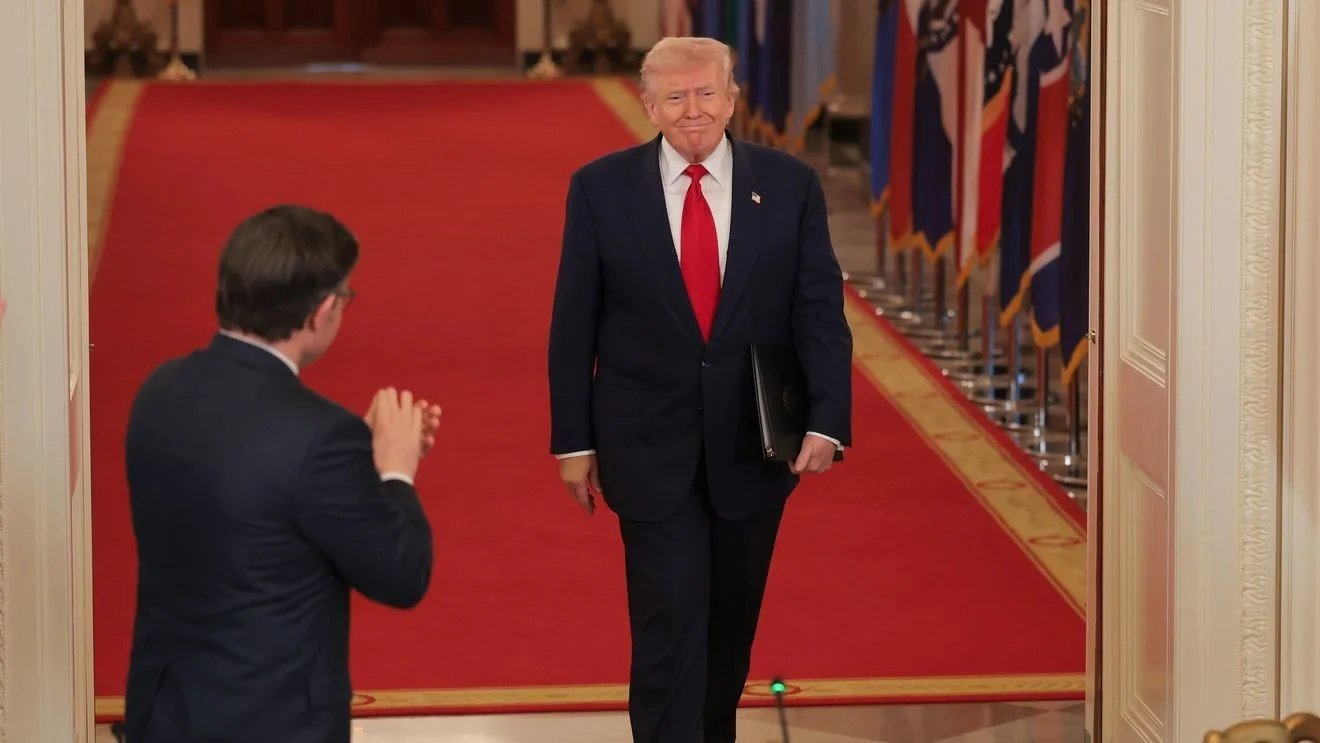
President Donald Trump issued a stark warning at a White House roundtable on college sports, predicting the potential collapse of not just athletic programs, but the entire U.S. collegiate educational system, unless swift and decisive action is taken to address the financial upheaval caused by Name, Image, and Likeness (NIL) payments. The former President, who hosted a wide-ranging discussion with key figures from collegiate athletics and politics, vowed to issue an "all-encompassing" executive order within a week, an unprecedented move he believes will force a resolution to the contentious issue. He further anticipated that this order would inevitably trigger a lawsuit, pushing the debate back into the judicial system that initially greenlighted the player payment revolution. The urgent tone of the meeting underscored a widespread sentiment among attendees that the current landscape, characterized by escalating costs and a patchwork of regulations, is unsustainable.
The Genesis of a Crisis: From Scholarships to NIL
The current state of college athletics, according to many at the White House gathering, represents a significant departure from its historical foundations. President Trump himself lamented the passing of the "system of scholarships" that largely defined amateurism for decades. This traditional model, where athletes received financial aid but little beyond, has been upended by a series of legal challenges and subsequent rulings. The "horrible" court settlement, as Trump described it, that paved the way for NIL payments, has been a central point of contention. This settlement stemmed from a 2019 ruling by Judge Claudia Wilken, who found that the NCAA’s restrictions on education-related benefits violated antitrust law. As noted by Fox News, Trump likely referenced Wilken when he criticized "one judge who knew nothing about sports... just decided everything was unconstitutional." The president and many attendees believe this judicial intervention "threw the sports world and ... the college athletic world into 'tithers.'" The transition has been swift, leaving many institutions struggling to adapt to the new economic realities. The roundtable sought to find a path forward amidst the spiraling costs and the "inability to set rules," as different states grapple with varying NIL laws, creating a chaotic environment for collegiate sports.
A White House Call to Action: Proposed Solutions and Deep Divisions
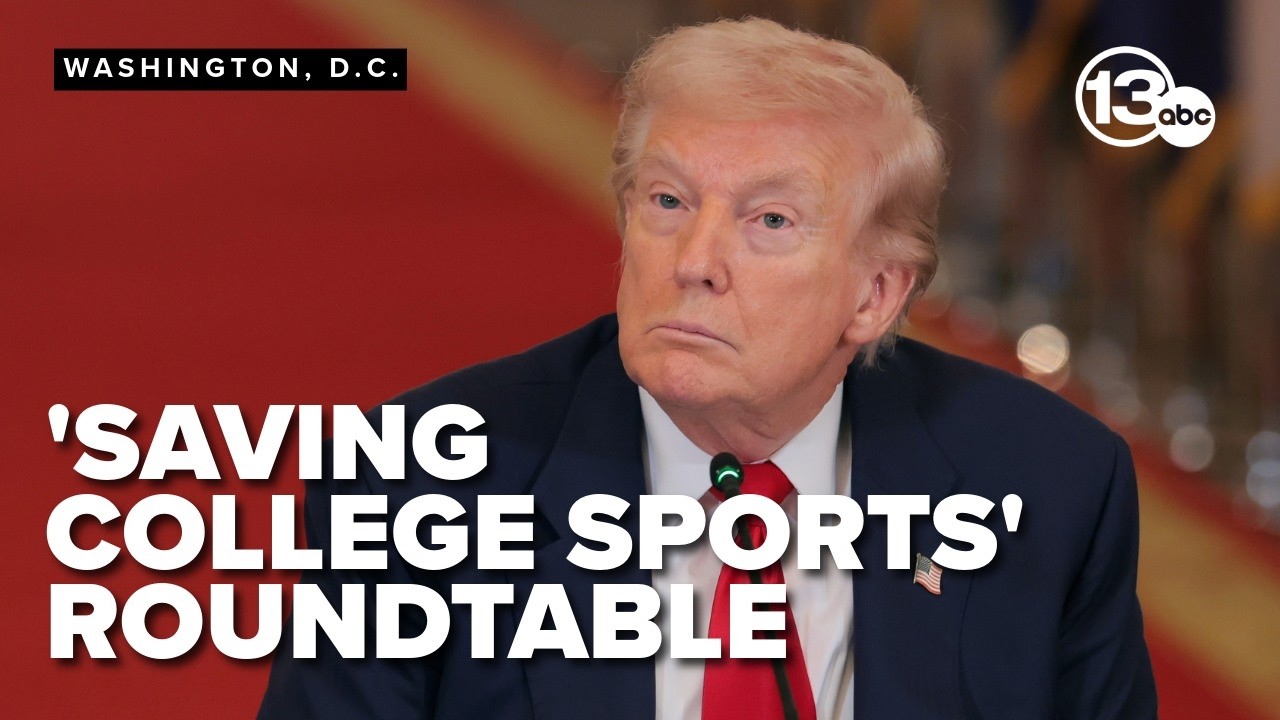
The "Saving College Sports" roundtable, as dubbed by ESPN, assembled a diverse group of approximately 50 individuals, including lawmakers, conference commissioners, the NCAA president, coaches, and university athletic directors. Key figures present included NCAA President Charlie Baker, former Alabama coach Nick Saban, former Ohio State coach Urban Meyer, and commissioners from all major athletic conferences. The overwhelming consensus among those who spoke was the urgent need for federal intervention to re-establish order in the NIL landscape and stabilize college sports' economic future. President Trump’s proposed executive order, which he promised would "solve every problem in this room," is intended to be a catalyst for action, particularly from Congress. Among the legislative solutions discussed, the SCORE Act emerged as a primary focus. This bill, which has faced challenges in the House, is seen by many as a potential foundation for change, offering a limited antitrust exemption for the NCAA – a provision that some Democrats oppose. House Speaker Mike Johnson indicated a growing possibility of its passage as calls for federal oversight intensify. However, deep divisions remain on critical details, most notably how to fund the escalating costs. Texas Tech regent Cody Campbell proposed pooling TV rights to generate an additional $6 billion, a concept that the SEC and Big Ten commissioners reportedly disagree with. SEC commissioner Greg Sankey emphasized that the issue was less about revenue and more about establishing "structures and national standards," urging the Senate to act proactively to prevent programs from disappearing and students from losing scholarships, as articulated by Senator Ted Cruz.
Analysis: Navigating the Intersection of Policy, Economics, and Athletics
The urgency conveyed at the White House roundtable highlights a growing realization that college athletics has transcended mere sport to become a complex interplay of significant financial interests, legal precedents, and educational policy. The President's direct involvement, a striking departure from typical White House focus, underscores the perceived systemic threat. The notion that the "whole educational system is going to go out of business because of this" elevates the NIL debate beyond locker rooms and playing fields, framing it as a national educational crisis. This perspective, while perhaps hyperbolic to some, reflects a genuine concern among university leaders about their ability to sustain a broad range of athletic programs – particularly the non-revenue-generating Olympic sports – under the current financial strain. The desire for a federal legislative solution, such as the SCORE Act, speaks to the exhaustion with the decentralized, state-by-state approach to NIL regulation, which has created an inequitable and chaotic recruiting environment. The anticipated lawsuit following Trump's executive order isn't merely a procedural step; it's a strategic move to force the hands of a judiciary that collegiate leaders feel has fundamentally altered their operating model without providing a clear regulatory framework for the consequences. The legal battle would undoubtedly revisit fundamental questions about amateurism, antitrust law, and the definition of a "student-athlete" in an era where some college players earn more than their professional counterparts, blurring the lines that once clearly separated the two.
A Tapestry of Concerns: From "Cheating" to Educational Mission
The various stakeholders present at the roundtable painted a multifaceted picture of the challenges facing college sports. Beyond the financial implications, concerns about the very essence of collegiate education and athlete development were prominent. Former Alabama coach Nick Saban, a legendary figure in collegiate football, voiced a poignant sentiment: his goal of preparing players for life and providing personal development and academic support has become "impossible to do in this system." He noted that players are now making decisions based on financial gain rather than long-term educational or personal advancement. This observation speaks to a fundamental shift, where the traditional educational mission of universities risks being overshadowed by professionalized athletic endeavors. Urban Meyer, another highly successful former coach, went further, advocating to "get rid of the collectives," explicitly calling them "cheating." Collectives – independent booster organizations that pool resources to facilitate NIL deals for athletes – are a significant, often unregulated, component of the current NIL landscape. The lack of transparency and potential for inducement they represent are major points of contention for many administrators. Additionally, the phrase "seven-year freshman" used by Trump highlights concerns about athlete retention, academic progress, and the impact of the transfer portal on team cohesion and academic continuity. These anecdotes, combined with the "inability to set rules" and the disparity of state-specific NIL laws, underscore the chaotic environment that the roundtable sought to address, emphasizing that a clear, nationwide regulatory framework is essential to salvage the integrity and financial viability of college athletics.
Looking Ahead: Congressional Battle and Legal Showdowns
The immediate impact of President Trump's declaration will be the unveiling of his "all-encompassing" executive order within the week. This action, regardless of its specific provisions, is almost certain to fulfill his prediction of triggering legal challenges, setting the stage for another significant court battle over the future of college sports. Simultaneously, the focus will intensify on Capitol Hill, where the SCORE Act and other potential federal legislation will be debated. The differing views on issues like antitrust exemptions for the NCAA and the pooling of TV rights Signal a complex legislative path, requiring bipartisan compromise. The political will, particularly from Democrats who may oppose certain aspects of the SCORE Act, will be crucial. Senator Ted Cruz's warning about programs disappearing further emphasizes the perceived urgency for congressional action. The next few months will likely see an active period on both the executive and legislative fronts, coupled with the inevitable legal challenges that will shape how NIL payments are regulated, how college athletes are compensated, and ultimately, whether the traditional model of college sports can adapt and survive in this new economic reality. The future of hundreds of thousands of student-athletes and potentially billions of dollars in economic activity hangs in the balance, making this a pivotal moment for collegiate institutions across the nation.
Related Articles
Summit League Semifinals Heat Up as College Sports Future Debated Amidst Trump Roundtable
As Summit League basketball semi-finals take center stage, President Trump's "Saving College Sports Roundtable" highlights NIL and governance challenges.